Olieva Home For Seniors offers a private room option at a monthly cost of $5,000. This rate is notably higher than the average costs in both San Diego County and California, where private rooms are priced at $3,939. The premium associated with Olieva may reflect enhanced services, amenities, or specialized care options provided to residents, positioning it as a choice for families seeking a more personalized and supportive environment for their loved ones. While the costs exceed regional averages, they may be justified by the level of care and community atmosphere that Olieva strives to maintain.
Floor plans
Olieva Home For Seniors
San Diego County
California
Private
$5,000
$3,939
$3,939
Assisted Living communities with a similar price nearby
The submitted reviews mostly describe a different senior-care provider than the listing name.
Most review text is about Aloha Senior Home Care rather than Olieva Home For Seniors, with multiple mentions of Maya and the Aloha team. One review also references Taylor Cottage. Because of this naming mismatch, the day-to-day themes in the reviews may not reflect this listing’s experience.
differentiator3 reviews mention this
RN-owner and hands-on supervision
Several reviews highlight an RN-owner presence and supervisory follow-through.
Multiple reviewers describe the owner as an RN and discuss supervision or hands-off handoffs to caregivers. They also mention structured involvement with caregiver assignments and training support. This lines up with the listing’s emphasis on help with daily living and coordinating health care providers, even though the reviews are not clearly tied to Olieva by name.
common2 reviews mention this
24/7 availability is emphasized
Reviews consistently mention that help is available around the clock.
Two reviewers specifically call out 24/7 availability, describing that support is there when needed. That matches the listing’s inclusion of ongoing supervision and assistance with activities of daily living. Still, since the reviews primarily reference Aloha, treat this as a theme from the submitted reviews rather than a confirmed Olieva-specific service.
common2 reviews mention this
Care communication and updates
Some reviewers describe frequent communication and caregiver status updates.
Reviewers mention regular updates and communication with families, including status reporting in the context of hospice collaboration. The listing also includes coordination with health care providers and meal preparation and service, which suggests structured care routines. The communication praise, however, comes from the submitted reviews’ provider narratives rather than directly from Olieva-named feedback.
How we summarize
Counts show how many written reviews mention each theme; a review can touch several themes, and only frequently mentioned themes are displayed.
Features
Housing
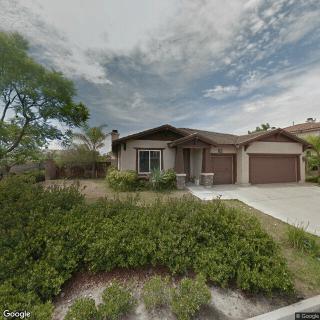
6 resident community capacity
Types of Care
Assisted Living
Board and Care Home
Amenities
Cable or satellite TV
Dining room
Fully furnished
Garden
Housekeeping services
Move-in coordination
Outdoor space
Telephone
Wi-Fi/high-speed internet available
Transportation
San Diego International-Lindbergh (13 miles away)
MC Clellan-Palomar Airport (17 miles away)
Care Services
24-hour supervision
Activities of daily living assistance
Assistance with bathing
Assistance with dressing
Assistance with transfers
Coordination with health care providers
Diabetes diet
Meal preparation and service
Medication management
Special dietary restrictions
Transportation arrangement (medical)
Transportation to doctors appointments
Dining
Diabetes diet
Special dietary restrictions
Activities
Community-sponsored activities
Scheduled daily activities
Nearby Places of Interest
Restaurants
McDonald's (0.3 miles)
Taco Bell (0.5 miles)
Raising Cane's Chicken Fingers (0.8 miles)
In-N-Out Burger (0.8 miles)
Rockin' Jump San Diego (1.3 miles)
Cutwater Spirits (2.6 miles)
Donut Touch (2.6 miles)
Parks
Mira Mesa Community Park (0.4 miles)
Westview Park (1.2 miles)
Camino Ruiz Community Park (1.5 miles)
Los Peñasquitos Canyon Preserve (1.9 miles)
Semillon Boulevard. Mini Park (3.6 miles)
Hilltop Park and Recreation Center (4.2 miles)
Solana Ranch Park (5.1 miles)
Pharmacies
Walgreens (0.6 miles)
CVS Pharmacy (0.7 miles)
CVS Pharmacy (0.7 miles)
CVS Pharmacy (2.6 miles)
Vons Pharmacy (2.6 miles)
CVS Pharmacy (3.1 miles)
CVS Pharmacy (5 miles)
Places of Worship
Good Shepherd Catholic Church (0.9 miles)
Saint Gregory The Great Catholic Church (3.4 miles)
Olieva Home For Seniors offers a private room option at a monthly cost of $5,000. This rate is notably higher than the average costs in both San Diego County and California, where private rooms are priced at $3,939. The premium associated with Olieva may reflect enhanced services, amenities, or specialized care options provided to residents, positioning it as a choice for families seeking a more personalized and supportive environment for their loved ones. While the costs exceed regional averages, they may be justified by the level of care and community atmosphere that Olieva strives to maintain.
Senior move management services assist older adults in the relocation process by providing emotional support and organizational help, addressing unique challenges like downsizing and moving from long-term homes. These specialists collaborate with real estate agents and manage logistics, making the transition smoother for seniors and their families.
The article examines senior housing options, detailing the distinctions between independent living and assisted living, along with the emerging "independent assisted living" model that blends both approaches. It highlights the importance of assessing individual needs, preferences, and financial factors in making informed decisions about suitable living arrangements for seniors.
The deductibility of assisted living expenses on taxes hinges on factors like the individual's medical condition and service nature, typically requiring the resident to be "chronically ill" per IRS definitions. Taxpayers may deduct eligible medical expenses related to personal care services but generally not rent unless primarily for medical care, and they should maintain thorough documentation to support claims while considering itemizing versus standard deductions.
Get PricingAsk A QuestionSchedule A TourContact Senior Advisor
By clicking submit, you agree to our Partner's Terms of Use. You
also consent to receive calls and texts, which may be autodialed, from our Partner. Your consent is not a condition to
using our Partner's service. Please visit our Partner's Privacy Policy for information about their privacy practices.

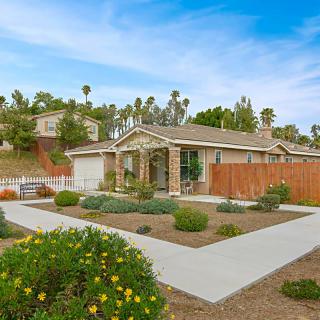
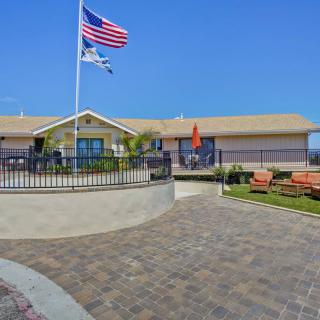
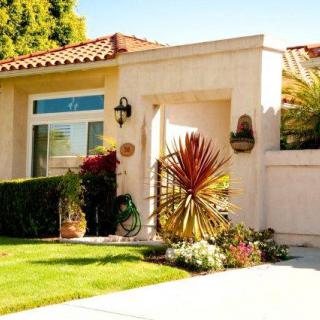

 6 resident community capacity
 Assisted Living
 Board and Care Home
 Cable or satellite TV
 Dining room
 Fully furnished
 Garden
 Housekeeping services
 Move-in coordination
 Outdoor space
 Telephone
 Wi-Fi/high-speed internet available
 San Diego International-Lindbergh (13 miles away)
 24-hour supervision
 Activities of daily living assistance
 Assistance with bathing
 Assistance with dressing
 Assistance with transfers
 Diabetes diet
 Meal preparation and service
 Medication management
 Special dietary restrictions
 Transportation arrangement (medical)
 Transportation to doctors appointments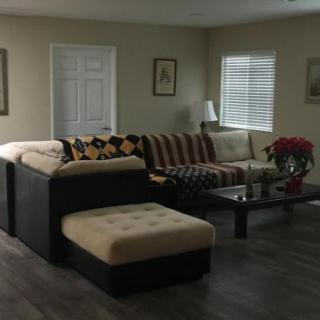
 Family-like atmosphere with compassionate staff and excellent cooking.

 Senior Transition Services: Understanding Their Role, Cost, and Importance
 Exploring the Path to Senior Living: A Comprehensive Look at Independent Living and Assisted Living
 Is Assisted Living Deductible on Your Taxes? Understanding the Complexities of Assisted Living Expenses and Deductions