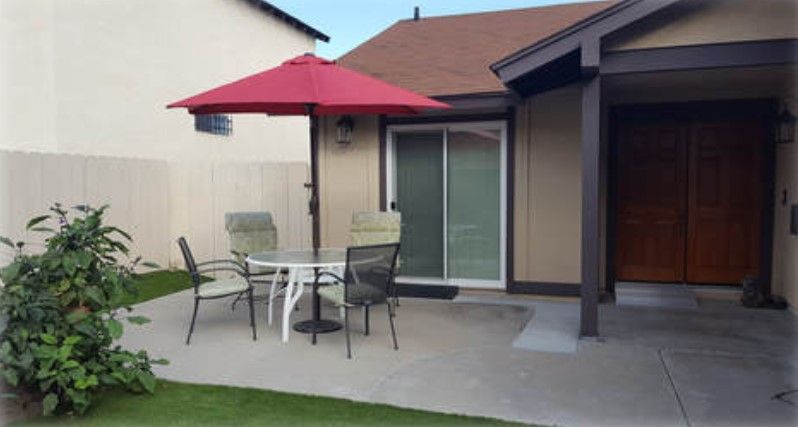
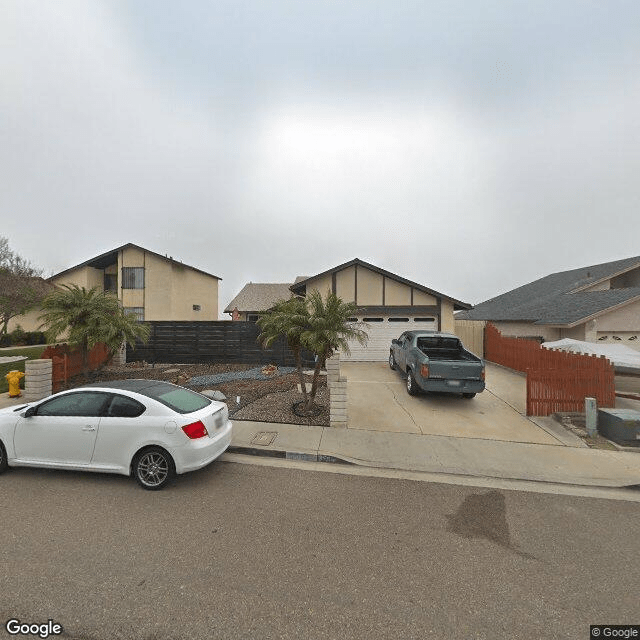
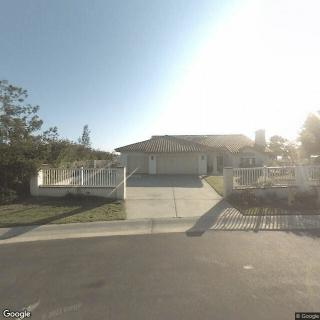
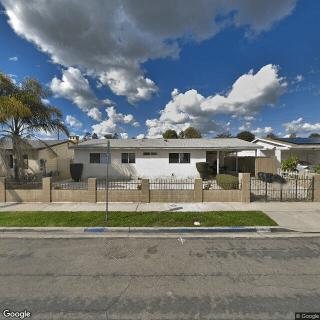
8569 Innsdale Lane, San Diego, CA 92114
For more information about senior living options: (866) 208-4318
Ohana Care Home Costs & Pricing
Ohana Care Home offers competitive pricing for its residential care services, with costs for semi-private rooms set at $3,300 per month, which is notably lower than the San Diego County average of $3,518 and slightly more affordable than the state average of $3,333. For those seeking private accommodations, Ohana Care Home's monthly rate is $3,750, again presenting a more economical option compared to San Diego County's average of $3,939 and aligning with the statewide cost. This pricing structure positions Ohana Care Home as a viable choice for families looking for quality care without exceeding their budget in both county and state contexts.
| Floor plans | Ohana Care Home | San Diego County | California |
|---|---|---|---|
| Semi-Private | $3,300 | $3,518 | $3,333 |
| Private | $3,750 | $3,939 | $3,939 |
Assisted Living communities with a similar price nearby
-
from -$450 / mo
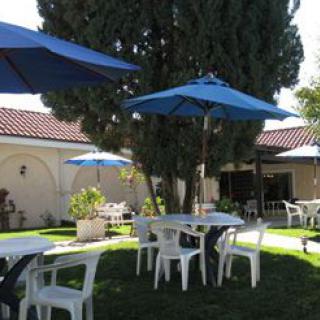
Alpine View Lodge
$2,850 to $3,550 / month15.9 miles away -
from -$100 / mo

Wellspring Assisted Living
$3,200 to $4,000 / month6.1 miles away -
from +$200 / mo

Ramona Senior Lodge Assisted Living
$3,500 to $5,500 / month21.5 miles away -
from +$500 / mo
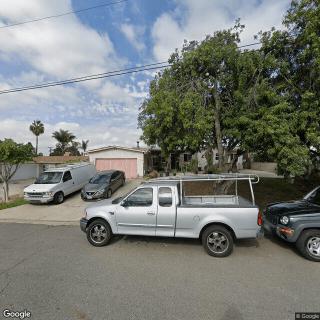
Casa Primavera
$3,800 to $4,800 / month1.3 miles away -
from +$400 / mo
Mount Helix Manor Elder Care
$3,700 to $4,000 / month5.6 miles away
Overall Review of Ohana Care Home
Pros
 Ohana Home Care provides safe, economical, and culturally-specific supported living for seniors.
- The facility features breathtaking views.
- It is a family-run firm delivering care with an Asian sensibility.
- It supports residents in living life to the fullest, enhancing health and wellness with farm-fresh meals and seasonal activities.
- It offers the loving home elders require to stay safe, delivering a culturally consistent, highly gratifying environment.
Review
Ohana Care Home in San Diego is best suited for seniors who want a small, home-like living arrangement with a clear cultural orientation and a focus on safety and affordability. The listing emphasizes breathtaking views, a family-run model, and care delivered with an Asian sensibility, making it appealing to families seeking a warm, personalized environment. Residents drawn to routine, farm-fresh meals, and seasonal activities will likely feel at ease here. This community positions itself as a compassionate alternative to impersonal campuses, where the emphasis is on wellness, tradition, and a comforting sense of belonging within a familial setting.
Those considering alternatives include families needing a broader continuum of care, such as memory care with enhanced supervision or skilled nursing, or households seeking a larger, more standardized operation with transparent pricing. Individuals who require diverse cultural settings or more expansive clinical oversight may find the scope here limiting. Prospects prioritizing robust transportation, intensive medical coordination, or a proven, scalable brand might look to other options. In short, Ohana Care Home suits a specific niche rather than offering a one-size-fits-all solution for aging in place.
Key advantages center on safety, affordability, and a home-like daily rhythm. The facility is described as safe and economical, with culturally-specific supported living that aligns with traditional expectations. A family-run structure can translate into highly attentive, responsive care and a level of warmth that large operations struggle to emulate. Farm-fresh meals and seasonal activities support nutrition, mood, and social engagement, while the Asian sensibility can create familiar routines and culturally meaningful practices. Coupled with scenic San Diego views, these factors often reduce relocation stress and help residents settle into a steady, satisfying routine.
However, public information is sparse beyond a single glowing review. Details about medical support capacity, staff-to-resident ratios, hours of care, and how care adapts for memory impairment remain unspecified. Price transparency, what is included in monthly fees, and potential add-ons are unclear, making budgeting tentative. Information on transportation, accessibility features, emergency procedures, and visitation policy is not extensively documented. For families needing rigorous clinical QA, predictable staffing, or a strong regulatory footprint, these gaps warrant careful verification through site visits and direct conversations with staff.
Despite the data gap, the strongest pro, safety, affordability, and a nurturing home atmosphere, offers meaningful offset for families who prioritize comfort and cultural resonance over broad service breadth. Where a resident thrives on familiar routines, intimate staff attention, and a cohesive community, Ohana Care Home can deliver stability and well-being that surpass more generic settings. The intimate, family-led model may foster quicker problem-solving and tailored adjustments to care plans. The caveat is that the missing breadth of services and third-party validation requires diligent probing before committing long-term.
Practical next steps involve a disciplined site visit: tour living spaces, dining, and communal areas; request a detailed services schedule and a transparent fee outline; interview staff about qualifications and ratios; and probe what happens if medical needs escalate. Seek references and regulator records to triangulate the experience beyond the sole review. For families anchored in cultural fit, warmth, and a cost-conscious approach, Ohana Care Home presents a credible option worth pursuing. Those needing a more expansive care continuum or well-documented clinical depth may prefer alternatives with broader scale and explicit performance track records.
 6 resident community capacity
 Assisted Living
 Board and Care Home
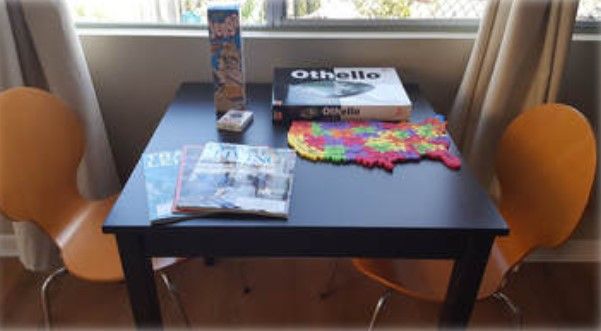
 Activities on-site
 Cable or satellite TV
 Devotional services off-site
 Dining room
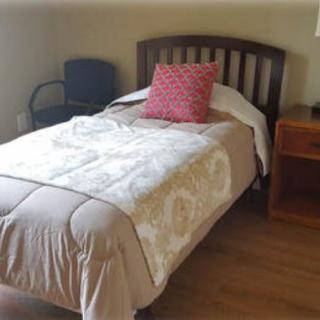
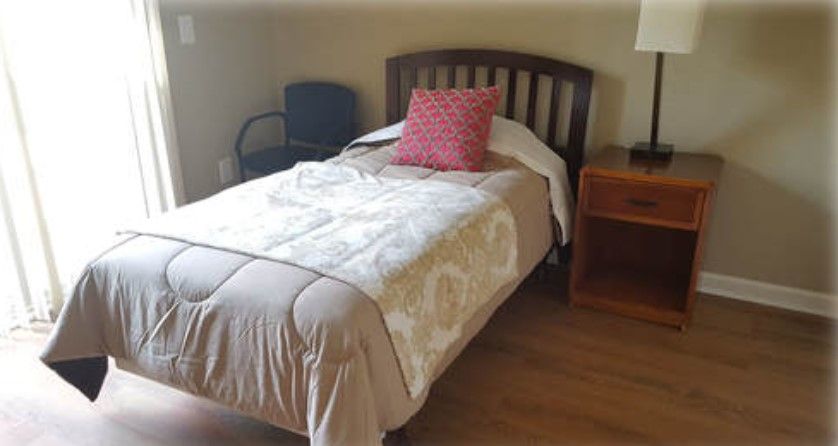
 Fully furnished
 Garden
 Housekeeping services
 Indoor common areas
 Move-in coordination
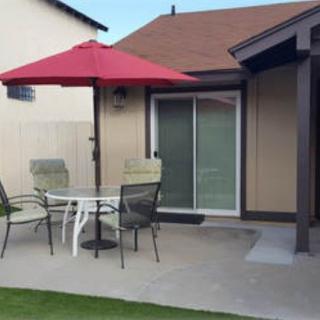
 Outdoor space
 Telephone
 Wi-Fi/high-speed internet available
 San Diego International-Lindbergh (10 miles away)
 24-hour supervision
 Ambulatory care
 Assistance with bathing
 Assistance with dressing
 Assistance with transfers
 Diabetes diet
 Diabetic care
 Meal preparation and service
 Medication management
 Special dietary restrictions
 Transportation arrangement (medical)
 Transportation to doctors appointments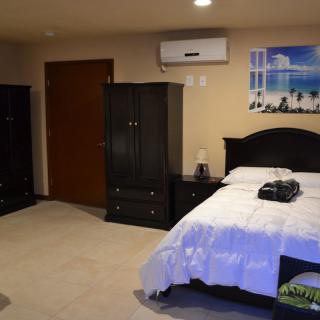




 Choosing the Right Senior Care: A Detailed Exploration of Assisted Living and Nursing Homes
 Understanding the True Cost of Assisted Living in 2025: A Comprehensive Guide
 Understanding Medicaid Coverage for Assisted Living: A Comprehensive Guide