
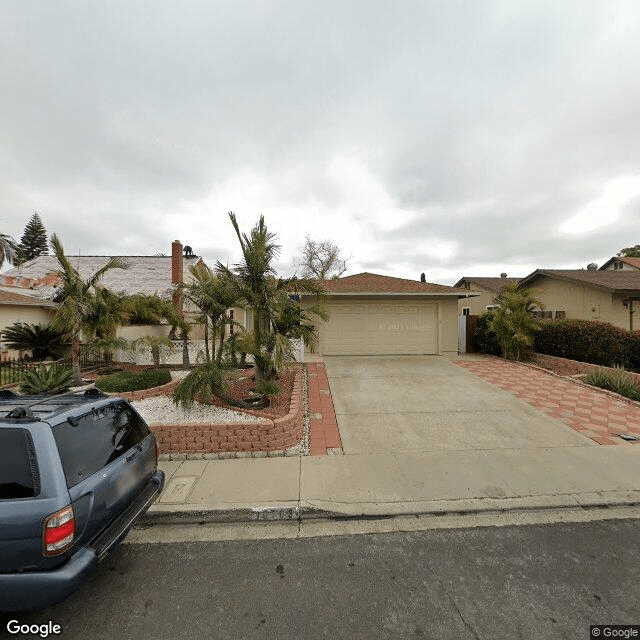
10163 Embassy Way, San Diego, CA 92126
For more information about senior living options: (866) 208-4318
Nir Community I Costs & Pricing
Nir Community I offers competitive pricing for assisted living services, particularly when compared to the broader market in San Diego County and across California. For a semi-private room, residents can expect to pay $1,500 per month, which is significantly lower than the county average of $3,518 and the state average of $3,333. Similarly, those opting for a private room at Nir Community I will find their monthly cost of $2,500 to be more affordable than both the county and state rates of $3,939. This positioning not only reflects Nir Community I's commitment to providing quality care at accessible prices but also highlights its appeal as a financially prudent choice for families seeking assistance for their loved ones.
| Floor plans | Nir Community I | San Diego County | California |
|---|---|---|---|
| Semi-Private | $1,500 | $3,518 | $3,333 |
| Private | $2,500 | $3,939 | $3,939 |
Assisted Living communities with a similar price nearby
-
About the same
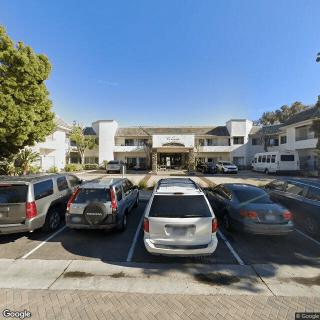
Autumn Senior Living-SOLD
$1,500 to $3,800 / month14.5 miles away -
from +$195 / mo
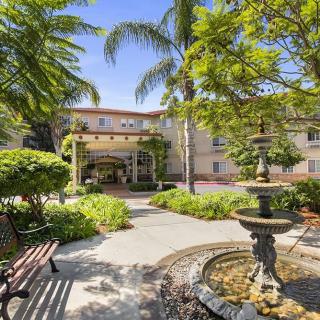
Truewood By Merrill, Oceanside
$1,695 to $4,800 / month20.9 miles away -
from -$200 / mo
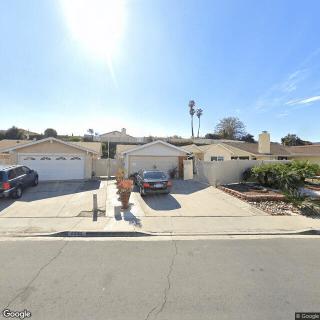
Ambassador Senior Retreat I
$1,300 to $2,000 / month1.2 miles away -
from -$150 / mo
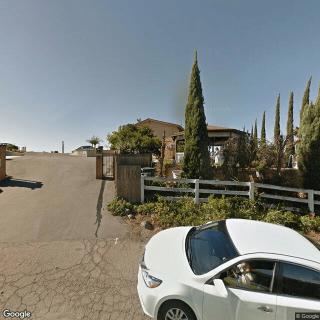
Alta View Manor
$1,350 to $4,500 / month16.9 miles away -
About the same
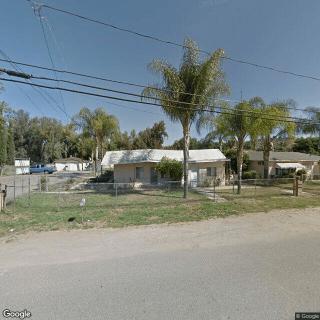
Sunshine Care Home
$1,500 to $1,800 / month12.4 miles away
Overall Review of Nir Community I
Pros
 The staff and owners were kind and loving to residents and their families.
- He was well cared for and his room was always clean.
- Dr. Rahman and Dr. Syeeda are incredibly supportive and caring toward residents and their families.
- They were understanding and helped Mom recover after her fall.
- Mom was eager to return because she liked the doctors and the staff.
- The facility is a smaller, homey place with a personal touch.
- They listen to concerns and continually try to improve things.
- The food is pretty darn good.
Cons
 The reviewer notes that terms like “Rest Home,” “Elderly Care Facility,” and “Nursing Home” are scary for some.
- The transition when his father could no longer live independently was described as a very stressful and confusing time.
- There was uncertainty about where to take him, even though he had insurance.
Review
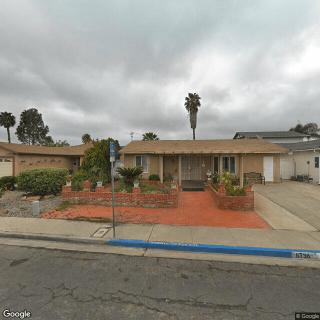
Nir Community I is best suited for families seeking a small, home-like assisted living environment where seniors receive hands-on, compassionate care and a smooth transition into hospice support when needed. The facility sits in a converted house in San Diego, which creates an intimate footprint: a spacious living room, an accessible outdoor patio, and a sense of belonging rather than a sterile, institutional feel. The team, led by Dr. Rahman and Dr. Syeed, blends medical oversight with genuine warmth, turning routine care into a relationship-driven experience. Reviewers consistently highlight staff and owners who are kind, attentive, and genuinely invested in residents’ well‑being, to the point where families feel their loved ones are “at home” rather than merely in a facility. This combination of personal touch and medical attentiveness is the core appeal for this community.
Families should consider alternatives if their expectations include a larger, more resource-rich campus with abundant programming, expansive medical staffing, or a more formalized memory-care pathway. If a resident requires a higher level of 24/7 clinical on-site capability, a more specialized dementia unit in a larger senior-living system, or a facility with extensive group activities and transportation logistics, a bigger operator may deliver a different scale of services. For those prioritizing the most crisp clinical protocols or a highly standardized, corporate experience, Nir Community I may feel too intimate or limited. In short, this community excels in warmth and personalized care, but the trade-off is a smaller staff network and fewer on-site amenities typical of larger homes.
The strongest pros, exceptional staff compassion, physician leadership, and the home-like setting, directly offset the most likely concerns of families choosing a smaller operation. The doctors’ visible involvement and accessibility provide a reassuring medical throughline, especially for residents with chronic conditions such as diabetes or cognitive challenges like Alzheimer’s. Clean, well-kept rooms and a reputation for attentive housekeeping reduce stress for families and reassure them about daily living conditions. The food is described as solid, and the overall atmosphere is welcoming rather than clinical, which matters greatly for comfort and quality of life. The staff’s willingness to listen, address concerns, and implement improvements signals a sustainable commitment that can compensate for the absence of a large, full-service campus.
Where the pros meet their natural limits, the main cons become worth weighing carefully. A small, converted-house setting can restrict the breadth of social programming, structured activities, and the breadth of on-site medical resources that larger communities advertise. Residents with complex medical needs or those requiring intensive 24/7 clinical oversight may find the arrangement less comprehensive than bigger operators. Parking, accessibility, and the physical footprint can also constrain certain care configurations or visitation logistics, though reviewers do not flag these as major barriers. The reality is that Nir Community I invites deep, personal attention, but it does so with a leaner platform than multi-site facilities, which may matter for families seeking a one-stop shop for all senior-care needs.
For decision-makers, the practical takeaway is clear: Nir Community I is a strong fit when a family values intimate, relationship-centered care, direct physician access, and a home-like daily life for someone who needs assistance with self-care or hospice support. Prospective visitors should verify the care plan structure, confirm the staffing model, and ask how hospice coordination works in practice. Inquire about how memory care needs are managed, what emergency protocols exist, and how meals, activities, and outdoor time are scheduled. A nearby location and a non-corporate feel can be decisive advantages for many families, especially those prioritizing comfort, continuity, and caregiver partnerships over institutional scale.
Ultimately, Nir Community I offers a pragmatic, candid option for seniors who benefit from a warm, responsive, family-centered environment with clear medical leadership. It is particularly well-suited for transitions, post-hospital or hospice-involved journeys, where ease of communication with clinicians and a homelike setting can reduce stress for residents and their families. Those seeking a larger campus, broader clinical services, or a more structured memory-care program may want to explore alternatives. For families prioritizing personal attention, ease of access, and a sense of “home,” Nir Community I presents a credible, steady choice with demonstrated care and heartfelt dedication.
 6 resident community capacity
 Assisted Living
 Board and Care Home
 Cable or satellite TV
 Dining room
 Fully furnished
 Garden
 Housekeeping services
 Move-in coordination
 Outdoor space
 Private
 Telephone
 Wi-Fi/high-speed internet available
 San Diego International-Lindbergh (12 miles away)
 24-hour supervision
 Activities of daily living assistance
 Assistance with bathing
 Assistance with dressing
 Assistance with transfers
 Diabetes diet
 Diabetic care
 Meal preparation and service
 Medication management
 Special dietary restrictions
 Transportation arrangement (medical)
 Transportation to doctors appointments

 Understanding the True Cost of Assisted Living in 2025: A Comprehensive Guide
 Understanding Medicaid Coverage for Assisted Living: A Comprehensive Guide
 How and When Medicaid May Cover Assisted Living Costs