

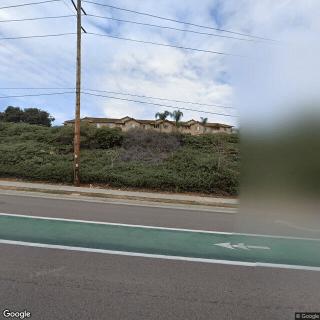
1936 Hornblend St, San Diego, CA 92109
To contact a resident: (858) 581-6400
For more information about senior living options: (866) 208-4318
Overall Review of Lifeline Healthcare
Pros
 They were a good company.
Cons
 They were a little too busy.
Review
Lifeline Healthcare in San Diego is best suited for families seeking a solid, professionally run assisted-living option where governance and consistency matter most, and where residents can be cared for in a dependable, if not ultra-responsive, environment. The community’s core strength lies in operating as a reputable, stable organization with clear routines and steady leadership. For families prioritizing a predictable day-to-day experience, Lifeline Healthcare delivers the kind of structure that minimizes surprises and emphasizes reliable care fundamentals. It’s a fit for those who value legitimacy and consistency in management, and who are comfortable moderating expectations around hands-on speed and personalized attention.
That said, there are clear reasons to explore alternatives. The feedback available centers on a single, recurring theme: the operation feels a touch overextended. The sense that the company is “a little too busy” signals potential strains on responsiveness and capacity. For families that insist on rapid communication, immediate follow-through on requests, or a more intimate, low-traffic atmosphere, Lifeline Healthcare may fall short. Those who need highly personalized care planning, frequent caregiver interactions, or a smaller, more boutique setting might find other options that align more closely with those priorities.
The upside of Lifeline’s busy-but-stable setup is that a well-regulated, reputable operation reduces common risks, missed schedules, lapses in compliance, or inconsistent policy application, because the organization has to maintain standards across many moving parts. Residents can count on basic care routines being carried out with regular oversight by a management team that has the capacity to enforce policy and sustain operations. This translates to reliability in essential services: meals, safety checks, medication administration, and coordinated activities. The trade-off is that those assurances come with a need for patience when seeking quick updates or urgent attention.
For families weighing daily practicality, Lifeline Healthcare can be an excellent match when the priority is a dependable environment over a turbocharged service pace. It suits residents who prefer steady routines, predictable staffing patterns, and a facility where governance reduces risk through established procedures. However, if a resident requires proactive outreach, anticipatory care planning, or rapid escalation of concerns, the busier tempo may create friction. The strength of reliability does not fully compensate for slower responsiveness, and the experience may feel impersonal during peak times when staff are juggling many duties.
To make a confident judgment, prospective residents should pursue concrete assurances about communication and responsiveness. Ask for a defined point of contact for care coordination and a realistic target for response times to inquiries. Tour during peak activity periods to observe how front-desk and caregiving staff manage demand, and request a candid discussion with care managers about typical wait times for routine updates and urgent requests. Inquire about how care plans are reviewed and updated, and seek examples of how the team handles transitions between shifts or changes in a resident’s condition. These specifics reveal whether the operational edge of stability translates into practical, timely care in daily life.
In conclusion, Lifeline Healthcare offers a solid, trustworthy option for families who prize governance, policy continuity, and predictable care routines over a highly responsive, ultra-attentive service model. It is a sensible choice for residents with stable, non-acute needs who value a reputable operator’s consistency and integrity. Those who require rapid, highly personalized interactions or a quieter, less demanding environment should consider alternatives that foreground immediate accessibility and intimate caregiver engagement. The prudent path is to compare experiences across similar communities, demand concrete responsiveness metrics, and schedule a thorough, in-person assessment that probes how a busier operation translates into real-world care.
 San Diego International-Lindbergh (5 miles away)







 Understanding Hospice Care at Home: Comprehensive Services, Key Benefits, and Eligibility
 Understanding the Full Cost of 24/7 In-Home Care: A Detailed Overview
 Exploring the World of Home Health Nurses: Qualifications, Roles, and Hiring Tips