
2555 Hopkins Street, San Diego, CA 92139
For more information about senior living options: (866) 208-4318
Overall Review of Golden Saints Home
Pros
 Calstro Hospice works great with Golden Living.
- They have excellent communication with the executive director and the rest of the team.
- They praise the caregivers and med techs.
- Visitors can feel the love as soon as they walk in.
- The staff are highly professional, delivering quality care.
- The facility is clean and the staff are among the most caring, who communicate well and encourage residents to participate in activities.
- It is one of the best affordable assisted living facilities in San Diego.
- The staff do an amazing job providing care and keeping the building clean.
Cons
 The reviewer feels that their experience does not matter, noting that Scot Forkenbrock has been there almost a year and is ready to leave.
- The reviewer says website pictures do not reflect reality, describing the place as an out-of-control, abandoned-feeling facility where everything is broken and staff are short.
- The reviewer describes staff as inconsiderate, rude and threatening, with night staff being loud and unresponsive to concerns for two years.
- The reviewer laments that their father with dementia was simply placed in front of a window, implying inadequate care.
- The reviewer states the place is brutally disgusting and claims all residents have scabies, indicating a highly contagious, unsanitary environment.
Review
Golden Saints Home in San Diego is best suited for families seeking an affordable, home-like assisted living where frontline caregiving and genuine warmth drive daily life. The setting appeals to residents who are moderately independent but need daily help, and to families who value approachable staff, clean surroundings, and a community that encourages participation in activities. Those prioritizing a tightly controlled, highly structured environment or robust memory-care safety measures should consider alternatives, as the community’s performance on leadership consistency and shift-to-shift reliability appears variable and can impact resident experience.
On balance, the strongest selling points are the people on the floor. Several reviews highlight professionalism and kindness among front-line staff, with caregivers and med techs described as caring, communicative, and capable. A sense of “loving care” shows up immediately for many, and some families report excellent cooperation with the executive director and hospice partners, which can translate into smoother transitions and better coordination of services. Cleanliness, roomy living spaces, nutritious meals, and the ability to navigate out into nearby shops are repeatedly cited as practical positives that support daily life and independence alike.
Yet those positives sit alongside credible, substantive concerns that families should weigh carefully. A portion of reviews characterize the environment as poorly run or disorganized, with reports of short-staffing and aggressive or inconsiderate night staff that disrupt residents’ rest. One account describes a chronic lack of responsiveness from administration that stretched over years, signaling inconsistencies in governance and follow-through. Another ominous claim points to a health-related outbreak, underscoring the need for rigorous infection-control vigilance. Taken together, these contradictions create a reality where quality care can hinge on the luck of the shift and the particular staff member on duty.
These mixed experiences matter most for residents with higher safety or behavioral needs. The consensus that some reviews present, strong caregiver engagement and affectionate, supportive interactions, may offset plenty of daily friction for relatively independent seniors who want affordability without sacrificing warmth. However, conflicts with administration, and attention to night-time disturbances, can erode trust and stability for residents who require predictable routines and a consistently proactive leadership posture. In addition, the implication that a memory-care sensitive resident was placed in a problematic situation is a meaningful warning sign for families evaluating suitability for dementia or high-risk conditions.
Prospective families should approach with a clear, structured due diligence plan. Schedule visits at several times to observe how staff respond to routine questions, emergencies, and resident requests. Speak with the executive director, but also talk directly with front-line caregivers, nurses, and activity coordinators to gauge consistency and morale across shifts. Review current licensing and inspection records, inquire about staff turnover andtraining, and verify infection-control practices and night-time policies. Ask for transparency around hospice coordination, meal quality improvements, and how maintenance requests are tracked and completed, these details often reveal how well the facility manages day-to-day operations when leadership is stretched.
Ultimately, Golden Saints Home can be a practical, budget-conscious option for families who prize warmth, accessible care, and a friendly, home-like atmosphere. Its strongest case rests on staff compassion, clean facilities, and a willingness to coordinate with outside care partners. However, the major caveats, periodic leadership gaps, inconsistent night-time experiences, and the specter of outbreak concerns, mean alternatives should be seriously considered for residents needing steady governance and unwavering safety standards. The decision hinges on balancing genuine personal connection and affordability against the potential for variability in day-to-day management and the impact that has on long-term peace of mind.
 6 resident community capacity
 Assisted Living
 Board and Care Home
 Cable or satellite TV
 Dining room
 Fully furnished
 Garden
 Housekeeping services
 Move-in coordination
 Outdoor space
 Telephone
 Wi-Fi/high-speed internet available
 San Diego International-Lindbergh (8 miles away)
 24-hour supervision
 Activities of daily living assistance
 Assistance with bathing
 Assistance with dressing
 Assistance with transfers
 Diabetes diet
 Meal preparation and service
 Medication management
 Special dietary restrictions
 Transportation arrangement (medical)
 Transportation to doctors appointments





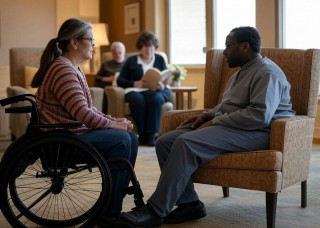 Comprehensive Residential Support and Assisted Living Solutions for Individuals with Disabilities
 Comprehensive Supportive Living Arrangements for Adults with Disabilities
 Funding and Affording Assisted Living: A Thorough Overview