
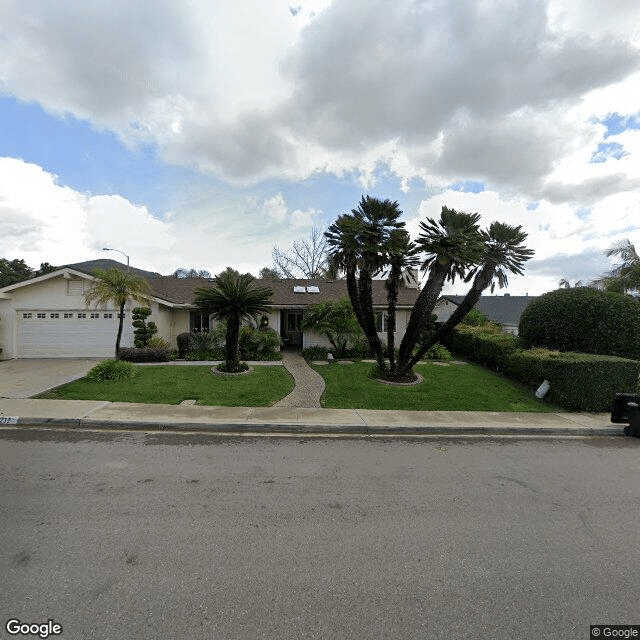
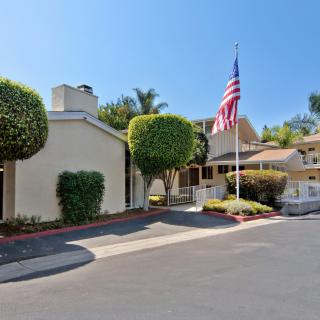
7232 Glenflora Avenue, San Diego, CA 92119
For more information about senior living options: (866) 208-4318
Del Cerro Manor II Costs & Pricing
Del Cerro Manor II offers a private room at a monthly cost of $4,000, positioning it slightly above the average rates in San Diego County and California, both of which stand at $3,939. This pricing reflects not only the quality of care and amenities provided at Del Cerro Manor II but also the competitive nature of the local market. While it is a bit higher than the surrounding averages, residents can expect to receive an enhanced level of service and comfort that justifies this investment in their well-being. In a region where affordability is always a concern, Del Cerro Manor II presents itself as a specialized option for those seeking superior assisted living accommodations amidst the varying costs across the county and state.
| Floor plans | Del Cerro Manor II | San Diego County | California |
|---|---|---|---|
| Private | $4,000 | $3,939 | $3,939 |
Assisted Living communities with a similar price nearby
-
from +$550 / mo
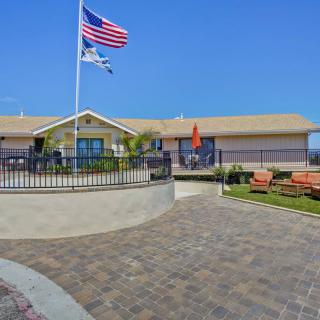
Champine Manor
$4,550 / month24.3 miles away -
from +$300 / mo
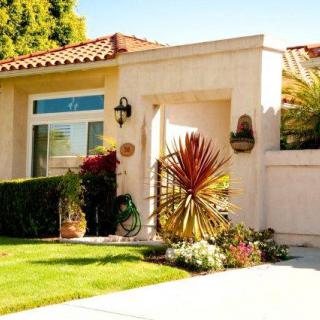
Vintage Residential 1
$4,300 to $5,500 / month9.8 miles away -
from -$500 / mo
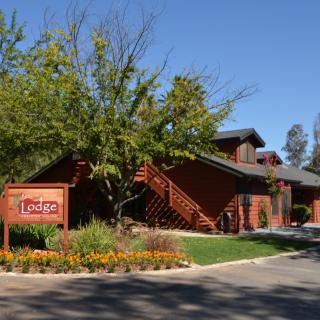
Ramona Senior Lodge Assisted Living
$3,500 to $5,500 / month15.8 miles away -
from -$200 / mo

Casa Primavera
$3,800 to $4,800 / month6.3 miles away -
from +$500 / mo

La Costa Elder Care
$4,500 to $5,000 / month24.5 miles away
Overall Review of Del Cerro Manor II
Pros
 The staff are amazing, caring, and go above and beyond, with quick, reassuring communication when concerns arise.
- The home is clean and meals are made fresh.
- The director is knowledgeable and caring, making residents and families feel at ease.
- Residents and families speak highly of the staff and the welcoming, comfortable setting, including resident-painted paintings on the walls.
- The facility offers accessible bathrooms with showers designed for senior care, including heated showers for comfort.
- A small dog lives on site, and dogs can visit loved ones; dementia and memory care services are available with necessary supports.
Review
Del Cerro Manor II in San Diego is best suited for families seeking a warm, home-like setting where caregivers provide highly personal attention, especially for loved ones who need memory-care support or hospice-aligned care. The environment favors practicality over formality, with staff members who coordinate closely with hospice teams and respond to concerns with timely reassurance. The home atmosphere feels intimate rather than institutional, and the daily rhythm, clean spaces, fresh meals, and thoughtful touches, reflects a genuine emphasis on quality of life. The presence of a small on-site dog and resident-driven art projects signals a culture of companionship and engagement. For families prioritizing hands-on oversight and dependable, compassionate care, Del Cerro Manor II stands out as a natural fit.
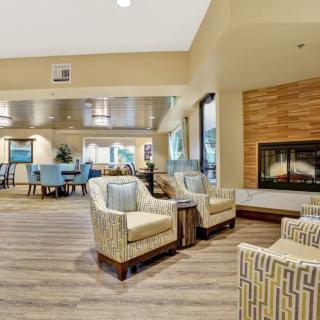
Key strengths revolve around staff reliability and clear communication. Families repeatedly note staff members who go above and beyond, backed by a director described as knowledgeable and caring. This leadership translates into a sense of stability that permeates day-to-day operations, making concerns feel manageable rather than alarming. The aesthetic of the home, carpeted bedrooms, hardwood corridors, and walls that showcase residents’ paintings, supports dignity and familiarity, reducing the stress of transition for both residents and families. Safety and comfort are tangible, with bathrooms designed for ease of use and showers that provide heat, contributing to practical daily routines without fuss. The combination of dementia and memory-care capabilities with accessible, onsite hospice coordination creates a coherent care experience rather than a collection of disjointed services.
Medical and supportive care are anchored by continuous coverage and everyday adaptations. Two staff members on duty 24/7, including overnight care, offer a reassuring cadence that daily life remains stable and responsive. This level of presence is particularly meaningful for families worried about late-night needs or sudden changes in condition. The facility demonstrates readiness to address common medical requirements within aging populations, including oxygen support and swallowing precautions, reinforcing confidence in on-site capability. Hospice on-site coordination further minimizes fragmentation, enabling smoother transitions and clearer communication with medical providers. In practice, this translates into reliable routines, where safety and personal dignity are preserved even as care needs evolve.
There are legitimate trade-offs to consider. The intimate, home-like profile naturally prioritizes personalized attention over the breadth of programming found in larger campuses. For families seeking a wide array of formal activities, extensive campus amenities, or a hospital-style medical footprint, alternative communities may present a more fitting match. Yet these potential gaps are often offset by the advantages of a small, tightly knit team: faster responsiveness, deeper relationships, and a calmer environment that makes transitions easier for residents. With strong 24/7 staffing, direct hospice coordination, and a patient, family-centered approach, the negatives of scale are mitigated by consistency of care and trust in the caregiving relationship.
For families evaluating Del Cerro Manor II, practical steps should focus on firsthand experience and concrete capabilities. Meet the director and care team to observe interactions with residents, and ask for a clear view of staff-to-resident ratios and how memory-care programming is implemented daily. During tours, assess cleanliness, safety features in bathrooms, and the presence of ongoing engagement, such as resident-driven art or music, so the environment aligns with the loved one’s preferences. Confirm that hospice services integrate smoothly with the care plan and verify that medical needs, like oxygen support or swallowing aids, can be accommodated on-site. Given the on-site dog, explore pet policy and potential impact on routines to ensure harmony with a resident’s expectations and needs.
Overall, Del Cerro Manor II presents a pragmatic, compassionate choice for families prioritizing warmth, immediate attentiveness, and specialized support for memory impairment and end-of-life care. It delivers the kind of dependable, human-centered care that reassures families during stressful decisions, with leadership and staff who demonstrate steady competence and empathy. For those whose loved ones require broader programming or more extensive on-site medical infrastructure, it remains essential to compare against larger campuses to confirm the best fit. A thoughtful visit, interacting with staff, experiencing daily routines, and reviewing care plans, will reveal whether this San Diego community reliably aligns with the pace, tone, and reassurance sought in sensitive elder-care decisions.
 6 resident community capacity
 Assisted Living
 Board and Care Home
 Respite Care
 Cable or satellite TV
 Dining room
 Fully furnished
 Garden
 Housekeeping services
 Move-in coordination
 Outdoor space
 Private
 Telephone
 Wheelchair accessible showers
 Wi-Fi/high-speed internet available
 San Diego International-Lindbergh (10 miles away)
 24-hour supervision
 Activities of daily living assistance
 Ambulatory care
 Assistance with bathing
 Assistance with dressing
 Assistance with transfers
 Diabetes diet
 Diabetic care
 Meal preparation and service
 Medication management
 Special dietary restrictions
 Transportation arrangement (medical)
 Transportation to doctors appointments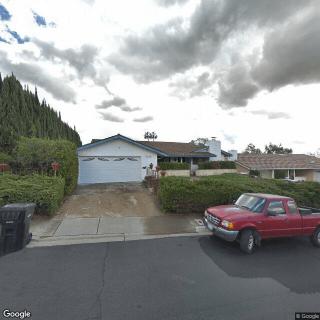


 Beyond the Bingo Hall: 50+ Enriching Activities for Seniors in Assisted Living
 Understanding the Distinctions: Assisted Living and Memory Care Explained
 Guiding Elderly Parents Who Refuse Assisted Living: 6 Practical Steps