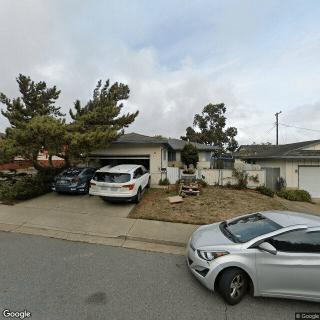
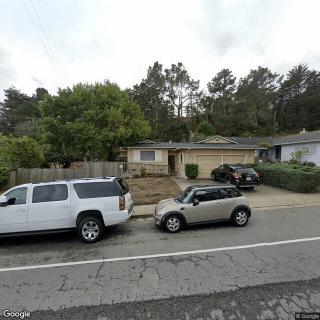
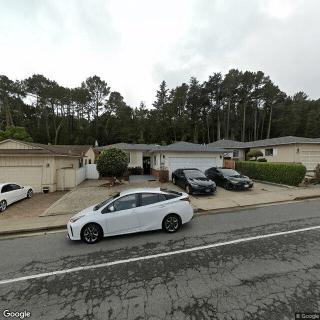
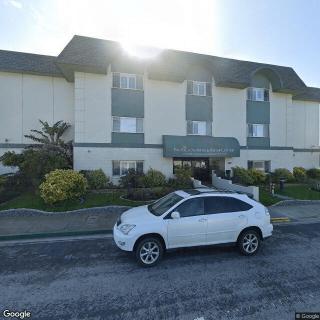
C & C's Care Home

Save
C & C's Care Home

C & C's Care Home

2700 Oakmont Drive, San Bruno, CA 94066

For more information about senior living options: (844) 490-3973

4.5 from 52 reviews
5 stars
42
4 stars
4
3 stars
2
2 stars
0
1 stars
4

Assisted Living Board and Care Home

C & C's Care Home Costs & Pricing

C & C's Care Home offers competitive pricing for its residents when compared to both San Mateo County and the broader California market. For a semi-private room, the monthly cost at C & C's is $2,800, significantly lower than the county average of $3,830 and also more economical than the state average of $3,333. Similarly, for private rooms, C & C's rate of $3,500 stands in stark contrast to San Mateo County's average of $4,281 and is well-positioned against California's state average of $3,939. This makes C & C's Care Home an appealing option for families seeking quality care without incurring excessive costs.

Floor plansC & C's Care HomeSan Mateo CountyCalifornia
Semi-Private$2,800$3,830$3,333
Private$3,500$4,281$3,939

Overall Review of C & C's Care Home

Pros

  • pro The staff are very caring and available when needed.
  • pro The facility is clean, well-maintained, and comfortable for residents.
  • pro Families feel at ease because staff keep them updated and treat residents with respect.
  • pro The Director of Nursing is accommodating, professional, and maintains a positive atmosphere.
  • pro The wound care team is professional and knowledgeable, providing excellent care.
  • pro The on-site kitchen prepares healthy and delicious meals with good variety.
  • pro The activity director and activities provide engaging and enjoyable experiences for residents.
  • pro The facility fosters a family-oriented culture that motivates participation in residents' improvement.

Cons

  • pro The reviewer states that many staff at this facility are rude and neglect patients when help is requested.
  • pro The facility is described as dirty and crowded, with three beds per room and loud nighttime noise.
  • pro The food is described as awful, with breakfast being the exception.
  • pro The discharge process is criticized for poor coordination, including failing to arrange diabetes medication with the Kaiser doctor and discharging the patient prematurely.
  • pro A commenter warns not to bring loved ones here, alleging rude, neglectful staff, dirty conditions, loud late-night noise, and an alleged incident of mistreatment by staff.
  • pro The facility is noted as noisy and crowded, with maintenance items like exhaust fans, better lighting, and courtyard improvements needed.
  • pro Some reviewers label the staff as unprofessional.

Review

San Bruno Skilled Nursing traces a broad spectrum of experiences through the voices of families and residents who have spent time there. Across multiple posts, the thread that stands out is a deep appreciation for the people who work there. Many families recount how the staff - nurses, CNAs, therapists, case managers, cooks, and custodians - took pains to treat loved ones with respect, warmth, and attentiveness. In some cases, the gratitude feels almost personal: a mother forming strong, friendly connections with almost everyone who cared for her, and a spouse who found comfort in the steady, compassionate presence of the team. The recurring sentiment is that, when a facility feels like a community, it can make a difficult period much easier to bear.

One family shares how their wife stayed in the facility for more than a month and experienced care across all departments. They note that every staff member played a role at different times, and that caregivers were consistently caring and available when needed. The poster stresses that the dedication extended beyond routine tasks - staff members were described as going the extra mile to ensure comfort and attentiveness. The couple also advocates for the site to consider adding a recreation room, arguing that a dedicated space for activities would help keep residents engaged regardless of weather or outdoor scheduling constraints. The tone here is constructive and forward-looking: the activities offered are valued, and a new space would enhance the excellent program already in place.

Another voice reflects a resident's perspective: "I stay here now," the writer says, and the staff's care and kindness are evident every day. They describe being asked whether help is needed, even when a simple moment of companionship would suffice, and they appreciate being helped to bed or helped with routines without rushing. The sentiment is one of genuine gratitude for a daily, human connection - the kind of care that makes a residence feel like a safe, comforting home rather than just a facility.

The facility's leadership is singled out by a vendor who visits regularly. Jessie, the Director of Nursing, receives particular praise for her ability to accommodate needs and keep a calm, positive atmosphere. This reviewer notes that Jessie manages a heavy workload with humor and professionalism, never letting stress derail the courtesy or efficiency of service. The tone here is admiring but grounded in real, observable behavior: a DON who balances leadership, accessibility, and a welcoming demeanor, which in turn sets the tone for the entire staff.

Several reviews highlight the care and respect extended to loved ones by the clinical team. A father's family describes being kept up to date with his progress, which provides peace of mind and demonstrates transparent communication. The rooms are described as comfortable and tidy, and while some wishes are voiced - such as more TV channel variety and occasional minor delays when help is requested - the overall impression is positive: the care feels personalized, attentive, and steady, even when small hiccups occur. Grandchildren and parents alike express relief and gratitude, noting patient, gentle nurses and clean, well-maintained spaces that support healing and well-being.

In a similar vein, another review highlights the facility's family-oriented culture and customized care. The writer praises the staff for going beyond the call of duty to ensure visible improvements in residents' well-being. They even assign a "five-star rating for 2025" and emphasize the cohesive teamwork that includes doctors, therapists, case managers, nurses, coordinators, CNAs, and custodians. The overall message: San Bruno Skilled Nursing is a well-managed establishment where the focus on personalized care and family involvement translates into tangible positive outcomes for residents.

The stories of care extend into specific strengths: a grandmother who benefits from patient, gentle nursing care; a kitchen that prepares healthy, delicious meals on site; the on-site therapy teams that help residents regain or maintain mobility; and an activity director who adds a vital social dimension to daily life. Several reviewers note the facility's cleanliness and the ways in which therapy and activity programs contribute to a sense of vitality and purpose for residents. In these accounts, the combination of clinical competence, thoughtful programming, and a nurturing environment coalesces into a strong overall impression of quality care.

Of course, no set of reviews would be complete without some constructive criticisms. A number of writers point to noise and crowding issues, noting that the building can feel crowded at times and that certain maintenance improvements would make a meaningful difference. Suggestions include upgrading exhaust fans in bathrooms, improving lighting, enhancing the courtyard, and expanding gym space to accommodate ongoing therapy without crowding. Food receives mixed feedback in some cases, with praise for soups and overall quality but also suggestions for broader variety and consistency. These voices balance the overwhelmingly positive messages with practical considerations aimed at refining everyday comfort and convenience for residents and families.

Interwoven with these balanced observations is a stark, highly critical outlier that demands careful handling. One reviewer delivers an intensely negative indictment, describing rude behavior, neglect when help is requested, and a dirty environment. The message escalates into a strongly worded admonition against bringing loved ones to the facility and even includes a dramatic, threatening-sounding accusation about staff. This voice is markedly unlike the others in tone and content and clearly represents an extreme negative experience. It stands out as an alarming departure from the otherwise positive or cautiously constructive feedback seen in the majority of reviews. While it's important to acknowledge such extreme experiences, it's also essential to recognize that they appear as a single, highly charged perspective amidst many more positive or mixed assessments.

Taken together, these reviews paint a picture of San Bruno Skilled Nursing as a facility where many residents and families repeatedly highlight the strengths of compassionate, dedicated staff, strong communication, and a generally clean, well-maintained environment. Families repeatedly praise the teamwork of nurses, therapists, and support staff, as well as the leadership of the Director of Nursing. The facility's on-site kitchen, robust rehab services, and activity programming contribute to a sense of vitality and ongoing engagement for residents, even as some improvements - like additional recreation space, better room configurations, and enhancements in lighting and noise control - are suggested. For families weighing options, the prevailing message is that this is a place where genuine care is possible, where staff often go the extra mile, and where the overall experience tends to be positive and reassuring for loved ones in need of skilled nursing care.

Features

Housing

  • 6 resident community capacity 6 resident community capacity

Types of Care

  • Assisted Living Assisted LivingAssisted living facilities provide crucial support and care for seniors who may need help with daily tasks such as medication management, bathing, and meal preparation. These communities offer a safe and comfortable environment where seniors can maintain their independence while receiving the assistance they need to thrive in their golden years.
  • Board and Care Home Board and Care HomeBoard and care homes provide a smaller, more intimate setting for seniors who require assistance with daily tasks but do not need the level of care offered by a nursing home. They offer personalized care, meals, and social activities in a homelike environment, ensuring that seniors receive individualized attention and support in their golden years.

Amenities

  • Activities off-site Activities off-siteEngaging in off-site activities is crucial for seniors to maintain social connections, stay active, and stimulate their minds. It promotes overall well-being and helps combat feelings of isolation and loneliness.
  • Activities on-site Activities on-siteActivities on-site are important for seniors because they provide opportunities for socialization, mental stimulation, physical activity, and overall well-being. Engaging in activities can help seniors stay active, maintain their independence, and improve their quality of life.
  • Cable or satellite TV Cable or satellite TVCable or satellite TV is important for seniors because it provides entertainment, news, and companionship, helping to combat loneliness and boredom. It also offers a wide range of programming options tailored to different interests and preferences.
  • Dining room Dining roomDining rooms are important for seniors as they provide a space for socialization, connection, and nutritious meals. They offer opportunities for residents to bond over shared meals, foster a sense of community, and promote healthy eating habits. Dining rooms also ensure that seniors have access to well-balanced meals tailored to their dietary needs and preferences.
  • Fully furnished Fully furnishedFully furnished senior living communities are important for seniors because they provide convenience, comfort, and a hassle-free moving experience. Seniors can easily settle into their new living space without the stress of having to buy and move furniture. This allows them to focus on enjoying their new home and community.
  • Garden GardenGardens are important for seniors as they provide a peaceful and therapeutic environment for relaxation, physical activity, and socialization. Being in nature has been shown to reduce stress, improve mood, and promote overall well-being. Gardens also offer opportunities for seniors to engage in gardening activities, which can improve mobility, flexibility, and cognitive function. Additionally, gardens create a sense of community and connection with others who share a passion for plants and outdoor spaces.
  • Housekeeping services Housekeeping servicesHousekeeping services are important for seniors because they help maintain a clean and safe living environment, promote independence, and reduce the risk of accidents or illnesses. Additionally, having assistance with household chores can alleviate physical strain and allow seniors to focus on other aspects of their well-being.
  • Indoor common areas Indoor common areasIndoor common areas are crucial for seniors as they provide a space for socialization, recreation, and community engagement, promoting overall well-being and reducing feelings of isolation and loneliness.
  • Move-in coordination Move-in coordinationMove-in coordination is important for seniors because it helps ease the transition into their new living environment. It ensures that all logistics, such as packing, organizing movers, and setting up utilities are taken care of, allowing seniors to focus on settling in and adjusting to their new home. Having a smooth move-in process can alleviate stress and anxiety, making the transition smoother and more enjoyable for seniors.
  • Outdoor common areas Outdoor common areasOutdoor common areas are important for seniors as they provide a space for socialization, physical activity, and relaxation. Being outside in nature can improve mood and overall well-being, while also encouraging movement and engagement with others. These spaces can help combat feelings of isolation and promote a sense of community among residents.
  • Outdoor space Outdoor spaceOutdoor spaces are important for seniors as they provide opportunities for physical activity, social interaction, exposure to natural light and fresh air, and a sense of connection to nature. Having access to outdoor spaces can improve overall well-being and quality of life for older adults living in senior communities.
  • Private PrivatePrivacy is important for seniors as it allows them to maintain their independence, dignity, and sense of control over their own lives. It also gives them the space and freedom to relax, reflect, and engage in activities that bring them joy and fulfillment. Creating private spaces within senior living facilities is crucial for promoting overall well-being and quality of life.
  • Telephone TelephoneTelephones are important for seniors as they provide a lifeline for communication with loved ones, emergency services, and healthcare providers. They offer a sense of security and independence, enabling seniors to stay connected and access assistance when needed.
  • Wheelchair accessible showers Wheelchair accessible showersWheelchair accessible showers are crucial for seniors as they provide a safe and independent bathing option for those with mobility challenges. These showers help prevent falls and allow seniors to maintain their dignity and autonomy while ensuring they can bathe comfortably.
  • Wi-Fi/high-speed internet available Wi-Fi/high-speed internet availableWi-Fi/high-speed internet is important for seniors to stay connected with loved ones, access online resources, and participate in virtual activities to combat feelings of loneliness and isolation. It also allows them to easily manage healthcare needs, access entertainment, and engage in lifelong learning opportunities.

Transportation

  • San Francisco International (5 miles away) San Francisco International (5 miles away)
  • Metropolitan Oakland International (14 miles away) Metropolitan Oakland International (14 miles away)

Care Services

  • 24-hour supervision 24-hour supervision24-hour supervision is important for seniors to ensure their safety, well-being, and access to immediate assistance in case of emergencies or health issues. This constant support provides peace of mind for both seniors and their loved ones, allowing them to age in place with dignity and security.
  • Activities of daily living assistance Activities of daily living assistanceActivities of daily living assistance are important for seniors because they provide essential support with tasks such as eating, bathing, dressing, and mobility. This assistance helps seniors maintain their independence, dignity, and overall quality of life as they age.
  • Ambulatory care Ambulatory care"Ambulatory care services provide essential medical support and treatment to seniors without requiring hospitalization, allowing them to maintain their independence and quality of life while managing chronic conditions or receiving routine medical care."
  • Assistance with bathing Assistance with bathingAssistance with bathing is crucial for seniors as it helps maintain personal hygiene, prevents infections, and ensures their overall well-being and comfort. It also provides a sense of dignity and independence for seniors who may struggle with this task on their own.
  • Assistance with dressing Assistance with dressingAssistance with dressing is important for seniors because it helps maintain their independence, promotes personal hygiene, prevents accidents and injuries, and improves overall quality of life. This service ensures that seniors can continue to dress comfortably and confidently, despite any physical limitations they may have.
  • Assistance with transfers Assistance with transfersAssistance with transfers is crucial for seniors as it helps prevent falls and injuries, maintains their independence, and ensures they can safely navigate their living environment. It also provides peace of mind for both seniors and their loved ones.
  • Coordination with health care providers Coordination with health care providersCoordination with health care providers is crucial for seniors to ensure proper medical care, medication management, and overall well-being. This collaboration helps prevent overlapping treatments, track progress more effectively, and provide comprehensive support tailored to individual needs.
  • Diabetes diet Diabetes dietA diabetes diet is crucial for seniors as it helps manage blood sugar levels, reduce risks of complications, and improve overall health and well-being. By following a balanced and nutritious diet tailored to their specific needs, seniors can better control their diabetes and enhance their quality of life.
  • Diabetic care Diabetic careDiabetic care is crucial for seniors as they are more susceptible to developing diabetes due to aging and other health conditions. Proper management of diabetes can help prevent complications such as heart disease, vision loss, and nerve damage, improving the overall quality of life for seniors in senior living communities.
  • High acuity care High acuity careHigh acuity care is important for seniors because it provides specialized medical attention and support for individuals with complex medical needs. This level of care ensures that seniors receive the appropriate treatment and assistance to maintain their health and quality of life as they age.
  • Incontinence care Incontinence careIncontinence care is essential for seniors to maintain their dignity, hygiene, and overall quality of life. By addressing incontinence issues promptly and effectively, seniors can enjoy a sense of independence and comfort in their daily activities.
  • Meal preparation and service Meal preparation and serviceMeal preparation and service are crucial for seniors as they may have limited mobility or energy to cook nutritious meals. Having access to healthy and convenient food options can ensure they are getting the proper nutrition needed to maintain their overall health and well-being.
  • Medication management Medication managementMedication management is crucial for seniors to ensure they are taking the right medications at the correct dosages and times. This helps prevent adverse drug interactions, reduces the risk of medication errors, and promotes overall health and well-being. Proactive management also allows for adjustments as needed based on changing health conditions or new prescriptions.
  • Special dietary restrictions Special dietary restrictionsSpecial dietary restrictions are important for seniors because age-related changes in metabolism and health conditions can make it difficult for their bodies to process certain foods. By following a diet tailored to their specific needs, seniors can maintain their overall health and well-being, manage chronic conditions, and reduce the risk of complications such as malnutrition or food interactions with medications.
  • Transportation arrangement (medical) Transportation arrangement (medical)Transportation arrangements for medical purposes are essential for seniors as they may have difficulty driving themselves to appointments or accessing public transportation. Having reliable and safe transportation options ensures that seniors can receive timely medical care and maintain their health and well-being.
  • Transportation to doctors appointments Transportation to doctors appointmentsTransportation to doctors' appointments is crucial for seniors as it ensures they have access to necessary medical care and support for their health needs. Without reliable transportation, seniors may struggle to attend important appointments, leading to potential delays in treatment and health complications. Providing transportation services helps seniors maintain their overall well-being and quality of life.
Dining

  • Diabetes diet Diabetes dietA diabetes diet is crucial for seniors as it helps manage blood sugar levels, reduce risks of complications, and improve overall health and well-being. By following a balanced and nutritious diet tailored to their specific needs, seniors can better control their diabetes and enhance their quality of life.
  • Meals provided Meals provided"Meals provided" are crucial for seniors in assisted living communities as it ensures they have access to nutritious, balanced meals without the stress of meal planning and preparation. This can help promote overall health and well-being for seniors who may have limited mobility or cognitive abilities.
  • Special dietary restrictions Special dietary restrictionsSpecial dietary restrictions are important for seniors because age-related changes in metabolism and health conditions can make it difficult for their bodies to process certain foods. By following a diet tailored to their specific needs, seniors can maintain their overall health and well-being, manage chronic conditions, and reduce the risk of complications such as malnutrition or food interactions with medications.

Activities

  • Activities off-site Activities off-siteEngaging in off-site activities is crucial for seniors to maintain social connections, stay active, and stimulate their minds. It promotes overall well-being and helps combat feelings of isolation and loneliness.
  • Activities on-site Activities on-siteActivities on-site are important for seniors because they provide opportunities for socialization, mental stimulation, physical activity, and overall well-being. Engaging in activities can help seniors stay active, maintain their independence, and improve their quality of life.
  • Community-sponsored activities Community-sponsored activitiesCommunity-sponsored activities are important for seniors as they provide opportunities for social interaction, mental stimulation, and physical activity. These activities can help improve overall well-being, combat loneliness and isolation, and promote a sense of belonging and purpose among older adults.
  • Scheduled daily activities Scheduled daily activitiesScheduled daily activities are important for seniors because they provide structure, socialization, mental stimulation, and physical activity. Engaging in regular activities can improve overall well-being and quality of life for seniors living in a community setting.

Description

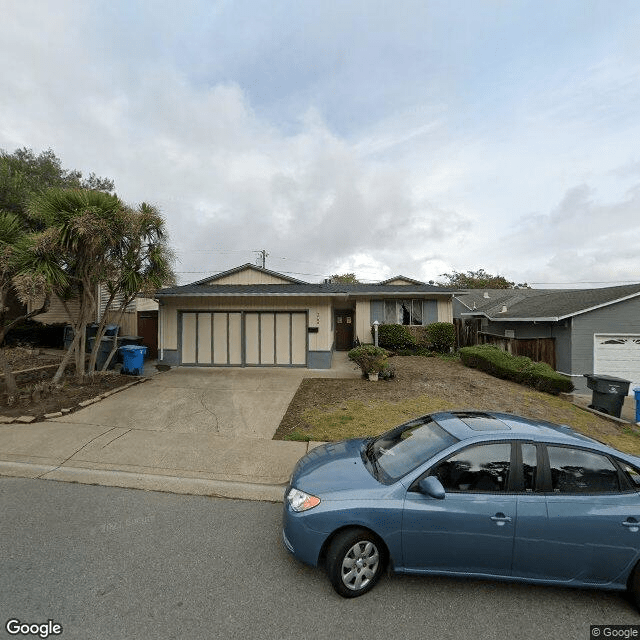
C & C's Care Home, located in the heart of San Bruno, CA, is a compassionate and welcoming assisted living community designed to provide personalized care and support for its residents. As a dedicated board and care home, C & C's offers a nurturing environment where individuals can thrive while receiving assistance tailored to their needs.

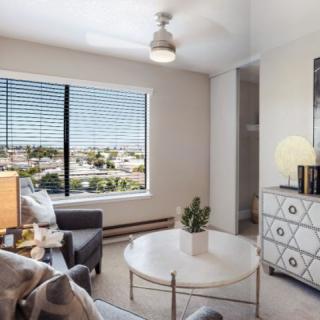
The community boasts a range of modern amenities that enhance the quality of life for its residents. With beautifully furnished private rooms, an inviting dining room, and serene outdoor spaces including gardens, families can feel confident in the comfortable living arrangements. Residents can enjoy activities on-site, engage with fellow community members in indoor common areas, or relax outdoors while staying connected through Wi-Fi/high-speed internet access.

C & C's is committed to meeting the unique requirements of each individual through comprehensive care services. The dedicated staff provides assistance with daily living activities such as bathing, dressing, and transfers while ensuring coordination with healthcare providers. Additionally, specialized services cater to those with diabetes or special dietary restrictions. With a focus on health and well-being, residents benefit from medication management and meal preparation tailored to their needs.

Engagement and socialization are at the forefront of life at C & C's Care Home. Scheduled daily activities as well as community-sponsored events create opportunities for interaction and enrichment, fostering strong connections among residents.

With convenient access to local cafes, pharmacies, restaurants, transportation options, and nearby hospitals, C & C's Care Home ensures that both residents and their families have everything they need within reach.

At C & C’s Care Home in San Bruno, residents are treated not just as individuals but as part of a caring family dedicated to enhancing their everyday lives through comfort, support, and community engagement.

Nearby Places of Interest

Located in San Bruno, California, this neighborhood offers a convenient and diverse array of amenities for seniors looking to settle down. With a variety of restaurants including familiar chains like McDonald's and Taco Bell, as well as local favorites like Mustards and Yankee Pier, there are plenty of dining options to choose from. In terms of healthcare, several pharmacies such as Walgreens and CVS are available within close proximity for easy access to medications. Additionally, hospitals like A & C Convalescent Hospital and Mills-Peninsula Health Services are nearby for any medical needs. For leisure activities, there are cafes like Neighbor's Corner and Andytown Coffee Roasters for socializing, along with theaters like Regal Stonestown Galleria Screenx for entertainment. Outdoor enthusiasts will appreciate the numerous parks in the area such as Fort Funston and Bernal Heights Park for recreation and relaxation. Overall, this neighborhood offers a mix of conveniences and attractions that make it an appealing option for senior living in San Bruno.

Restaurants

  • McDonald's (0.5 miles)
  • In-N-Out Burger (3.5 miles)
  • Taco Bell (3.8 miles)
  • Mustards (3.9 miles)
  • Yankee Pier (4.1 miles)
  • Lark Creek Grill (4.4 miles)
  • In-N-Out Burger (4.9 miles)

Pharmacies

  • Walgreens (0.6 miles)
  • Walgreens (1.7 miles)
  • Kaiser Permanente Pharmacy (1.8 miles)
  • CVS Pharmacy (1.9 miles)
  • CVS Pharmacy (2 miles)
  • Walgreens (2 miles)
  • CVS Pharmacy (2.4 miles)

Transportation

  • Rental Car Center (3.2 miles)
  • San Francisco International Airport (SFO) (3.5 miles)
  • United Global First Lounge (3.8 miles)
  • SFO AirTrain Station - Garage G & BART (3.9 miles)
  • San Francisco International Airport BART Station (3.9 miles)
  • International Terminal G (3.9 miles)
  • Boarding Area F (4 miles)

Cafes

  • San Francisco Giants Clubhouse (4 miles)
  • Neighbor's Corner (8.2 miles)
  • Andytown Coffee Roasters (8.5 miles)
  • Le Marais Bakery (8.6 miles)
  • Sightglass Coffee (8.8 miles)
  • SPRO Coffee Lab (8.8 miles)

Hospitals

  • A & C Convalescent Hospital (4.2 miles)
  • Mills-Peninsula Health Services (5.1 miles)
  • Laguna Honda Hospital & Rehabilitation Center (7.6 miles)
  • Mills-Peninsula Radiology (8.8 miles)

Places of Worship

  • Church of the Epiphany (5.5 miles)

Theaters

  • Regal Stonestown Galleria Screenx, 4Dx, & RPX (6.4 miles)
  • Alamo Drafthouse New Mission (8.4 miles)

Parks

  • Stern Grove Dog Park (6.9 miles)
  • Fort Funston (6.9 miles)
  • Glen Canyon Park (7.1 miles)
  • Holly Park (7.1 miles)
  • Washington Park (7.4 miles)
  • Upper Douglass Dog Park (7.6 miles)
  • Bernal Heights Park (7.6 miles)

Physicians

  • Noe Valley Pediatrics (8.1 miles)
  • California Skin Institute (8.5 miles)
  • Bundy Opticians (8.9 miles)

Frequently Asked Questions

How much does it cost to live at C & C's Care Home in San Bruno, CA?
Where is C & C's Care Home?

Nearby Communities

Related Resources

  • assisted living vs memory careAssisted Living and Memory Care: Understanding Their Core Differences

    Assisted living provides moderate support for seniors seeking independence, while memory care offers specialized support for individuals with dementia or cognitive impairments through structured routines and trained staff. Key differences include care approaches, environment security measures, staff training levels, activity types, and cost considerations.

  • assisted living activitiesBeyond the Bingo Hall: 50+ Enriching Activities for Seniors in Assisted Living

    Assisted living communities offer diverse activities beyond traditional games to enhance seniors' physical health, cognitive well-being, emotional enrichment, and social connections, including fitness classes, creative expression, and intergenerational interactions. These enriching programs foster community bonds and support residents' independence and happiness.

  • assisted living vs memory careUnderstanding the Distinctions: Assisted Living and Memory Care Explained

    The article differentiates between assisted living and memory care, explaining that assisted living supports seniors with daily activities while promoting independence, whereas memory care provides specialized services for individuals with dementia, focusing on secure environments and cognitive support. It also addresses staff training, safety considerations, costs, family involvement, and transition strategies for families navigating these care options.