
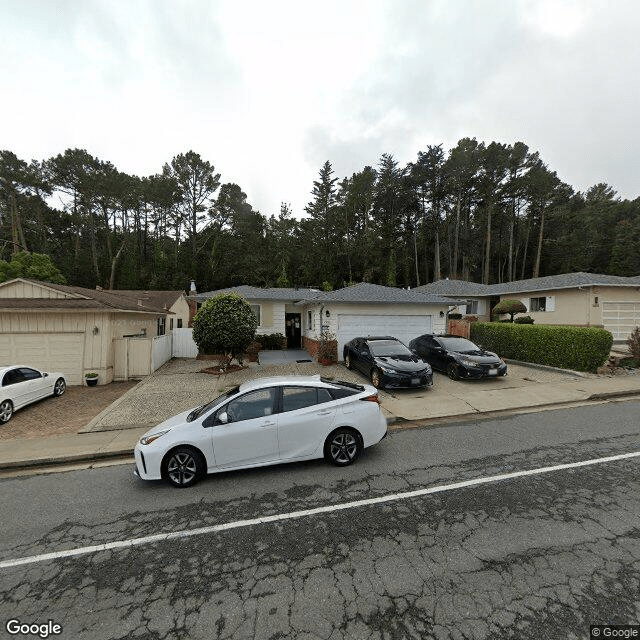
2961 Oakmont Dr, San Bruno, CA 94066
To contact a resident: (650) 872-5070
For more information about senior living options: (866) 208-4318
Samantha's Care Home Costs & Pricing
Samantha's Care Home offers competitive pricing for its residents, particularly when compared to the costs observed in San Mateo County and across California. For a semi-private room, the monthly fee at Samantha's is $2,500, which significantly undercuts the county's average of $3,830 and the state average of $3,333. Similarly, for those seeking more privacy in a private room, Samantha's rate of $3,500 remains favorable compared to San Mateo County's $4,281 and California's overall average of $3,939. This pricing strategy not only makes Samantha's Care Home an appealing option for families seeking quality care without breaking the bank but also reflects a commitment to providing accessible housing solutions in today's challenging economic environment.
| Floor plans | Samantha's Care Home | San Mateo County | California |
|---|---|---|---|
| Semi-Private | $2,500 | $3,830 | $3,333 |
| Private | $3,500 | $4,281 | $3,939 |
Senior living communities with a similar price nearby
-
from +$200 / mo

Home Instead Senior Care
$2,700 to $3,400 / month16.0 miles away -
About the same
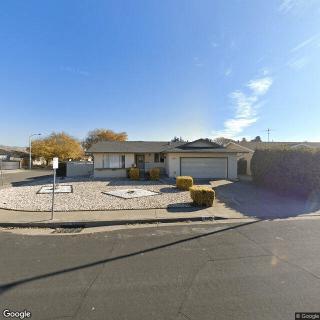
Ava Bella Care Home
$2,500 to $3,000 / month22.2 miles away -
About the same

San Carlos Elms
$2,500 to $5,880 / month14.3 miles away -
About the same
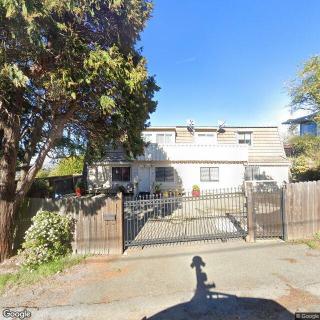
Rose Arbor Senior Care
$2,500 to $4,620 / month23.3 miles away -
from -$200 / mo
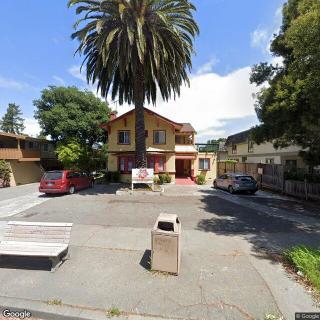
Jla Healthcare Services
$2,300 to $3,200 / month6.6 miles away
Overall Review of Samantha's Care Home
Pros
 They highly recommend the care center.
- They have taken great care of residents.
- They communicate a lot with families.
- They communicate about anything and everything that happens.
- They keep residents clean and provide well-balanced meals.
- They spend time talking to residents and keeping families up to date.
- The environment is clean and free of heavy fragrances when cleaning.
- They treat families like part of the family.
Review
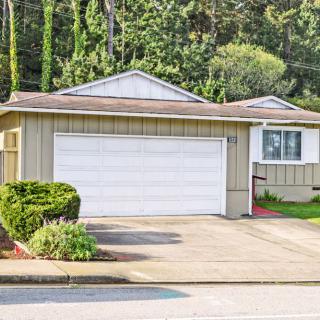
Samantha's Care Home in San Bruno is best suited for families seeking a warm, low-friction assisted-living option where daily care is paired with steady, transparent communication and a clearly home-like atmosphere. The setting appeals to relatives who want to be kept in the loop about every change in health, routine, or meal service, and who prize attentiveness, cleanliness, and a sense of belonging for their loved one. It is particularly well-matched for residents who thrive on personal interaction, regular updates, and a familiar, family-style environment rather than a large, impersonal campus.
Those weighing alternatives should note that this community may not be the right fit for elders needing intensive medical oversight, complex skilled-nursing support, or dementia-specific programming. The reviews emphasize excellent everyday care, meals, and communication, but there is little detail on on-site nursing capacity, wound care, or rehabilitative services. Families seeking expansive activity calendars, robust therapy offerings, or highly specialized memory-care protocols should compare options with facilities that advertise those capabilities front-and-center.
The strongest pro, consistent, candid communication with family members, directly addresses a common vulnerability in home-like settings: uncertainty about day-to-day care. When staff routinely shares what happens, families gain confidence that medical changes, daily routines, and safety issues are being monitored. This transparency is reinforced by a culture of attentiveness: caregivers take time to converse with residents, help them stay engaged, and maintain a clean, orderly environment. The near-universal praise for clean surroundings and a fragrance-free setting further supports comfort and ongoing safety, reducing distractions and potential irritants for sensitive residents.
These advantages offset several typical drawbacks that often accompany smaller, homier facilities. The focus on cleanliness and routine reduces the risk of neglect through ambiguity and helps residents feel secure in a predictable pattern of care. Regular meals described as well balanced contribute to overall health and energy, mitigating concerns about nutritional quality in non-institutional settings. The “family” atmosphere, while deeply positive for emotional well-being, can also set expectations for personalized attention and responsive staff, an alignment that appears to be met in the observed reviews, thereby compensating for uncertainties about program breadth or formal activity scheduling.
However, prospective residents should validate a few practical details during visits. The reviews do not spell out the exact staffing mix, nurse availability, or weekday-to-weekend coverage, nor do they specify the degree of medical oversight or therapy options on site. For residents who require continuous clinical monitoring, frequent medication management, or on-site rehabilitation, confirm whether licensed nursing is available around the clock and what memory-care or behavior-management resources exist. Verifying emergency response times, daily schedules, and the range of social or therapeutic activities will help determine how well the warmth and communication translate into sustained, high-quality daily living.
In the end, Samantha's Care Home stands out for families prioritizing trust, open dialogue, daily cleanliness, and nourishing meals delivered in a supportive, homey setting. It is a practical, advisory choice for elders who value human connection and consistent family involvement, and who are comfortable with a lighter clinical footprint in exchange for a more intimate care environment. For those whose senior needs include advanced nursing care, memory-care specialization, or a broader array of on-site therapies, exploring alternatives with stronger clinical credentials will be prudent. A thoughtful tour, with targeted questions about staffing, medical services, and care plans, will illuminate whether this community truly aligns with the elder’s health trajectory and the family’s expectations.
 Board and Care Home
 Private
 Wheelchair accessible showers
 San Francisco International (5 miles away)
 High acuity care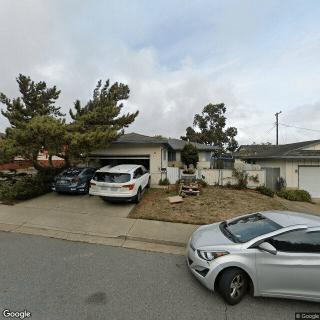
 Comprehensive Exploration of Living Wills and Other Advance Directives
 A Detailed Exploration of Living Wills and Advance Directives
 Comprehensive Guide to Medicare Coverage for Hospice Care