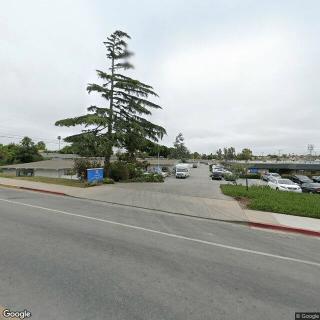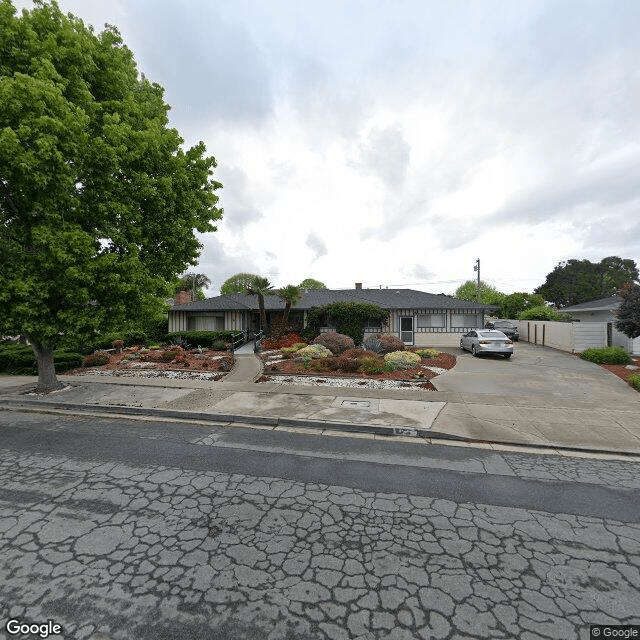
Home Away From Home II in Salinas, CA

Save
Home Away From Home II

Home Away From Home II in Salinas, CA

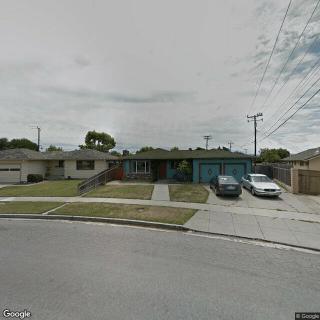
737 San Vincente Avenue, Salinas, CA 93901

For more information about senior living options: (844) 490-3973

5 from 2 reviews
Assisted Living Board and Care Home Memory Care

Home Away From Home II Costs & Pricing

Home Away From Home II offers competitive pricing for its accommodation options, particularly when compared to the broader market in Monterey County and the state of California. For semi-private rooms, residents can expect to pay $3,000 per month, which is notably more affordable than the county average of $3,561 and significantly below the state average of $3,333. Similarly, private rooms at Home Away From Home II are priced at $3,500, again presenting a cost advantage over Monterey County's average of $4,311 and California's statewide average of $3,939. These rates position Home Away From Home II as an attractive option for those seeking quality accommodation without compromising on budget considerations.

Floor plansHome Away From Home IIMonterey CountyCalifornia
Semi-Private$3,000$3,561$3,333
Private$3,500$4,311$3,939

What level of care are you interested in?

Assisted Living

Memory Care

Independent Living

Skilled Nursing Facility

Continuing Care Retirement Community (CCRC)CCRC

Other


Request a tour at Home Away From Home II

    Overall Review of Home Away From Home II

    Pros

    • pro The staff are very friendly and willing to meet the resident's needs to make his stay enjoyable.
    • pro The food is very good, with three hot meals every day.
    • pro The home is highly recommended for anyone needing to place a loved one in a home.
    • pro The owner, Judy, is very sweet, and the staff are wonderful; the home earns five stars.

    Cons

    • pro The number provided is disconnected.
    • pro The father is not inclined to participate in activities.

    Review

    Home Away From Home II in Salinas is best suited for families seeking a compact, home-like assisted living option where a senior can receive highly individualized attention, consistent warmth, and dependable daily meals. This community excels when the priority is a personal touch from staff and a setting that feels more like a well-run family residence than a large institution. It works best for a resident who values responsive, hands-on care, where staff are readily available to address daily needs, and where meals - three hot servings a day - are a standout feature. The appeal here hinges on a comfortable, non-institutional atmosphere paired with a caregiver team that prioritizes accommodating the resident's preferences and routines.

    Those considering alternatives should note that this may not be the right fit for every scenario. If a senior requires a highly structured activity calendar, robust social programming, or advanced medical supervision on a fixed schedule, a larger, more program-driven community could better match expectations. Similarly, families seeking extensive on-site therapy services, formal memory-care programming, or consistent, in-house clinical oversight may find the capacity and resources of a smaller residence limiting. Prospective residents who necessitate transparent, easily verifiable operations - from current contact channels to documented care plans - may also want to compare more formalized options before deciding.

    The strongest positives center on people and service culture. The staff come across as genuinely friendly and devoted, with the owner - Judy - described as very sweet and the caregivers as wonderful. That kind of warmth translates into practical benefits: a willingness to secure whatever is needed to make a resident comfortable, a responsiveness that reduces friction in daily routines, and a personable approach to daily life. In addition, the ability to tailor care around individual preferences means meals, comfort, and routine can be adjusted to suit the resident, which often translates to better overall satisfaction and a sense of security for families.

    Yet, the setting does carry legitimate trade-offs. The most notable drawback, based on the available impressions, is a modest level of publicly visible programming. Activities are not widely documented, and for some families, the lack of a bustling activity calendar could dampen the social aspect of daily life. While staff can and will attend to needs and preferences, the absence of a large, formally structured activity lineup can leave residents who crave constant engagement seeking more opportunities elsewhere. The small-scale operation's strength - personalized attention - also means fewer built-in layers of oversight and fewer systematic programmatic offerings than bigger facilities.

    To make the most informed decision, families should treat an in-person visit as essential. Ask to meet Judy and key staff in a live tour, observe how meals are prepared and served, and gauge whether the daily rhythm feels right for the resident. Confirm current contact information and request a sample care plan that outlines medication management, routine checks, and emergency procedures. Inquire about staff-to-resident ratios, on-call medical support, and how quickly a resident's needs are escalated. It is also wise to discuss dietary accommodations, transportation options for appointments or outings, and any local resources the community coordinates with.

    In the end, Home Away From Home II stands out as a strong option for families prioritizing a warm, home-like atmosphere with highly responsive, compassionate care and reliably good meals. It excels when personalized attention, flexible routines, and a familial feel matter most. This makes it a compelling choice for seniors who thrive on direct access to a small, dedicated team and who do not require an expansive activity schedule or heavy clinical oversight. For families seeking a larger, more structured environment or advanced therapeutic offerings, alternatives with broader programming should be explored alongside this option.

    Features

    Housing

    • 8 resident community capacity 8 resident community capacity

    Types of Care

    • Assisted Living Assisted LivingAssisted living facilities provide crucial support and care for seniors who may need help with daily tasks such as medication management, bathing, and meal preparation. These communities offer a safe and comfortable environment where seniors can maintain their independence while receiving the assistance they need to thrive in their golden years.
    • Board and Care Home Board and Care HomeBoard and care homes provide a smaller, more intimate setting for seniors who require assistance with daily tasks but do not need the level of care offered by a nursing home. They offer personalized care, meals, and social activities in a homelike environment, ensuring that seniors receive individualized attention and support in their golden years.
    • Memory Care Memory CareMemory care is crucial for seniors as it provides specialized support and services for individuals with dementia or Alzheimer's disease. These programs offer a safe and secure environment where residents receive personalized care, cognitive stimulation, and help with daily activities. Memory care helps seniors maintain their independence, quality of life, and dignity while also providing peace of mind for their families.

    Pets

    • Cats allowed Cats allowed"Pet friendly" senior living communities are important for seniors because pets provide companionship, reduce feelings of loneliness and depression, promote physical activity and mental stimulation, and offer a sense of purpose and responsibility. Pets can improve overall well-being and quality of life for seniors in many ways.

    Amenities

    • Cable or satellite TV Cable or satellite TVCable or satellite TV is important for seniors because it provides entertainment, news, and companionship, helping to combat loneliness and boredom. It also offers a wide range of programming options tailored to different interests and preferences.
    • Dining room Dining roomDining rooms are important for seniors as they provide a space for socialization, connection, and nutritious meals. They offer opportunities for residents to bond over shared meals, foster a sense of community, and promote healthy eating habits. Dining rooms also ensure that seniors have access to well-balanced meals tailored to their dietary needs and preferences.
    • Fully furnished Fully furnishedFully furnished senior living communities are important for seniors because they provide convenience, comfort, and a hassle-free moving experience. Seniors can easily settle into their new living space without the stress of having to buy and move furniture. This allows them to focus on enjoying their new home and community.
    • Garden GardenGardens are important for seniors as they provide a peaceful and therapeutic environment for relaxation, physical activity, and socialization. Being in nature has been shown to reduce stress, improve mood, and promote overall well-being. Gardens also offer opportunities for seniors to engage in gardening activities, which can improve mobility, flexibility, and cognitive function. Additionally, gardens create a sense of community and connection with others who share a passion for plants and outdoor spaces.
    • Housekeeping services Housekeeping servicesHousekeeping services are important for seniors because they help maintain a clean and safe living environment, promote independence, and reduce the risk of accidents or illnesses. Additionally, having assistance with household chores can alleviate physical strain and allow seniors to focus on other aspects of their well-being.
    • Move-in coordination Move-in coordinationMove-in coordination is important for seniors because it helps ease the transition into their new living environment. It ensures that all logistics, such as packing, organizing movers, and setting up utilities are taken care of, allowing seniors to focus on settling in and adjusting to their new home. Having a smooth move-in process can alleviate stress and anxiety, making the transition smoother and more enjoyable for seniors.
    • Outdoor space Outdoor spaceOutdoor spaces are important for seniors as they provide opportunities for physical activity, social interaction, exposure to natural light and fresh air, and a sense of connection to nature. Having access to outdoor spaces can improve overall well-being and quality of life for older adults living in senior communities.
    • Private PrivatePrivacy is important for seniors as it allows them to maintain their independence, dignity, and sense of control over their own lives. It also gives them the space and freedom to relax, reflect, and engage in activities that bring them joy and fulfillment. Creating private spaces within senior living facilities is crucial for promoting overall well-being and quality of life.
    • Respite or short term stays offered Respite or short term stays offeredRespite or short term stays provide seniors with a temporary solution when their regular caregiver is unavailable, offering them the opportunity to receive additional care and support during times of need, while also giving caregivers a chance to rest and recharge.
    • Telephone TelephoneTelephones are important for seniors as they provide a lifeline for communication with loved ones, emergency services, and healthcare providers. They offer a sense of security and independence, enabling seniors to stay connected and access assistance when needed.
    • Wi-Fi/high-speed internet available Wi-Fi/high-speed internet availableWi-Fi/high-speed internet is important for seniors to stay connected with loved ones, access online resources, and participate in virtual activities to combat feelings of loneliness and isolation. It also allows them to easily manage healthcare needs, access entertainment, and engage in lifelong learning opportunities.

    Transportation

    • Monterey Peninsula (11 miles away) Monterey Peninsula (11 miles away)

    Care Services

    • 24-hour supervision 24-hour supervision24-hour supervision is important for seniors to ensure their safety, well-being, and access to immediate assistance in case of emergencies or health issues. This constant support provides peace of mind for both seniors and their loved ones, allowing them to age in place with dignity and security.
    • Activities of daily living assistance Activities of daily living assistanceActivities of daily living assistance are important for seniors because they provide essential support with tasks such as eating, bathing, dressing, and mobility. This assistance helps seniors maintain their independence, dignity, and overall quality of life as they age.
    • Ambulatory care Ambulatory care"Ambulatory care services provide essential medical support and treatment to seniors without requiring hospitalization, allowing them to maintain their independence and quality of life while managing chronic conditions or receiving routine medical care."
    • Assistance with bathing Assistance with bathingAssistance with bathing is crucial for seniors as it helps maintain personal hygiene, prevents infections, and ensures their overall well-being and comfort. It also provides a sense of dignity and independence for seniors who may struggle with this task on their own.
    • Assistance with dressing Assistance with dressingAssistance with dressing is important for seniors because it helps maintain their independence, promotes personal hygiene, prevents accidents and injuries, and improves overall quality of life. This service ensures that seniors can continue to dress comfortably and confidently, despite any physical limitations they may have.
    • Assistance with transfers Assistance with transfersAssistance with transfers is crucial for seniors as it helps prevent falls and injuries, maintains their independence, and ensures they can safely navigate their living environment. It also provides peace of mind for both seniors and their loved ones.
    • Coordination with health care providers Coordination with health care providersCoordination with health care providers is crucial for seniors to ensure proper medical care, medication management, and overall well-being. This collaboration helps prevent overlapping treatments, track progress more effectively, and provide comprehensive support tailored to individual needs.
    • Diabetes diet Diabetes dietA diabetes diet is crucial for seniors as it helps manage blood sugar levels, reduce risks of complications, and improve overall health and well-being. By following a balanced and nutritious diet tailored to their specific needs, seniors can better control their diabetes and enhance their quality of life.
    • Diabetic care Diabetic careDiabetic care is crucial for seniors as they are more susceptible to developing diabetes due to aging and other health conditions. Proper management of diabetes can help prevent complications such as heart disease, vision loss, and nerve damage, improving the overall quality of life for seniors in senior living communities.
    • Incontinence care Incontinence careIncontinence care is essential for seniors to maintain their dignity, hygiene, and overall quality of life. By addressing incontinence issues promptly and effectively, seniors can enjoy a sense of independence and comfort in their daily activities.
    • Meal preparation and service Meal preparation and serviceMeal preparation and service are crucial for seniors as they may have limited mobility or energy to cook nutritious meals. Having access to healthy and convenient food options can ensure they are getting the proper nutrition needed to maintain their overall health and well-being.
    • Medication management Medication managementMedication management is crucial for seniors to ensure they are taking the right medications at the correct dosages and times. This helps prevent adverse drug interactions, reduces the risk of medication errors, and promotes overall health and well-being. Proactive management also allows for adjustments as needed based on changing health conditions or new prescriptions.
    • Special dietary restrictions Special dietary restrictionsSpecial dietary restrictions are important for seniors because age-related changes in metabolism and health conditions can make it difficult for their bodies to process certain foods. By following a diet tailored to their specific needs, seniors can maintain their overall health and well-being, manage chronic conditions, and reduce the risk of complications such as malnutrition or food interactions with medications.
    • Transportation arrangement (medical) Transportation arrangement (medical)Transportation arrangements for medical purposes are essential for seniors as they may have difficulty driving themselves to appointments or accessing public transportation. Having reliable and safe transportation options ensures that seniors can receive timely medical care and maintain their health and well-being.
    • Transportation to doctors appointments Transportation to doctors appointmentsTransportation to doctors' appointments is crucial for seniors as it ensures they have access to necessary medical care and support for their health needs. Without reliable transportation, seniors may struggle to attend important appointments, leading to potential delays in treatment and health complications. Providing transportation services helps seniors maintain their overall well-being and quality of life.

    Dining

    • Diabetes diet Diabetes dietA diabetes diet is crucial for seniors as it helps manage blood sugar levels, reduce risks of complications, and improve overall health and well-being. By following a balanced and nutritious diet tailored to their specific needs, seniors can better control their diabetes and enhance their quality of life.
    • Special dietary restrictions Special dietary restrictionsSpecial dietary restrictions are important for seniors because age-related changes in metabolism and health conditions can make it difficult for their bodies to process certain foods. By following a diet tailored to their specific needs, seniors can maintain their overall health and well-being, manage chronic conditions, and reduce the risk of complications such as malnutrition or food interactions with medications.

    Activities

    • Community-sponsored activities Community-sponsored activitiesCommunity-sponsored activities are important for seniors as they provide opportunities for social interaction, mental stimulation, and physical activity. These activities can help improve overall well-being, combat loneliness and isolation, and promote a sense of belonging and purpose among older adults.
    • Scheduled daily activities Scheduled daily activitiesScheduled daily activities are important for seniors because they provide structure, socialization, mental stimulation, and physical activity. Engaging in regular activities can improve overall well-being and quality of life for seniors living in a community setting.

    Description

    Home Away From Home II is an assisted living community located in Salinas, CA. We offer exceptional care and support for seniors in need of board and care home or memory care services.

    Our community provides a comfortable and welcoming environment for residents to call home. Each room is fully furnished, ensuring that residents feel at ease in their personal space. A beautiful garden and outdoor space offer opportunities for relaxation and enjoyment of the outdoors.

    We take pride in offering comprehensive care services tailored to meet the individual needs of each resident. Our dedicated staff provides assistance with activities of daily living, including bathing, dressing, transfers, and ambulatory care. We also coordinate closely with healthcare providers to ensure that residents receive the medical attention they require, including transportation to doctors' appointments.

    Nutrition is a top priority at Home Away From Home II. Our dining room serves delicious meals prepared by our skilled culinary team who can accommodate special dietary restrictions. Residents will have peace of mind knowing that their dietary needs are met.

    Engaging activities are an integral part of life at our community. We offer a range of scheduled daily activities designed to promote mental stimulation, physical wellness, and social interaction among our residents.

    Convenience is another aspect we prioritize for our residents. With cafes, parks, pharmacies, physicians' offices, restaurants, transportation options, and hospitals all nearby, residents have easy access to various amenities and services.

    At Home Away From Home II, we strive to create a warm and supportive environment where seniors can thrive while receiving the care they need. Our dedicated staff is committed to ensuring the comfort and well-being of each resident.

    Nearby Places of Interest

    Located in Salinas, California, this area offers a range of amenities and services that cater to the needs of seniors. With several physicians' offices in close proximity, including Valley Hearing Center and Diabetes Care Center, residents have easy access to medical care. Pharmacies such as CVS and Longs Drugs are also conveniently located for medication needs. In terms of dining options, there are popular restaurants like Elli's Great American Restaurant and Salinas City BBQ nearby. For leisure activities, parks like Tatum's Garden Fully Inclusive Accessible Playground provide opportunities for outdoor recreation. Additionally, there are hospitals such as Salinas Valley Memorial Healthcare System within a short distance for any healthcare emergencies. Overall, this area offers a mix of convenience and recreational options suitable for senior living.

    Physicians

    • Valley Hearing Center (0.6 miles)
    • Workwell Medical Group (0.7 miles)
    • Diabetes Care Center (0.9 miles)
    • Rolando Cabrera Md A M (0.9 miles)
    • Wetzel Matthew - Matthew Wetzel, DDS (1 miles)
    • Salinas Valley Orthopedics & Sports Medicine (1.2 miles)
    • Athena Medical Group (1.3 miles)

    Pharmacies

    • CVS Pharmacy (0.8 miles)
    • Longs Drugs (0.8 miles)
    • AllCare Pharmacy (0.8 miles)
    • Sherman's Apothecary Pharmacy (0.9 miles)
    • Star Pharmacy & Gifts (1 miles)
    • Star Care Pharmacy (1 miles)
    • CVS Pharmacy (1.5 miles)

    Restaurants

    • Elli's Great American Restaurant (0.9 miles)
    • Wienerschnitzel (1 miles)
    • Salinas City BBQ (1 miles)
    • In-N-Out Burger (1.7 miles)
    • Jack In The Box (1.9 miles)
    • Sonic Drive-In (1.9 miles)
    • IHOP (2 miles)

    Transportation

    • Amtrak (1 miles)

    Hospitals

    • Evergreen At Salinas (1.2 miles)
    • Salinas Valley Memorial Healthcare System (1.3 miles)
    • Salinas Surgery Center (1.9 miles)
    • Dr Mary Garren, MD (10.1 miles)
    • Community Hospital Of The Monterey Peninsula (10.4 miles)

    Cafes

    • Starbucks (1.5 miles)
    • Starbucks (7.4 miles)
    • Starbucks (7.8 miles)
    • Starbucks (8.6 miles)
    • Panera Bread (10.1 miles)
    • Starbucks (10.4 miles)
    • Red's Donuts (10.5 miles)

    Parks

    • Tatum's Garden Fully Inclusive Accessible Playground (2 miles)
    • El Dorado Park (3.3 miles)
    • Manzanita County Park (9.2 miles)
    • Fort Ord Dunes State Park (10.2 miles)

    Theaters

    • Century Marina And Xd (8 miles)

    Places of Worship

    • Church of the Good Shepherd (9.3 miles)

    Frequently Asked Questions

    How much does it cost to live at Home Away From Home II in Salinas, CA?
    Where is Home Away From Home II?
    Does Home Away From Home II provide care for residents with dementia or Alzheimer's disease?
    Does Home Away From Home II allow residents to have pets?

    Nearby Communities

    • Faithful Care Home II

      Faithful Care Home II

      Salinas, CA


      pro Personalized, compassionate care in a warm, furnished home with tailored meals and engaging activities.

    • Queen Of Angels II Rcfe

      Queen Of Angels II Rcfe

      Salinas, CA

      3.5 from 2 reviews
       

      pro Personalized, attentive care with tailored activities and meals

    • The Young At Heart Of Salinas

      The Young At Heart Of Salinas

      Salinas, CA


      pro Small, intimate setting with personalized care and comprehensive services.

    • Madonna Gardens Assisted Living & Memory Care

      Madonna Gardens Assisted Living & Memory Care

      Salinas, CA

      4.5 from 20 reviews
      $4,350 / month

      pro Friendly, caring staff with a clean, well-maintained setting and beautiful gardens.

    • Caring Hearts

      Caring Hearts

      Castroville, CA

      5 from 2 reviews
       

      pro Noticeable improvement in well-being with personalized care.

    • Madonna Gardens

      Madonna Gardens

      Salinas, CA

      4.8 from 13 reviews
       

      pro Caring, dedicated staff and an attentive director create a quiet, home-like environment.

    • Ivy Park at Salinas

      Ivy Park at Salinas

      Salinas, CA

      4.5 from 69 reviews
      $3,795 to $5,195 / month

      pro Friendly staff, clean, well-maintained facility with quality meals.

    • Windsor The Ridge Rehabilitation Center

      Windsor The Ridge Rehabilitation Center

      Salinas, CA

      3.9 from 45 reviews
       

      pro 24/7 medical supervision with clean, well-maintained facilities and attentive staff.

    • Carmel Valley Manor

      Carmel Valley Manor

      Carmel, CA

      4.7 from 41 reviews
       

      pro Excellent care with attentive staff, good dining, and a welcoming, active community with well-maintained grounds.

    Related Resources

    • in home dementia care costsEstimating the Expenses of At-Home Dementia Care: A Detailed Exploration

      At-home dementia care expenses vary widely based on care levels, location, and caregiver expertise, with monthly costs for home health aides exceeding $4,500 and specialized care potentially surpassing $100,000 annually. While families favor in-home care for its comfort and personalized attention, they must consider financial planning and the challenges of caregiver fatigue.

    • end stage dementiaComprehensive Insights on the Late Stages of Dementia: What to Expect and How to Provide Care

      The article discusses the late stages of dementia, detailing the progression from mild to severe impairment and highlighting key characteristics such as profound cognitive decline and dependency in daily activities. It emphasizes care strategies focused on comfort and dignity, the importance of advance directives, and the emotional support needed for family caregivers facing this challenging journey.

    • list of drugs linked to dementiaMedications Associated with Dementia Risk: A Comprehensive Overview

      The article examines the link between certain medications and increased dementia risk, particularly in older adults, emphasizing that long-term or high-dose use of anticholinergics, benzodiazepines, and other drug classes can exacerbate cognitive impairment. It calls for careful medication evaluation and shared decision-making to mitigate these risks while managing treatment efficacy.


    Get Pricing Ask A Question Schedule A Tour Contact Senior Advisor