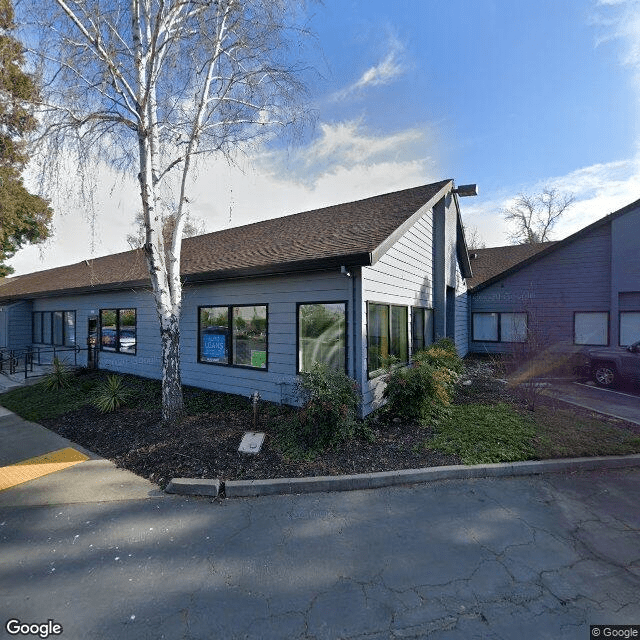
3336 Bradshaw Road, Suite 275, Sacramento, CA 95827
To contact a resident: (916) 671-5777
For more information about senior living options: (866) 208-4318
Overall Review of Senior Helpers - Sacramento/Placer
Pros
 The staff have become like family to the client.
- The caregiver is like a daughter to the client.
- Senior Helpers is very professional.
- The client would give Senior Helpers a high rating and couldn’t ask for anyone better than Sarah.
- The client is grateful for the good people and the program; the results are turning out well.
- Senior Helpers has been a life saver for the client and their father; the staff are professional, caring, and dependable.
- The caregivers are dependable, attentive, and responsible, helping the client live independently.
- The client is glad to have found Senior Helpers; caregivers keep them stocked with food, help with appointments, and provide companionship.
Review
Senior Helpers Sacramento/Placer is best suited for seniors who want to remain in their own home but need dependable, hands-on assistance with daily routines, transportation, meals, and safety oversight. The agency’s performance in these roles is reinforced by a tangible, relationship-based approach: caregivers become familiar faces who support independence while reducing the risk of isolation and daily frustration. The model emphasizes personal responsibility and continuity, elements that matter deeply when managing aging in place. Clients who prize straightforward, practical support delivered with warmth tend to report the strongest outcomes, including a sense of stability at home and confidence that help arrives promptly when needed.
Those who require more than non-medical support should consider alternatives. If 24/7 nursing oversight, complex medical management, memory-care programming, or a built-in community with structured social activities is essential, a licensed home-health provider with nursing staff or an assisted living setting may be more appropriate. The criticisms are not explicit in the reviews, but the nature of in-home care naturally does not replicate a full-service senior living environment. Families seeking a highly regimented schedule, a large caregiving network, or formal clinical care will want to explore options with broader resources and scale.
On the upside, the strongest selling points are clear: caregivers come across as dependable, attentive, and capable of helping with a broad spectrum of daily activities, from standing-by assistance to fall prevention and transportation to appointments. The relationships described with individual staff members, some clients liken caregivers to family, underline the trust and reliability that keep seniors safely in their own space. The owner, Ryan, is portrayed as deeply committed, with an emphasis on safety, dignity, and respectful treatment of both clients and caregivers. This combination creates a practical support system that feels personal, reduces caregiver turnover anxiety, and translates into tangible peace of mind for families.
Still, the system has natural limits. The care is non-medical in focus, so medical tasks, wound care, or intensive clinical monitoring are outside its scope. Scheduling coverage, weekend availability, or rapid deployment of new help can pose challenges for some households, especially during peak demand. While the reviews highlight consistently strong staff, the inherent dependence on a smaller agency means families should confirm how assignments work, what happens if a preferred caregiver is sick, and whether there is access to a backup team. These are logistical realities that any home-based, owner-led operation must navigate.
Where these limitations are most effectively offset is in the trust and continuity that a dedicated owner-run model fosters. Predictable caregivers who know the client’s routines, preferences, and safety triggers reduce confusion and anxiety for seniors and families alike. The ability of the agency to coordinate groceries, rides, and appointment reminders translates into real, daily value, often preventing unnecessary trips to the hospital and supporting independent living longer. The anecdotes about a family-like caregiver dynamic, and the sense that the care team treats clients with dignity, create a foundation that compensates for the narrower scope compared with a full-service facility.
Decision-makers should approach this option with a clear set of criteria: a preference for aging-in-place, a reasonable budget for in-home non-medical care, and a desire for steady, compassionate companionship. Senior Helpers Sacramento/Placer stands out when those criteria align with the home-centric, relationship-driven model described in client feedback. If the need grows beyond non-medical assistance, or if a more structured social environment is required, it is prudent to assess alternatives sooner rather than later. Engage with the team, arrange caregiver introductions, verify scheduling and cost structures, and consider a short trial to confirm that the fit is as strong in practice as it appears in reviews.
 Sacramento International (17 miles away)



 Recognizing the Journey: Understanding and Navigating Anticipatory Grief
 Encouraging Participation in Adult Day Care: A Guide to Supporting a Hesitant Parent
 Comprehensive Exploration of Living Wills and Other Advance Directives