
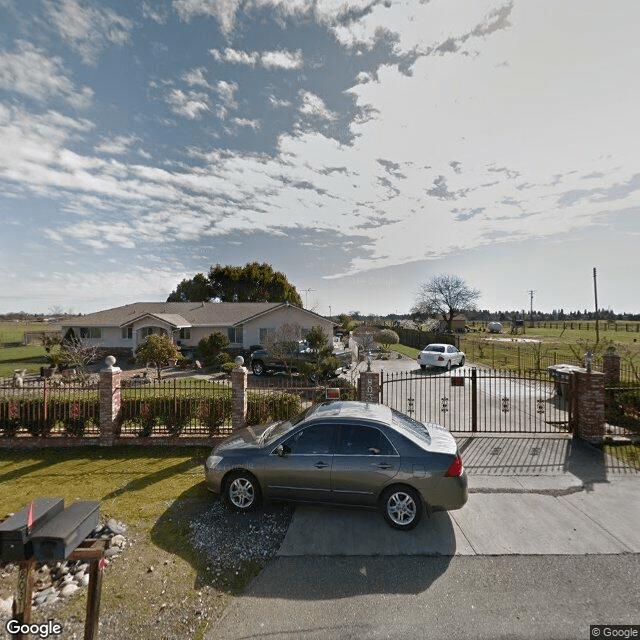
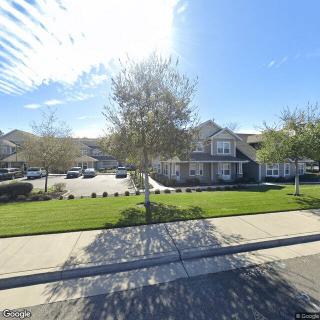
8031 CARMENCITA AVENUE, Sacramento, CA 95829
To contact a resident: (916) 688-1941
For more information about senior living options: (866) 208-4318
Overall Review of Rhomanica Vineyard Care Home
Pros
 The staff provides excellent care for the reviewer’s mother.
- The new management company has done an amazing job with the memory care upgrades and overall improvements to the community.
- The activities keep the reviewer’s mother engaged and focused on her independent needs.
Review
This community is best suited for seniors who need memory-care support without surrendering a sense of independence, and for families that prize hands-on, compassionate caregiving delivered in a layout and atmosphere that emphasize safety and engagement. The Sacramento setting shows a purposeful push toward memory-care excellence, with staff who appear consistently engaged and responsive. The recent management changes are framed as a catalyst for tangible improvement, not merely cosmetic updates. Families seeking a warm, resident-centered environment where daily activities are designed to stimulate cognition and maintain functional independence will likely feel confident in Rhomanica Vineyard Care Home as a solid match.
Those considering alternatives should note a few clear red flags to assess before committing. If the primary need is intensive medical supervision, a larger continuum of medical services, or a setting with more pronounced clinical resources, other communities may be better suited. Similarly, if price transparency and long-term cost predictability are paramount, it is essential to obtain detailed, itemized care plans and payment options up front. While the review highlights strong staff dedication and meaningful programming, prospective movers should verify that the acuity of care, staffing ratios, and reimbursement terms align with expectations for the resident’s current and anticipated needs.
The strongest pro coming through is the depth of staff care. The collective tirelessness of the caregiving team translates into consistent attention to residents’ emotional and physical well-being, reducing the risk of isolation and agitation that can accompany memory challenges. The new management’s focus on memory-care upgrades appears to have practical, day-to-day benefits, structured routines, safer environmental design, and targeted activities, that keep residents engaged and oriented. When staff attentiveness is paired with these upgrades, the result is a caregiving ecosystem where safety, dignity, and purposeful living reinforce one another, offsetting the anxiety that often accompanies memory decline.
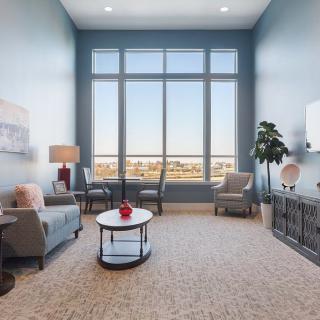
Equally important are the memory-care enhancements themselves. Upgrades are not merely aesthetic; they influence how residents navigate space, participate in activities, and experience transitions within the community. Improved communal areas, clearer wayfinding, and programming tied to cognitive strengths contribute to a calmer, more predictable day for residents. In tandem with attentive staff, these improvements can dampen common triggers of frustration and behavioral issues, making daily life more manageable for both residents and families. The activities that were highlighted as keeping the mother engaged point to a programmatic approach that treats memory care as an active, evolving discipline rather than a passive service.
Pros and any potential cons interact in practical ways. The evident strengths, compassionate caregiving, deliberate memory-care improvements, and engaging programming, tend to justify, in many cases, a higher investment. Yet the absence of detail on pricing, care-plan specificity, and long-term care pathways invites families to do due diligence. The favorable signals suggest that, for residents who can benefit from a memory-focused, activity-rich environment, the tangible daily benefits may outweigh cost considerations, especially when families place a premium on consistent staff relationships and meaningful engagement. Those facts alone don’t erase the need for transparent financial terms; they simply set the frame for a prudent, comparison-driven decision.
In choosing a path forward, a careful visit should confirm three things: the stability of staffing and the degree of continuity a resident can expect, the clarity of memory-care programming and its alignment with the resident’s cognitive profile, and the real-world demonstrations of independence support, such as assistance with activities of daily living without compromising autonomy. For families drawn to a warm, attentive community with visibly upgraded memory-care features, Rhomanica Vineyard Care Home presents a practical, credible option. It stands out for compassionate care and engaged programming, but its suitability depends on matching the level of medical support, financial expectations, and programming depth to the resident’s specific needs. If those align, this community becomes a persuasive, action-ready choice; if not, exploring alternatives with clearer medical capacity or different price structures is advisable.
 Board and Care Home
 Sacramento International (21 miles away)
 Navigating Medicare Coverage for In-Home Care Services
 In-Home Care Costs in 2025: A Detailed State-by-State Exploration
 Understanding Home Health Care: A Comprehensive Guide