
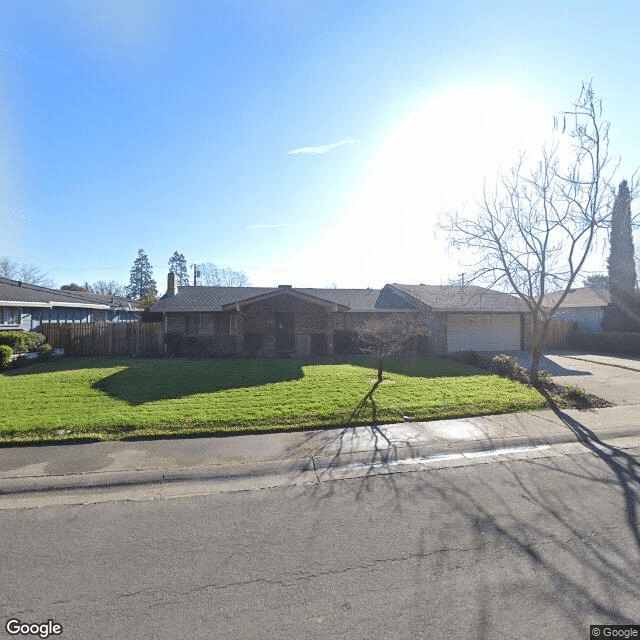
6831 Golf View Drive, Sacramento, CA 95822
For more information about senior living options: (866) 208-4318
Overall Review of Lillie Care Home
Cons
 The facility cared for the father for only one month, during which he developed stage-two pressure sores and a urinary tract infection that caused kidney failure before it was checked.
- The owner ignored requests to have the urine checked for a UTI.
- Instead, the father was put on psychiatric medications for behaviors (a common UTI symptom) and stayed doped up.
- He stopped walking, stopped feeding himself, and slept in his wheelchair all day.
- He was tied to his wheelchair and didn’t get listened to when showing typical signs of a UTI.
- The place should never care for anyone.
- They charged $6,000 a month.
- They tried to feed residents hot dogs and chips when they couldn't swallow.
- The reviewer had to give at least one star to post, but believes minus stars would be more accurate.
Review
Lillie Care Home in Sacramento is best considered by families who must operate on a very tight budget and are prepared to accept a substantial risk of substandard care. This community appears to attract those facing limited options, where cost savings are prioritized over robust clinical oversight and attentive daily support. The practical reality is stark: the data available from current reviews point to serious safety concerns and inconsistent quality of care, making this a choice that should only be entertained after every other option has been thoroughly explored and ruled out. For most families, the prudent move is to look elsewhere first, reserving this option only for the absolute last resort.
Explicitly, families who require reliable medical oversight, prompt infection management, proper nutrition, and respectful daily handling should consider alternatives. Those with loved ones who have mobility limits, risk of pressure injuries, urinary problems, or cognitive or behavioral challenges will want facilities with transparent care plans, regular medical rounds, and staff trained to respond quickly rather than sedate or overlook symptoms. In practice, the absence of consistent clinical monitoring promises escalated health risks. If time allows, visiting other communities to compare staffing, medical protocols, and meal quality will be time well spent before committing to a short-list option.
Pros in the data are sparse. A lone 5-star rating hints at occasional positive experiences, possibly from a resident or family who encountered a different shift or moment in care. But there is no credible, consistent record of reliable outcomes. The overwhelming signal across reviews is of neglect and insufficient health oversight. When the most serious allegations include ignored UTIs, progression to kidney failure, unnecessary sedation, and residents being restrained or left inactive, any perceived savings are dwarfed by the risk of harm. The lack of robust, repeatable positives cannot be ignored; potential upsides do not meaningfully offset the fundamental safety and dignity concerns.
One account describes a pattern that should trigger immediate red flags: a loved one developed stage two pressure sores and a urinary tract infection that progressed to kidney failure before it was adequately checked. The family alleges the urine test was ignored, and instead the person was placed on psychiatric medications to manage behaviors, with the patient “doped up” and largely unable to move, eat, or participate in daily life. Another critical detail is the reported confinement to a wheelchair and the failure to respond to warnings about typical UTI symptoms. In addition, the monthly cost, listed at $6,000, came with meals that reportedly included hard-to-swallow items like hot dogs and chips, which raises concerns about the facility's nutritional and feeding oversight. The total picture is incompatible with the level of care expected in a community that claims to prioritize residents’ well-being.
Decision guidance centers on verification and risk assessment. Prospective families should insist on speaking with the administrator and asking for recent medical incident reports, staffing schedules, and care plans tailored to current health needs. Request a formal health assessment for the loved one, a documented nutrition plan, and evidence of regular nurse or hospice oversight. If possible, an independent care consultant or geriatrician should observe the facility and health records before any commitment. Check licensing status, complaint history, and state-inspector notes; verify whether there are active variances or enforcement actions. Finally, demand trial periods and transparent disclosure, no long-term contracts until confidence in care quality is proven.
The conclusion is clear: for a family prioritizing safety, timely medical response, and respect, Lillie Care Home is not a reliable choice. Alternatives with stronger clinical oversight, transparent reporting, and proven tracks of attentive care should be pursued first. If budget constraints dictate consideration of lower-cost options, those should still meet basic standards for medical monitoring, nutrition, and resident dignity. In the end, when the health and dignity of a loved one are at stake, a facility with consistent, accountable care trumps price every time.
 6 resident community capacity
 Assisted Living
 Board and Care Home
 Cable or satellite TV
 Dining room
 Fully furnished
 Garden
 Housekeeping services
 Move-in coordination
 Outdoor space
 Telephone
 Wi-Fi/high-speed internet available
 Sacramento International (14 miles away)
 24-hour supervision
 Activities of daily living assistance
 Assistance with bathing
 Assistance with dressing
 Assistance with transfers
 Diabetes diet
 Meal preparation and service
 Medication management
 Special dietary restrictions
 Transportation arrangement (medical)
 Transportation to doctors appointments
 Excellent access to healthcare, dining, and parks nearby.







 Comprehensive Supportive Living Arrangements for Adults with Disabilities
 Funding and Affording Assisted Living: A Thorough Overview
 Assisted Living Expenses and Long-Term Care Insurance: A Comprehensive Exploration