
14 Ararat Ct, Sacramento, CA 95831
For more information about senior living options: (866) 208-4318
Later Years Senior Care Home Costs & Pricing
Later Years Senior Care Home offers a competitive pricing structure for its private room accommodations, with a monthly cost of $1,646. This figure stands in stark contrast to the average costs in Sacramento County, which is approximately $3,686 per month, and even more so when compared to the broader California state average of $3,939. Such a favorable rate not only makes Later Years an attractive option for families seeking affordable senior care but also highlights the home's commitment to providing quality care without compromising on comfort and amenities. This pricing strategy may resonate well with budget-conscious families seeking reliable support for their loved ones while ensuring they receive the necessary attention and care in their later years.
| Floor plans | Later Years Senior Care Home | Sacramento County | California |
|---|---|---|---|
| Private | $1,646 | $3,686 | $3,939 |
Assisted Living communities with a similar price nearby
-
from -$146 / mo

Flora Care Home
$1,500 to $2,000 / month15.9 miles away -
About the same
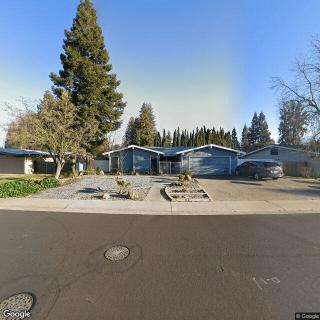
Gormley's Retirement Home
$1,600 to $2,400 / month10.4 miles away -
from +$154 / mo
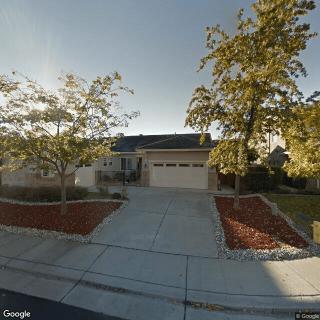
Bonita Home Care
$1,800 to $2,500 / month22.4 miles away -
from -$132 / mo
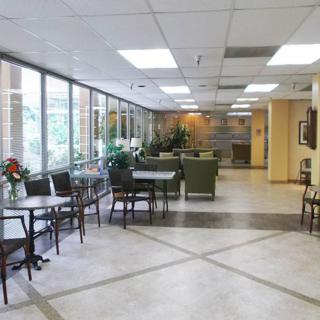
Pioneer House
$1,514 to $2,468 / month5.6 miles away -
from +$154 / mo
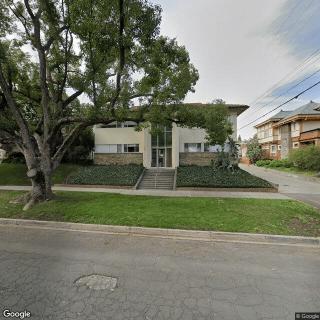
Ivy Ridge Retirement Home
$1,800 to $2,500 / month5.4 miles away
Overall Review of Later Years Senior Care Home
Pros
 Test was great.
- She took extra time to care for my mother.
- She also kept the whole family updated with text messages and pictures.
Cons
 She was having anxiety about being in a new place.
Review
Late Years Senior Care Home in Sacramento is best suited for families seeking a small, intimate setting where caregivers invest meaningful time with each resident and keep relatives closely informed. The standout value is a person-centered approach that treats the newcomer’s transition with care, aiming to reduce anxiety about new surroundings. For seniors who thrive with a homelike environment rather than a sprawling campus, this community offers a reassuring, hands-on style. The Sacramento location means familiar surroundings and accessible family involvement, with staff that prioritize direct interaction over a one-size-fits-all schedule. This makes it a strong match for residents who benefit from predictable routines, individualized attention, and steady, transparent communication with loved ones.
Those who may want to consider alternatives are likely to be families prioritizing robust medical oversight, specialized memory care, or a broader network of activities and social opportunities. If a resident requires consistent nursing supervision, more structured programs, or a larger community with abundant on-site amenities, other assisted living options could better meet those needs. The review base is limited, so decision-makers should validate whether the setting can accommodate changing health conditions, mobility needs, and the level of daily support expected as care evolves. In short, this community excels in warmth and communication but may not be the default choice for every level of clinical requirement.
From the available account, the care provider demonstrated considerable dedication. Extra time was devoted to the mother, addressing anxiety about the move and helping the family navigate the transition. The ability to individualize care appears to translate into tangible peace of mind for relatives, who appreciated not only the direct attention but also the ongoing updates. Text messages and pictures served as frequent, reliable touchpoints, turning concern into confidence. In practical terms, these behaviors reduce the stress associated with relocation and foster trust, which matters deeply when a senior is adjusting to a new living situation.
However, the strength of a single positive report comes with limitations. The absence of broader data leaves gaps around daily programming, meal quality, social engagement, and the scope of medical support. The size of the operation is unknown, making it harder to gauge staff-to-resident ratios or the pace at which emergencies are addressed. Prospective buyers should seek specifics on activities, transportation options, dietary accommodations, and how the team handles evolving care needs as health status changes. A tour and a list of references would help separate first impressions from long-term reliability, ensuring expectations align with reality.
Still, the core advantages, personalized attention, steady family communication, and a calm approach to relocation, often offset the uncertainties identified above when those factors matter most. For families prioritizing emotional reassurance and a transparent care narrative, this setting offers a compelling combination. The ability to see a resident thrive through slower transitions and to receive regular family updates provides real value in decision-making, reducing the fear of abandonment or invisibility in care. That balance tends to favor shorter-term comfort and continuity, even if it means trading off some scale and breadth of services.
Bottom line: this community is a strong candidate for seniors who value individualized care and open lines of communication more than a vast activity calendar or extensive medical supervision. It is well-suited for families who want reassurance during the move and who are comfortable with a smaller, high-touch operation. Those needing comprehensive memory care, aggressive medical management, or a bustling social scene should explore alternatives with broader programming. A direct visit, questions about staffing, and a clear care plan will confirm whether Later Years Senior Care Home aligns with the resident’s needs and the family's expectations.
 6 resident community capacity
 Assisted Living
 Board and Care Home
 Cable or satellite TV
 Dining room
 Fully furnished
 Garden
 Housekeeping services
 Move-in coordination
 Outdoor space
 Telephone
 Wi-Fi/high-speed internet available
 Sacramento International (14 miles away)
 24-hour supervision
 Activities of daily living assistance
 Assistance with bathing
 Assistance with dressing
 Assistance with transfers
 Diabetes diet
 Meal preparation and service
 Medication management
 Special dietary restrictions
 Transportation arrangement (medical)
 Transportation to doctors appointments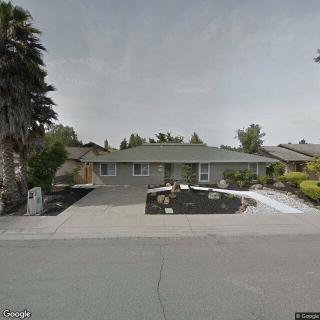



 When to Transition from Assisted Living to Memory Care: Key Indicators, Steps, and Finding the Right Community
 Assisted Living and Memory Care: Understanding Their Core Differences
 Beyond the Bingo Hall: 50+ Enriching Activities for Seniors in Assisted Living