

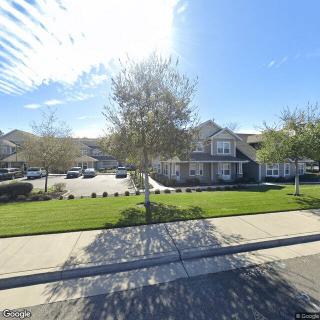
7710 Elsie Avenue, Sacramento, CA 95828
To contact a resident: (916) 682-5409
For more information about senior living options: (866) 208-4318
Golden Home Costs & Pricing
At Golden Home, the monthly cost for a private room is set at $4,500. This figure exceeds both the average rates in Sacramento County, which stands at $3,686, and the broader state average of $3,939. While this pricing may reflect a premium offering that could include enhanced services or additional amenities, it's important for prospective residents and their families to weigh these costs against the value and quality of care provided. Understanding these financial dynamics can help ensure that they make informed decisions about long-term housing options in the area.
| Floor plans | Golden Home | Sacramento County | California |
|---|---|---|---|
| Private | $4,500 | $3,686 | $3,939 |
Senior living communities with a similar price nearby
-
About the same
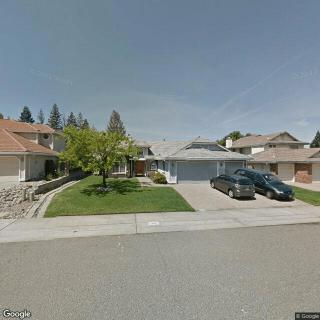
Montclair Villa
$4,500 / month24.0 miles away -
from +$500 / mo

Bethesda Senior Care
$5,000 / month17.0 miles away -
from +$500 / mo
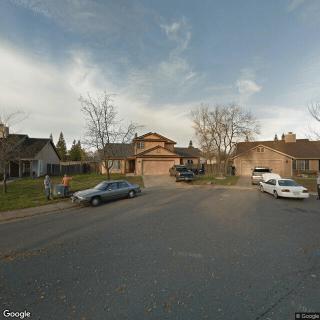
Friendly Care Home II
$5,000 / month17.8 miles away -
from -$500 / mo
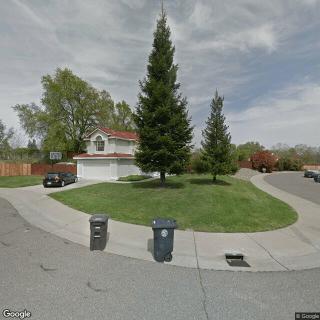
Sungarden Villa II
$4,000 / month17.3 miles away -
About the same
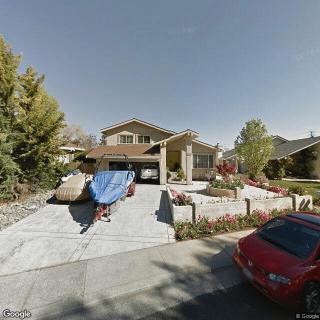
Sunriver Senior Care
$4,500 / month13.2 miles away
Overall Review of Golden Home
Cons
 The facility neglected care, allowing stage two pressure sores and a urinary tract infection that led to kidney failure before it was checked.
- The owner ignored requests to test for a UTI and instead kept the resident on psychiatric medications, leaving him sedated.
- The resident stopped walking and feeding himself and spent all day sleeping in a wheelchair.
- The staff tied the resident to his wheelchair and ignored obvious signs of a UTI.
- The facility charged $6,000 per month while offering inadequate meals, such as hot dogs and chips, to residents who couldn’t swallow.
- The reviewer believes the facility should never care for anyone.
Review
Golden Home in Sacramento is best suited for families who must stretch a budget and can supervise care personally, because the available reviews paint a picture of serious gaps in medical oversight and daily safety. This community does not appear appropriate for seniors who rely on consistent, attentive care for medical conditions, wound management, and safe mobility. For residents with fragile health, chronic conditions, or any risk of infection, alternatives with licensed nursing staff, regular physician oversight, and stronger safety protocols are strongly advised. In short, this is a option to consider only if cost is the overriding concern and active family involvement is guaranteed.
There is a lone five-star endorsement in the mix, but it sits against a troubling tide of negative experiences. The positive review cannot be taken as a counterweight to the broader pattern described by other families, and it offers little shield against the concerns raised by the majority. What matters for decision-making is the consistency of care, not an outlier impression. The absence of corroborating positive experiences in the available feedback makes the overall impression decisively risky for anyone counting on reliable medical and daily living support.
The most damaging issues center on medical neglect and supervisory failures. The narrative describes stage II pressure sores developing while under care, a urinary tract infection that allegedly went unchecked until it worsened into kidney failure, and a reliance on psychiatric medications rather than addressing evident medical symptoms. The account notes residents being doped and unable to walk, feed themselves, or engage in activities, with one resident reported as being tied to a wheelchair. When concerns about a potential UTI were raised, they were reportedly ignored. This constellation of problems speaks to a systemic vulnerability in how health needs are identified and acted upon.
Cost intensity compounds the risk. The reviewer cites a monthly charge of $6,000, which, in light of the care failures described, translates into a very high price for care that lacks reliable medical monitoring and basic safety practices. The combination of high price and poor outcomes makes the value proposition extraordinarily unfavorable. Additionally, the critique about inappropriate food choices, feeding hot dogs and chips to residents who cannot swallow, highlights a disregard for basic nutritional safety. When medical and nutritional oversight appears inconsistent, price alone cannot justify staying in place.
Even where a potential pro exists, cost, the cons overwhelmingly negate any apparent value. The few strengths that could theoretically offset the deficits would require concrete improvements: transparent, consistent medical oversight; prompt, proactive management of infections and wounds; staff trained to recognize and respond to medical signals rather than relying on psychotropic sedation; and strict, person-centered feeding and safety protocols. Without these, the facility remains a high-risk option. Families weighing Golden Home should demand robust assurances: clear care plans, regular physician visits, documented safety protocols, and candid reporting of any adverse events before considering residency.
For families pursuing a decision, the prudent path is clear. Prioritize facilities with verifiable medical staffing, active wound and infection management, and strong infection control practices. Ask pointed questions about staff-to-resident ratios, on-site nursing availability, and how UTIs and other illnesses are monitored and treated. Request to review caregiver training records, incident reports, and recent state inspections. Underscore the need for dietary protocols aligned with residents’ swallowing abilities and nutritional needs. In short, Golden Home should be viewed with substantial caution; alternatives that demonstrate reliable medical oversight, transparent communication, and demonstrable resident safety are the recommended course of action for any senior with ongoing health needs.
 Board and Care Home
 Private
 Private bathrooms
 Wheelchair accessible showers
 Sacramento International (18 miles away)
 Diabetic care
 High acuity care
 Incontinence care
 Medication management
 Strong Wi-Fi connectivity and personalized care with customized meals.





 Understanding Hospice Care at Home: Comprehensive Services, Key Benefits, and Eligibility
 Understanding the Full Cost of 24/7 In-Home Care: A Detailed Overview
 Exploring the World of Home Health Nurses: Qualifications, Roles, and Hiring Tips