
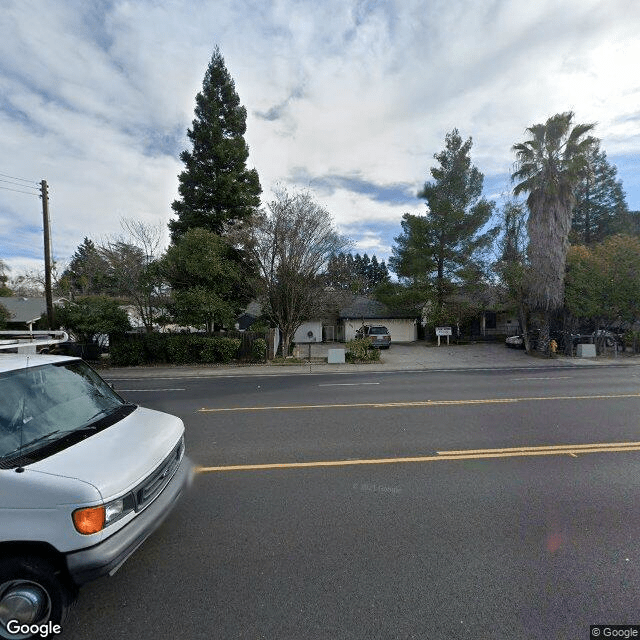
3030 Eastern Ave, Sacramento, CA 95821
To contact a resident: (916) 359-0934
For more information about senior living options: (866) 208-4318
Cajucom Care Home Costs & Pricing
Cajucom Care Home offers competitive pricing in the realm of assisted living, with monthly costs significantly lower than both Sacramento County and the broader state of California. For those interested in semi-private accommodations, Cajucom's rate stands at $1,500, a striking contrast to Sacramento County's average of $3,106 and California's average of $3,333. When looking at private rooms, Cajucom charges $1,800, which again is well below the $3,686 charged by Sacramento County and the state average of $3,939. This pricing structure not only makes Cajucom Care Home an attractive option for families seeking quality care but also reflects a commitment to providing accessible support services in a nurturing environment.
| Floor plans | Cajucom Care Home | Sacramento County | California |
|---|---|---|---|
| Semi-Private | $1,500 | $3,106 | $3,333 |
| Private | $1,800 | $3,686 | $3,939 |
Senior living communities with a similar price nearby
-
About the same
Flora Care Home
$1,500 to $2,000 / month3.4 miles away -
from +$100 / mo
Gormley's Retirement Home
$1,600 to $2,400 / month14.2 miles away -
from +$45 / mo
Park Folsom
$1,545 to $1,760 / month11.7 miles away -
from +$130 / mo
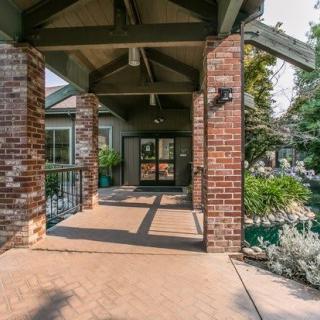
The Atrium at Carmichael
$1,630 to $2,380 / month2.3 miles away -
from +$185 / mo
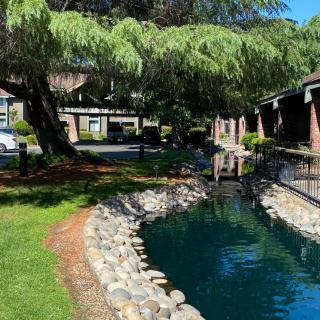
Pacifica Senior Living - Citrus Heights
$1,685 to $2,410 / month5.6 miles away
Overall Review of Cajucom Care Home
Pros
 Eastern Manor was the perfect place for mom.
- Maria and Emma are angels, and their staff took the best care of mom during her stay.
- The facility was clean and all the residents seemed to be receiving great care.
- The staff were very caring and fully dedicated to their roles as caregivers for the residents.
- Maria, Emma, Junior, Christina, and Lisa took very good care of him and treated him with respect and dignity, even during times when he was being very difficult.
- The environment at Eastern Manor was family-like, which was perfect for him.
Review
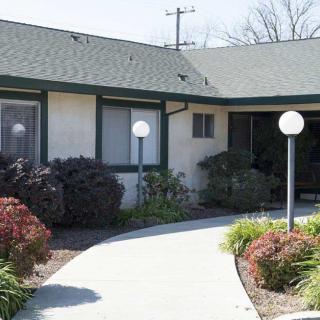
This community is best suited for families seeking an intimate, memory-care focused setting where care feels personal, hands-on, and anchored in warmth. The most persuasive examples describe a home-like environment where staff know residents well, respond quickly to needs, and prioritize daily life that preserves dignity and companionship. For loved ones in the later stages of dementia, where constant reassurance and a steady routine matter, this approach delivers consistency, fewer moves, and a sense of belonging that often translates into calmer days and more predictable care. In Sacramento’s memory-care offerings, such a model tends to create meaningful continuity for residents and relief for families who want a trusted, nearby option.
Those weighing alternatives should consider that this configuration may not satisfy every requirement. If the priority is robust on-site medical management, 24/7 nursing coverage, ready access to physicians, and a wide range of clinical therapies, then larger facilities with deeper healthcare resources may be more appropriate. Families facing high medical acuity, complex medication regimens, or behaviors that demand a higher level of clinical intervention may find the leaner, home-like model less sufficient. Cost dynamics, the desire for more structured programming, and the ability to accommodate broader social or therapeutic offerings are also valid considerations that could steer a decision toward a bigger campus.
The strongest pros evident in the described experiences are staff devotion and the genuinely family-like atmosphere. Caregivers emerge as deeply committed, treating residents with respect and dignity even when challenges arise. The environment is noted as clean and well-maintained, with multiple accounts highlighting visible attention to each resident’s appearance and well-being. Crucially, staff demonstrate a willingness to accommodate not only the resident but the entire family, easing transitions and reducing friction around daily routines, visits, and care decisions. This level of relational care often translates into more individualized attention and fewer distressing moments for residents and relatives alike.
Those benefits offset the potential downsides inherent in a small, intimate model by delivering daily life that feels purposeful and secure. The personal attention and predictable routines can compensate for a lack of large-scale programming or extensive medical staffing, especially for families prioritizing continuity, trust, and easy family involvement. The caveat is that if medical complexity intensifies or if a resident requires specialized therapies, the compact setting may require proactive planning, coordinating with external providers or transitioning to a facility with more on-site clinical capacity. In practice, the trade-off favors enduring, compassionate care over breadth of services for many families.
Families evaluating this option should conduct targeted due diligence to confirm fit. Inquire about on-site nursing presence and who manages medications, especially for dementia-related regimens. Request details on staff-to-resident ratios, dementia-specific training, and the care-planning process, how often plans are reviewed, who approves changes, and how families stay informed. Ask about daily schedules, activity options, and opportunities for family participation in care decisions. Clarify visiting hours, safety features, emergency response protocols, and the transparency of cost structures. A thoughtful conversation on these points will illuminate whether the intimate, family-centered model aligns with the resident’s needs and the family’s expectations.
In the end, the most compelling takeaway is clarity: for families seeking a warm, hands-on, dementia-focused home where caregivers treat residents with extraordinary respect and tenderness, this model stands out as a strong, practical match. It offers meaningful advantages in everyday life, stability, dignity, and kinship, that can ease the burdens families carry. If medical complexity and breadth of on-site clinical services are non-negotiable, or if a larger, more program-rich campus is preferred, alternative options deserve serious consideration. The right choice hinges on balancing the value of intimate, partner-like caregiving with the resident’s medical needs and the family’s capacity for engagement.
 Board and Care Home
 Private
 Sacramento International (13 miles away)
 Ambulatory care
 Diabetic care
 A Closer Look at Private Pay Home Care
 Comprehensive Approaches for Arthritis: A Detailed Guide to Symptoms, Causes, and Care
 Comprehensive Insights and Practical Strategies to Help Older Adults Avoid Falls