
3024 Eastern Avenue, Sacramento, CA 95821
For more information about senior living options: (866) 208-4318
Overall Review of Cajucom Care Home 1
Pros
 Eastern Manor was the perfect place for mom.
- Maria and Emma are angels, and their staff took the best care of mom during her stay.
- The facility was clean and all the residents seemed to be receiving great care.
- The staff were kind and friendly.
- Everyone in the staff was very caring and fully dedicated to their roles as caregivers for the residents.
- Maria, Emma, Junior, Christina, and Lisa took very good care of the father and treated him with respect and dignity, even during times when he was being very difficult.
- The environment at Eastern Manor was family-like, which was perfect for the father.
- Everyone there bent over backwards to accommodate not only him but also the entire family.
Review
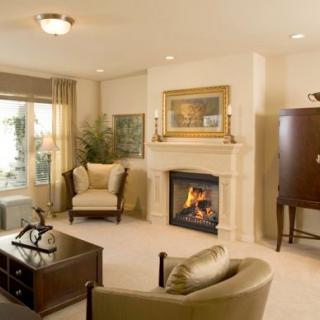
Who this community is best suited for. Cajucom Care Home 1 appears best for families seeking an intimate, dementia-focused setting where caregivers form real, ongoing relationships with residents. The reviews point to a small-team culture in which staff members know each resident’s routine, preferences, and challenges, and where warmth and respect are the baseline. For families navigating late-stage memory care, this model delivers visible caregiver presence, a calm, home-like atmosphere, and daily care that emphasizes dignity and continuity. In short, it’s well-suited for residents who benefit from personalized attention, consistent staff involvement, and a setting that feels like a caring extended family.
Who may want to consider alternatives. Those prioritizing clinical intensity, expansive activity programming, or broad medical resources may find a larger facility more suitable. If medical complexity requires frequent physician oversight, 24/7 nursing coverage, or highly structured, hospital-like services, a community with bigger staffing teams and more formal care protocols should be explored. Families balancing significant health needs or the desire for robust on-site therapies may prefer alternatives that offer broader medical resources, more extensive programming, and easier access to specialists.
How the key pros offset or fail to offset the main cons. The strongest takeaways are compassionate, patient-centered care and a family-like, resident-centered environment. This combination delivers tangible benefits: residents who are treated with dignity, staff who are readily available, and families who feel welcomed and involved. Those benefits help offset the absence of explicit information about clinical staffing levels or the breadth of programming. Yet uncertainty about medical oversight and the extent of structured activities means these remain critical questions. If medical management or varied daily programming is a priority, these gaps could offset some of the emotional and relational strengths.
Practical questions to ask during visits. Focus on understanding the staff-to-resident ratio and whether dementia-trained personnel are consistently available around the clock. Observe interactions between caregivers and residents to gauge patience, communication, and responsiveness. Inquire about daily routines, meal quality, safety measures (wandering protocols, night checks), and how medications are managed. Ask how care plans are developed and updated, and how families participate in decisions. Request recent references from families with loved ones in similar stages of dementia. Verify financial terms and what services are included to avoid later surprises.
Decision-focused scenarios. If the goal is steady, compassionate care with caregivers who know the resident well and a welcoming, homelike vibe, this setting is likely a strong fit. If the resident requires heavy clinical management, rapid escalation of medical concerns, or a highly active social calendar, alternatives with larger medical teams and more formal programming should be considered. Also assess whether the facility can accommodate family involvement during challenging phases of dementia care, as sustained engagement often amplifies quality of life.
Bottom line. The consensus from these accounts is clear: a community delivering personalized dementia care, with staff who treat residents with respect and dignity, and a family-like atmosphere, can provide meaningful daily comfort and stable continuity. For families weighing options, the next step is to tour, speak with current families, and confirm that medical oversight, programming, and logistics align with the resident’s needs and the family’s circumstances. When matched appropriately, this model offers practical, real-world advantages, less transition friction, stronger caregiver relationships, and a sense of reliable, humane care for a loved one facing dementia.
 11 resident community capacity
 Assisted Living
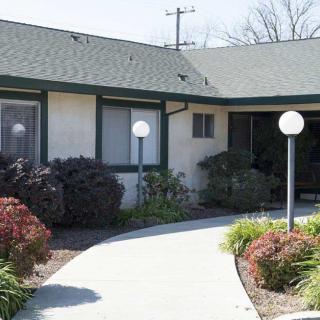
 Board and Care Home
 Cable or satellite TV
 Dining room
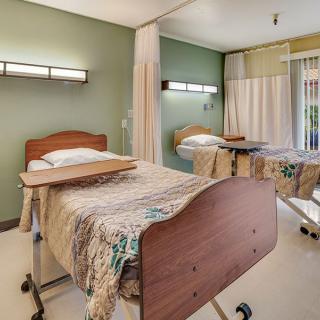
 Fully furnished
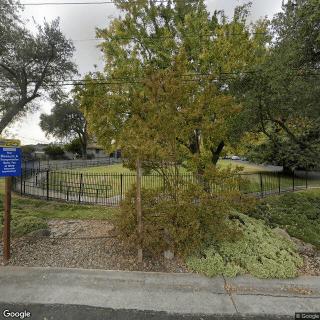
 Garden
 Housekeeping services
 Move-in coordination
 Outdoor space
 Telephone
 Wi-Fi/high-speed internet available
 Sacramento International (13 miles away)
 24-hour supervision
 Activities of daily living assistance
 Assistance with bathing
 Assistance with dressing
 Assistance with transfers
 Diabetes diet
 Meal preparation and service
 Medication management
 Special dietary restrictions
 Transportation arrangement (medical)
 Transportation to doctors appointments

 Understanding Medicaid Coverage for Assisted Living: A Comprehensive Guide
 How and When Medicaid May Cover Assisted Living Costs
 A Detailed Exploration of Assisted Living Medicaid Waivers Across the United States