
3817 Marconi Avenue, Sacramento, CA 95821
For more information about senior living options: (866) 208-4318
American River Care Home Costs & Pricing
American River Care Home offers competitive pricing for its residential services, with costs that fall below both Sacramento County and state averages. For semi-private rooms, residents pay $2,800 per month, which is significantly less than the county average of $3,106 and the state average of $3,333. Similarly, private room accommodations at American River Care Home are priced at $3,000 monthly, providing a cost-effective alternative compared to the Sacramento County rate of $3,686 and California's average of $3,939. This makes American River Care Home an appealing option for families seeking quality care within a budget-friendly framework.
| Floor plans | American River Care Home | Sacramento County | California |
|---|---|---|---|
| Semi-Private | $2,800 | $3,106 | $3,333 |
| Private | $3,000 | $3,686 | $3,939 |
Memory care communities with a similar price nearby
-
from +$200 / mo

Love & Care for Elder
$3,000 to $4,500 / month6.8 miles away -
from -$300 / mo
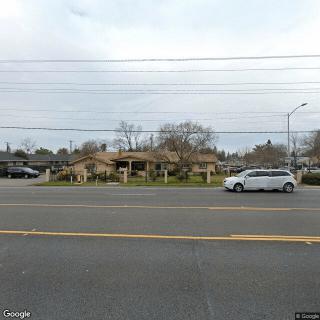
Eastern Manor
$2,500 to $3,000 / month0.7 miles away -
from -$300 / mo
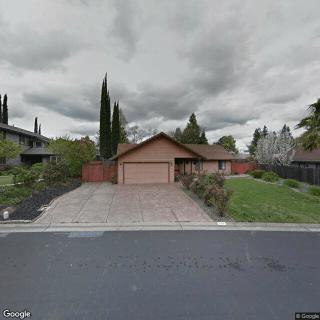
A.R.C. Manor of Folsom
$2,500 to $3,500 / month11.1 miles away -
from +$450 / mo
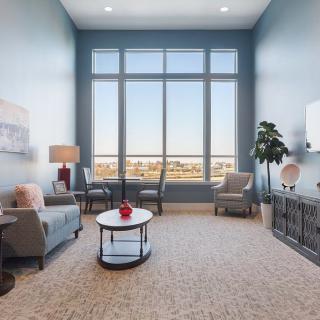
WellQuest of Elk Grove
$3,250 to $5,050 / month12.8 miles away -
from +$200 / mo
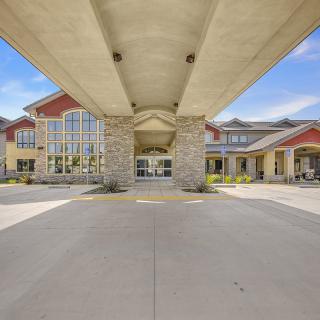
The Pines, A Merrill Gardens Community
$3,000 to $6,000 / month14.9 miles away
Overall Review of American River Care Home
Pros
 The staff at American River Care Home have been kind and caring to Mom.
- Mom has gained weight and enjoys talking with the staff, thanks to their attentive care.
- The home feels like a family, with residents treated with kindness and respect.
- They speak Japanese, which helps Mom feel comfortable and connected.
- The staff are attentive, knowledgeable, and excellent at communicating with families.
- The facility is safe, clean, and consistently caring, with flexible visiting.
- End-of-life care is delivered with compassion and dignity, coordinated smoothly with hospice when needed.
- The meals are delicious, healthy, and reminiscent of Japanese cuisine, contributing to Mom’s well-being.
Cons
 There was a horrible predicament during the search for an appropriate facility, given the father was in the dying stage.
- The family faced a long and painful process to find an acceptable, qualified home for their loved one.
- They worried that the care home might be too good to be true.
Review
American River Care Home is best suited for families seeking a warm, intimate, culturally attuned living environment for an elderly loved one who values language compatibility, personal connection, and a home-like atmosphere. The community shines for residents who are comfortable with a Japanese-speaking staff and a setting that feels more like a family home than a clinical facility. It is particularly well-suited for seniors with dementia who benefit from familiar conversations, routines, and socialization with others who share a cultural background. Families prioritizing consistent, attentive companionship, regular visits, and daily engagement will find ARCH’s approach aligns with those needs. For outcomes centered on safety, comfort, and dignity in a small-scale setting, ARCH stands out.
The strongest advantages are the people and the culture. Reviews repeatedly highlight kindness, attentiveness, and genuine caring from Harue, Nori, and the entire caregiving team, with staff who speak Japanese and can foster meaningful connections with residents who share that language. Residents seem to gain weight and vitality when meals reflect familiar flavors, and families note the sense of trust that comes from being able to visit freely and see residents supported with personal attention. The setting supports a dignified, family-like rhythm, daily activities, celebrations, and opportunities to stay engaged, creating a supportive environment where residents feel seen and valued. The combination of high staff investment and culturally resonant meals enhances overall well-being and peace of mind for families.
Where ARCH may not be the best fit are situations requiring robust, facility-scale clinical oversight or a broad, non-Japanese language environment. The reviews encode a clear preference for a smaller, culturally focused home rather than a large, highly resourced campus. For residents needing intensive medical management, 24/7 on-site nursing coverage, or a facility with a wide array of medical specialties on staff, ARCH’s intimate model could feel limiting. Families who require care teams fluent in languages other than Japanese or who prefer a more institutional feel with extensive on-site rehabilitation services may want to consider alternatives. Even among highly positive experiences, a single critical review suggests that expectations about scale and resources can diverge, underscoring the importance of aligning needs with the home’s capabilities.
The pros here offset the potential drawbacks through a proven emphasis on personalized care and family involvement. The intimate, homey atmosphere reduces the impersonality sometimes found in larger communities, and the ability to visit any time, with ongoing health updates from the staff, translates into a greater sense of reassurance for families navigating complex care decisions. ARCH’s capacity to coordinate hospice or palliative arrangements with sensitivity and clarity is another key offset, ensuring residents’ end-of-life needs are addressed with respect and forethought. The language match and cultural familiarity lessen social isolation and help residents maintain meaningful routines, which in turn supports everyday functioning and mood. In short, for families prioritizing comfort, continuity, and cultural resonance, the balance tips decisively toward ARCH.
For families weighing options, ARCH presents a compelling case when the decision centers on a Japanese-speaking, home-like setting with active resident engagement and family participation. Prospective residents should verify language availability across weekends and evenings, ask about daily activity calendars, and request examples of care plans and family communications. Consider the continuity of dining experiences and how meals align with specific preferences, since consistent, culturally familiar meals appear to be a meaningful contributor to well-being. Investigate logistics around mobility, outings, and the types of social programming that keep residents engaged. Above all, use direct conversations with Harue and Nori to gauge whether the resident’s personality, routines, and care needs will harmonize with ARCH’s intimate, familial model.
In sum, ARCH stands as a standout choice for seniors who prize a small, culturally familiar, family-like setting where language and personal connections matter as much as safety and comfort. It is less suited for those who require broader clinical capabilities, diverse language access beyond Japanese, or a more institutional scale. For families seeking a respectful, loving environment where residents are treated like extended family and daily life feels purposeful and joyful, American River Care Home delivers with remarkable consistency. A visit to the Sacramento footprint, talking with the owners and touring the home, will quickly reveal whether this is the right fit, and whether the resident will thrive in a setting built on warmth, respect, and shared meals that feel like home.
 6 resident community capacity
 Assisted Living
 Board and Care Home
 Memory Care
 Respite Care
 Dogs allowed
 Activities off-site
 Bath tubs
 Cable or satellite TV
 Devotional services off-site
 Dining room
 Fully furnished
 Garden
 Housekeeping services
 Indoor common areas
 Move-in coordination
 Outdoor common areas
 Private
 Telephone
 Wheelchair accessible showers
 Wi-Fi/high-speed internet available
 Sacramento International (13 miles away)
 24-hour supervision
 Ambulatory care
 Assistance with bathing
 Assistance with dressing
 Assistance with transfers
 Diabetes diet
 High acuity care
 Incontinence care
 Meal preparation and service
 Medication management
 Special dietary restrictions
 Transportation arrangement (medical)
 Transportation to doctors appointments
 A Thorough Discussion of Medications Potentially Linked to Dementia Risk
 Why Do Dementia Patients Sleep So Much? Understanding Oversleeping, Stages, and Care Approaches
 8 Key Indicators That Suggest It May Be Time to Transition from Assisted Living to Skilled Nursing Care