

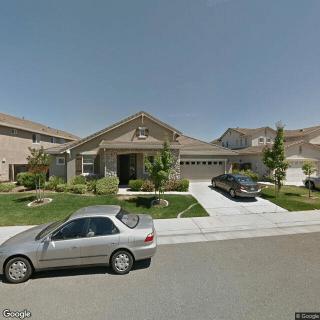
1419 Tiffany Circle, Roseville, CA 95661
For more information about senior living options: (866) 208-4318
Tiffany Circle Care Home By Rn's Costs & Pricing
Tiffany Circle Care Home By Rn's offers a private room at a monthly cost of $5,000, which is notably higher than both the average costs in Placer County, at $4,026, and the broader state average in California, which stands at $3,939. This pricing may reflect the specialized services and personalized care that residents receive within Tiffany Circle Care Home. While it is important to consider individual needs and preferences when evaluating care facilities, potential clients should weigh the benefits of Tiffany Circle's comprehensive offerings against these comparative costs within the local and state contexts.
| Floor plans | Tiffany Circle Care Home By Rn's | Placer County | California |
|---|---|---|---|
| Private | $5,000 | $4,026 | $3,939 |
Assisted Living communities with a similar price nearby
-
from -$500 / mo
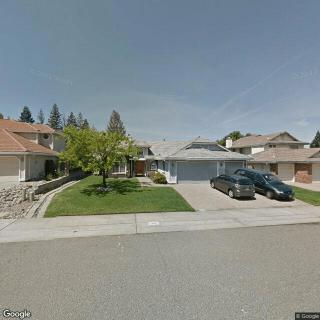
Montclair Villa
$4,500 / month4.4 miles away -
About the same
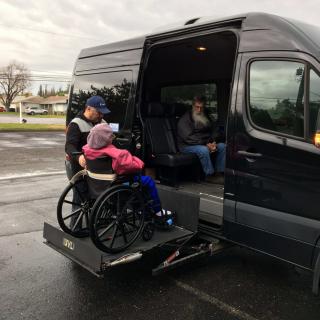
Bethesda Senior Care
$5,000 / month5.0 miles away -
About the same
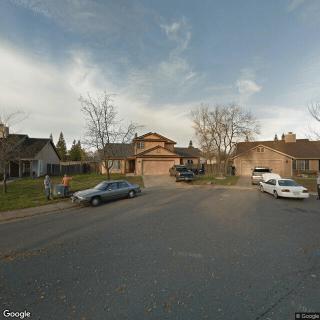
Friendly Care Home II
$5,000 / month4.4 miles away -
from -$500 / mo
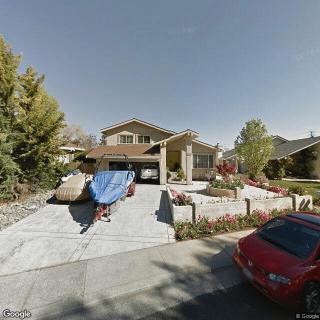
Sunriver Senior Care
$4,500 / month7.5 miles away -
from -$850 / mo
Ferrari
$4,150 to $5,500 / month8.7 miles away
Overall Review of Tiffany Circle Care Home By Rn's
Pros
 They are grateful to have found Fullerton Villa.
- Their parents receive care in a clean and comfortable environment that caters to Korean-speaking residents.
- The staff are incredibly kind and helpful.
- Their parents feel very comfortable and accepted.
- They appreciate that their parents can enjoy Korean food every day without cooking.
- They thank Fullerton Villa for taking such good care of their parents.
Review
This community is best suited for families that place a premium on language-compatible, culturally familiar care, with a warm, small-team environment where daily routine centers on comfort, dignity, and everyday meals that reflect a specific cultural palate. In particular, it serves households seeking Korean-speaking assistance and residents who appreciate Korean cuisine as a regular part of daily life, without the burden of meal preparation at home. For those who do not require Korean-language support or cuisine, alternatives that offer broader language options and more varied menus may be a better fit.
From the available feedback, the strongest endorsements focus on a clean, comfortable setting and staff who are described as incredibly kind and helpful. The sense of belonging is palpable, with residents reported to feel very comfortable and accepted. Meals are a standout feature, as residents enjoy Korean food every day, which eliminates the cooking burden for families and can significantly ease daily caregiving logistics. In short, the environment and interpersonal dynamics appear to reinforce emotional well-being and reduce caregiver stress, which is a critical driver of overall satisfaction.
The absence of stated drawbacks in the provided commentary is itself telling, but not definitive. The notable emphasis on language and cuisine suggests that the primary trade-off may be a more limited linguistic or cultural scope. For families whose priorities lie outside Korean language and culinary culture, this could translate into a mismatch with expectations for diverse programming, communication in other languages, or a broader, more eclectic menu. Those families should weigh the value of a deeply culturally aligned environment against a potential lack of broader cultural or logistical variety.
The pros, cleanliness, comfort, exceptionally kind staff, a sense of acceptance, and convenient daily meals, tend to offset most ordinary concerns when the resident’s profile centers on language compatibility and cultural familiarity. The emotional safety net created by attentive caregivers and a familiar cuisine can outweigh worries about activity variety or the breadth of medical resources, especially for seniors who thrive on predictability and cultural continuity. For Korean-speaking residents or families prioritizing a turnkey dining arrangement, these advantages translate into tangible quality-of-life gains.
For families evaluating this option, several practical steps help quantify fit. Schedule a tour focused on language capabilities: who can communicate with residents and families, and how care plans are discussed in practice. Inquire about meal variety within the Korean framework and whether there is room for dietary adjustments or future changes if tastes evolve. Ask about staffing levels during evenings and weekends to gauge how personalized attention is maintained as resident needs change. Seek opportunities to speak with current residents or families about daily routines, socialization, and how new arrivals are integrated into the community.
In sum, this care setting appears to excel for households prioritizing a Korean-language environment, culturally familiar meals, and a warm, responsive caregiving team. When these elements align with the resident’s preferences and needs, the combination of a clean, comfortable atmosphere and compassionate staff can produce a high level of satisfaction and stability. For families who value language and cuisine alignment above all else, this option warrants strong consideration; for those with broader linguistic or cultural expectations, exploring alternatives may be the prudent path. The decision should hinge on whether language and meal culture are non-negotiable versus flexible, and on how much weight is given to the emotional security created by consistently kind, attentive care.
 6 resident community capacity
 Assisted Living
 Board and Care Home
 Cable or satellite TV
 Dining room
 Fully furnished
 Garden
 Housekeeping services
 Move-in coordination
 Outdoor space
 Private
 Telephone
 Wi-Fi/high-speed internet available
 Sacramento International (18 miles away)
 24-hour supervision
 Activities of daily living assistance
 Ambulatory care
 Assistance with bathing
 Assistance with dressing
 Assistance with transfers
 Diabetes diet
 Diabetic care
 High acuity care
 Incontinence care
 Meal preparation and service
 Medication management
 Special dietary restrictions
 Transportation arrangement (medical)
 Transportation to doctors appointments




 A Detailed Exploration of Assisted Living Medicaid Waivers Across the United States
 Comprehensive Residential Support and Assisted Living Solutions for Individuals with Disabilities
 Comprehensive Supportive Living Arrangements for Adults with Disabilities