Aunt Dottie's Place offers competitive pricing for its residents when compared to the average costs in Sacramento County and throughout California. For a semi-private room, Aunt Dottie's Place charges $5,000 per month, which notably exceeds the county's average of $3,106 and the state average of $3,333. Similarly, for private accommodations, the monthly fee is set at $5,500, again higher than both Sacramento County's average of $3,686 and California's overall average of $3,939. While Aunt Dottie's Place may represent a premium option relative to regional pricing norms, it likely does so by providing distinctive services or amenities that contribute to a more enriching living experience for residents.
Floor plans
Aunt Dottie's Place
Sacramento County
California
Semi-Private
$5,000
$3,106
$3,333
Private
$5,500
$3,686
$3,939
Overall Review of Aunt Dottie's Place
common27 reviews mention this
Staff feel attentive and professional
Families describe staff as attentive, professional, and respectful every day.
Across the reviews, residents are repeatedly described as being treated with respect and kindness by the owners and caregivers. Many reviewers say staff are responsive to changes in health or behavior and make families feel supported through the process. Several families also mention trusting the team’s judgment and availability, including when needs became more complex.
common7 reviews mention this
Home-like setting stays very clean
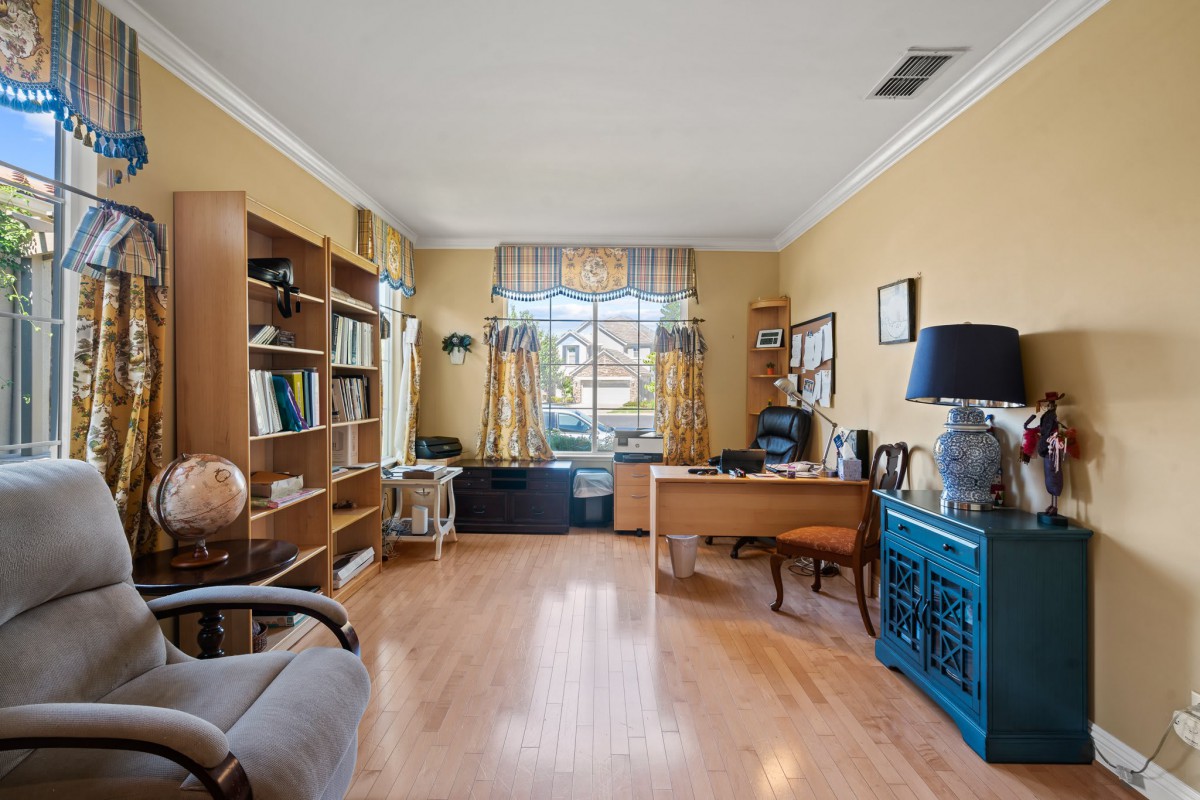
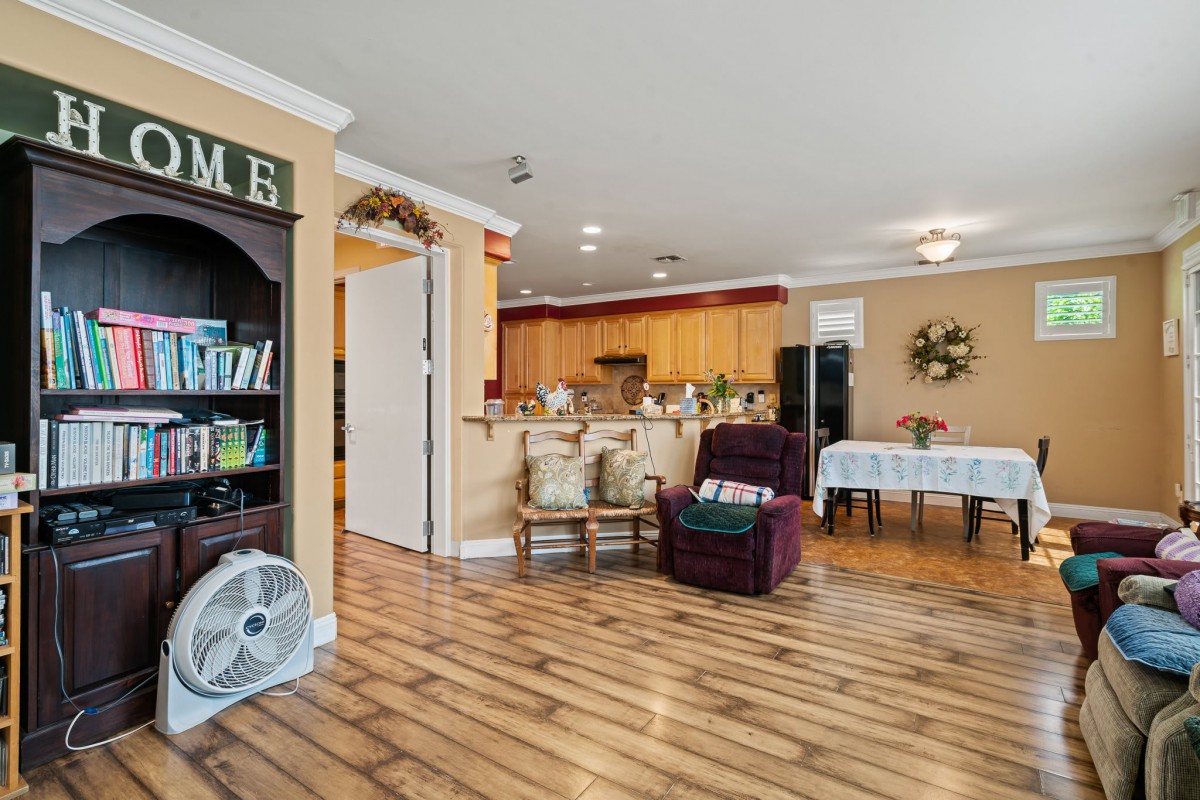
Residents and families mention a clean, home-like environment.
Multiple reviewers comment on the facility being kept very clean and well maintained, noting it feels comfortable and safe. Several also use home-like language to describe the day-to-day atmosphere, including a quiet residential feel. A few reviews tie this environment to how settled residents seem during visits or longer stays.
differentiator5 reviews mention this
Memory care and higher needs support
Families seek support for dementia and other advanced care needs.
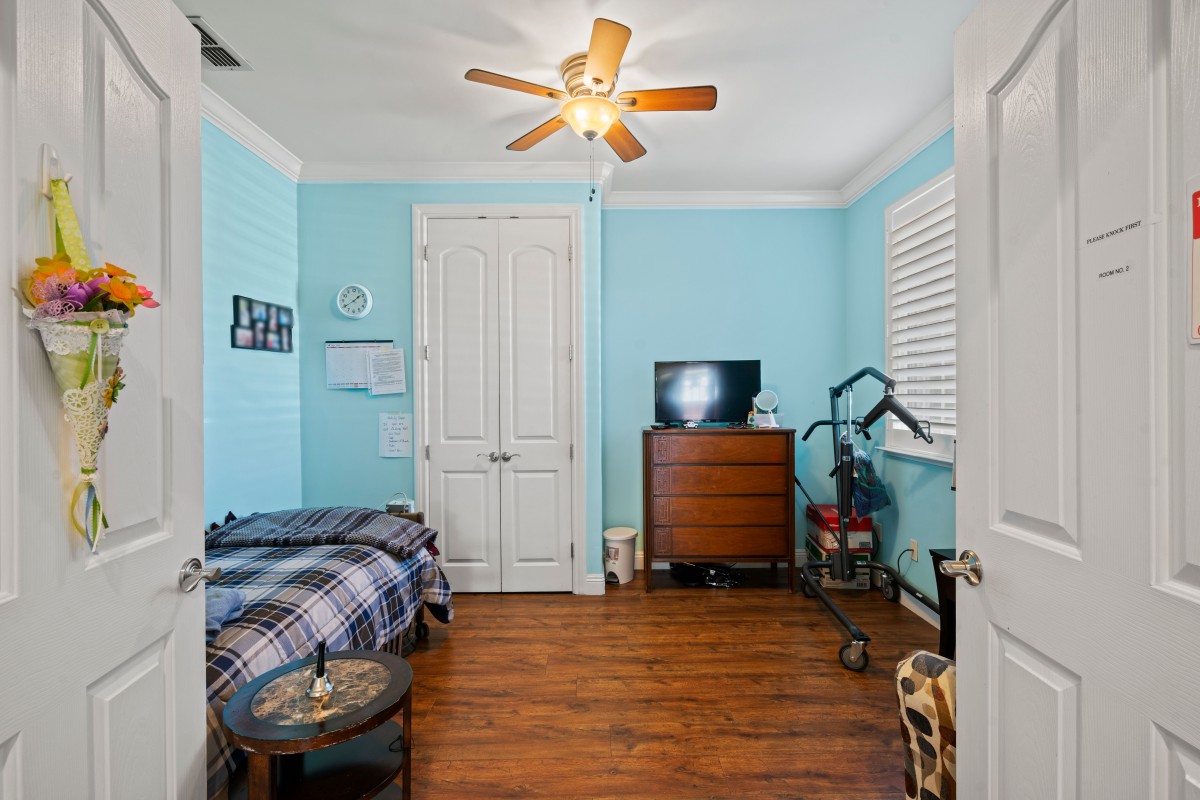
Several reviews describe residents living with Alzheimer’s or dementia, with families appreciating that the team could handle the progression of needs. Reviewers also mention additional medical complexity, including Parkinson’s and other health issues, and describe the care as more than basic assistance. Care services offered include assistance with daily living, bathing, transfers, incontinence care, and coordination with health providers—matching what families say they needed as conditions changed.
common5 reviews mention this
Medication and care coordination
Families mention strong coordination around medical care and medications.
A number of reviews highlight how the team stays involved with medical professionals and follow-through on health needs. Some reviewers specifically mention medication management and physician satisfaction, while others describe constant communication from a residential nurse working alongside visiting professionals. There are also mentions of help with doctor appointments, including the staff going with a resident and staying in contact during transitions like hospice.
common4 reviews mention this
Nutritious meals feel personalized
Reviews describe meals as nutritious, fresh, and sometimes adapted to preferences.
Families mention that residents receive food they enjoy, including notes about adapting meals when preferences matter. Some reviews describe food as homemade and residents as satisfied with what is served. The dining offerings also include meals provided with support for special dietary restrictions and vegetarian options, which aligns with how families talk about food being tailored to needs.
common6 reviews mention this
Daily activities keep residents engaged
Residents are described as staying engaged through activities and outings.
Multiple reviewers mention structured daily engagement such as crafts, music, singalongs, and regular conversation. Families also describe outdoor gatherings and events that let residents and families spend time together. The community offers on-site and off-site activities plus scheduled daily activities, matching the way reviews describe a steady rhythm of things to do.
How we summarize
Counts show how many written reviews mention each theme; a review can touch several themes, and only frequently mentioned themes are displayed.
Features
Housing
6 resident community capacity
Types of Care
Assisted Living
Board and Care Home
Respite Care
Amenities
Activities off-site
Activities on-site
Bath tubs
Beautician on-site
Cable or satellite TV
Devotional services off-site
Dining room
Fully furnished
Garden
Housekeeping services
Indoor common areas
Move-in coordination
Outdoor common areas
Outdoor space
Private
Private bathrooms
Respite or short term stays offered
Telephone
Wheelchair accessible showers
Wi-Fi/high-speed internet available
Transportation
Sacramento International (18 miles away)
Care Services
24-hour supervision
Activities of daily living assistance
Assistance with bathing
Assistance with dressing
Assistance with transfers
Coordination with health care providers
Diabetes diet
High acuity care
Incontinence care
Meal preparation and service
Medication management
Special dietary restrictions
Transportation arrangement (medical)
Transportation to doctors appointments
Dining
Diabetes diet
Meals provided
Special dietary restrictions
Vegetarian
Activities
Activities off-site
Activities on-site
Community-sponsored activities
Devotional activities offsite
Scheduled daily activities
Nearby Places of Interest
Restaurants
Chuck E. Cheese's (0.5 miles)
Taco Bell (0.6 miles)
In-N-Out Burger (0.7 miles)
Chick-Fil-A (0.9 miles)
Wendy's (1 miles)
McDonald's (1 miles)
Eureka Roseville (1.1 miles)
Pharmacies
Sunset Pharmacy (1 miles)
Walmart Pharmacy (1.1 miles)
Walgreens (1.1 miles)
CVS Pharmacy (1.3 miles)
Save Mart Supermarkets (1.9 miles)
CVS Pharmacy (1.9 miles)
Longs Drugs (2.6 miles)
Physicians
Rocklin Family Practice and Sports Medicine (1 miles)
Efrain Gonzalez, MD (1.1 miles)
Tuan - Tuan A Doan Doan MD (1.6 miles)
Laboratory: Sutter Medical Foundation Rocklin (1.7 miles)
Aunt Dottie's Place offers competitive pricing for its residents when compared to the average costs in Sacramento County and throughout California. For a semi-private room, Aunt Dottie's Place charges $5,000 per month, which notably exceeds the county's average of $3,106 and the state average of $3,333. Similarly, for private accommodations, the monthly fee is set at $5,500, again higher than both Sacramento County's average of $3,686 and California's overall average of $3,939. While Aunt Dottie's Place may represent a premium option relative to regional pricing norms, it likely does so by providing distinctive services or amenities that contribute to a more enriching living experience for residents.
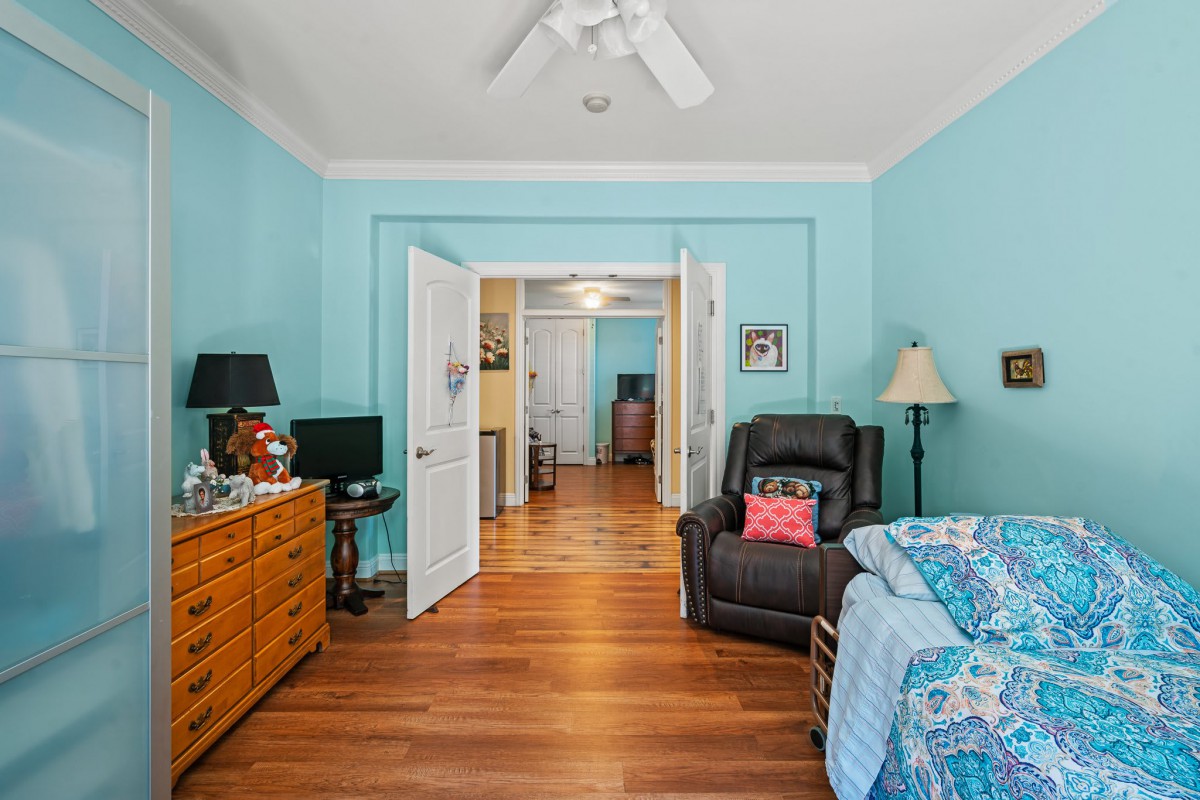
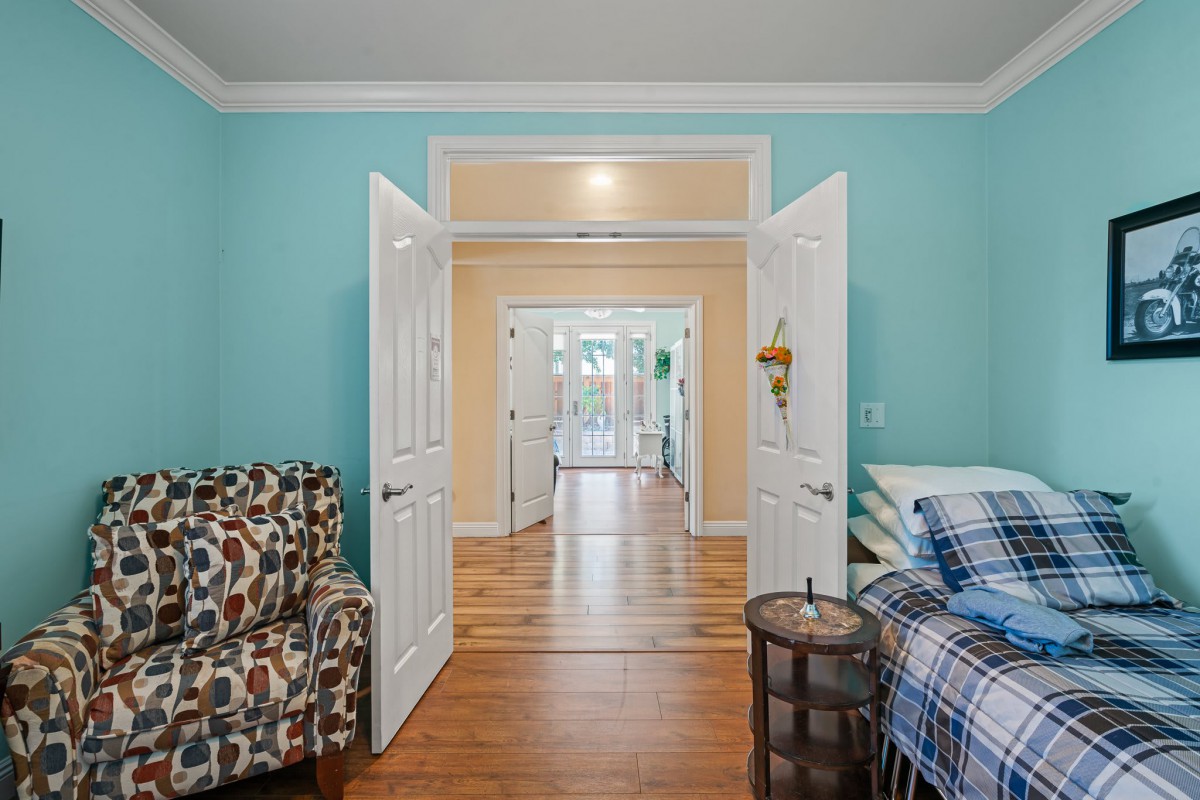
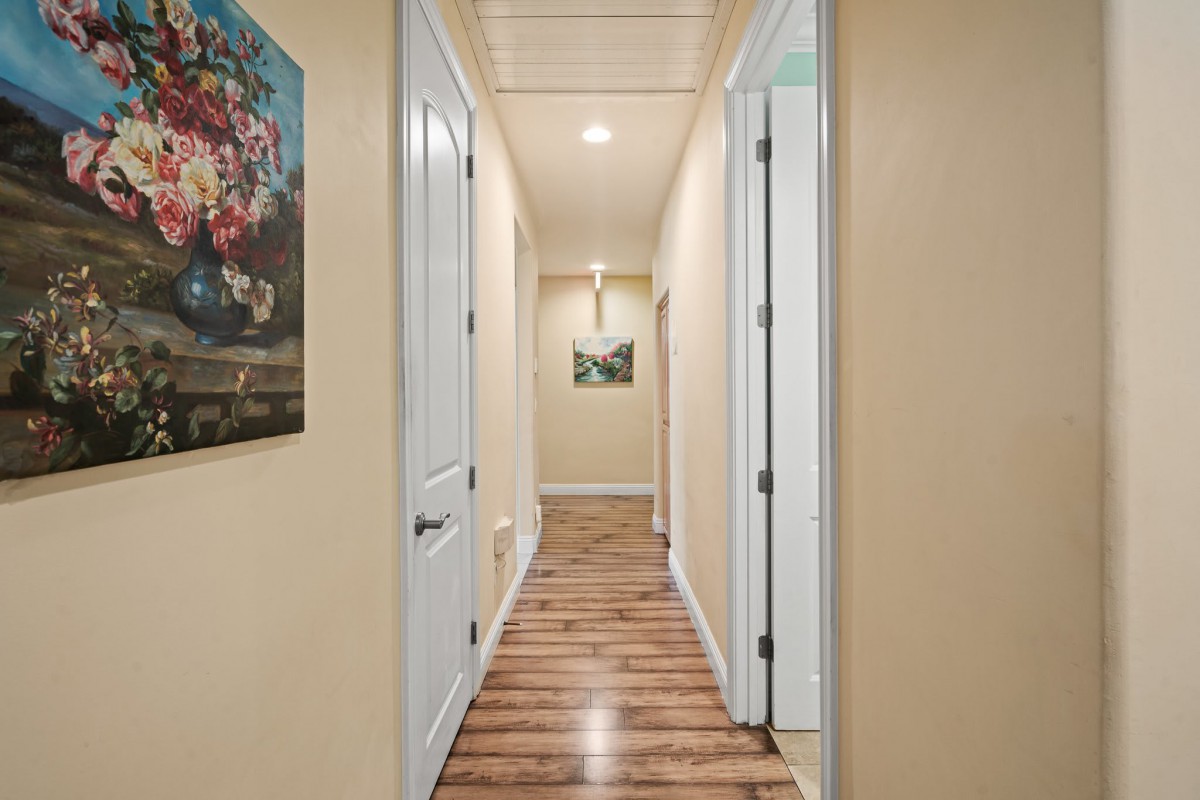
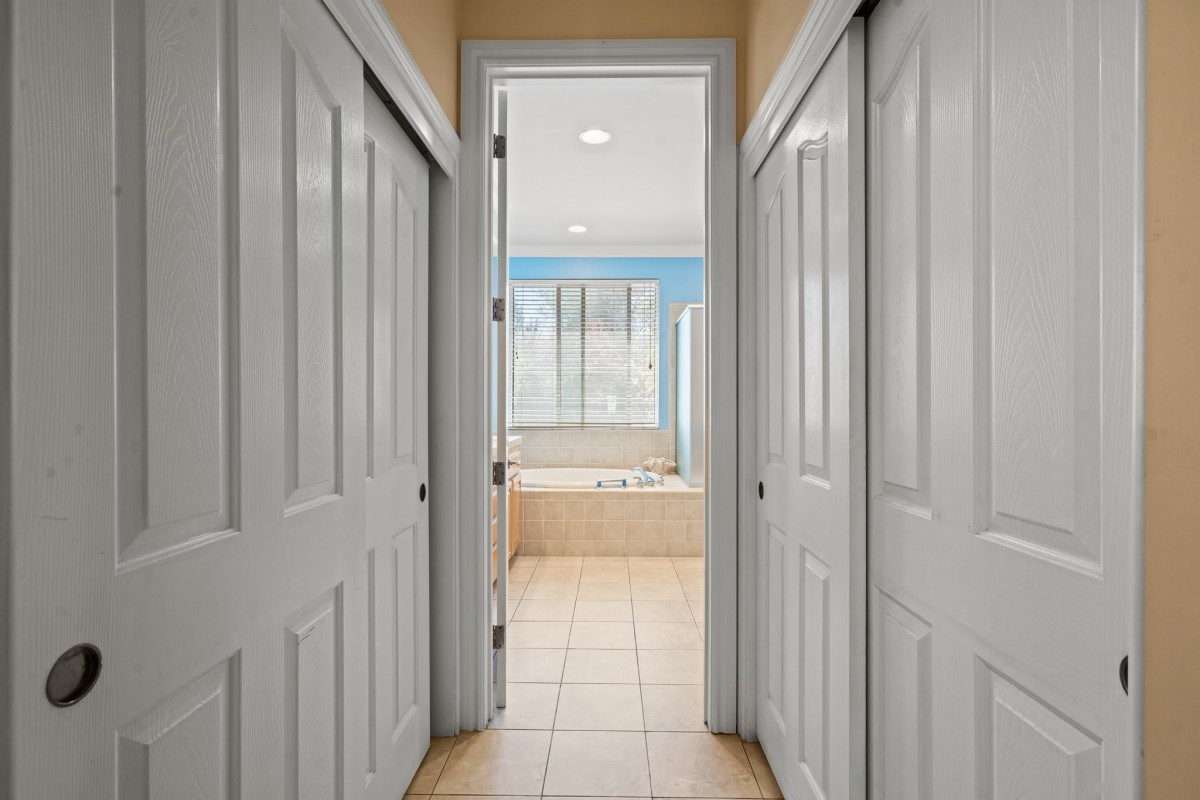
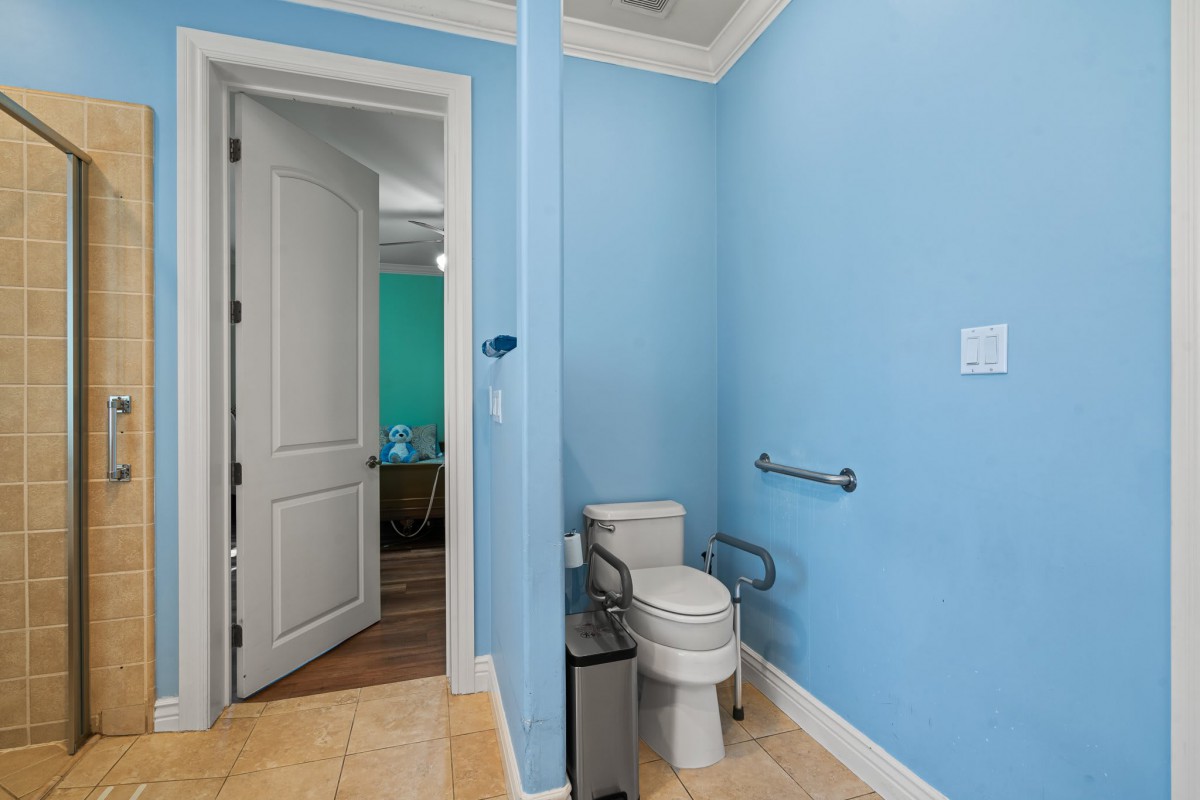
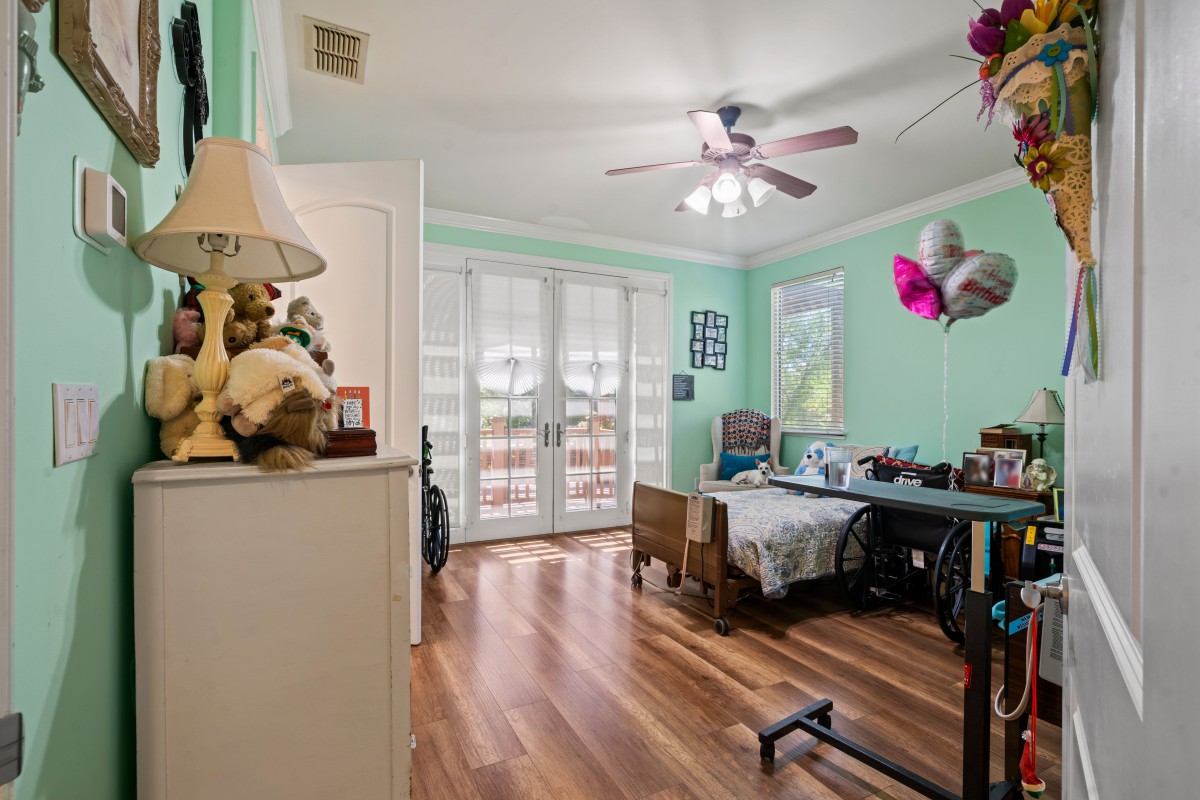
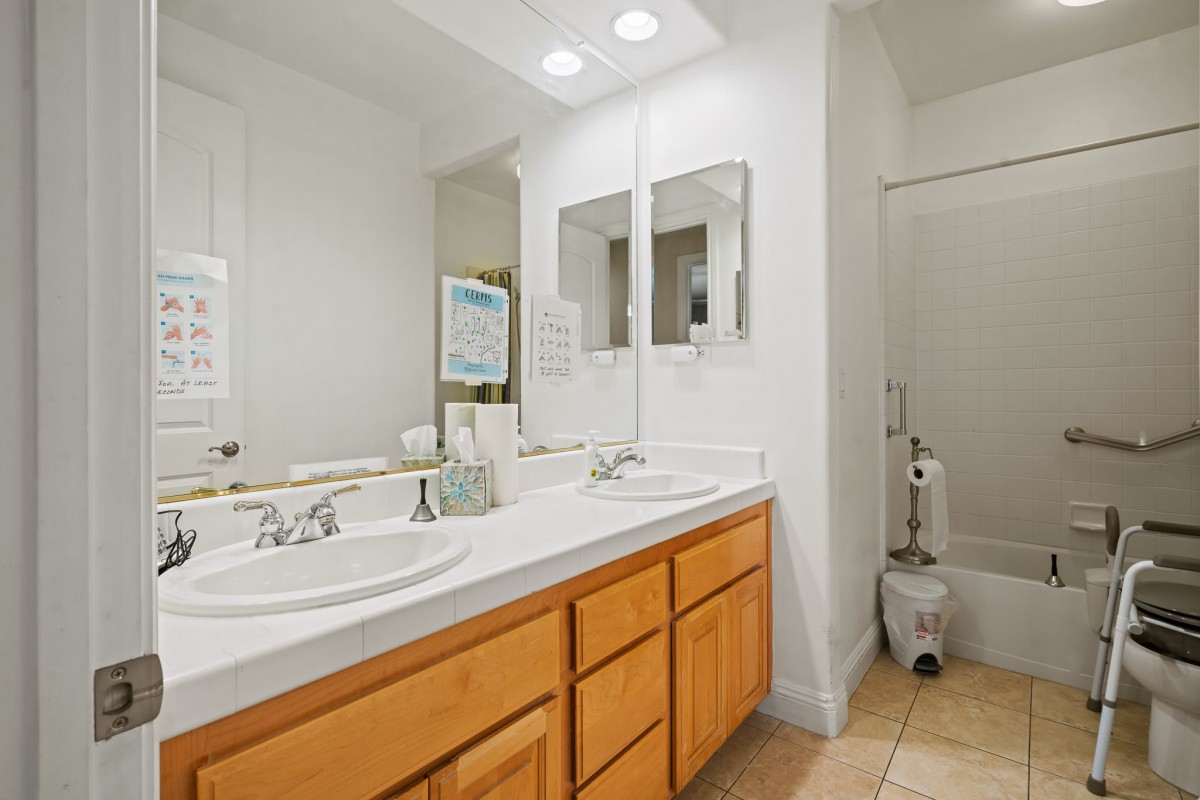
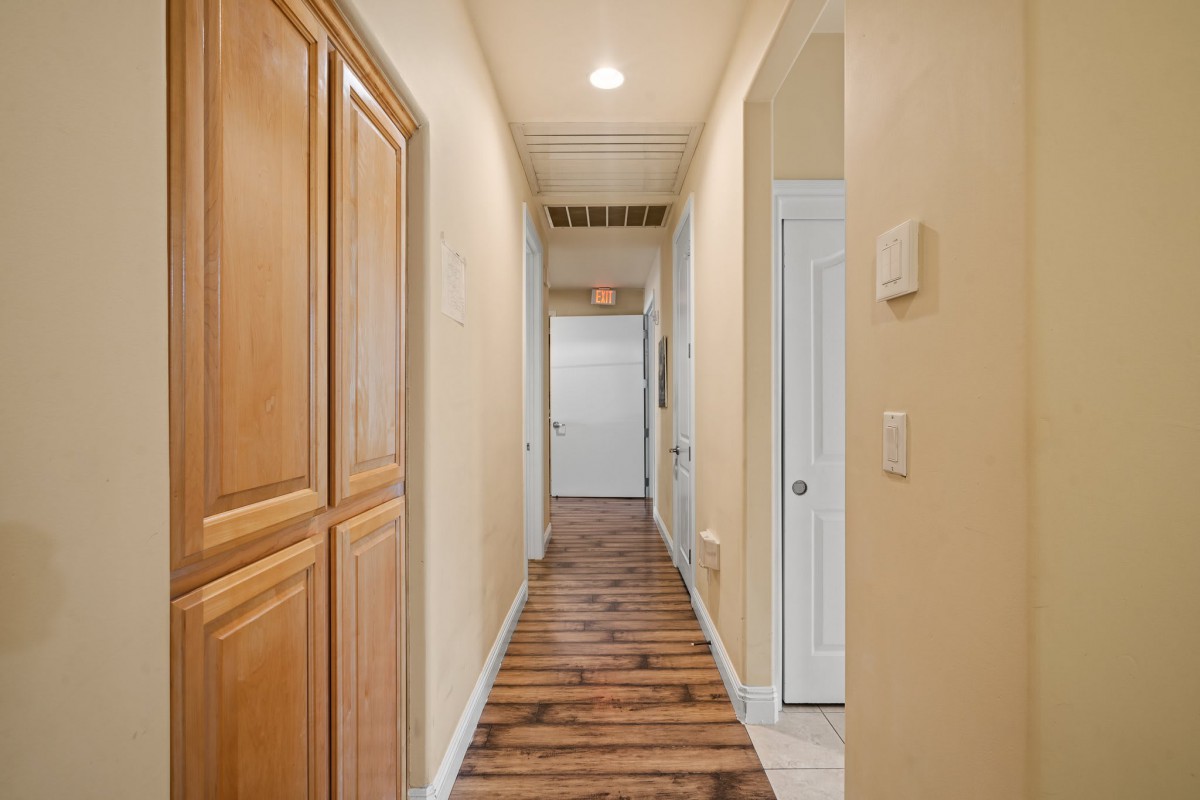
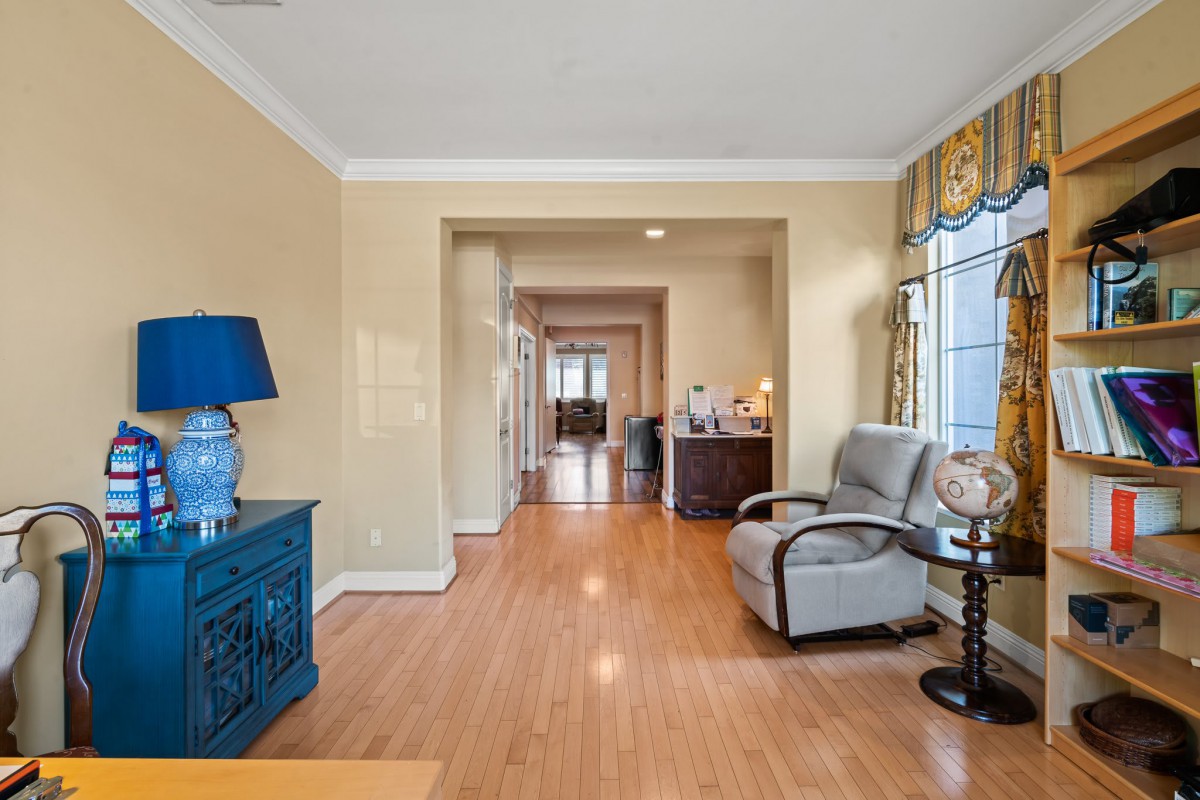
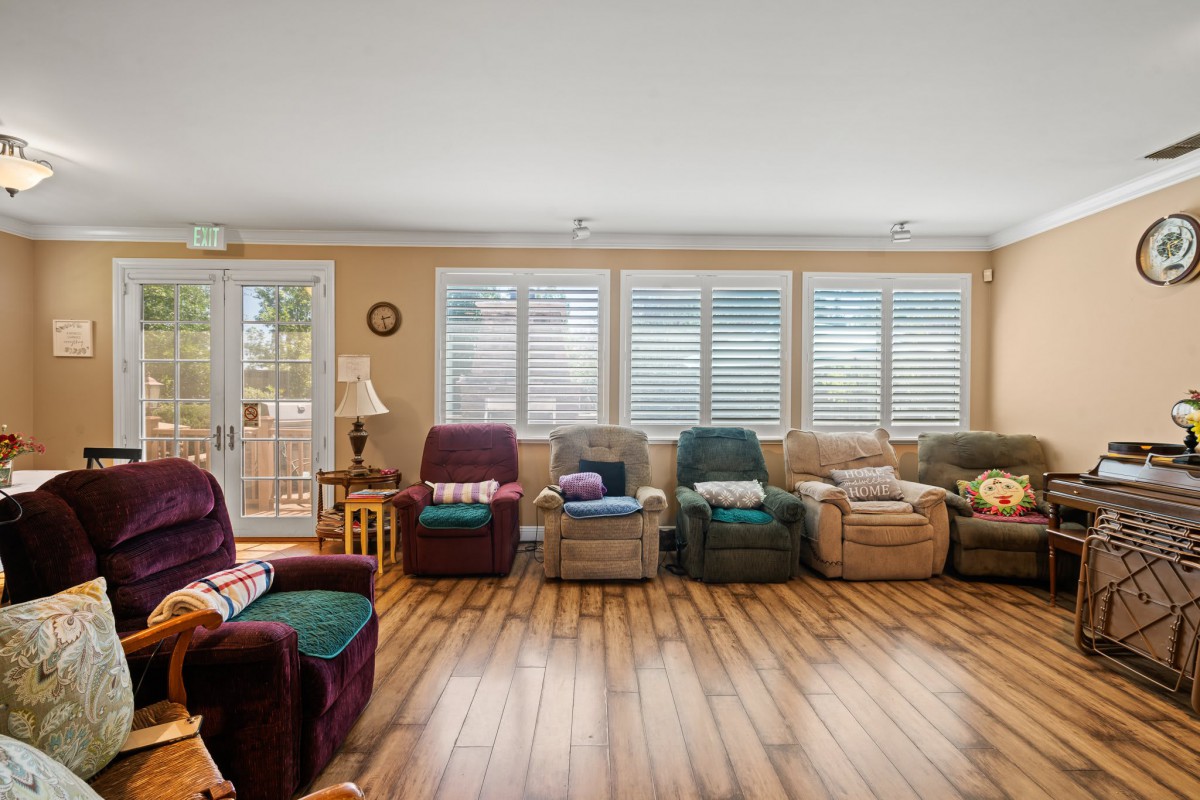
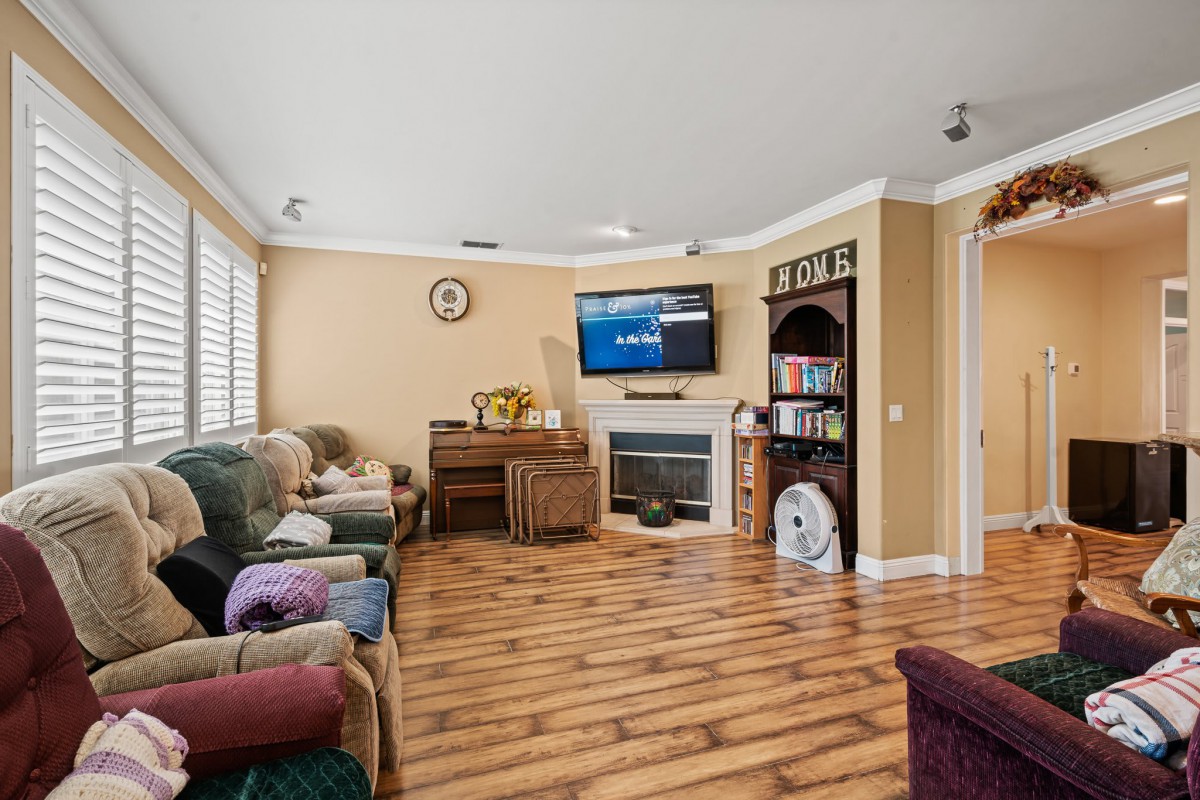
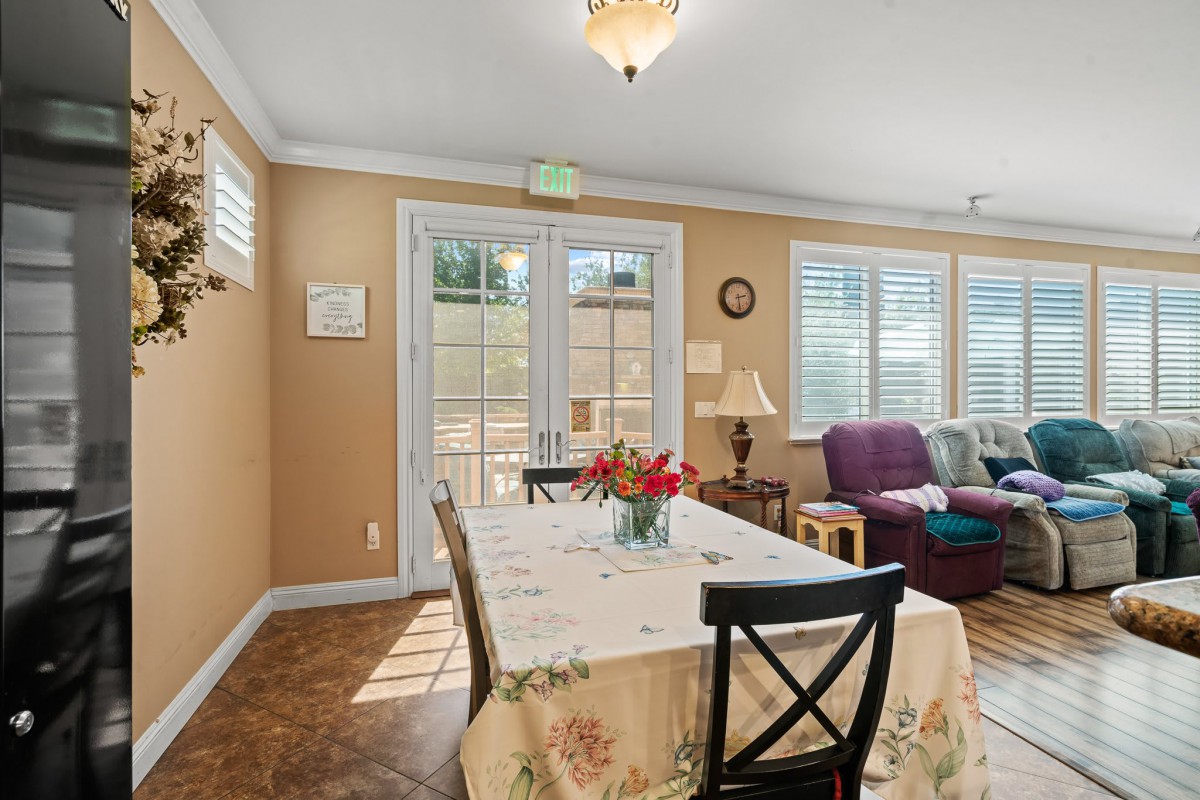
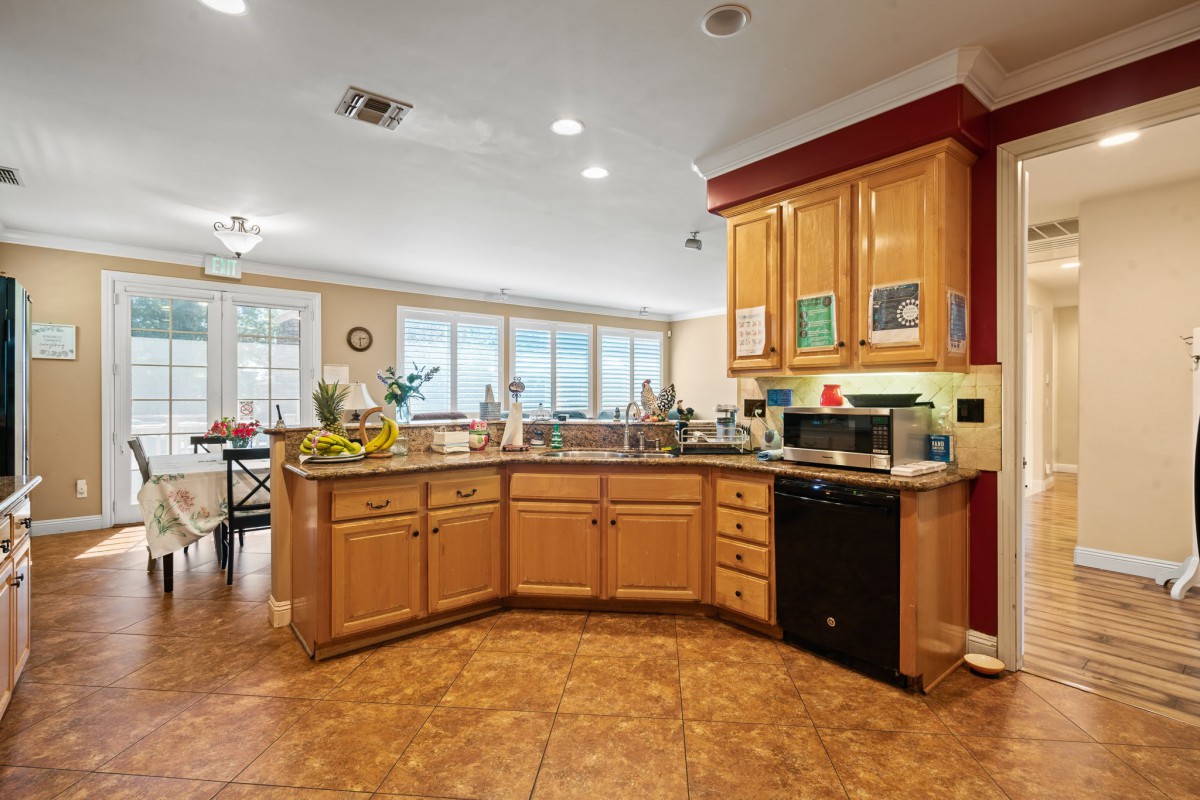
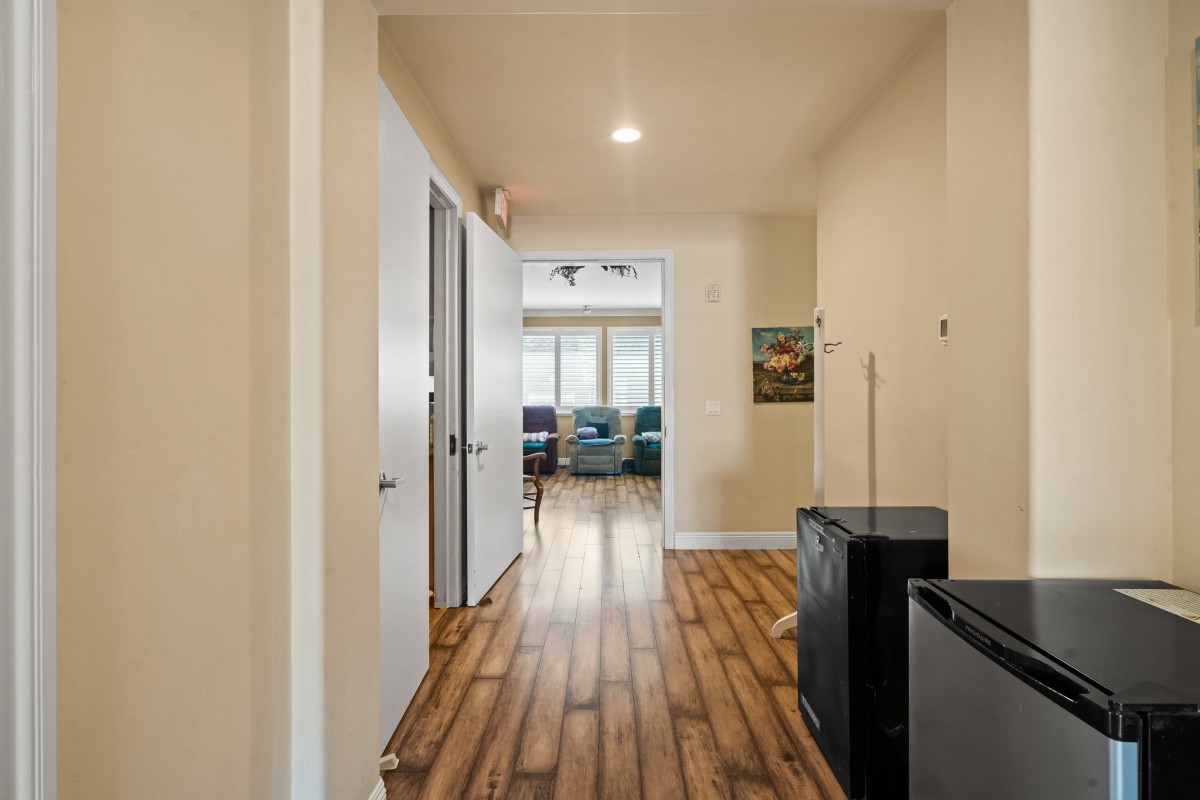
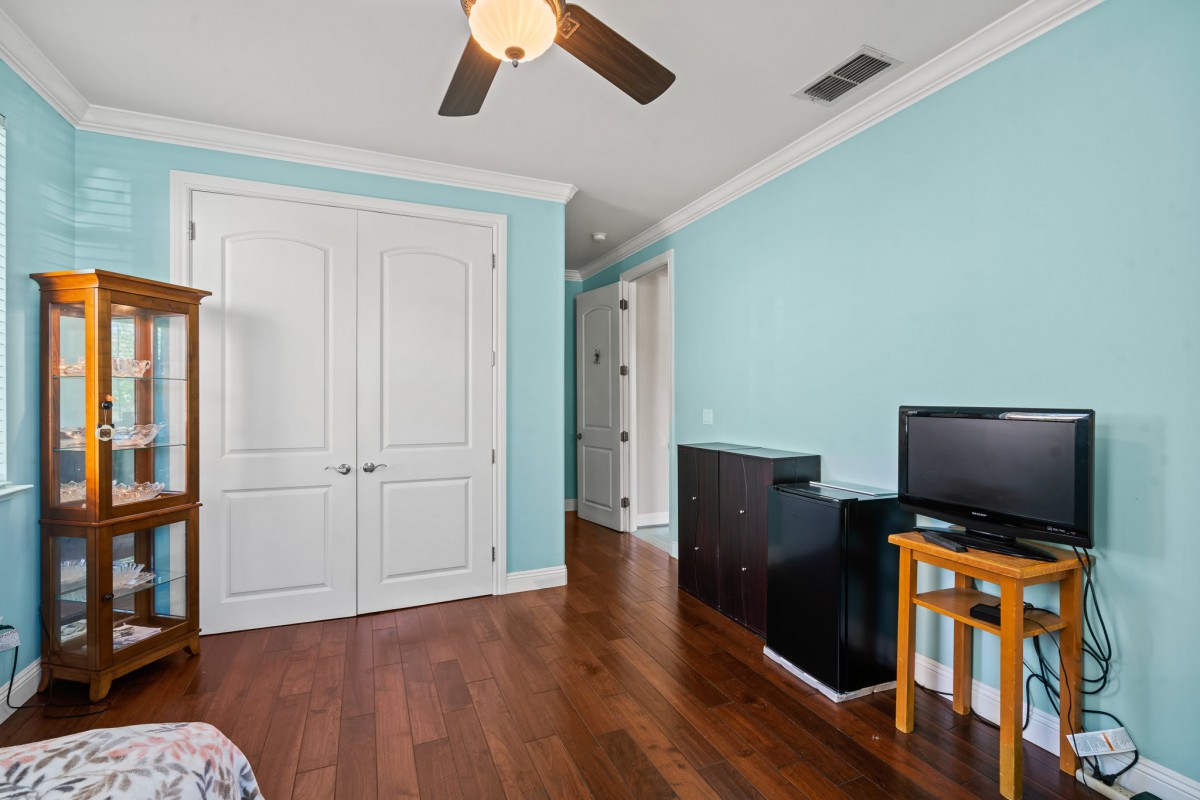
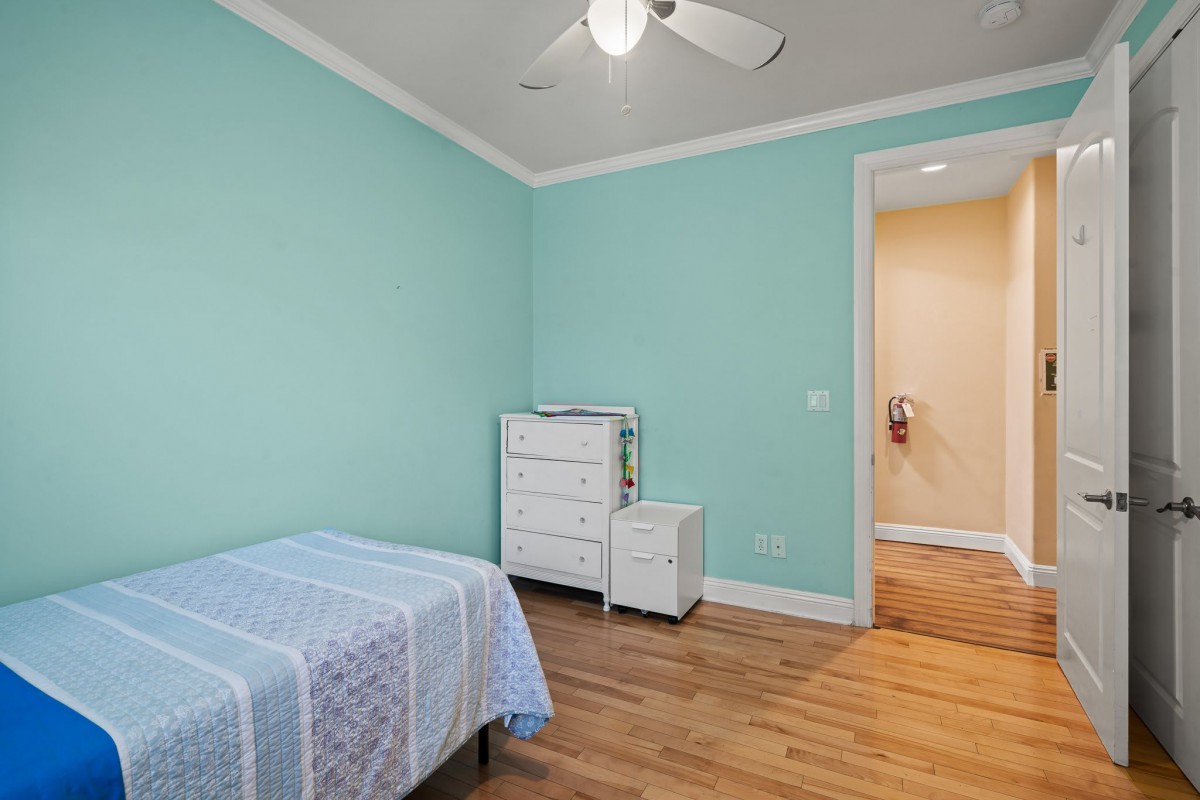
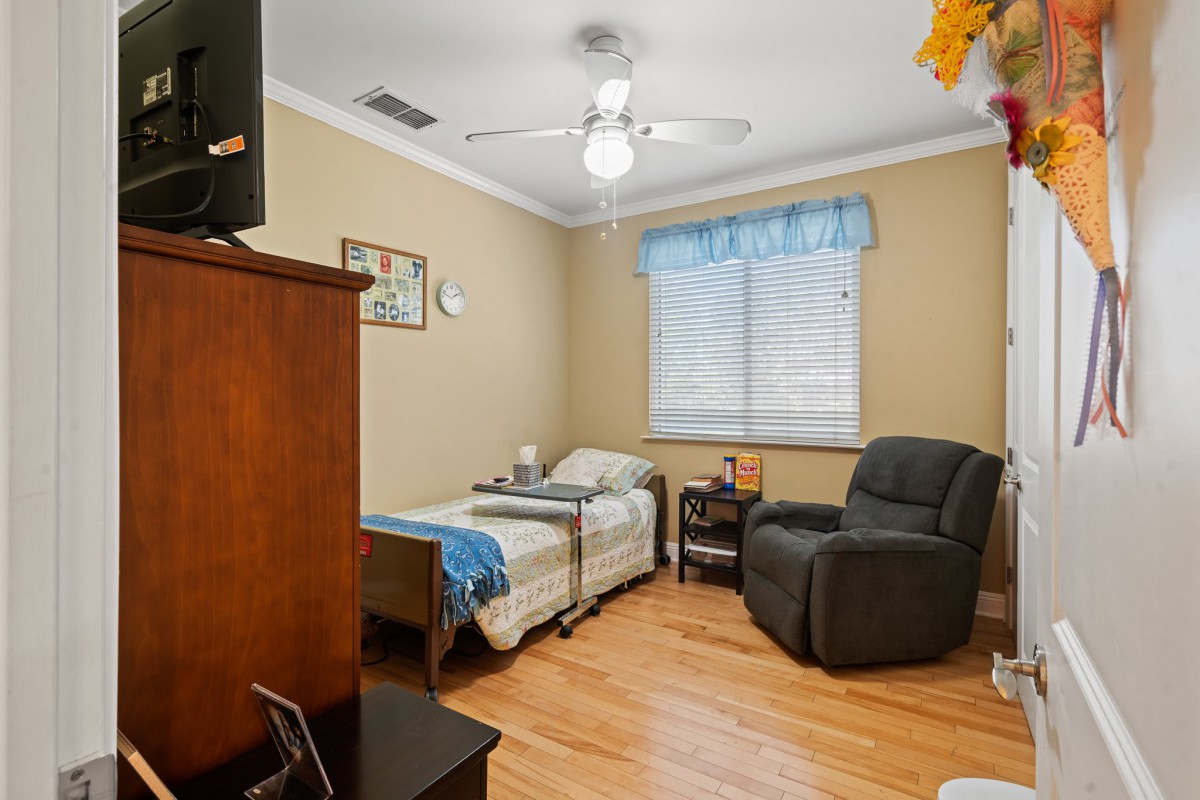
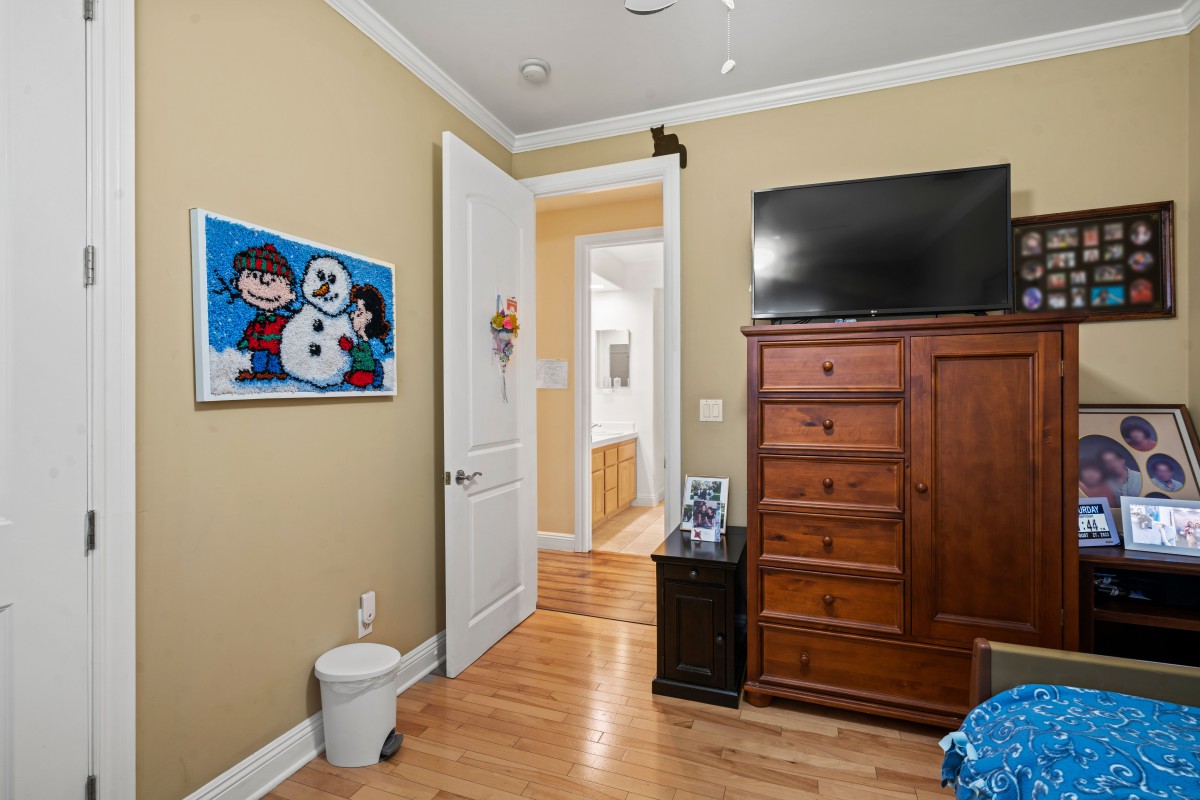
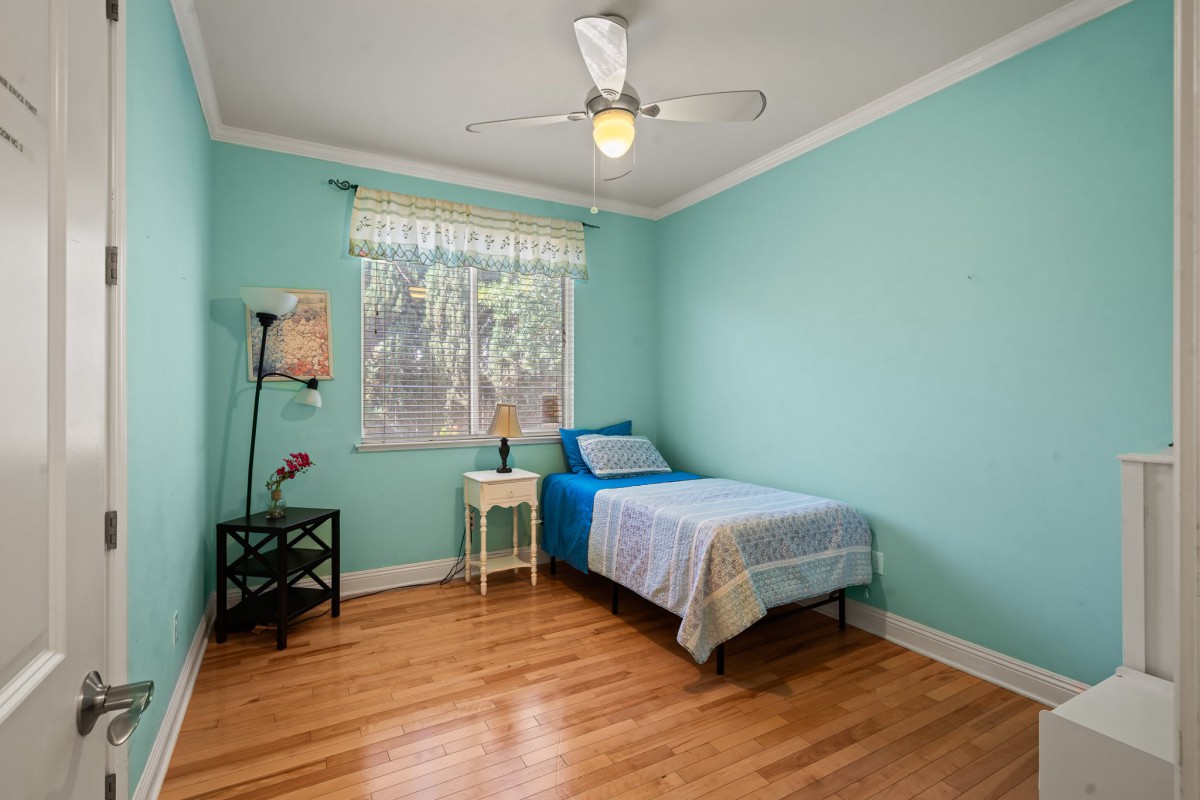
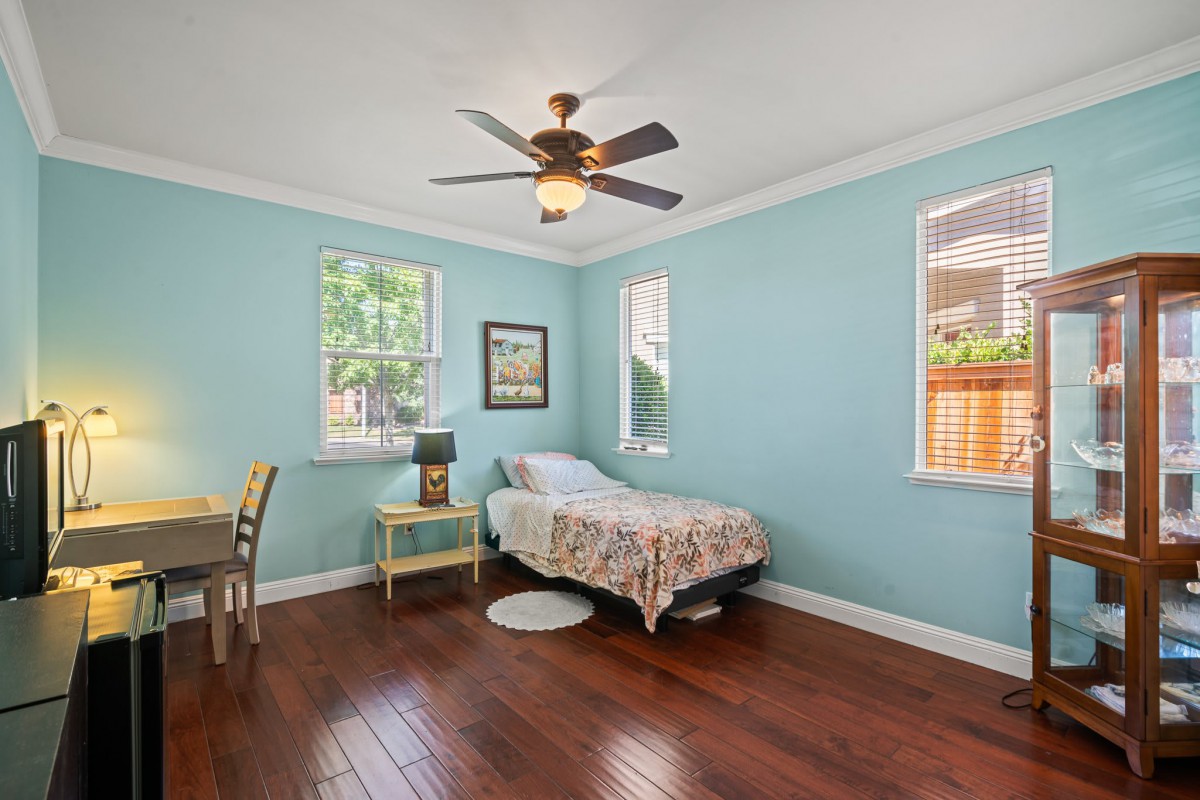
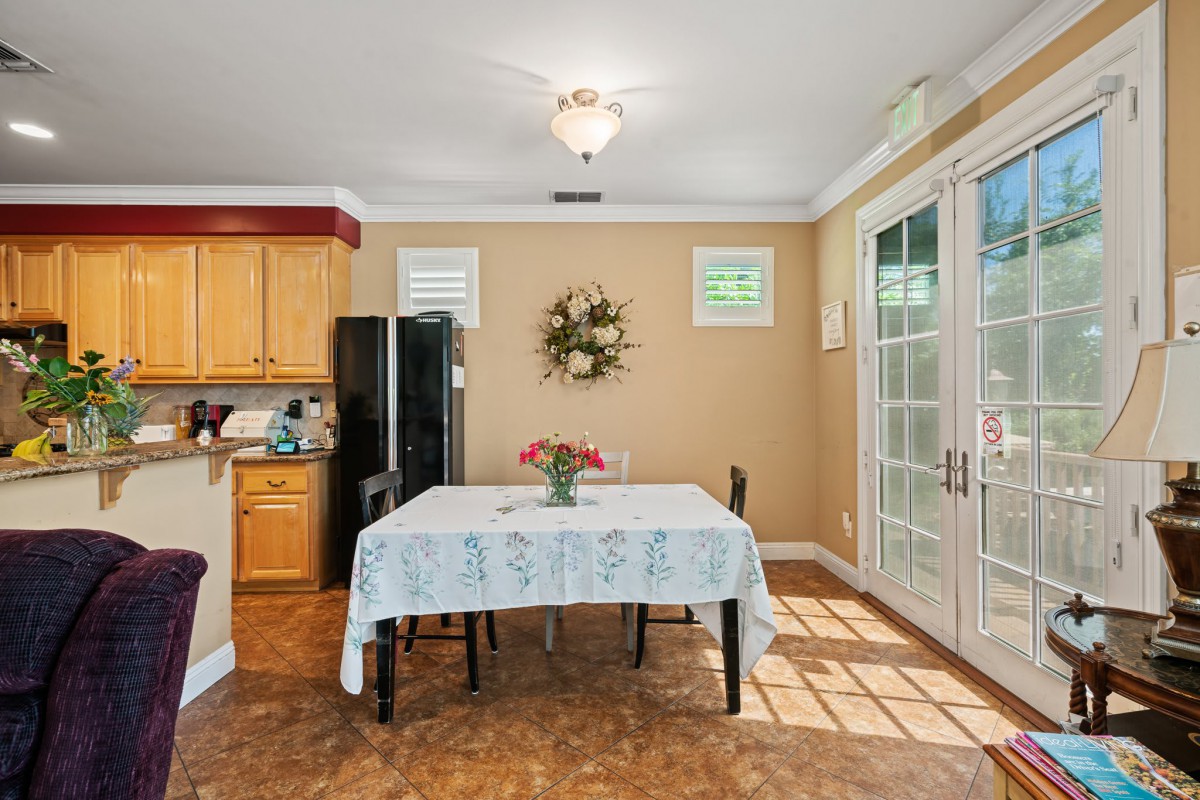
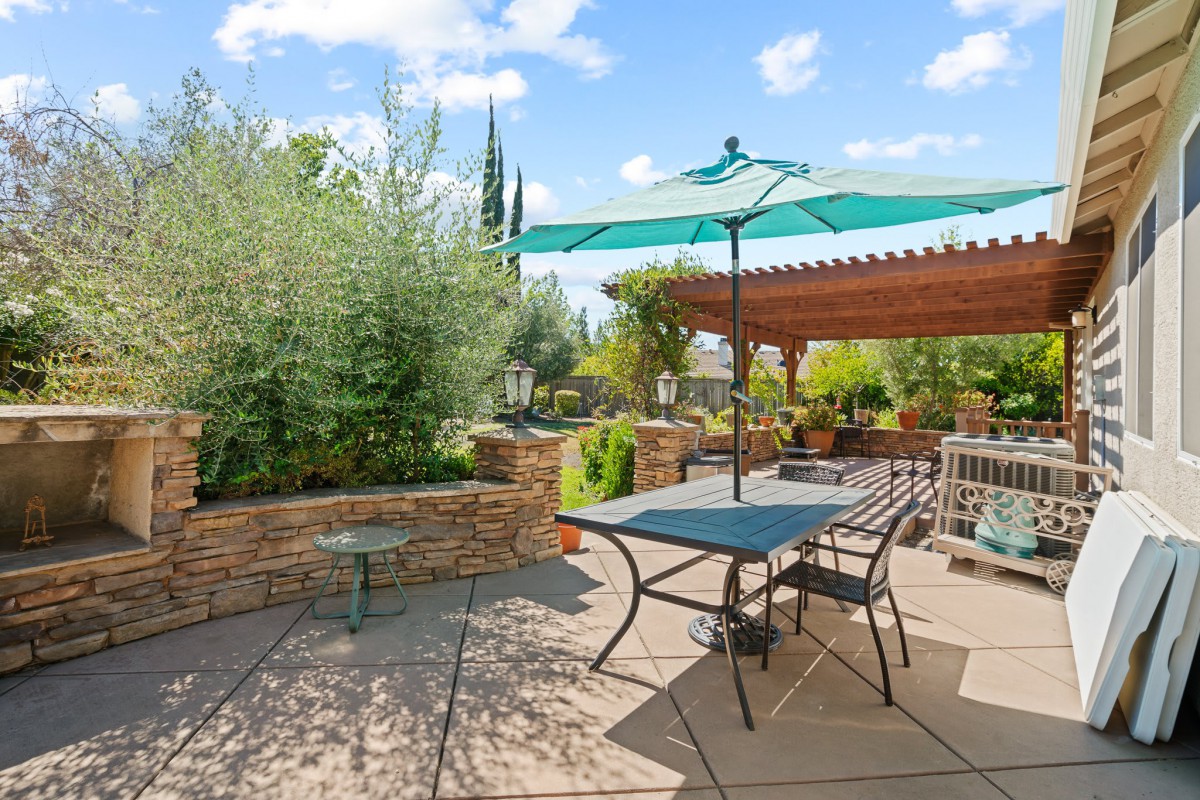
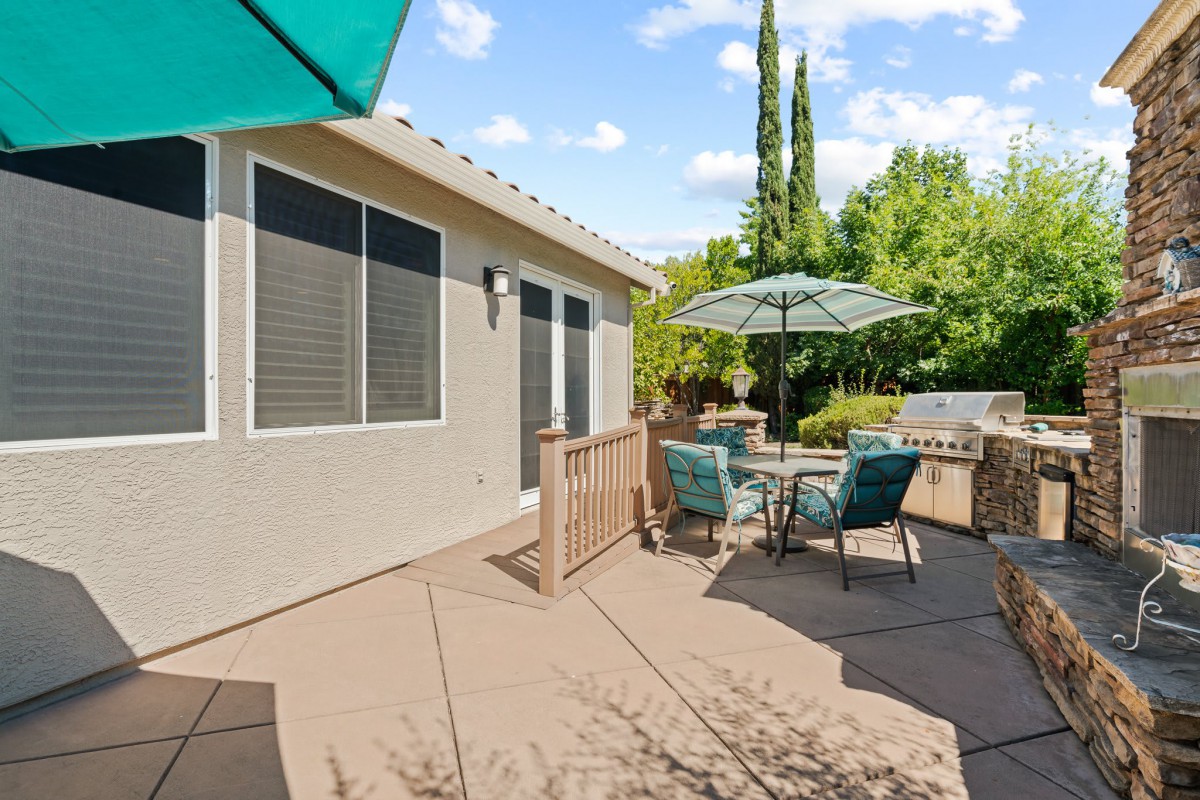
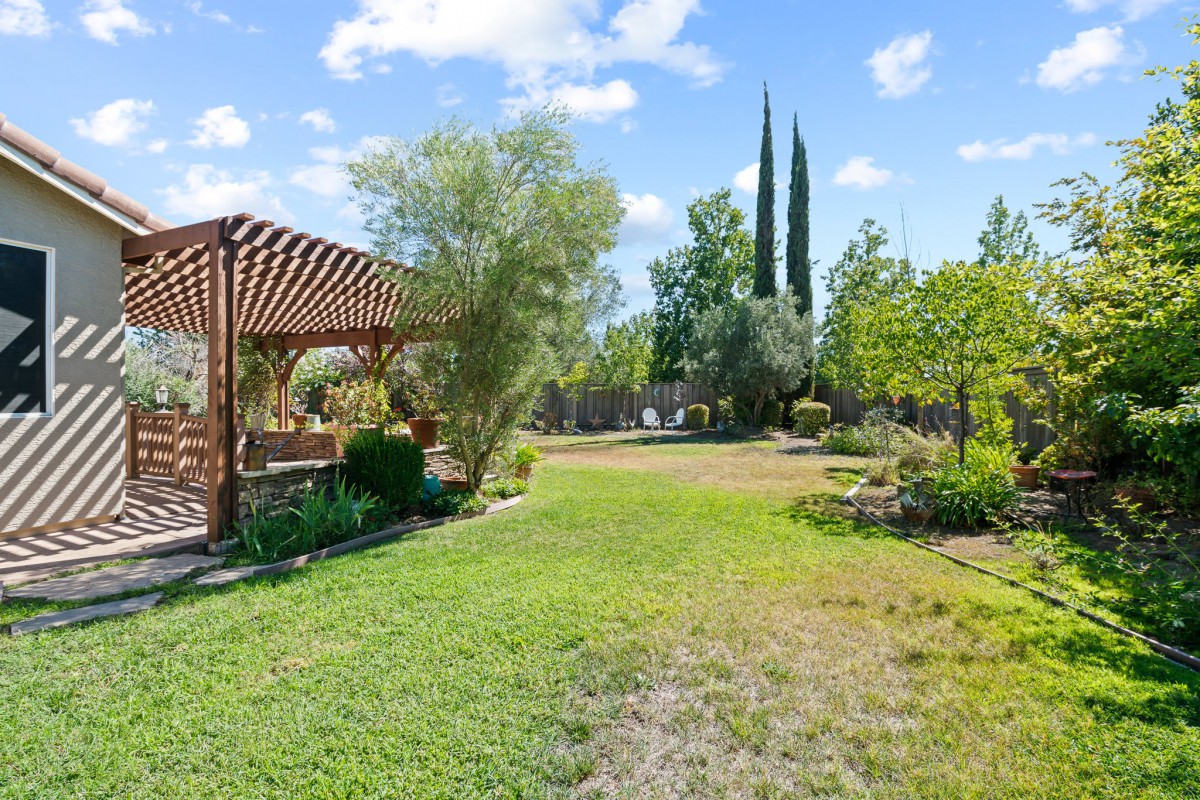
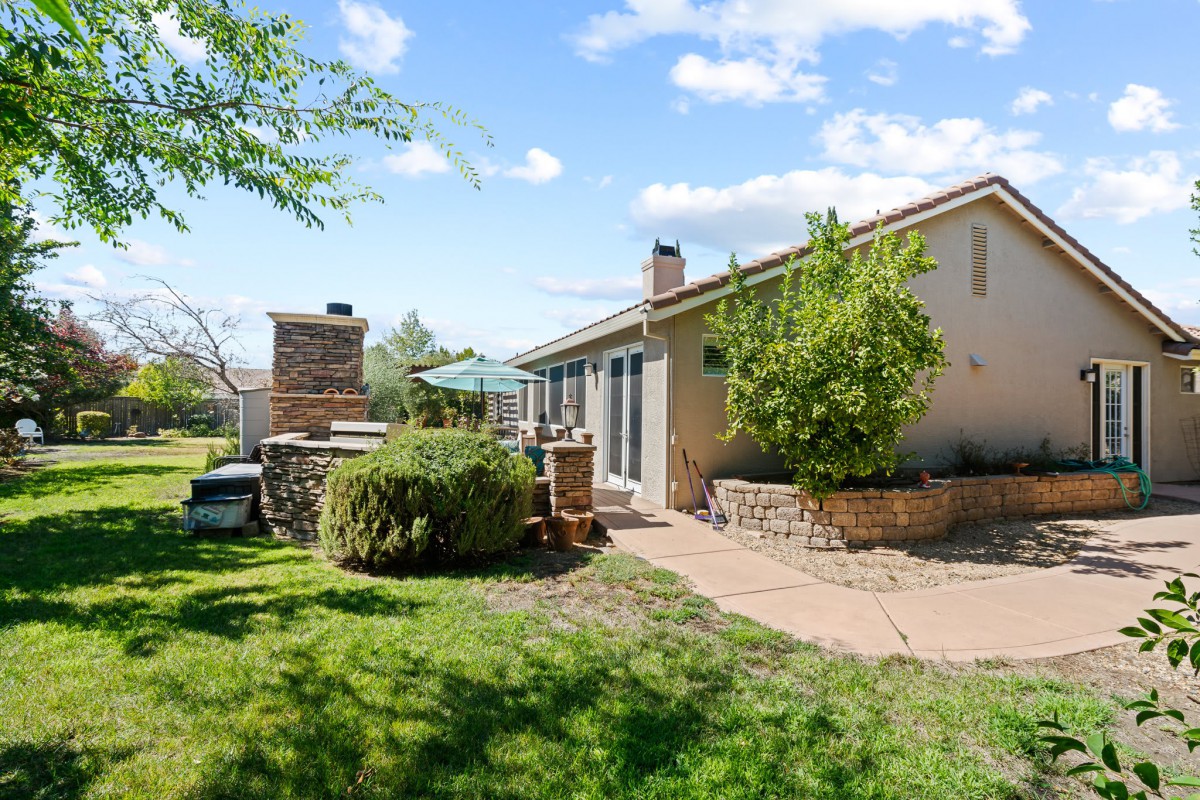
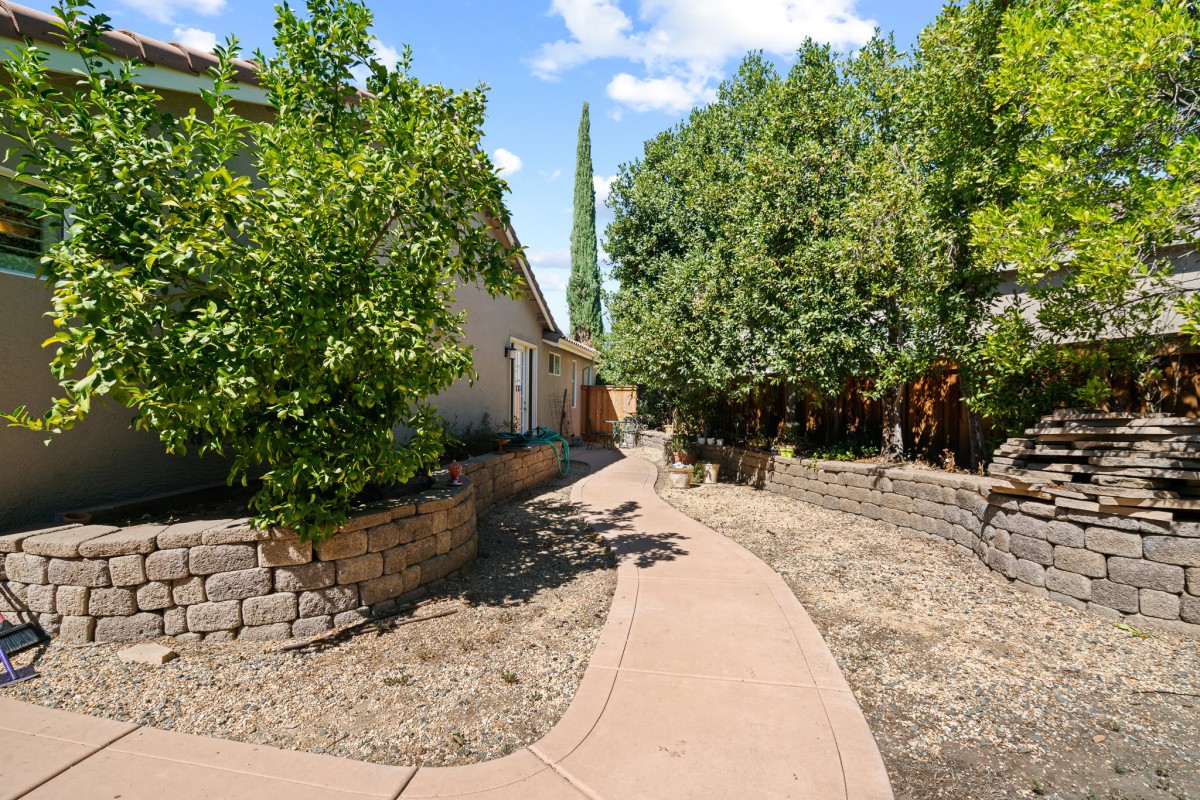
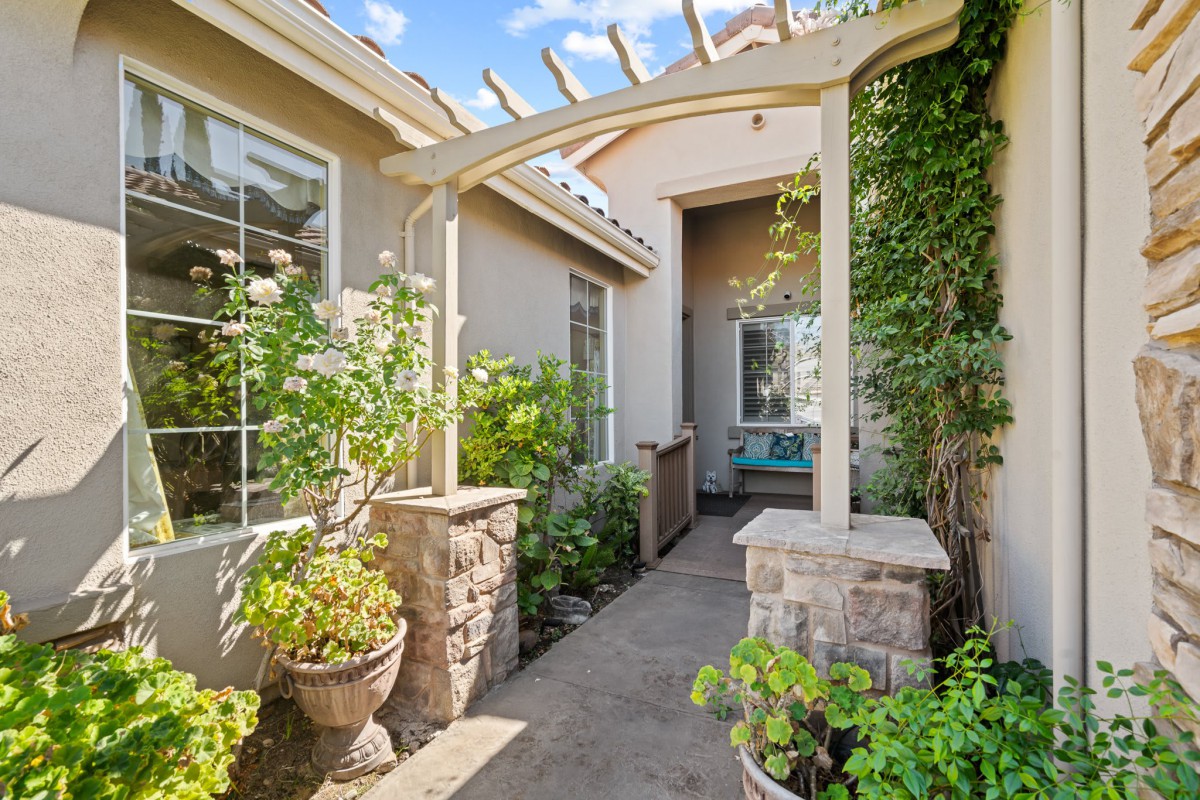
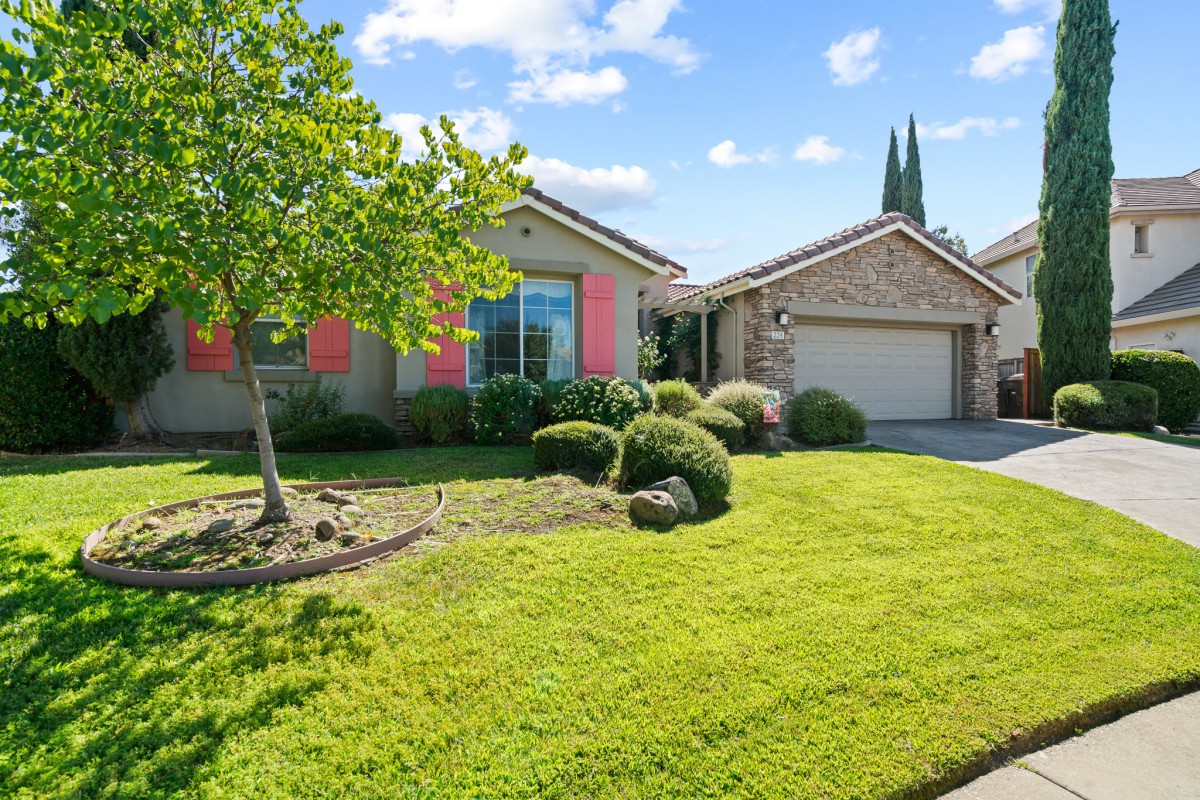
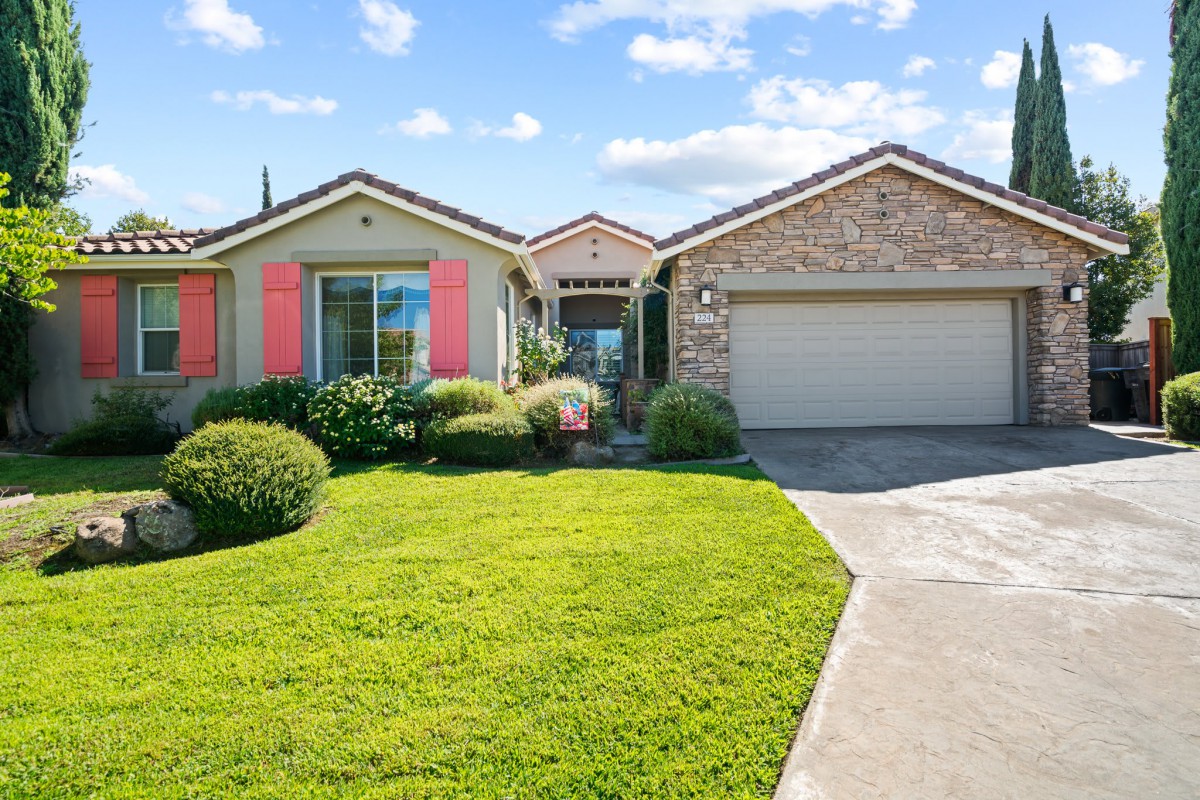
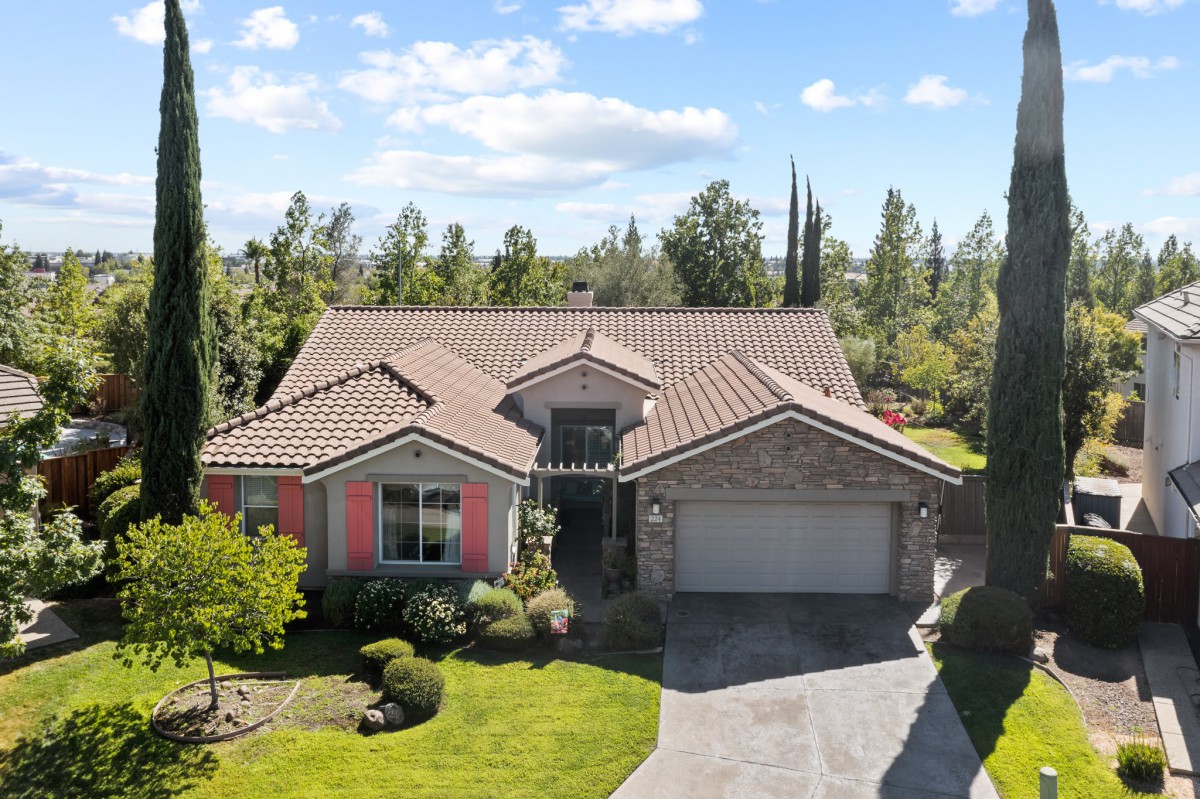
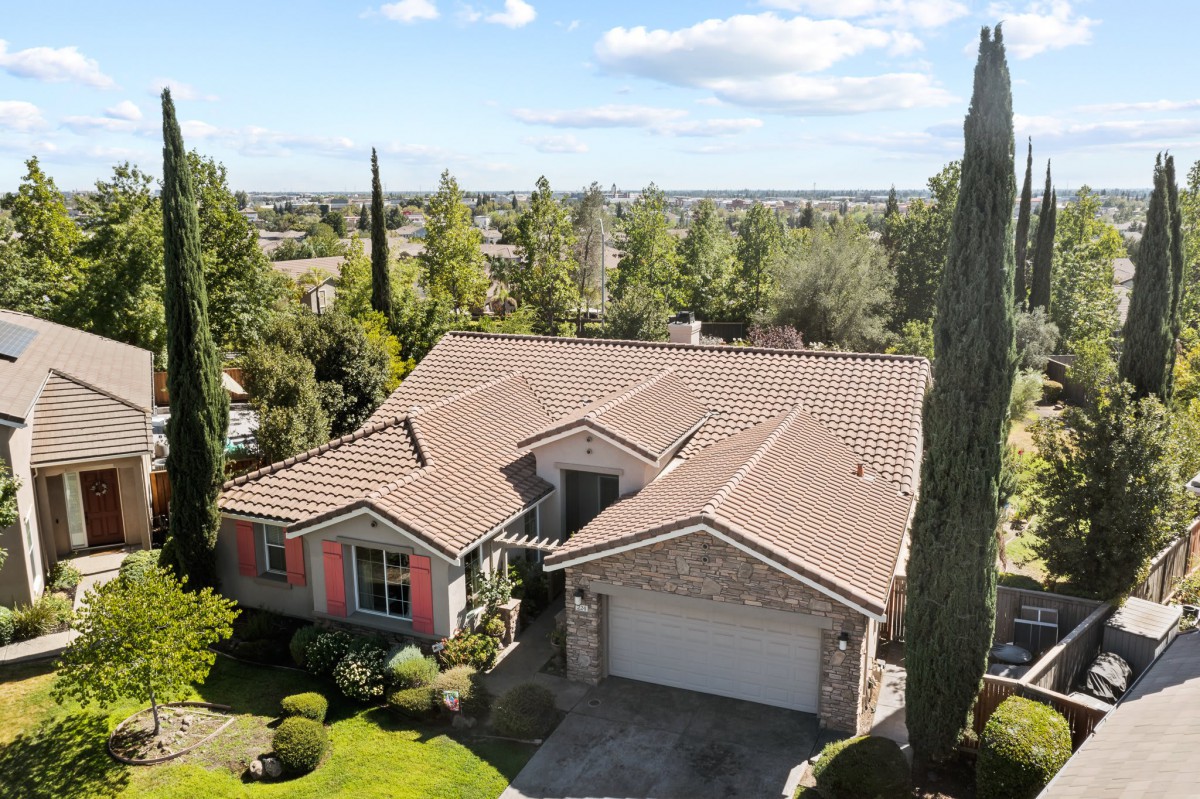
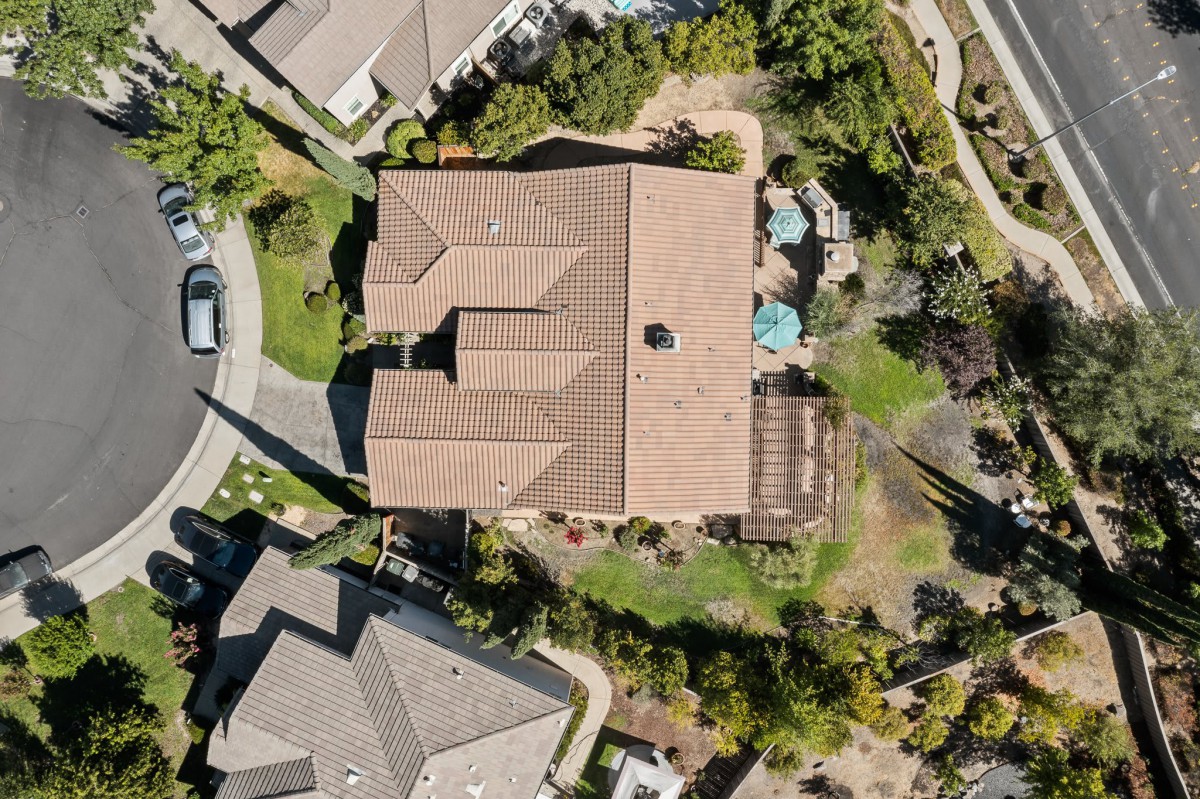
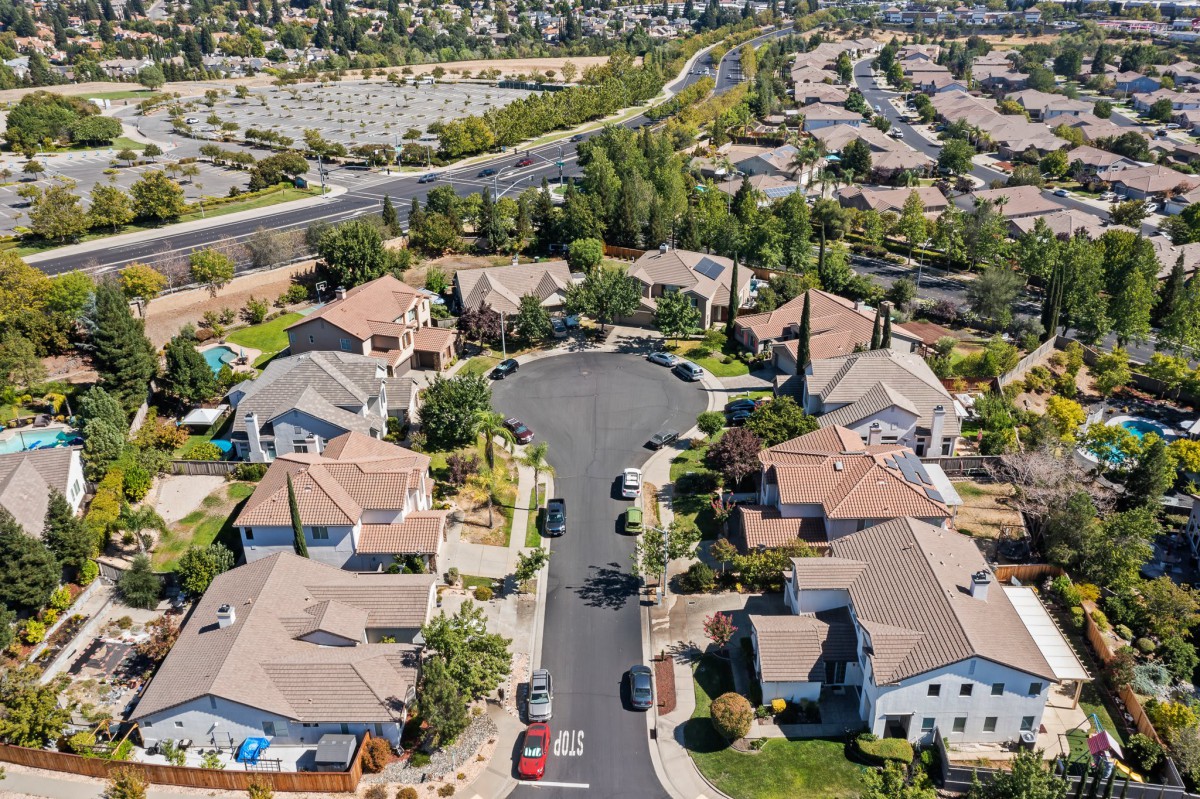
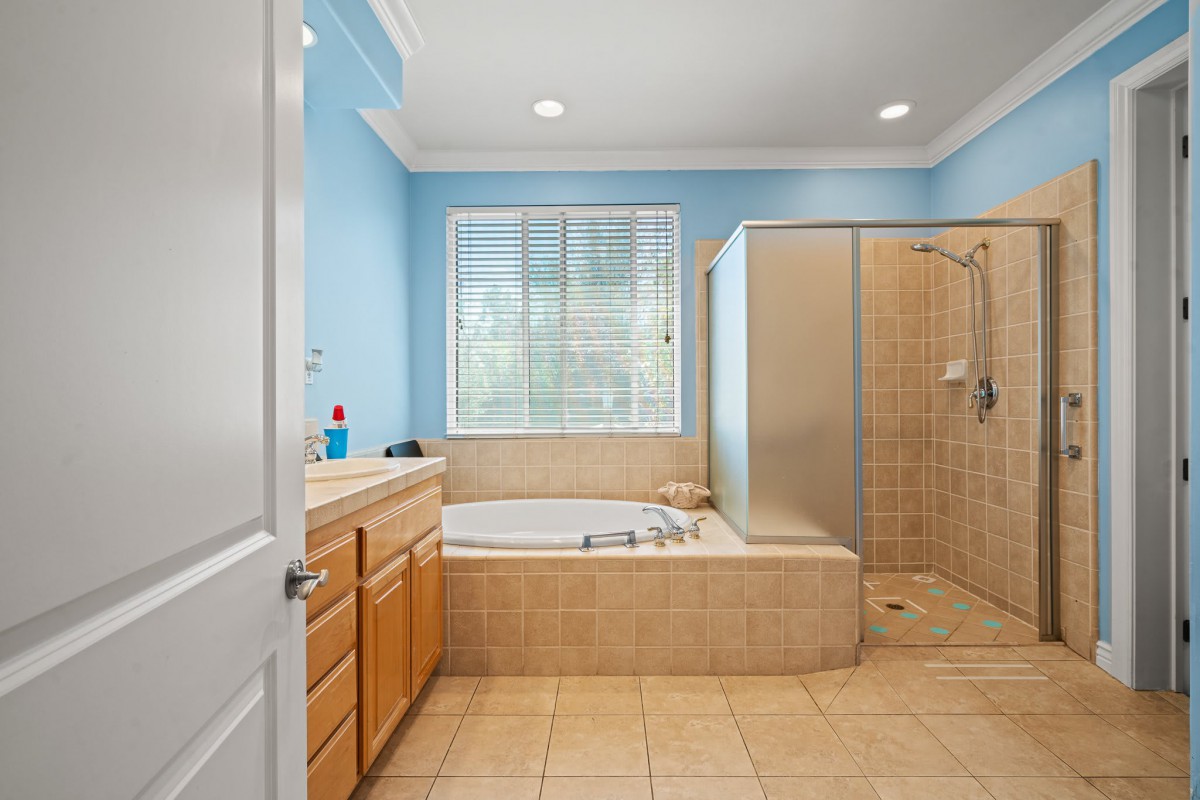
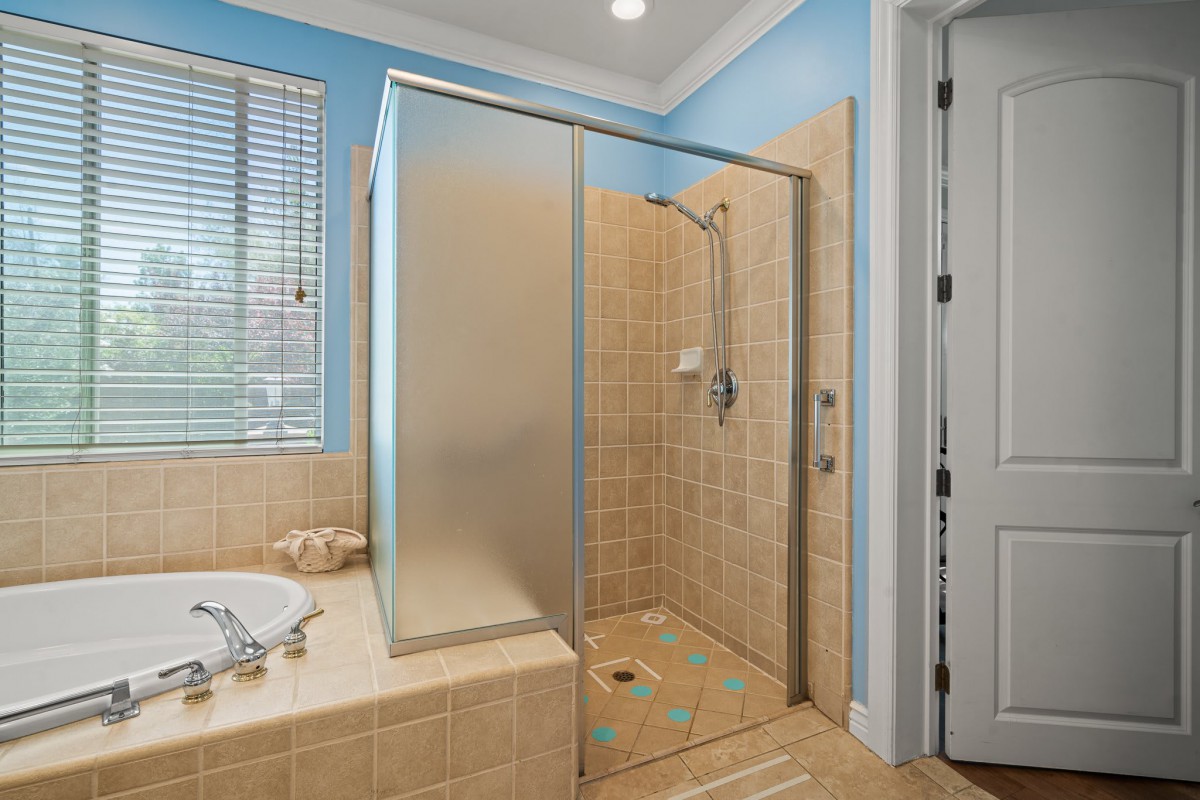
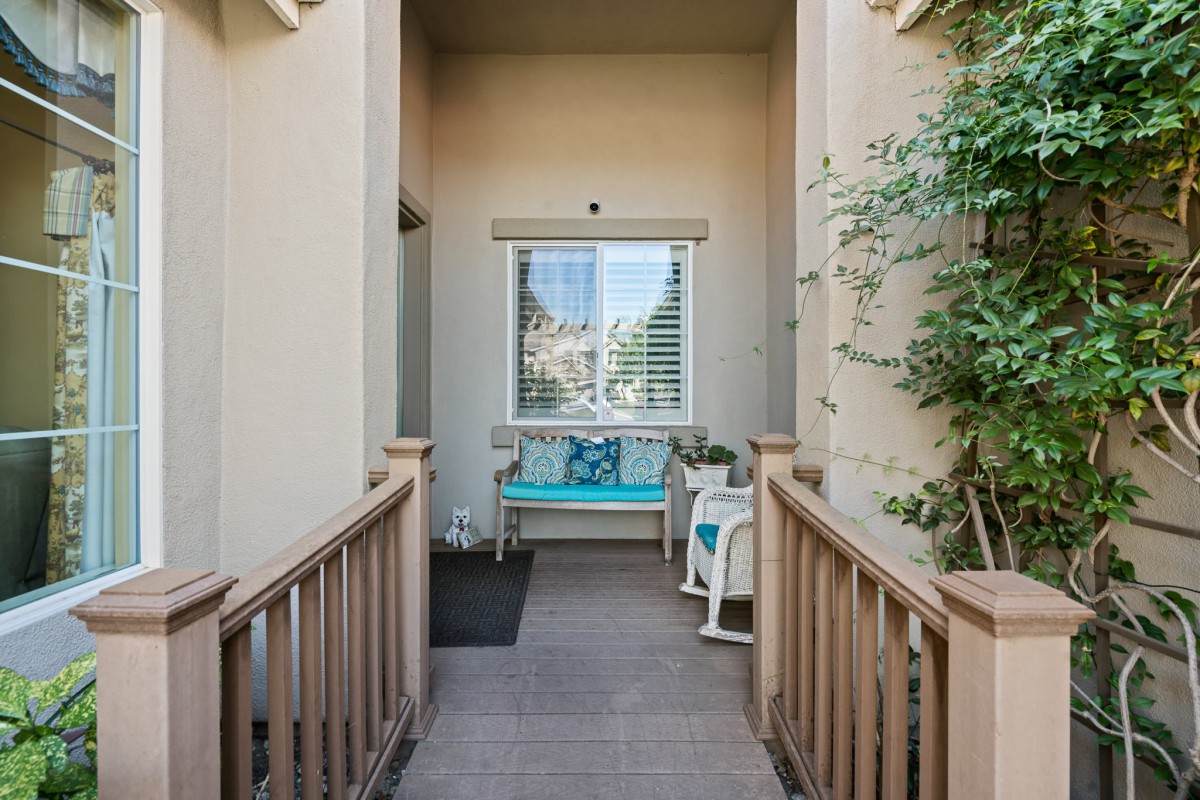
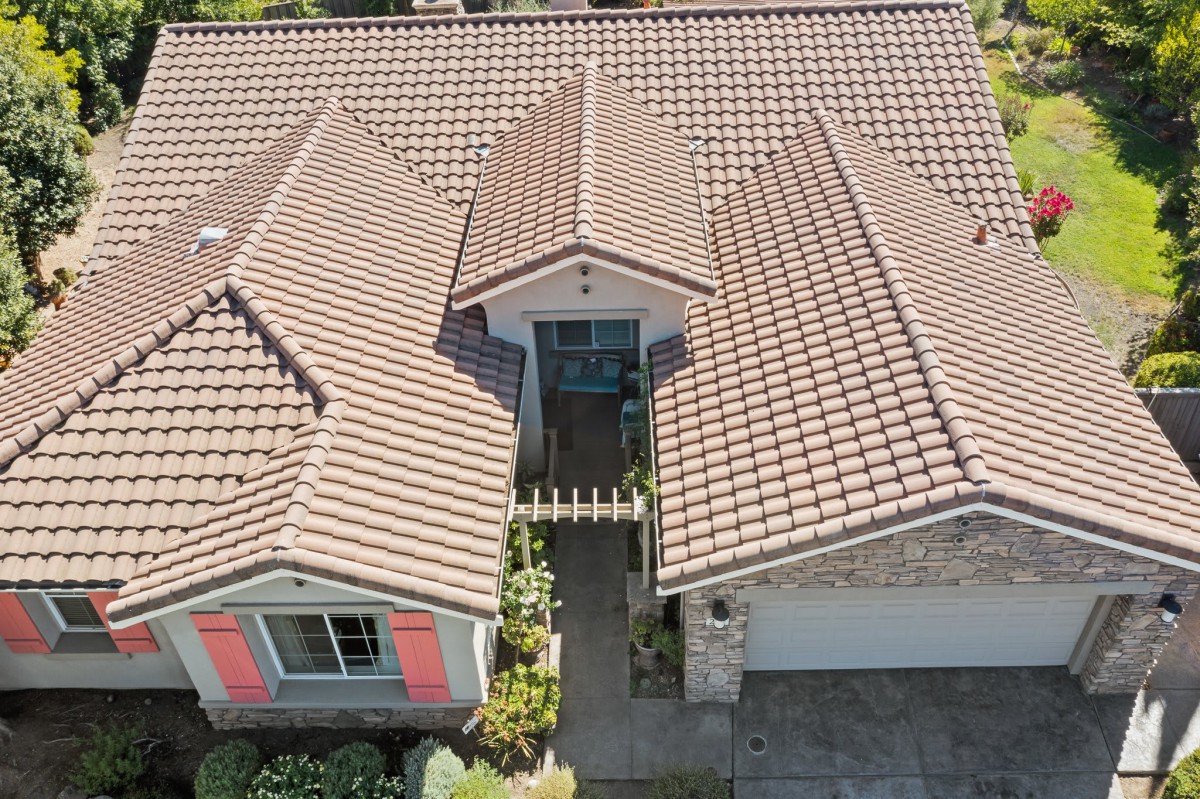
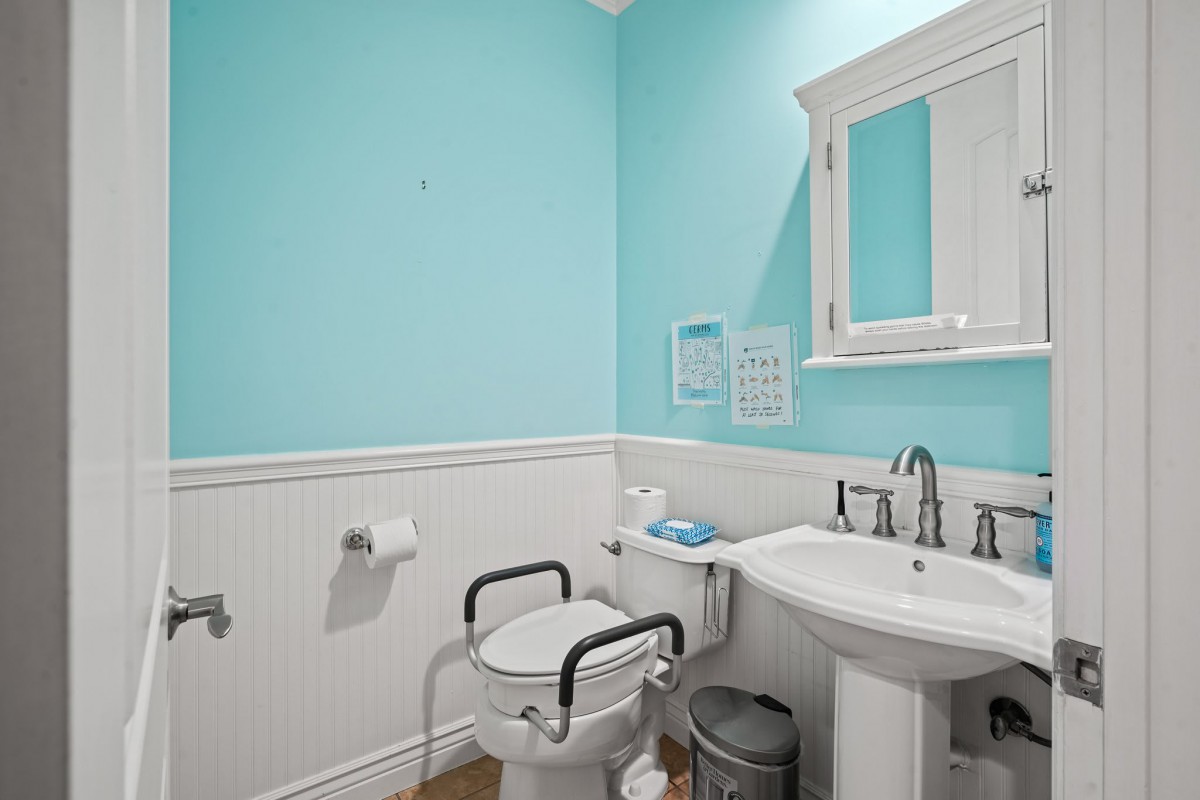
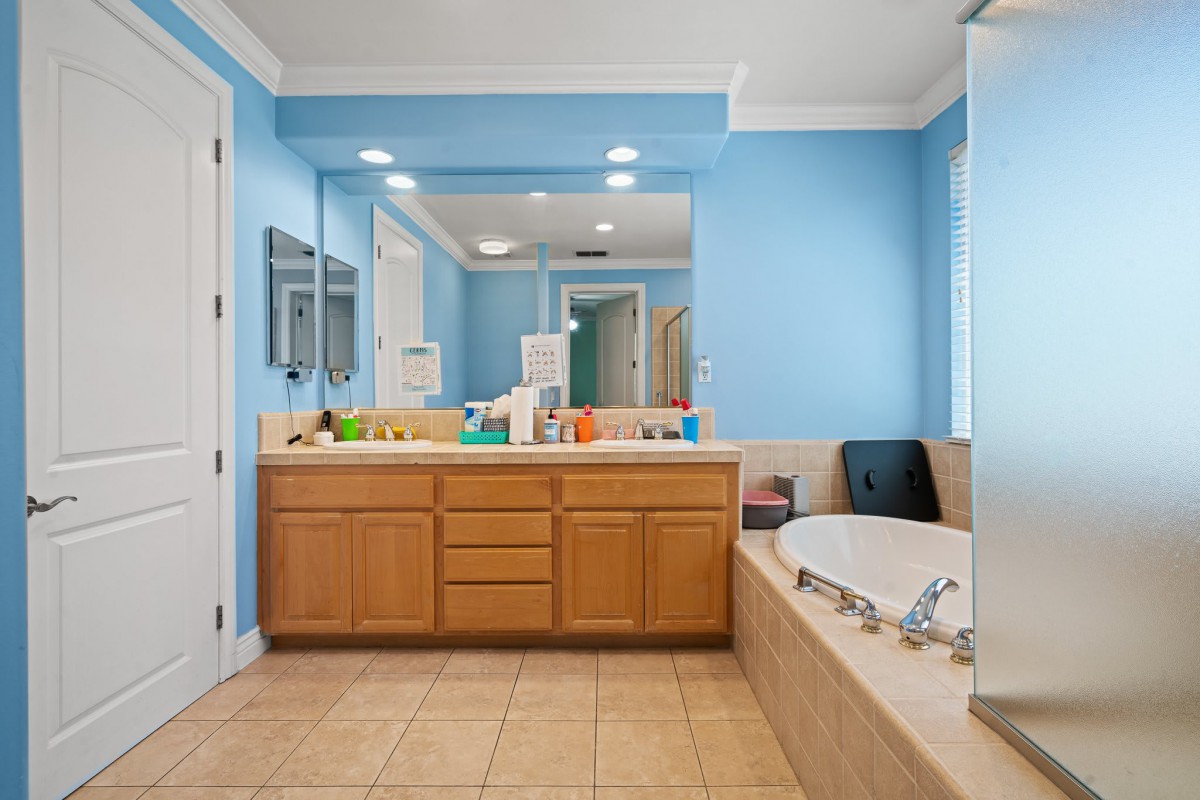
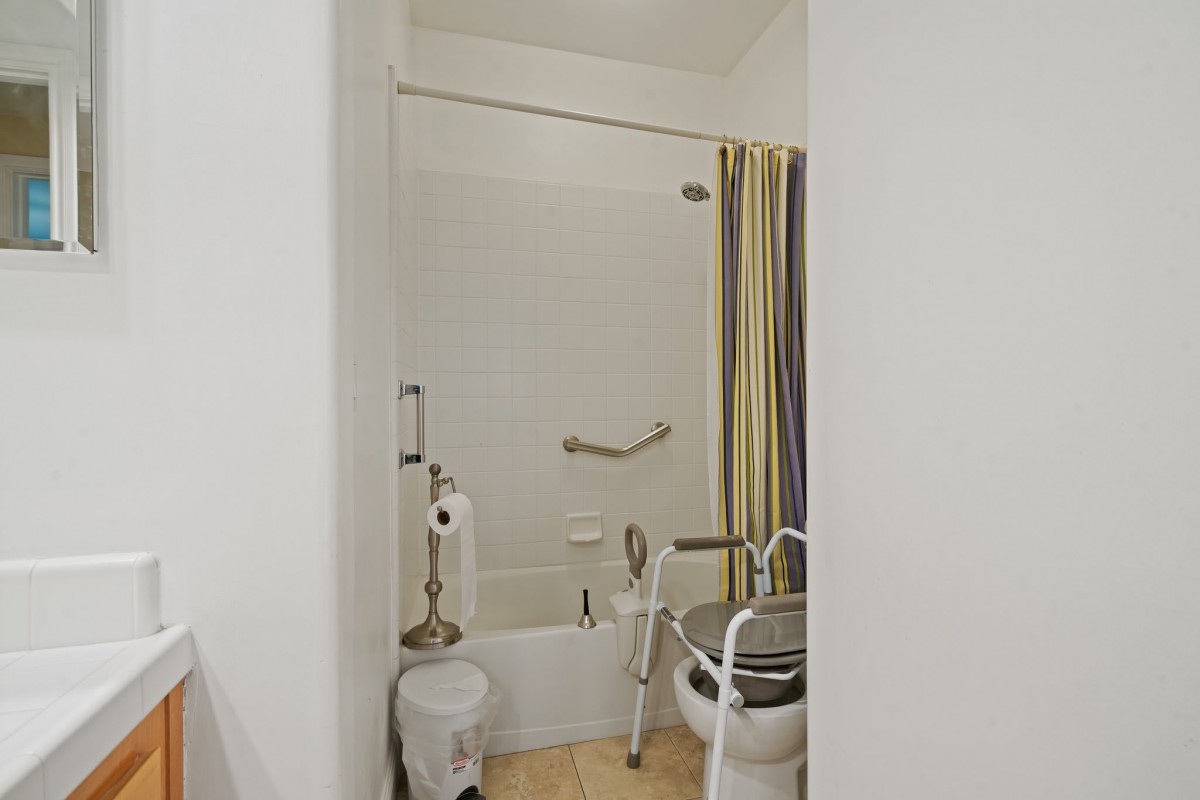
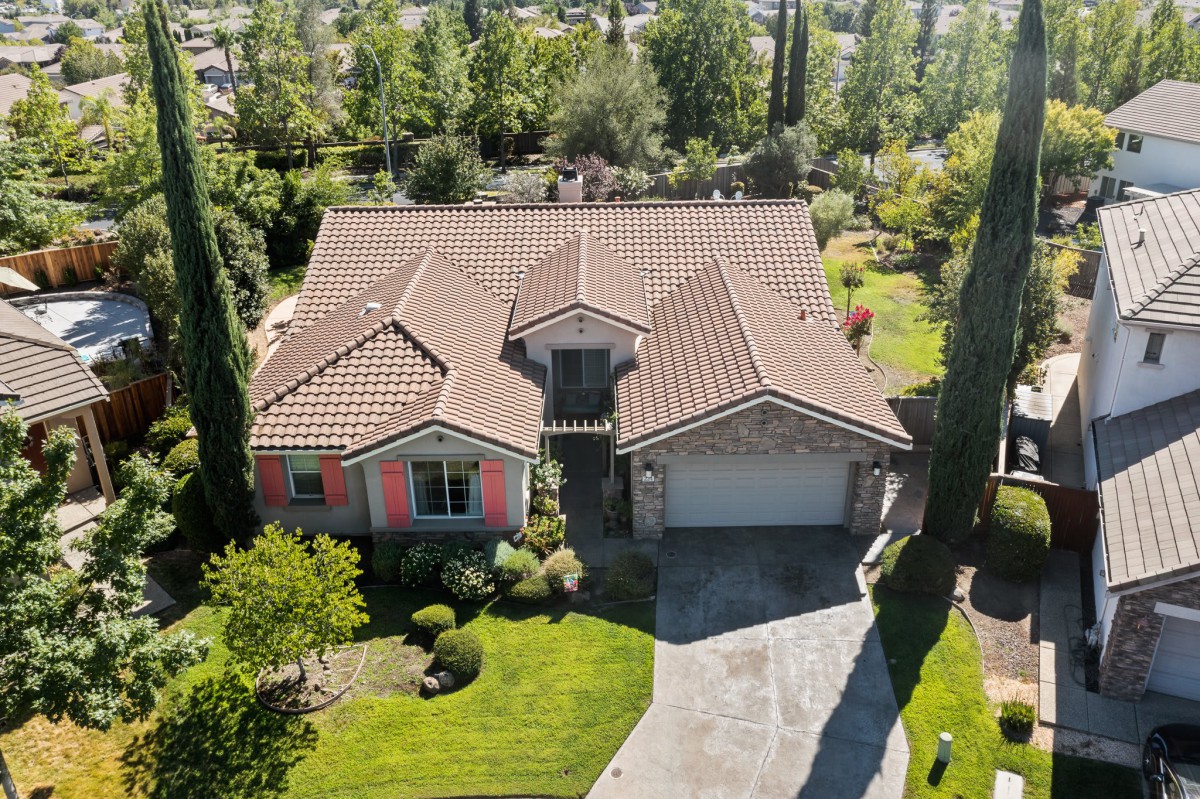
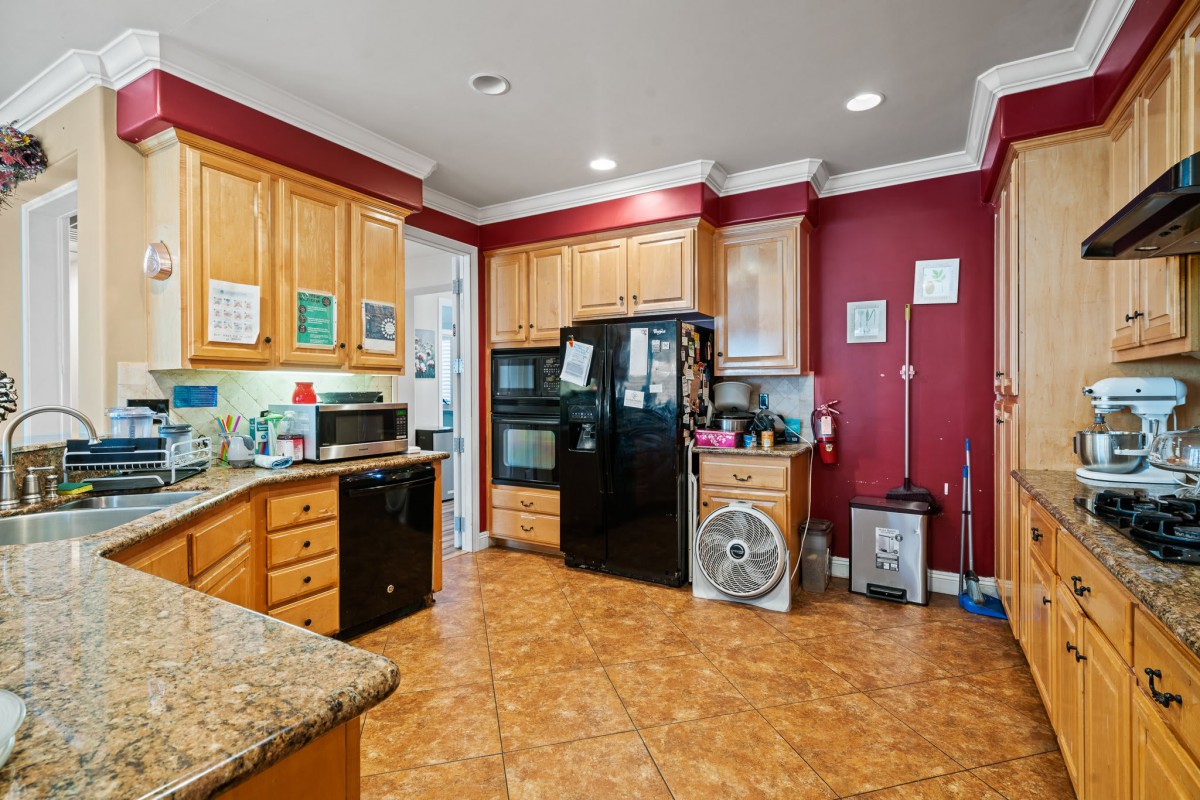
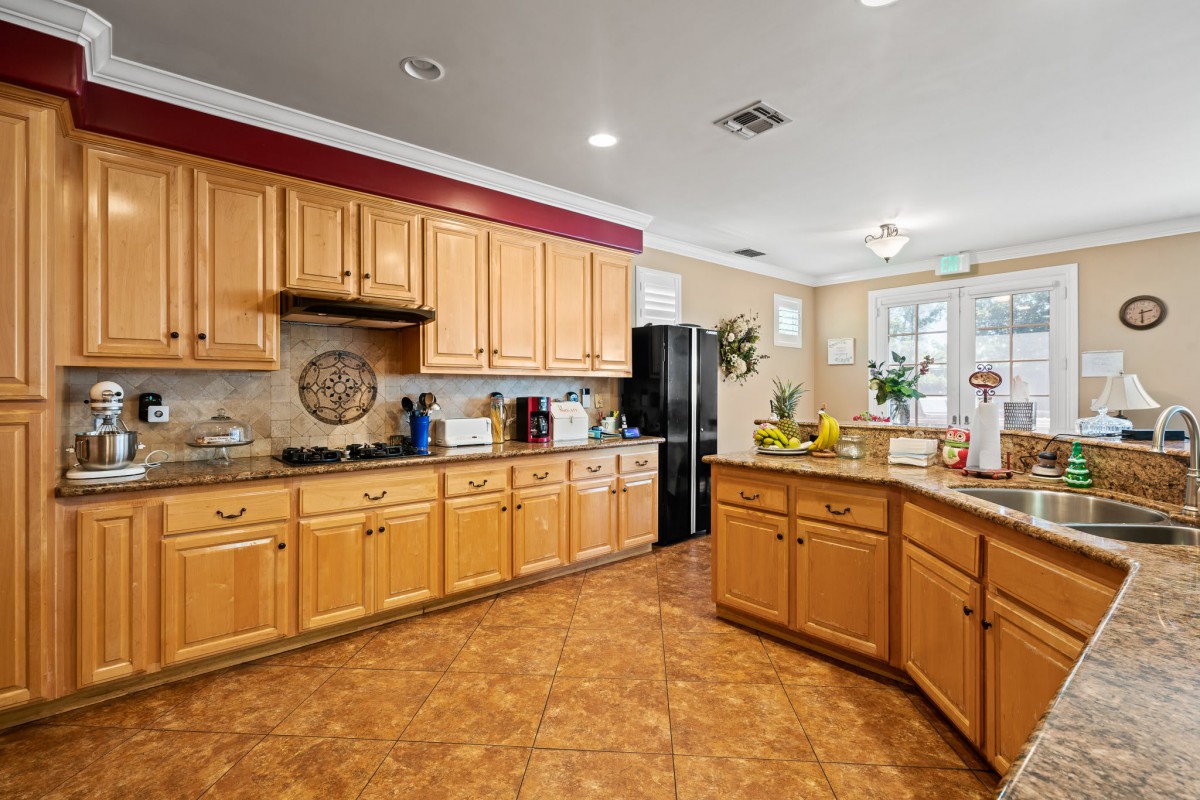
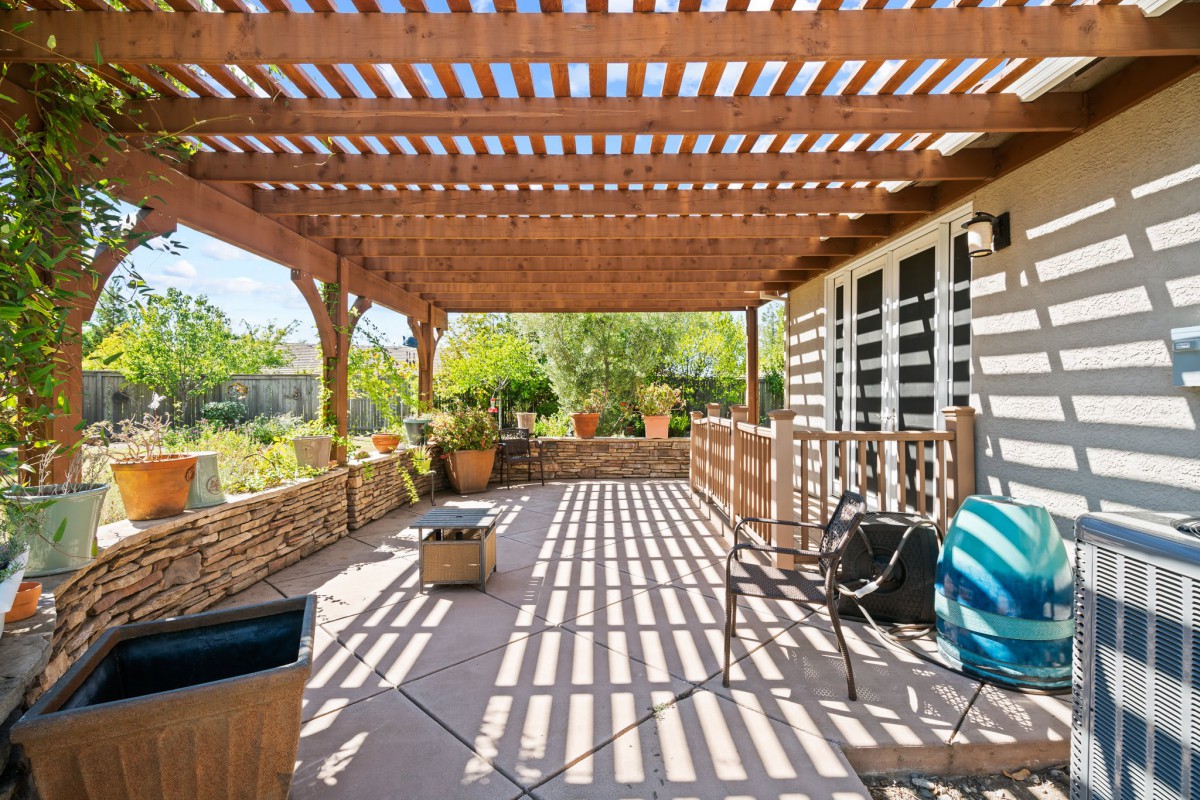
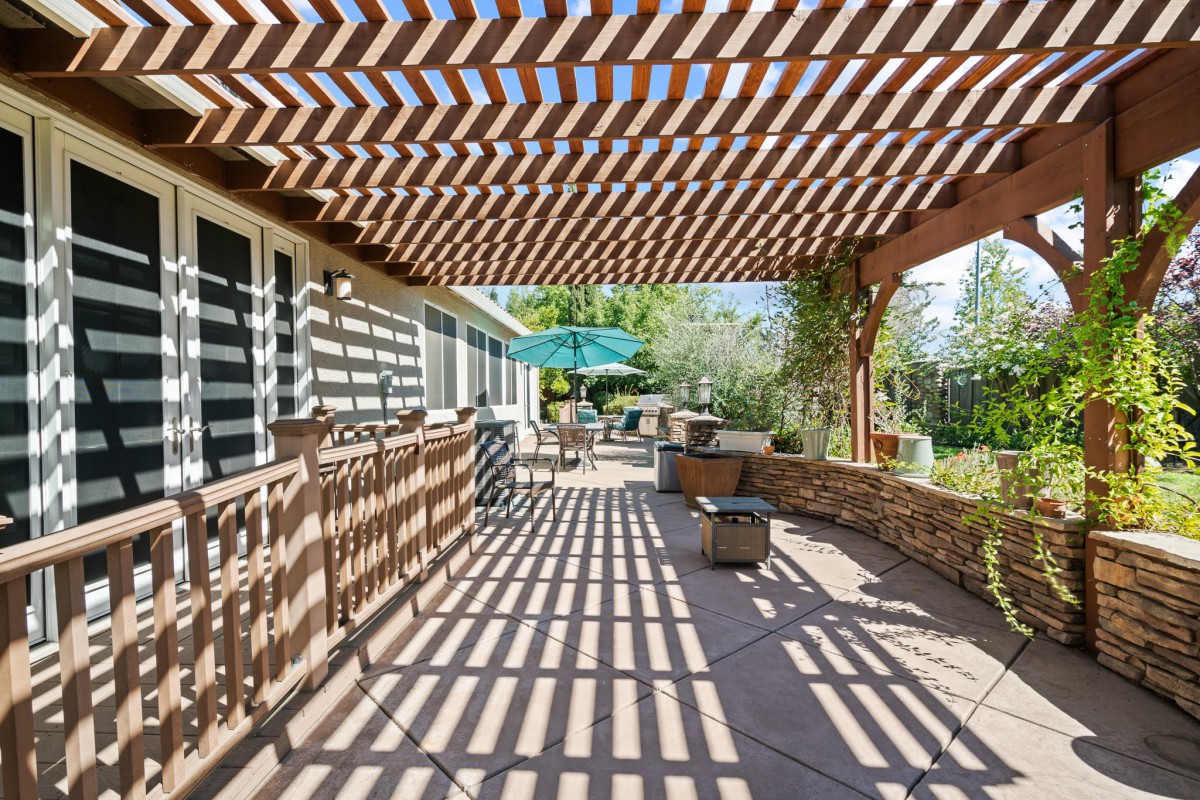
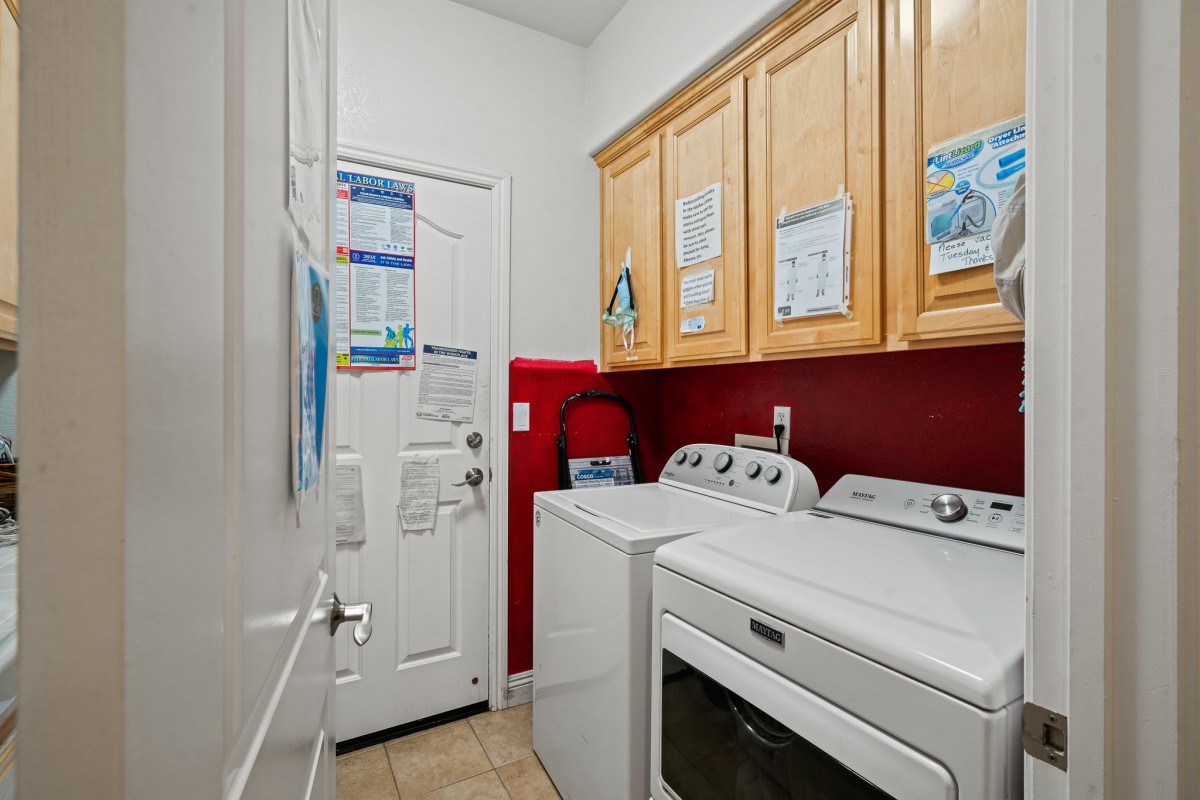
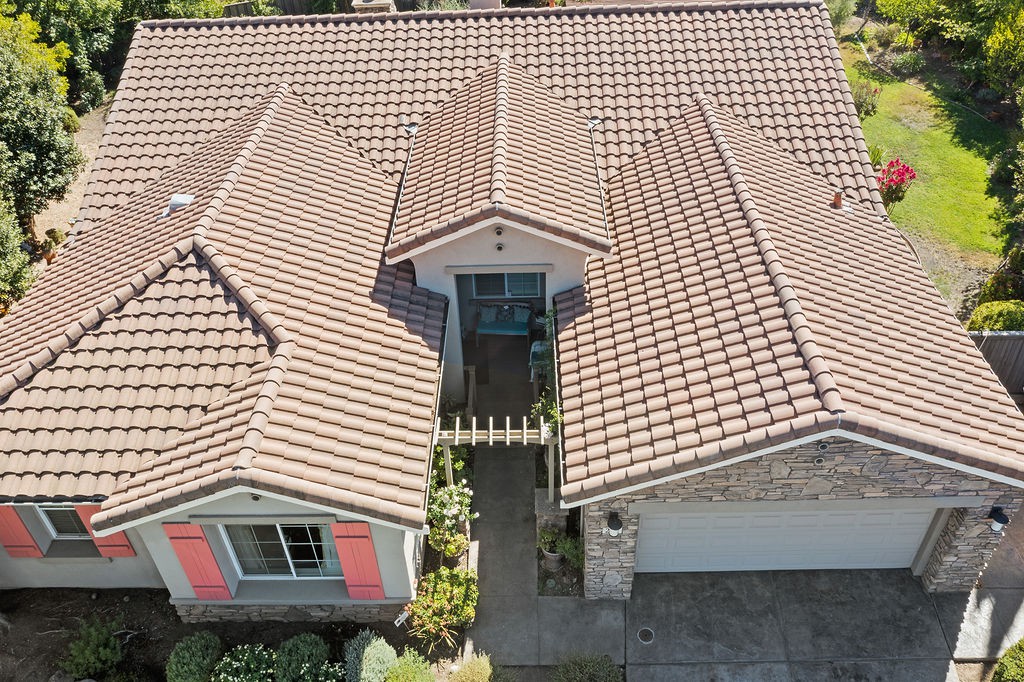
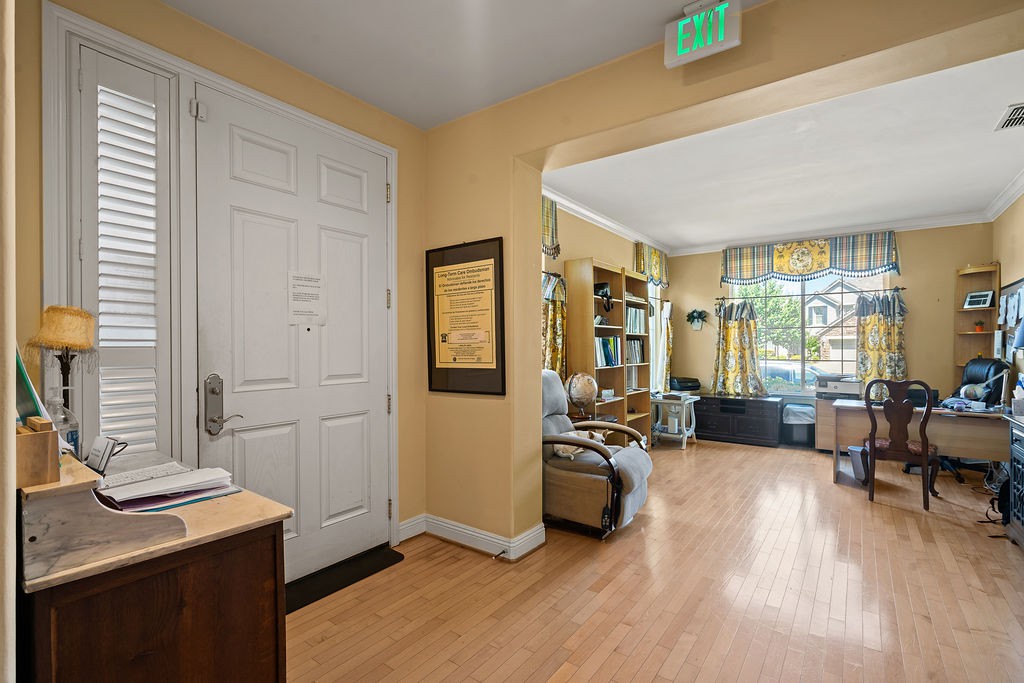
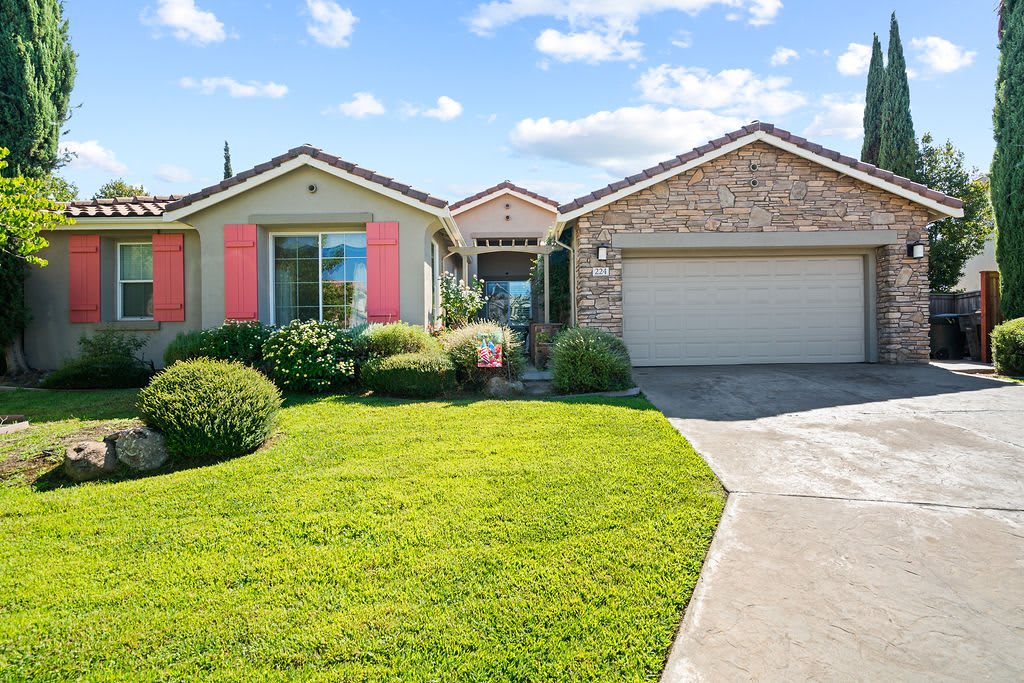
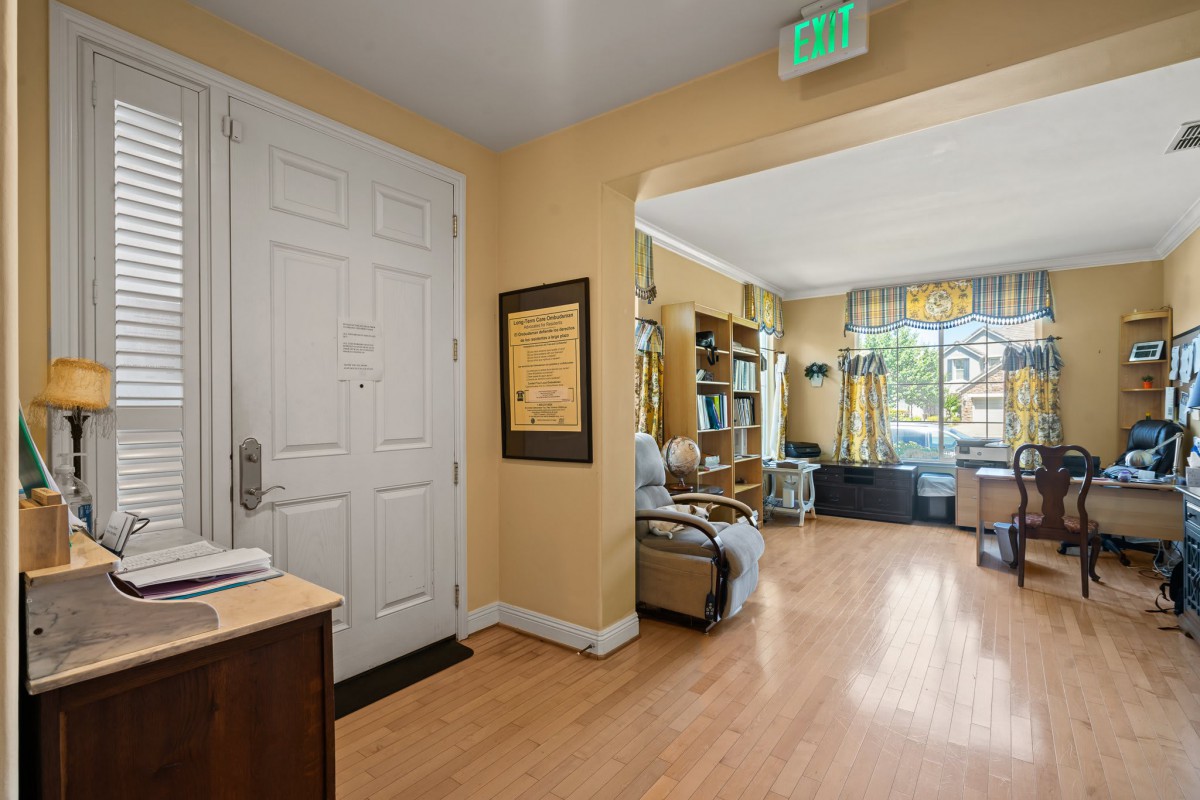
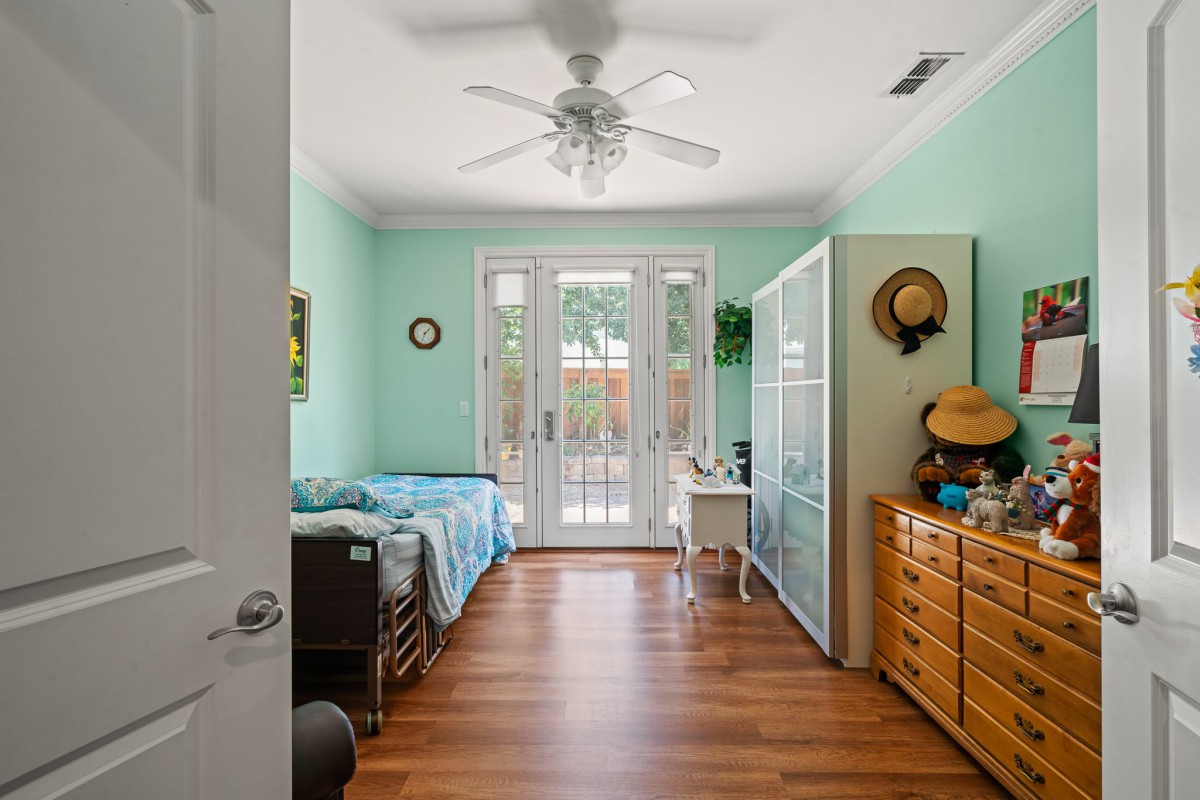
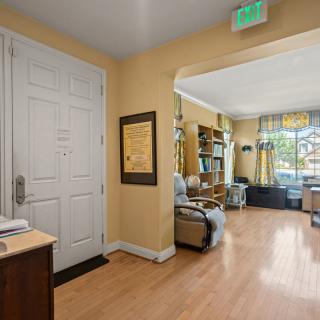
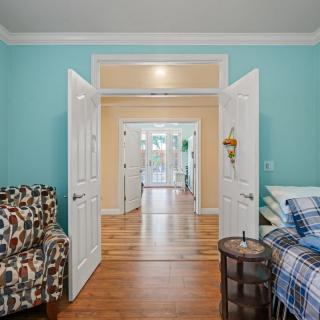
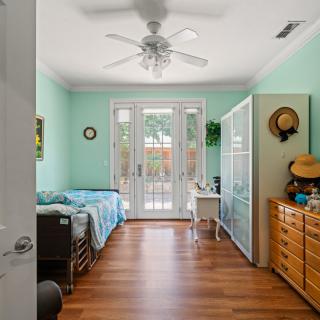
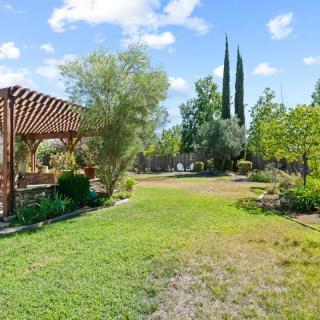
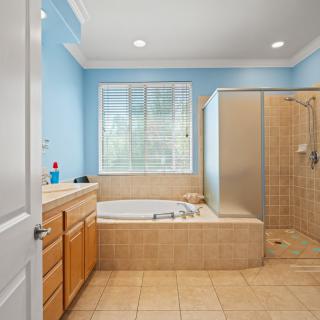
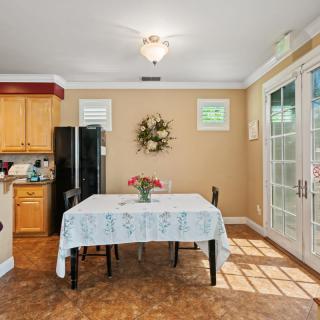
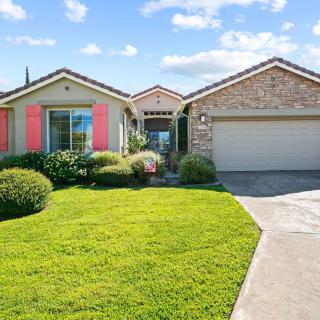
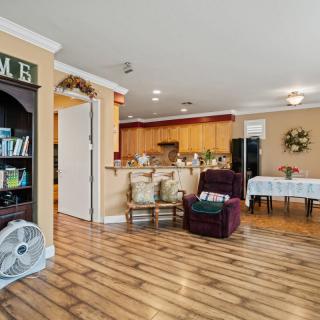
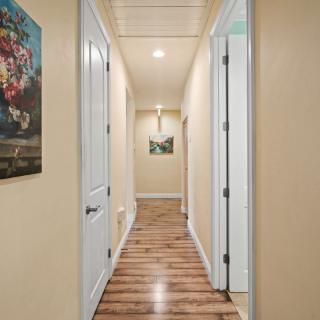
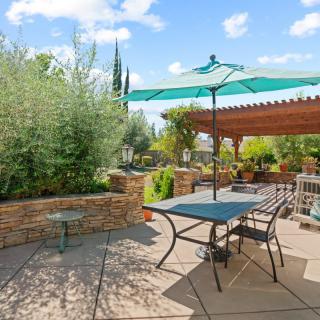
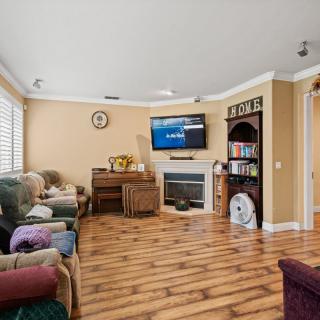
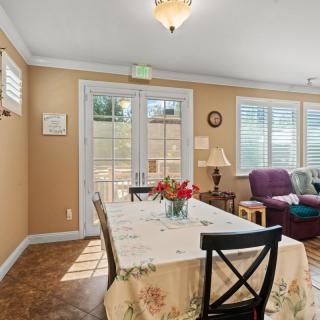
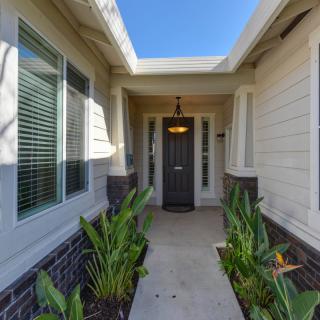
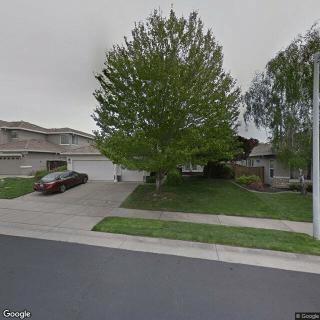
Aunt Dottie's Place on seniors.fyi includes 54 photos including images showing landscaping, interior, bedroom, bathroom, windows, garden, decor, patio, and more.
Nearby Communities
A-Plus Senior Care
Roseville, CA
4.9 from 100 reviews
Comprehensive care and amenities (meals, housekeeping, transport, activities) in a furnished, garden-friendly setting.
Rosepointe
Roseville, CA
4.5 from 6 reviews
$3,500 to $5,500 / month
Attentive staff (Flo) and excellent meals; pristine facility with engaging activities.
Joann's Home Care
Roseville, CA
5 from 3 reviews
Comprehensive assisted living with 24-hour supervision, meals, activities, and transportation to appointments.
Spring Blossom Senior Care I
Roseville, CA
5 from 3 reviews
Intimate 6-bed setting with around-the-clock care and inclusive services (meals, transportation, housekeeping, medication management).
Splendor Oaks Senior Living #2
Roseville, CA
4.2 from 5 reviews
$4,000 / month
Friendly, attentive staff and a clean, well-maintained environment.
Imperial Home Care
Roseville, CA
4.6 from 118 reviews
$4,500 to $5,500 / month
Attentive staff with personalized care in a clean, welcoming setting and a strong sense of community.
BrightStar Roseville
Roseville, CA
4.7 from 3 reviews
Friendly, caring staff with responsive administration and clear communication.
Summerfield of Roseville Memory Care
Roseville, CA
4.7 from 96 reviews
$3,700 to $4,600 / month
Friendly, attentive staff with personalized care and strong family communication in a small, home-like setting.
The Terraces of Roseville
Roseville, CA
4.4 from 143 reviews
$3,195 to $4,695 / month
Friendly staff, strong community, and good value pricing for the area.
The guide highlights the importance of assisted living facilities for aging veterans needing daily support, discusses unique challenges they face, and outlines available financial assistance from the VA, including the Aid and Attendance program. It emphasizes understanding eligibility criteria and navigating the VA system to access necessary benefits effectively.
The article compares assisted living and skilled nursing facilities, detailing their differing levels of assistance, medical support, cost structures, and day-to-day experiences. It emphasizes that assisted living is for those needing help with daily activities while maintaining independence, whereas skilled nursing facilities provide intensive medical care with 24-hour staff supervision.
The transition from assisted living to skilled nursing care is often prompted by complex medical needs that assisted living cannot meet, with key indicators including frequent health declines, increased falls, severe memory issues, and caregiver burnout. Families should recognize these signs early to discuss options with healthcare providers and prepare for the emotional and logistical aspects of moving to a facility that offers comprehensive medical support.
Get PricingAsk A QuestionSchedule A TourContact Senior Advisor
By clicking submit, you agree to our Partner's Terms of Use. You
also consent to receive calls and texts, which may be autodialed, from our Partner. Your consent is not a condition to
using our Partner's service. Please visit our Partner's Privacy Policy for information about their privacy practices.


 6 resident community capacity
 Assisted Living
 Board and Care Home
 Respite Care
 Activities off-site
 Bath tubs
 Beautician on-site
 Cable or satellite TV
 Devotional services off-site
 Dining room
 Fully furnished
 Garden
 Housekeeping services
 Indoor common areas
 Move-in coordination
 Outdoor common areas
 Private
 Private bathrooms
 Telephone
 Wheelchair accessible showers
 Wi-Fi/high-speed internet available
 Sacramento International (18 miles away)
 24-hour supervision
 Assistance with bathing
 Assistance with dressing
 Assistance with transfers
 Diabetes diet
 High acuity care
 Incontinence care
 Meal preparation and service
 Medication management
 Special dietary restrictions
 Transportation arrangement (medical)
 Transportation to doctors appointments
 Comprehensive care and amenities (meals, housekeeping, transport, activities) in a furnished, garden-friendly setting.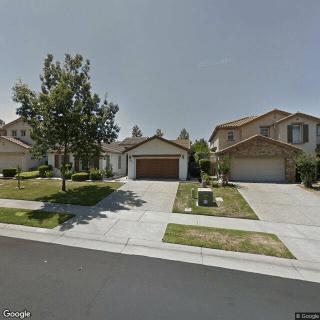
 Assisted Living Support for Veterans: A Complete and Detailed Overview
 Exploring the Contrasts Between Assisted Living and Skilled Nursing
 8 Key Indicators That Suggest It May Be Time to Transition from Assisted Living to Skilled Nursing Care