
4750 Country Club Drive, Rohnert Park, CA 94928
For more information about senior living options: (866) 208-4318
Overall Review of Willow Glen Home
Pros
 Zoe runs a fantastic care home in Rohnert Park.
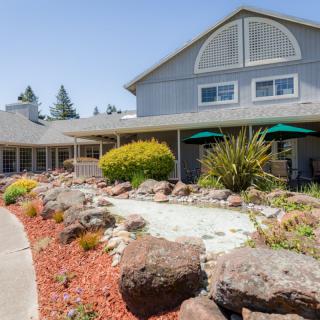
- The care home has a beautiful location, with an expansive backyard and golf course views.
- Residents are well cared for, providing peace of mind to their families.
Cons
 The care home is described as unsafe.
- Residents and a caregiver were admitted to the hospital for food poisoning.
- The fire department is called when a resident falls because the only caregiver cannot lift them by herself.
- Zoe promised two caregivers for six residents, but there is only one.
- Meals are unhealthy and highly processed.
- There is zero mental stimulation despite promises of activities.
- Residents are placed in front of the TV all day.
- One resident pinches others, and another yells profanities.
- The reviewer advises not to place a loved one there.
Review
Willow Glen Home in Rohnert Park is best suited for families seeking a small, home-like setting where a single caregiver relationship can feel personal and attentive, and where the surroundings, especially the roomy backyard with golf-course views, offer a soothing, low-key environment. This community appeals to those who value intimate oversight, quick caregiver response, and a mood of personalized care over institutional scale. For residents who are comfortable with a more autonomous daily rhythm and who prioritize a private, cozy atmosphere, Willow Glen can feel like a warm, folksy alternative to larger facilities.
However, serious red flags emerge that would cause many families to look for alternatives. One review recounts a dangerous food-poisoning incident that hospitalized all residents and the caregiver, signaling a breakdown in basic safety and oversight. A separate account describes a fall situation managed by a single caregiver, with the fire department called because assistance could not be aroused quickly enough. The promised staffing support, two caregivers for six residents, never materialized, leaving only one caregiver to handle daily care, meals, and emergencies. These episodes are not mere missteps; they point to structural gaps in safety, supervision, and risk management.
The positive pull of a small, caregiver-forward home is tangible: direct access to a caretaker, a familiar routine, and a setting that can feel calming and personal. In practice, though, those advantages are undermined when staffing cannot meet demand or when incidents expose residents to avoidable harm. The warmth of the environment and the caregiver’s attentiveness can be real, but they cannot compensate for repeated safety breaches, inconsistent staffing, and a lack of stimulating activities. When a home leans heavily on a single worker, the ability to respond to emergencies, to monitor multiple residents’ needs, and to provide meaningful engagement quickly erodes.
The consequences of these gaps extend beyond momentary discomfort. Understaffing raises the risk of falls and injuries going unaddressed, delays in meals or medical attention, and routine tasks becoming chaotic or neglected. Turnover compounds the problem by eroding routines, trust, and the continuity that families seek in a home-like setting. In addition, reports of unhealthy, heavily processed meals and an absence of mental or social programming undermine the quality of life and can accelerate decline for seniors who thrive on structured activity and varied nutrition. The overall picture is one where comfort and charm are real, but the safety and program adequacy needed for ongoing health and happiness are not reliably in place.
For families weighing options, the question becomes: Is a highly personal, intimate environment with strong aesthetic appeal worth sacrificing consistent staffing, strong safety controls, and regular cognitive and social stimulation? Willow Glen may work for a short-term trial or for residents who require minimal assistance and whose families can implement robust external oversight, strict daily routines, and supplemental activities. More often, however, it is prudent to compare with larger assisted-living communities that offer predictable staff-to-resident ratios, scheduled programming, nutritionally balanced meals, and formal safeguards. Prospective residents should insist on explicit staffing guarantees, a written activity calendar, sample menus, and a transparent incident log before placing trust in this home.
In the end, Willow Glen offers undeniable charm and genuine caregiver engagement, but the decision hinges on risk tolerance and care needs. For high-need seniors or families prioritizing consistent safety, nutrition, and enriching daily structure, alternatives are strongly advisable. For others who can accept tighter staffing margins and actively supervise care, the setting can feel right, provided strict safeguards are in place and a concrete plan for ongoing monitoring is in motion. Careful diligence now will determine whether the home’s warmth translates into prolonged well-being or remains a fragile balance that too easily shifts into a safety concern.
 6 resident community capacity
 Assisted Living
 Cable or satellite TV
 Dining room
 Fully furnished
 Garden
 Housekeeping services
 Move-in coordination
 Outdoor space
 Telephone
 Wi-Fi/high-speed internet available
 24-hour supervision
 Activities of daily living assistance
 Assistance with bathing
 Assistance with dressing
 Assistance with transfers
 Diabetes diet
 Meal preparation and service
 Medication management
 Special dietary restrictions
 Transportation arrangement (medical)
 Transportation to doctors appointments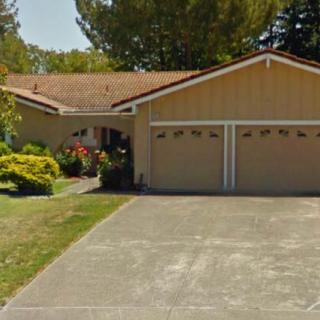



 A Detailed Exploration of Assisted Living Medicaid Waivers Across the United States
 Comprehensive Residential Support and Assisted Living Solutions for Individuals with Disabilities
 Comprehensive Supportive Living Arrangements for Adults with Disabilities