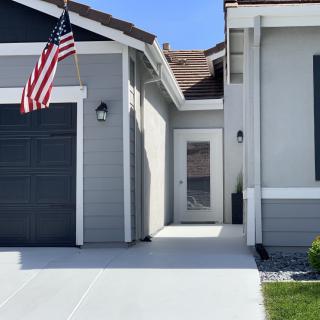
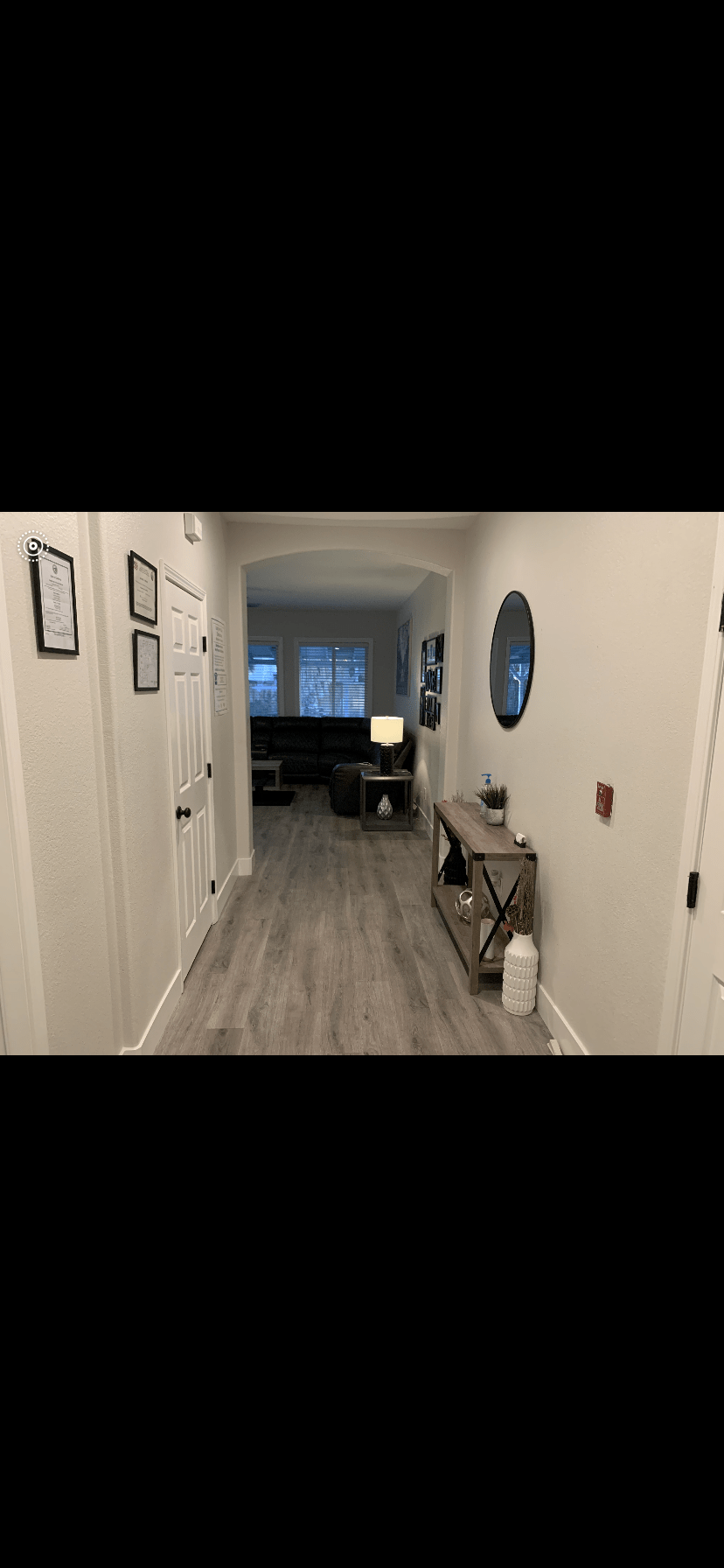
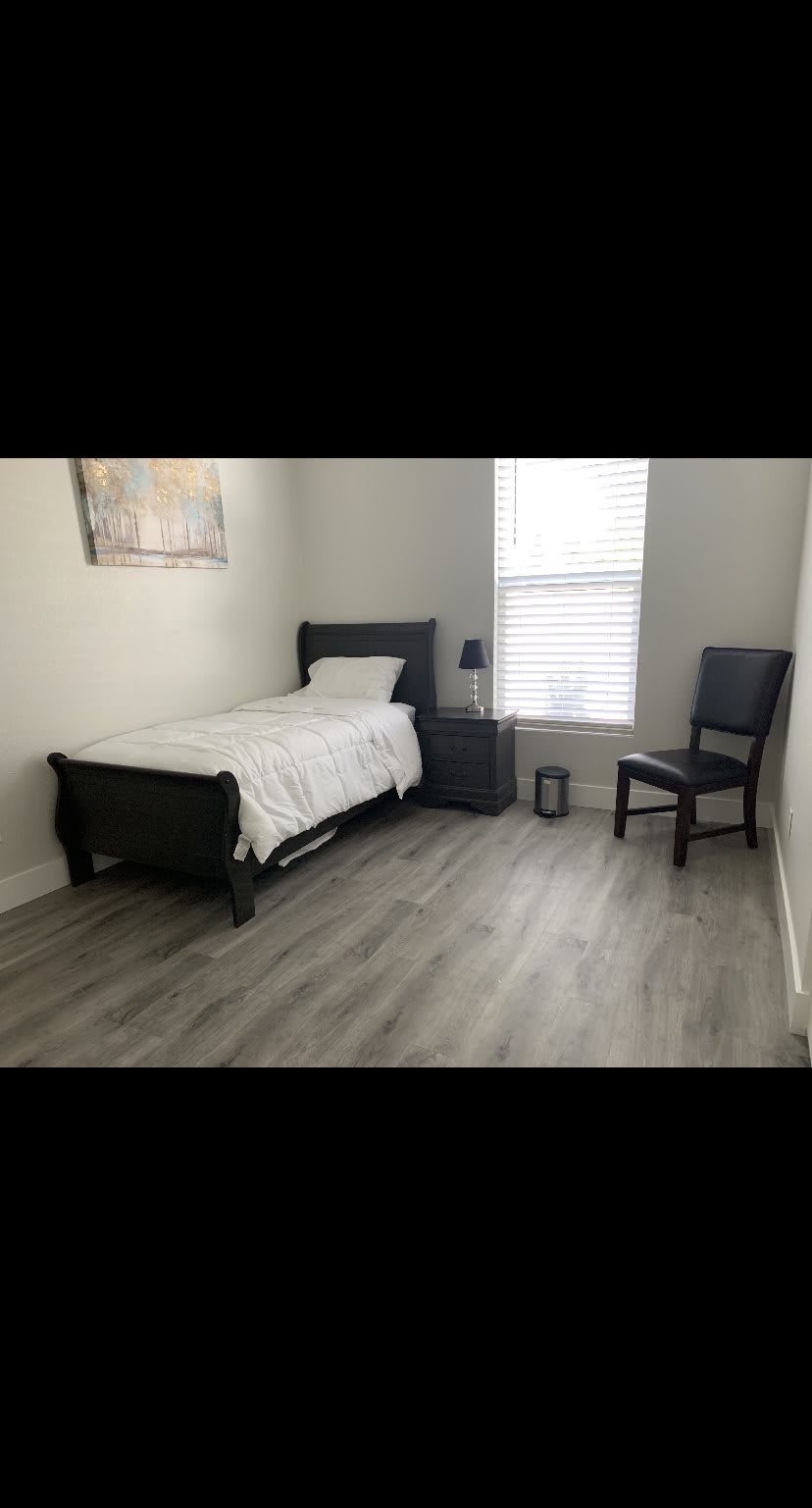
6459 Sonora Pass Way, Rocklin, CA 95765
For more information about senior living options: (866) 208-4318
Rocklin Care Home Costs & Pricing
Rocklin Care Home offers private room accommodations at a competitive rate of $4,000 per month. This cost is slightly below the average for Placer County, where the typical monthly rate stands at $4,026, and it also showcases a modest premium over the statewide average of $3,939 for similar facilities across California. This positioning suggests that Rocklin Care Home provides a valuable option for those seeking quality care with personalized attention while remaining mindful of regional pricing trends. The facility's pricing reflects both the quality of service expected and the commitment to affordability within its community context.
| Floor plans | Rocklin Care Home | Placer County | California |
|---|---|---|---|
| Private | $4,000 | $4,026 | $3,939 |
Assisted Living communities with a similar price nearby
-
from +$500 / mo
Montclair Villa
$4,500 / month4.2 miles away -
from +$500 / mo
Sunriver Senior Care
$4,500 / month11.9 miles away -
from +$150 / mo
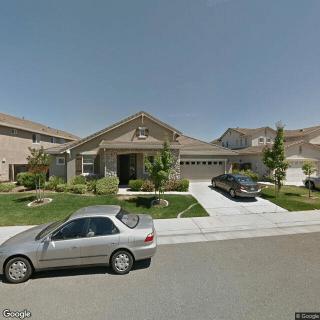
Ferrari
$4,150 to $5,500 / month4.3 miles away -
from +$500 / mo
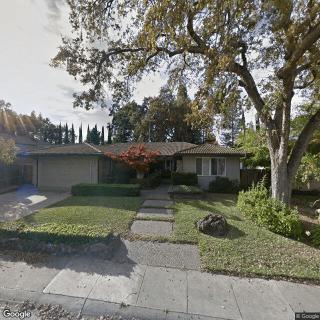
Century Care Home
$4,500 / month9.1 miles away -
About the same
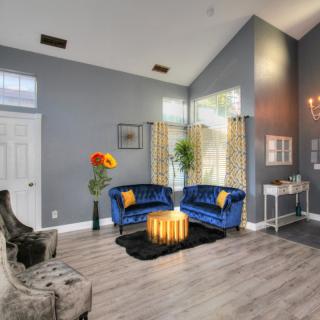
A Bright Future
$4,000 / month6.9 miles away
Overall Review of Rocklin Care Home
Pros
 The Rocklin Care Home is described as a warm, family-run facility with compassion, kindness, and a wonderful demeanor.
- Residents receive attentive, comprehensive care including healthy meals three times a day, daily personal hygiene, and medication administration.
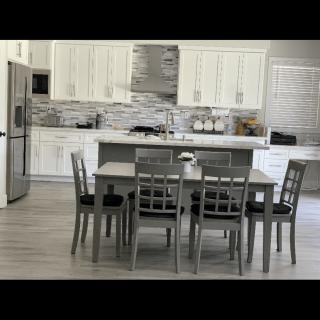
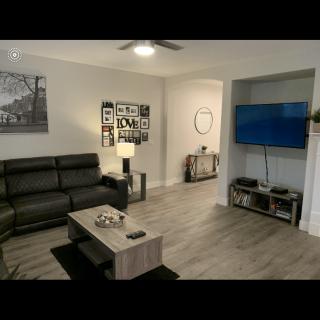
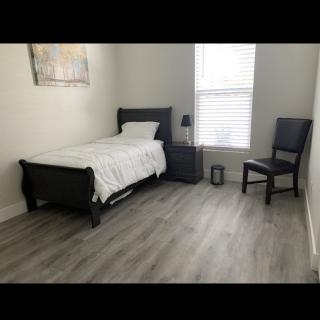
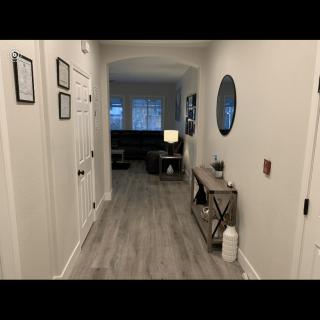
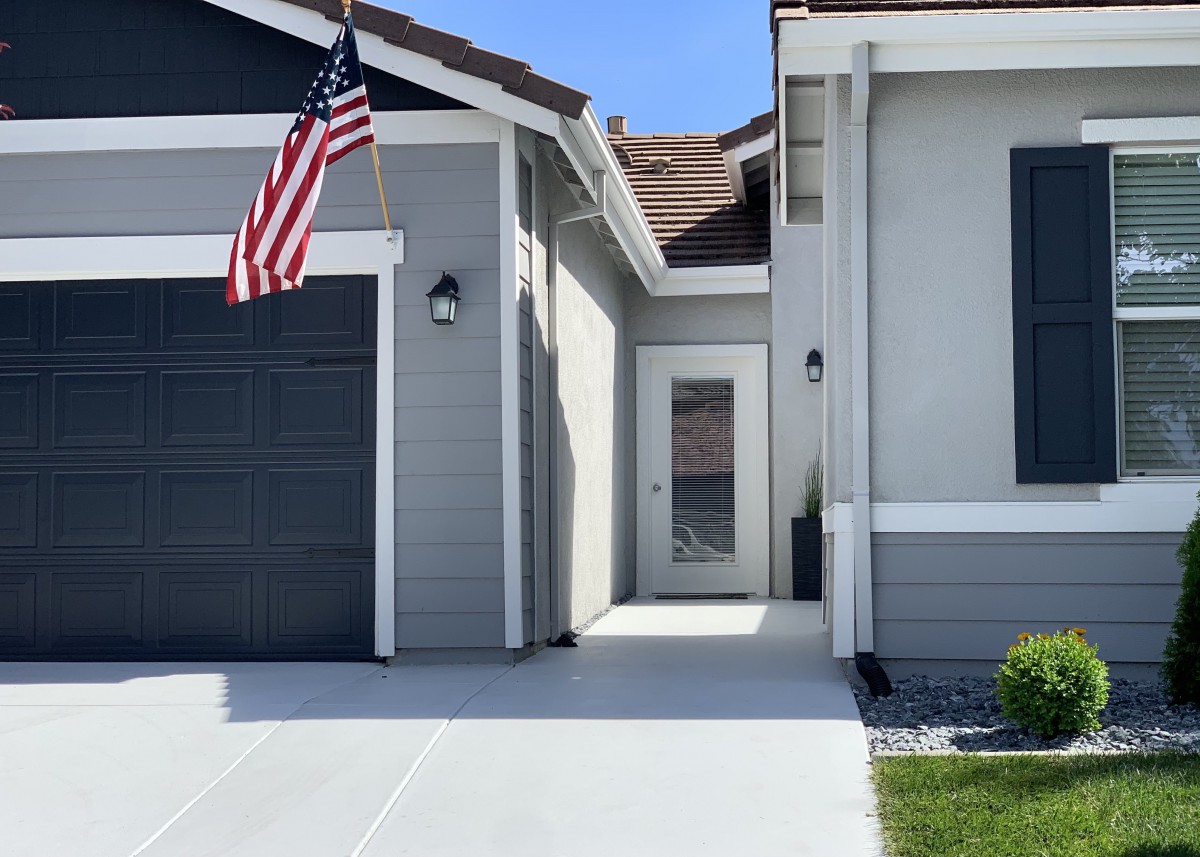
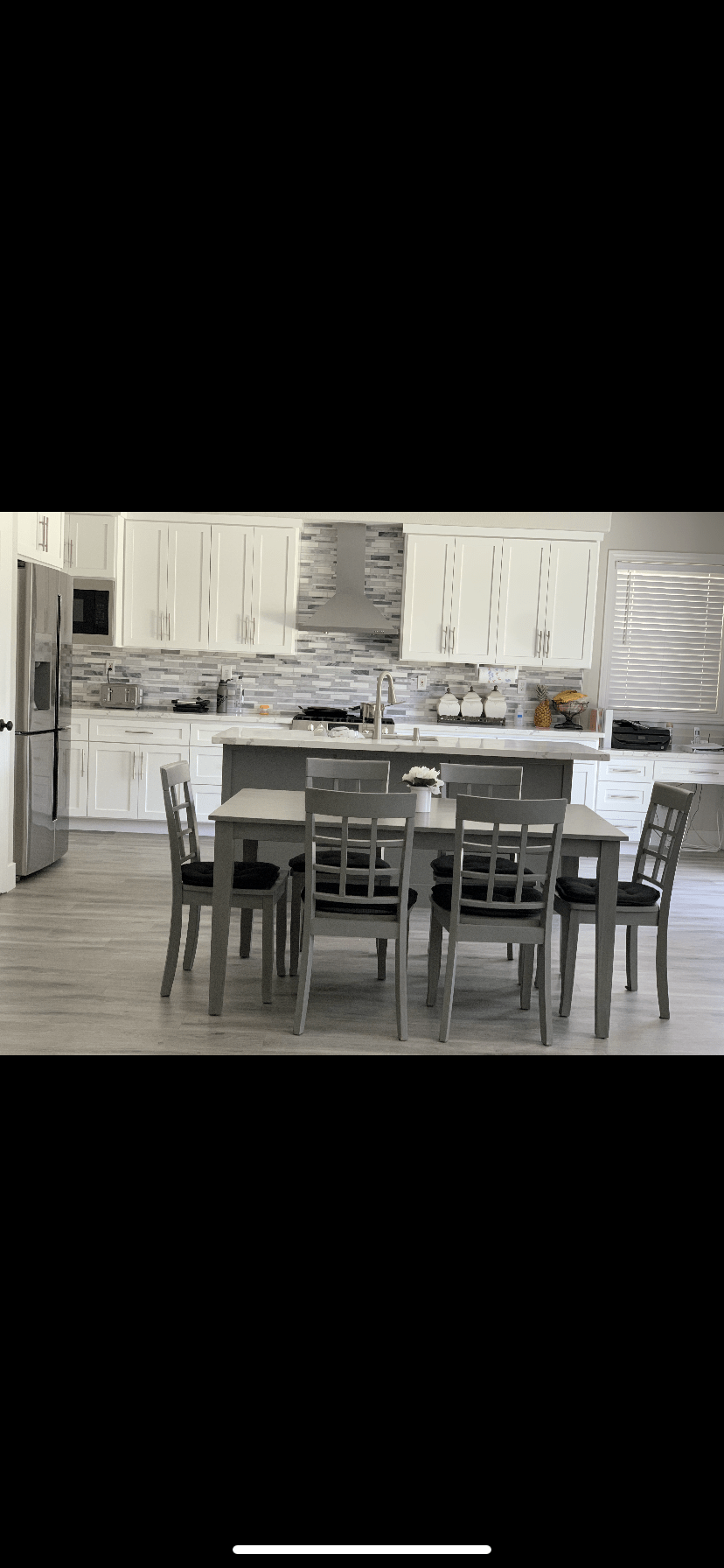
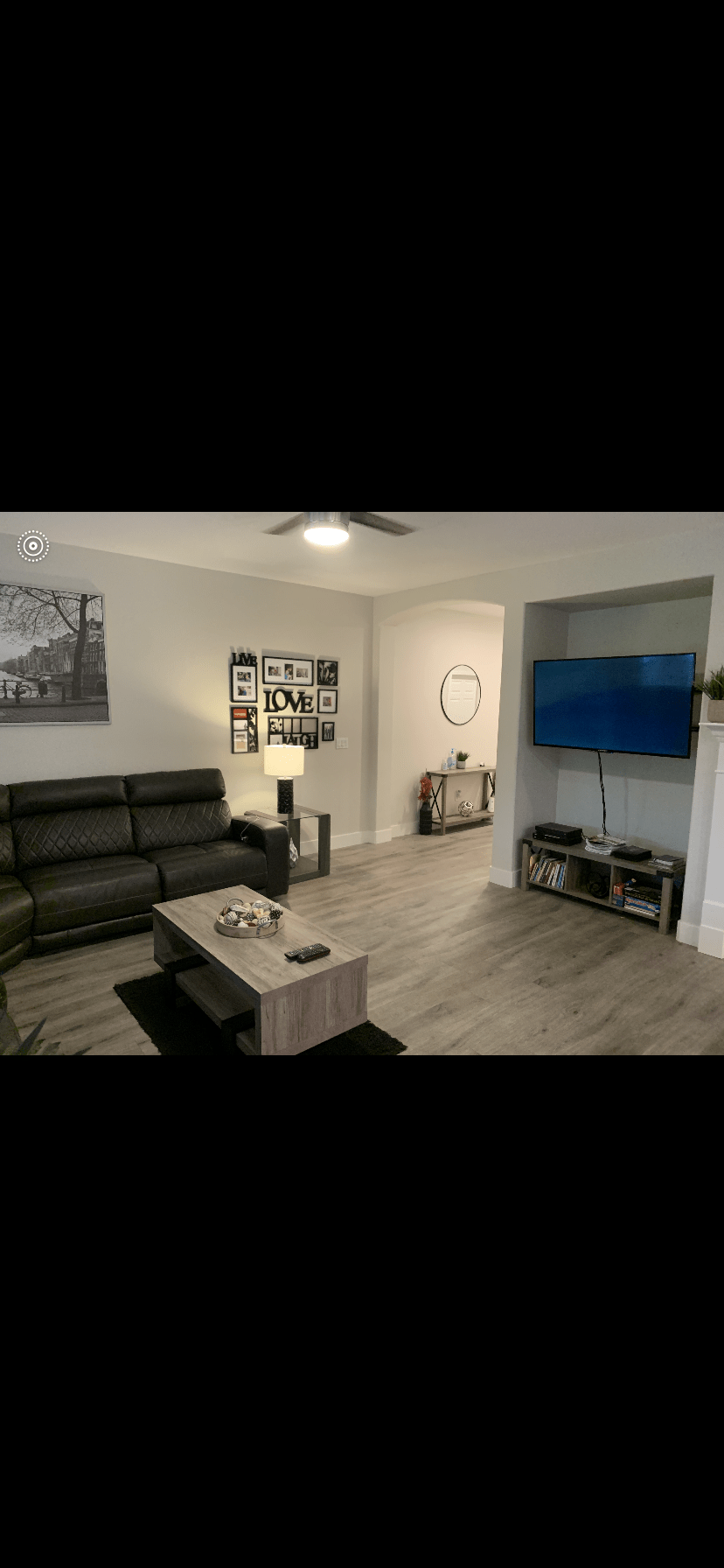
- The home is beautiful, clean, and offers a six-bedroom environment that feels like family.
- The atmosphere is loving and caring, with visitors welcomed and residents and families forming a supportive, connected community.
- The staff bring many years of experience, with trusted care and careful coordination with doctors.
- The daily routine is structured but flexible, featuring outings and park visits that enrich residents’ experiences.
Review
Rocklin Care Home is best suited for families seeking a small, home-like setting where a loved one with dementia can receive intimate, attentive care from a hands-on, family-run team. The clearest fit is for residents with mid to advanced Alzheimer's or dementia who benefit from steady daily routines, personal attention, and a culture of warmth and trust. In this environment, care feels less like a shift into an institution and more like a secure, loving extension of family life, where caregivers know the resident’s preferences, sensitivities, and history, and where family members can be welcomed as part of the weekly rhythm. The emphasis on “being part of the family” matters when the goal is consistent dignity and predictable, compassionate care over time.
That said, some families will want to consider alternatives. For those whose loved one requires hospital-level medical oversight, aggressive behavioral management, or extensive on-site rehabilitation services, a larger memory-care campus with broader clinical resources may be a better match. Facilities with dedicated memory-care wings, full-time skilled nursing teams, and more formal programming can provide different levels of medical supervision and a wider array of therapeutic activities. If the priority is a robust clinical footprint or highly specialized daytime programming, Rocklin Care Home may feel too small or too personal in scale.
The strongest pros here center on care that feels personal, reliable, and grounded in trust. The six-bedroom home exudes cleanliness and a well-maintained, comfortable atmosphere that reduces the clinical distance many families fear. Meals are prepared daily by caregivers, providing nutritious options aligned with the resident’s needs, and daily medications are administered with clear doctor follow-up. The structured schedule offers predictability, a stabilizing force for someone whose cognitive health is fluctuating, yet the plan remains flexible to accommodate individual moments and preferences. A genuine sense of love and belonging emerges in the way staff welcome visits, integrate residents into daily activities, and treat each resident as part of the household.
Outings and gentle engagement further distinguish the care. Residents are taken on walks to nearby parks, weather permitting, which supports physical health and cognitive engagement in a low-stress setting. Family involvement is not simply permitted; it’s encouraged, with residents being spoken of as “part of the family.” Such an environment helps families sleep at night, knowing a loved one is not isolated but included in meaningful routines, with caregivers who know their histories and respond with consistency. The result is a stability that often reduces anxiety, agitation, and resistance to care, factors that families frequently weigh heavily when selecting a home.
Yet the small, home-based model does carry tradeoffs. The intimate scale means fewer on-site amenities and a tighter staff-to-resident ratio than larger facilities, which can limit immediacy of certain services during peak demand. Families should also confirm how medical oversight is structured, including how often a physician or nurse visits, how changes in condition are escalated, and how care plans align with hospital or specialist recommendations. Even with strong daily routines and caregiver attentiveness, some residents may require more intensive monitoring than a residential setting can consistently provide. The offset here is clear: the very elements that create trust and comfort, the familiarity, the family vibe, the consistent caregivers, are what mitigate the sense of scarcity that comes with a smaller operation.
Overall, the recommendation is clear. If a loved one thrives in a setting where care feels like an extension of family life, where meals, medication administration, and daily activity are consistently handled with warmth, respect, and attention, Rocklin Care Home stands out as a strong, prudent choice. It earns its high marks by delivering not just safety but genuine belonging, which translates into calmer days, more meaningful interactions, and a smoother transition from home life to care life. Pros align with the core need for trust and continuity; the main caveat, limited scale, should be weighed against the value of a home-like, love-centered environment. Prospective families are urged to visit, meet the Magda family, and observe how the daily routine feels in practice, ensuring the care philosophy aligns with the loved one’s personal needs and goals.
 6 resident community capacity
 Assisted Living
 Board and Care Home
 Respite Care
 Activities on-site
 Cable or satellite TV
 Devotional services on-site
 Dining room
 Fully furnished
 Garden
 Handicap accessible
 Housekeeping services
 Indoor common areas
 Move-in coordination
 Outdoor common areas
 Private
 Telephone
 Wheelchair accessible showers
 Wi-Fi/high-speed internet available
 Sacramento International (18 miles away)
 24-hour supervision
 Assistance with bathing
 Assistance with dressing
 Assistance with transfers
 Diabetes diet
 Diabetic care
 Meal preparation and service
 Medication management
 Special dietary restrictions
 Transportation arrangement (medical)
 Transportation to doctors appointments
 BBQs or picnics
 Birthday parties
 Karaoke
 Live dance or theater performances
 Live musical performances
 Live well programs
 Trivia games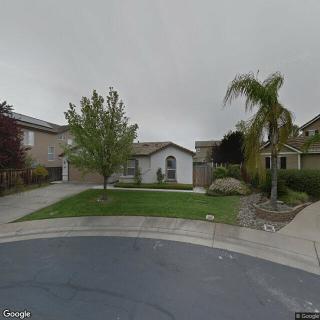

 Comprehensive Insights into Activities of Daily Living (ADLs) and Their Assessment
 Medicare Coverage for Assisted Living: An In-Depth Exploration
 Your Comprehensive Guide to Luxury Assisted Living: Elevated Facilities, Amenities, and Costs