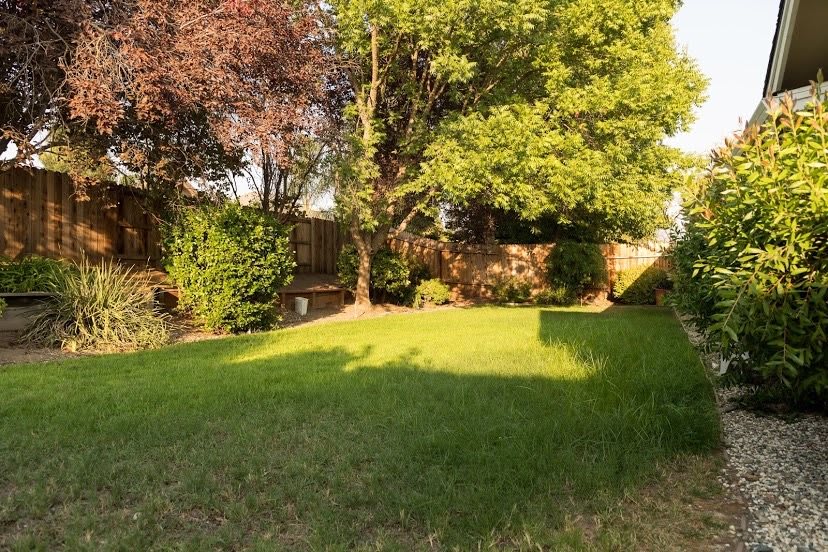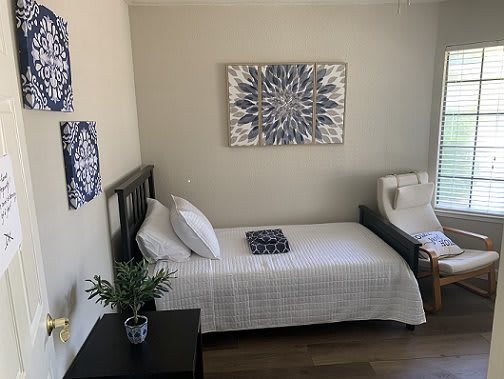
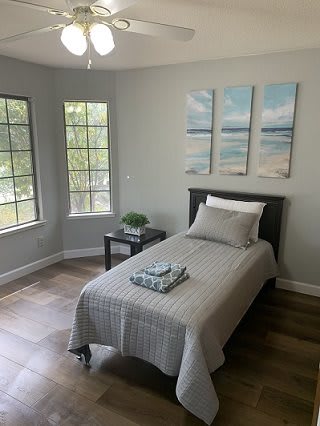
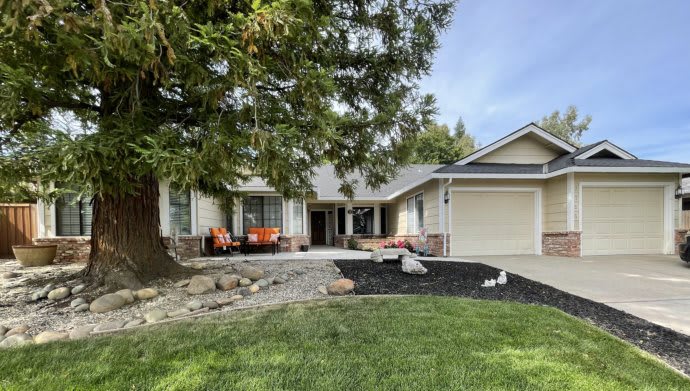
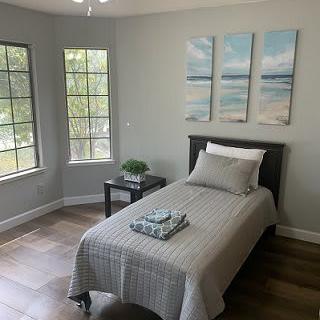
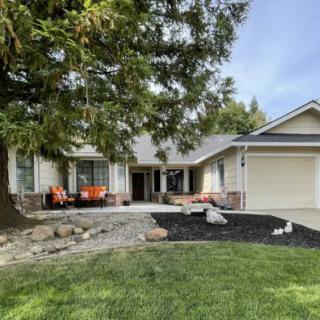
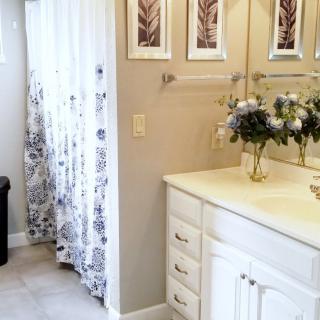
3755 Mountain View Drive, Rocklin, CA 95677
For more information about senior living options: (866) 208-4318
Mountain View Senior Care Costs & Pricing
Mountain View Senior Care offers competitive pricing for its accommodations, particularly in the context of Placer County and broader California. For a one-bedroom suite, residents can expect to pay $4,800 per month, which is slightly above the average rate of $4,777 in Placer County but notably higher than the statewide average of $4,340. Similarly, the cost for a private room also stands at $4,800, positioning it above both county and state averages - $4,026 and $3,939 respectively. This pricing reflects Mountain View Senior Care's commitment to providing quality services and amenities that may justify the premium over local competitors and state norms.
| Floor plans | Mountain View Senior Care | Placer County | California |
|---|---|---|---|
| 1 Bedroom | $4,800 | $4,777 | $4,340 |
| Private | $4,800 | $4,026 | $3,939 |
Memory care communities with a similar price nearby
-
from -$800 / mo
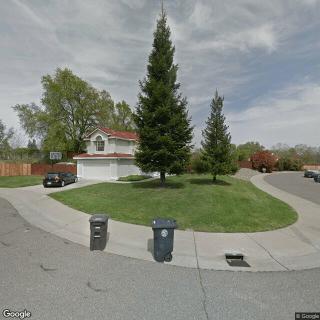
Sungarden Villa II
$4,000 / month7.6 miles away -
from -$300 / mo
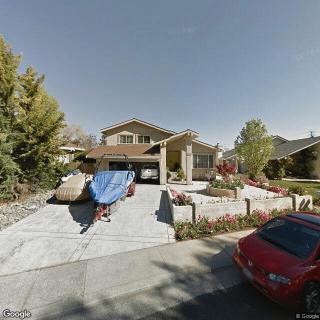
Sunriver Senior Care
$4,500 / month12.3 miles away -
from -$650 / mo
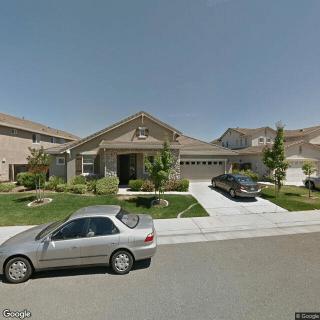
Ferrari
$4,150 to $5,500 / month5.7 miles away -
from -$800 / mo
Ashley Villa
$4,000 / month12.0 miles away -
from -$800 / mo
A Bright Future
$4,000 / month9.0 miles away
Overall Review of Mountain View Senior Care
Pros
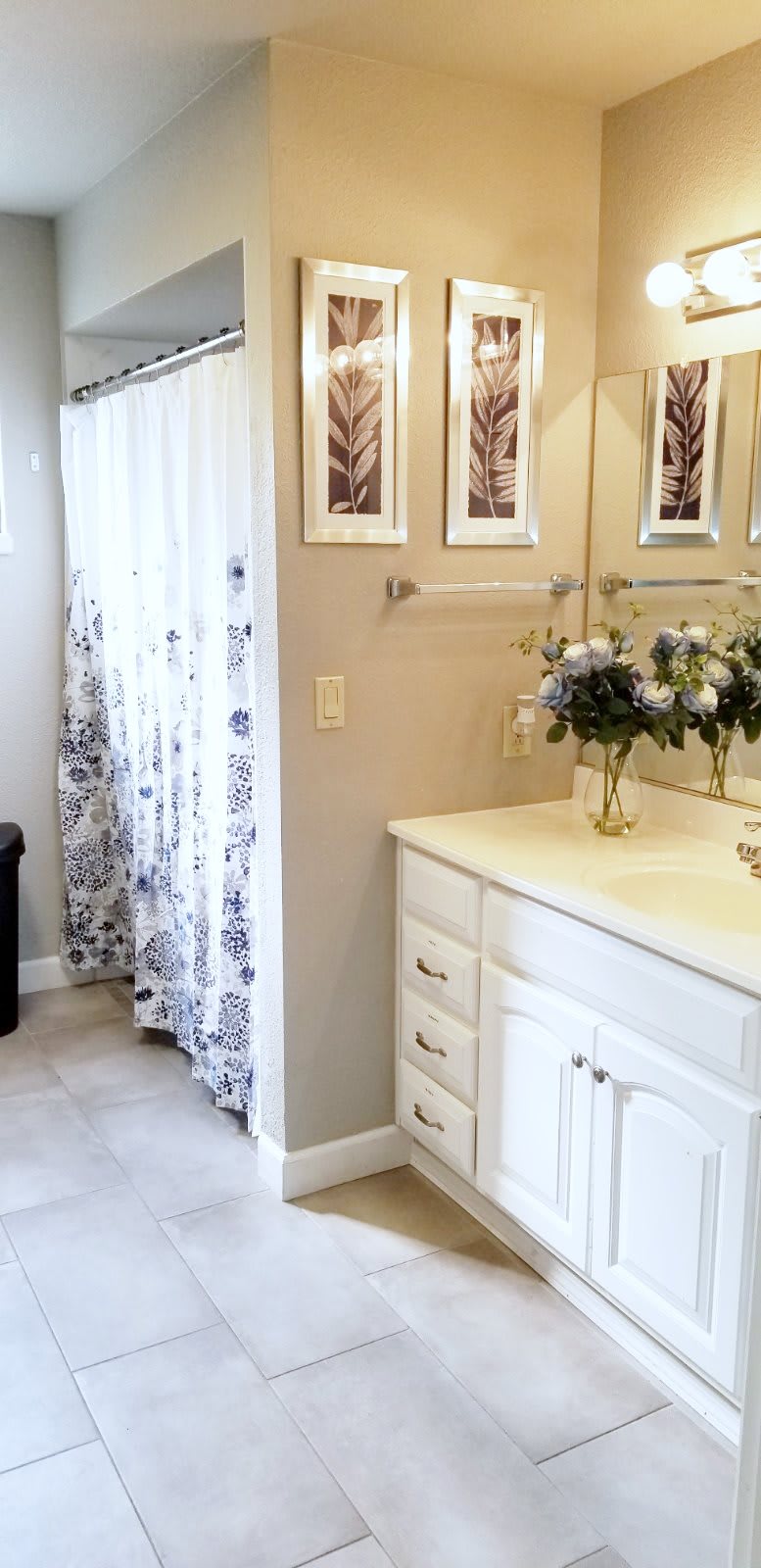
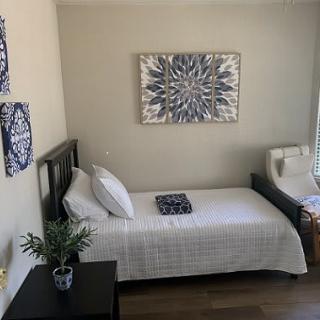
 The home is warm and inviting from the moment one enters.
- The staff is friendly, accommodating, and attentive.
- Montclair Villa is absolutely the best.
- The environment feels like home, with personalized care.
- The care team is professional, experienced, and consistently caring.
- Radu and Dana are dedicated, caring, and trustworthy.
- The residents are happy, well cared for, and feel at home.
- The atmosphere is warm, loving, and welcoming.
- The staff provide thoughtful touches and go the extra mile for residents.
- The community is highly recommended by families who have trusted Montclair Villa with their loved ones.
Cons
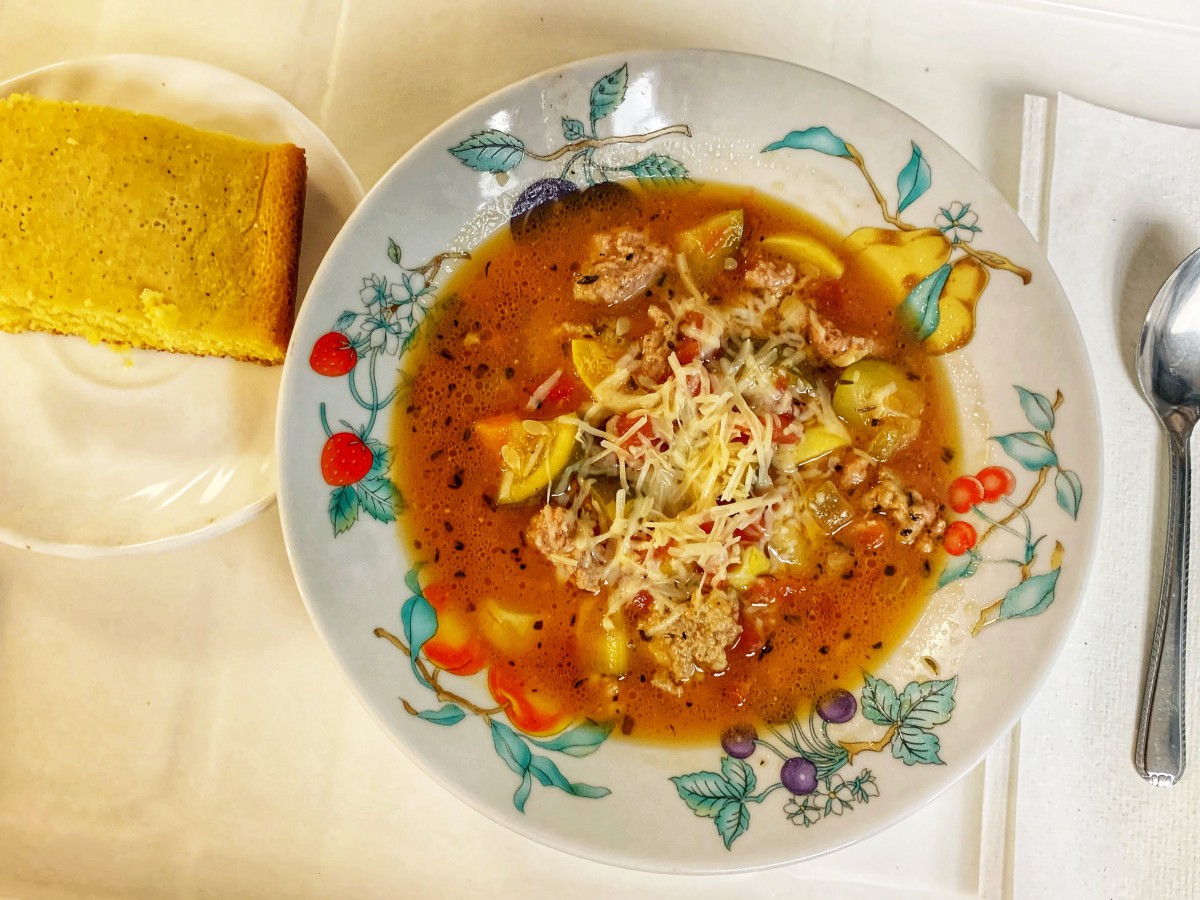
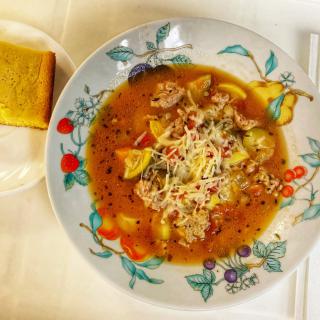
 The meals were described as “so-so,” with cooking labeled as basic teenage cooking.
- There was not great communication from the immediate staff.
Review
This community is best suited for families that want a warm, home-like environment where elder care feels personalized, affectionate, and steady enough to grow with changing needs. It works particularly well for seniors who thrive on daily routines, close-knit interactions, and caregivers who treat residents as part of a family. The strongest fit is for those who value availability and immediacy in communication, and who are comfortable with a small, intimate setting rather than a large campus. In short, this setting rewards families seeking seamless, compassionate care delivered with consistency, stability, and a strong sense of belonging.
Those weighing alternatives should consider options that offer more formal medical oversight, larger campuses, or specialized memory-care programming. If a resident requires intensive clinical nursing on-site, around-the-clock medical staff, or a secured memory-care environment, a larger community or a facility with a dedicated memory-care wing may prove preferable. Similarly, families prioritizing restaurant-style dining, broader activity schedules, or highly structured therapeutic programming might find better alignment elsewhere. The smaller, home-centered model here excels in care warmth and intimacy, but it comes with trade-offs in scale and formal medical resources.
The strongest pros revolve around atmosphere, trust, and hands-on care. Families consistently describe the setting as welcoming, clean, and “home-like,” with staff who are genuinely warm, patient, and proactive. The leadership, notably the owners and long-time team members, appears deeply involved, with clear communication and a talent for noticing changes in condition and arranging appropriate medical attention. The care feels personal and beyond routine tasks: caregivers arrange haircuts, prepare familiar meals, and create an environment where visiting feels like coming to a relative’s home. This level of dedication translates into long-tenured staff, regular family updates, and a sense that residents are cherished, not just housed.
Even where minor drawbacks surface, the overall balance tilts decisively in favor of quality care. One reviewer notes meals as adequate rather than gourmet, described as basic fare, while still praising the compassionate staff and homey vibe. Another mentions occasional gaps in immediate-staff communication, countered by highly responsive leadership and consistent follow-through from the director. Taken together, the improvements in daily living, attentiveness to changing needs, and the strong personal connections built by Radu, Dana, and Andrea tend to swamp the drawbacks. The net effect is a community that families repeatedly call “top of the list” when searching for a true home.
For families evaluating options, the practical takeaway centers on fit and risk. The pros, homey atmosphere, people who remember residents’ preferences, proactive care coordination, and visible family involvement, often offset modest meals and occasional communication gaps. Before deciding, prospective families should verify how care escalates as needs rise, confirm staffing ratios during peak hours, and ask who handles medical coordination and updates. Request to meet directly with Radu and Dana, observe how quick updates are delivered during a visit, and probe what happens when a health change occurs after hours. These conversations reveal whether the demonstrated strengths align with the elder’s specific health trajectory.
In the end, Montclair Villa (the reviewed community in Rocklin) represents a compelling choice for families prioritizing a true home atmosphere, consistent caregiving, and engaged leadership. It is a superior pick for those who want to minimize the clinical feel that sometimes characterizes larger facilities and who value intimate, ongoing family involvement. It is less ideal for residents requiring heavy medical nursing on site, advanced memory-care security, or a high-volume activity program. If the priority is clear, compassionate care that feels like part of the family, this setting earns a strong recommendation, and it warrants a serious visit to confirm that it matches the elder’s daily rhythm and care goals.
 6 resident community capacity
 Assisted Living
 Board and Care Home
 Memory Care
 Activities off-site
 Bath tubs
 Beautician on-site
 Cable or satellite TV
 Dining room
 Fully furnished
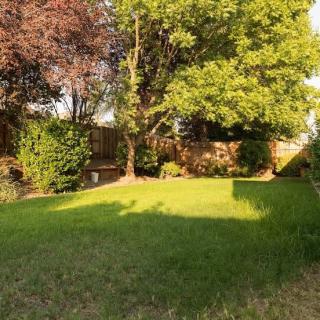
 Garden
 Housekeeping services
 Indoor common areas
 Move-in coordination
 Outdoor common areas
 Private
 Telephone
 Wheelchair accessible showers
 Wi-Fi/high-speed internet available
 Sacramento International (21 miles away)
 24-hour supervision
 Assistance with bathing
 Assistance with dressing
 Assistance with transfers
 Diabetes diet
 Diabetic care
 High acuity care
 Incontinence care
 Meal preparation and service
 Medication management
 Special dietary restrictions
 Transportation arrangement (medical)
 Transportation to doctors appointments
 Art classes
 Cooking classes
 Day trips and outings
 Happy hour
 Live dance or theater performances
 Live musical performances
 Sensory-based programs
 Stretching classes
 Wii bowling
 Wine tasting
 Dementia Behaviors: In-Depth Understanding and Effective Coping Strategies
 5 Early Indicators of Dementia and What You Can Do
 8 Important Indicators That Memory Care May Be Necessary