
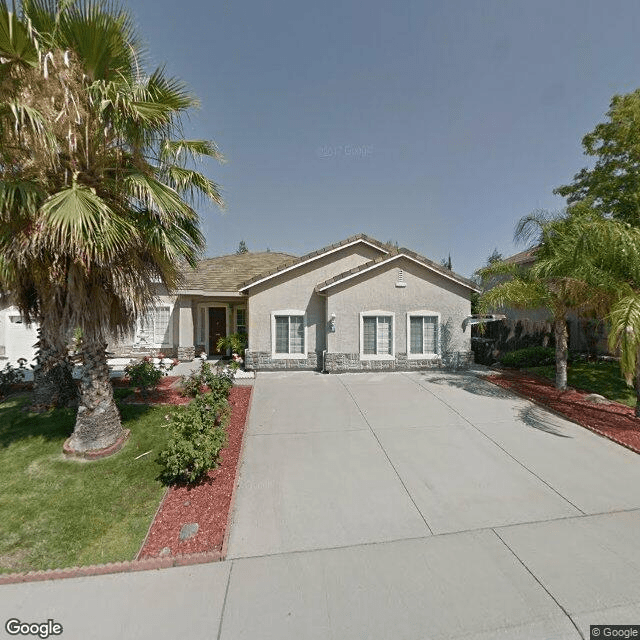
3870 Diamond Court, Rocklin, CA 95677
For more information about senior living options: (866) 208-4318
Always Quality Care Costs & Pricing
Always Quality Care offers competitive pricing for its private room accommodations at $3,500 per month, which is notably lower than both Placer County's average of $4,026 and California's state average of $3,939. This strategic pricing not only reflects a commitment to accessible quality care but also positions Always Quality Care as a more affordable option within the region while maintaining high standards of service. Residents and their families can feel reassured knowing they are receiving exceptional care without the added financial strain often associated with similar facilities.
| Floor plans | Always Quality Care | Placer County | California |
|---|---|---|---|
| Private | $3,500 | $4,026 | $3,939 |
Assisted Living communities with a similar price nearby
-
from -$500 / mo
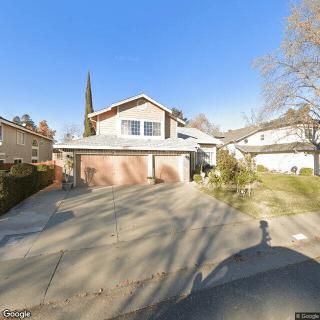
Afable Care Home
$3,000 to $3,500 / month7.1 miles away -
from +$650 / mo
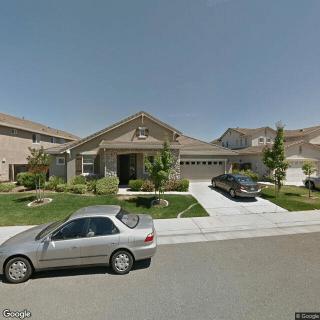
Ferrari
$4,150 to $5,500 / month5.7 miles away -
from -$500 / mo

Love & Care for Elder
$3,000 to $4,500 / month6.5 miles away -
from -$495 / mo

Hear Seniors
$3,005 to $3,870 / month11.9 miles away -
from +$500 / mo
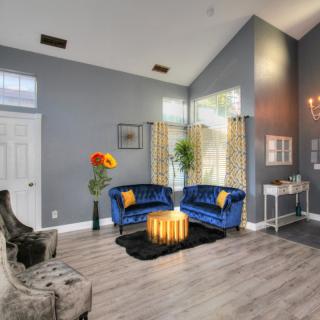
A Bright Future
$4,000 / month7.1 miles away
Overall Review of Always Quality Care
Pros
 The facility is fantastic for residents.
- The caregivers are attentive and friendly.
- The place is always clean.
- The owners communicate effectively.
- The staff are friendly and professional.
- The owners Bali and Gary make the place shine.
- The home is beautiful and clean, with thoughtful and kind caregivers.
- The door is always open and meals are home-cooked.
- The house feels like home with two sitting areas and round-the-clock availability.
Cons
 No one likes the food.
- Not even the caregivers like the food.
- One of the caregivers has a heavy accent, making communication with the mother difficult.
- The reviewer had a negative experience at another facility that required immediate relocation.
- The bedroom is a long walk to the dayroom.
Review
This community is best suited for families seeking a small, home‑like setting where owner‑operators are deeply involved and accessible, and where daily warmth, cleanliness, and personal attention are priorities. The reviews consistently highlight attentive, friendly caregivers and a environment that feels more like a residence than a clinical facility. For families that value a straightforward, personable care dynamic, the combination of a home atmosphere, open communication with the owners, and a location that’s convenient to visit makes this option particularly practical. The occasional emphasis on a women‑only environment signals a culture that can align well with households seeking a quieter, more private setting, though that factor will not be universal for all prospective residents.
The strongest positives revolve around cleanliness, homeliness, and hands‑on leadership. Several reviewers describe the home as beautiful and meticulously kept, with the food described as home‑cooked and meals prepared with care. The house offers multiple living spaces and a sense of “being at home,” which matters for residents who flourish in familiar surroundings. Crucially, the owners, Bali and Gary, are repeatedly credited with lifting the place through active involvement, ensuring that staff engagement remains high and that needs are addressed promptly. The sense that the front door is always open, paired with around‑the‑clock availability, reinforces a dependable, family‑driven ethos that many families prioritize when selecting care.
The leadership culture is a standout feature. This is not a faceless corporate setting; it is a family‑run operation where trust is earned through consistent accessibility and visible care. One reviewer notes that the owners’ presence “makes this place shine,” while another emphasizes the value of direct engagement with Bali, Gary, and even their family members who contribute to the supportive atmosphere. In practice, this translates into quick responsiveness to questions or requests and a feeling that the resident’s well‑being is the top priority, not merely a metric on a chart. For families seeking reassurance that someone truly oversees daily operations, the strong owner involvement is a meaningful differentiator.
Still, discernible drawbacks exist and warrant careful consideration before committing. A recurring theme is meal satisfaction; not everyone loves the food, and even caregivers may share the sentiment, which can affect overall enjoyment of daily life. Communication can pose a challenge for some residents, particularly when a caregiver has a heavier accent, potentially impacting routine interactions or clarity of instructions. Layout quirks also surface in reviews, such as a bedroom located a considerable distance from the dayroom, which can be a factor for residents with limited mobility or a preference for shorter transitions between spaces. Additionally, there is no explicit mention of memory‑care specialization or other clinical supports beyond basic licensed caregiving, which matters for families evaluating needs beyond daily living.
These pros and cons tilt decisively toward households prioritizing warmth, continuity, and personal oversight. The offset is clear: a home‑like living experience with highly engaged owners and a small‑scale staff can yield remarkable attentiveness, faster problem resolution, and genuine peace of mind for families who value connection and everyday comfort. The main trade‑offs center on culinary preferences, potential communication nuances, and the practical realities of a small home setting that may limit certain amenities or specialized medical supports. For families whose top criteria are trust, immediacy of access to leadership, and a welcoming, family atmosphere, the benefits substantially outweigh the caveats.
In the end, this community earns strong consideration for seniors who want a hands‑on, family‑run environment where cleanliness, home cooking, and open director‑level access translate into reliable daily care. It is a compelling choice for those who prioritize staff engagement and a resident‑centered culture over formal, large‑scale facilities. However, alternatives should be on the table for families seeking gender neutrality beyond a women‑oriented option, a wider culinary program, or more robust clinical resources and specialized memory‑care offerings. For decision‑makers with those specific demands, exploring other options alongside this option will ensure the best match between lifestyle preferences and care needs.
 6 resident community capacity
 Assisted Living
 Board and Care Home
 Activities off-site
 Bath tubs
 Beautician on-site
 Cable or satellite TV
 Dining room
 Fully furnished
 Garden
 Housekeeping services
 Indoor common areas
 Move-in coordination
 Outdoor common areas
 Private
 Private bathrooms
 Respite or short term stays offered
 Telephone
 Wheelchair accessible showers
 Wi-Fi/high-speed internet available
 Sacramento International (19 miles away)
 24-hour supervision
 Assistance with bathing
 Assistance with dressing
 Assistance with transfers
 Diabetes diet
 Diabetic care
 High acuity care
 Incontinence care
 Meal preparation and service
 Medication management
 Special dietary restrictions
 Transportation arrangement (medical)
 Transportation to doctors appointments
 Adventist services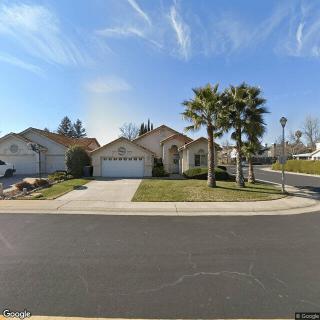

 Beyond the Bingo Hall: 50+ Enriching Activities for Seniors in Assisted Living
 Understanding the Distinctions: Assisted Living and Memory Care Explained
 Guiding Elderly Parents Who Refuse Assisted Living: 6 Practical Steps