

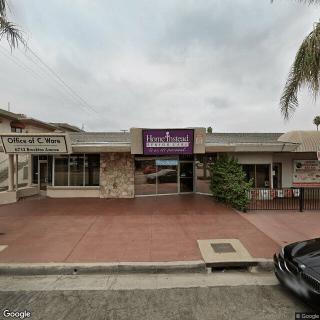
7121 Magnolia Avenue Suite D, Riverside, CA 92504
To contact a resident: (951) 682-4838
For more information about senior living options: (866) 208-4318
Overall Review of Brightstar Healthcare
Pros
 Brightstar Care Central Western Riverside was absolutely incredible during a very difficult time, showing care and compassion.
- They could handle round-the-clock tracheostomy care—the only local company able to provide that level of care.
- Brent and his team worked tirelessly to assemble a crew on very short notice with quick, reliable response.
- The caregivers were top notch, totally reliable, well trained, and 100% compassionate.
- They delivered 24/7 care for five months with an excellent overall experience.
- The caregivers treated the family member like family, leaving the family with zero worries.
- The team provided faith-based support that was comforting during the time of need.
- They helped the family grieve by transporting the mom safely to the funeral and caring for her throughout.
Cons
 Unfortunately, the family’s father passed away very quickly after returning home, and they were not able to use Brightstar’s services.
Review
Brightstar Care Central Western Riverside is best suited for families facing complex, ongoing in-home medical needs where a hospital-at-home level of support is required. This community shines when round-the-clock attention is non-negotiable and care tasks extend beyond daily living to highly specialized tasks such as tracheostomy care, oxygen management, and mobility work. The team has demonstrated an extraordinary ability to mobilize quickly, assembling a dependable crew within hours for situations demanding urgent continuity of care. For families who want a home-based model that preserves familiar routines, practice patterns, and faith-compatible support, this provider stands out. The emphasis on safety, thorough caregiver training, and genuine compassion translates into meaningful reassurance during very difficult moments and a clear pathway for managing sensitive care at home.
Alternatives are worth considering when the care needs are less intensive, when a traditional facility environment with built-in nursing, activities, and social supports is desired, or when budget or scheduling constraints make 24/7 private care impractical. For those seeking a more clinical setting or longer-term rehabilitation with predictable daily programming, conventional assisted living or skilled nursing facilities may be more appropriate. If the priority is less about deep medical tasks and more about companionship, light assistance, or shorter daily shifts, evaluating other home health agencies or community-based services could yield a better fit. The key is aligning care intensity, setting, and cost with realistic expectations for ongoing support.
On the upside, the biggest strengths are clarity, reliability, and humanity. The team’s capacity to deliver 24/7 care on short notice is repeatedly cited, with examples of staffing a full crew in under an hour when the clock was against them. Caregivers are described as compassionate, well trained, and safe at all times, with caregivers like Dania, Wendy, and Diana becoming deeply trusted by families. The continuity and willingness to stay with a patient through difficult turns, notably end-of-life care, create a sense of safety that is hard to match elsewhere. Beyond medical tasks, the staff brings meaningful personal engagement, including faith-informed conversation and even shared worship, which can be profoundly comforting for families with strong spiritual practices. The kitchen’s vegetarian-friendly dishes and gentle daily activities such as guided exercises and cognitive stimulation also matter for quality-of-life.
But nothing is without risk, and a single low rating hints at that. A lone 1-star score signals that not every experience is flawless, and limited detail leaves room for interpretation. The practical implications may include occasional caregiver matching challenges, scheduling hiccups during peak demand, or variable experiences with consistency. These potential drawbacks underscore the need for clear upfront planning: what exactly is covered 24/7, who the primary caregivers will be, how back-up coverage works, and how changes in condition are escalated. While the overall track record is strong, families should still verify care-coordinator support, continuity plans, and transparent communication about costs and coverage limitations before committing.
Yet the strengths generally outweigh these concerns. Rapid staffing reduces exposure to gaps in care, while caregiver longevity and trust reduce the emotional burden on families who rely on the same faces daily. The strong emphasis on safety and training translates into reliable handling of delicate tasks and emergency moments, and the ability to include faith-based encouragement can ease grief and foster dignity at the bedside. In-home care preserves familiar routines, which often accelerates engagement in daily therapies and exercises that might otherwise stall in a generic facility setting. When paired with a dedicated care plan and a clear point of contact, these advantages convert potential cons into manageable risks rather than deal-breakers.
For families evaluating Brightstar Care Central Western Riverside, the action steps are straightforward. Initiate a thorough intake with a care coordinator, request examples of care plans for tracheostomy and oxygen management, and insist on a written backup coverage policy and caregiver assignment approach. Confirm 24/7 availability, discuss pricing and payer options, and ask for references from families with similar needs. If possible, arrange a short-term pilot to observe team dynamics, continuity, and the way spiritual or cultural needs are respected. In the end, this Riverside operation offers a seasoned, compassionate, and highly capable solution for the most demanding home-care scenarios; it is a compelling choice for families who must blend expert medical support with the comfort of remaining at home.
 Ontario International (14 miles away)






 Recognizing the Journey: Understanding and Navigating Anticipatory Grief
 Encouraging Participation in Adult Day Care: A Guide to Supporting a Hesitant Parent
 Comprehensive Exploration of Living Wills and Other Advance Directives