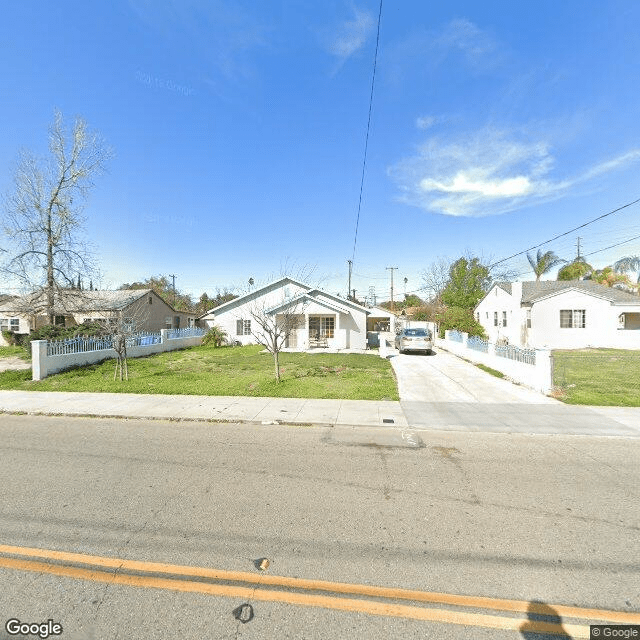
A Good Samaritan

Save
A Good Samaritan

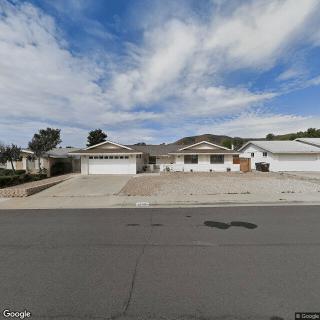
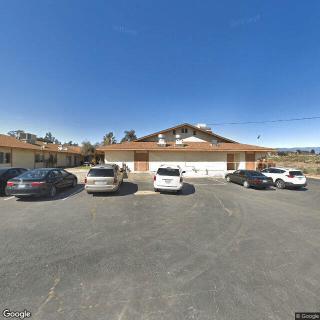
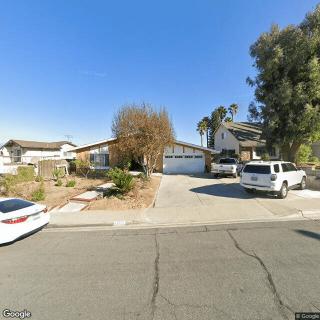
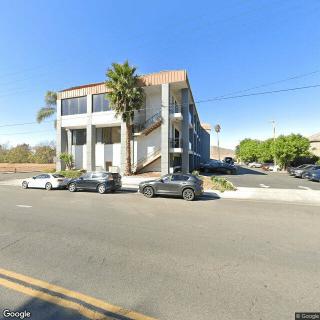
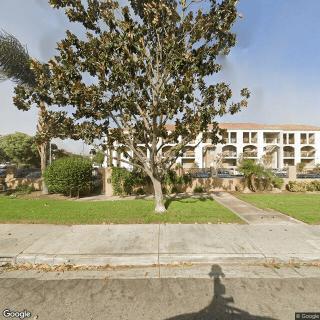
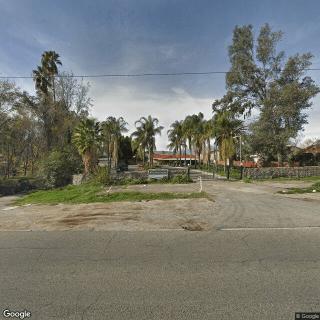
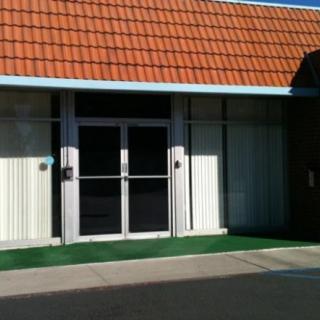
A Good Samaritan in Riverside, CA

3839 Strong Street, Riverside, CA 92501

For more information about senior living options: (844) 490-3973

1 from 1 review
Assisted Living Board and Care Home

A Good Samaritan Costs & Pricing

A Good Samaritan offers competitive pricing for its services, particularly when compared to both Riverside County and the broader California market. For a semi-private room, residents pay $1,500 per month, significantly lower than the county average of $2,844 and the state average of $3,333. Similarly, in a private room setting, A Good Samaritan charges $1,850 monthly, which is notably more affordable than Riverside County's rate of $3,474 and California's average of $3,939. This pricing structure not only highlights A Good Samaritan's commitment to providing accessible care but also positions it as a cost-effective option for those seeking quality accommodations in such a competitive landscape.

Floor plansA Good SamaritanRiverside CountyCalifornia
Semi-Private$1,500$2,844$3,333
Private$1,850$3,474$3,939

Overall Review of A Good Samaritan

Pros

  • pro They are a nice family.

Cons

  • pro The reviewer's mother was injured there.
  • pro The establishment could have done a better job with cleanliness, food preparation, and selection instead of sandwiches.
  • pro The reviewer had to furnish breakfast and was told others shared.

Review

Best suited for families seeking a small, family-run atmosphere where staff feel personally invested in residents and daily routines stay home-like. A Good Samaritan in Riverside leans into warmth, with approachable caregivers and a sense that staff will accommodate individual tempos and preferences. This can be reassuring for seniors who do not require heavy medical oversight yet value personal attention and flexible routines. The trade-off is a leaner operational framework, where consistency and formal procedures may ride on the day-to-day initiative of a few staff members. For families willing to supervise care closely and maintain open lines of communication, the setting can offer genuine comfort and a sense of belonging.

Those with higher care needs or strict expectations for safety, cleanliness, and professional dining will want alternatives. The experience cited points to safety gaps and cleanliness shortcomings, alongside a kitchen approach that relies on sandwiches and family-provided meals. If predictable safety incidents, well-documented housekeeping, and a robust, in-house meal program are non-negotiable, this option is unlikely to satisfy. Families who cannot regularly supervise day-to-day operations may discover that a larger, professionally managed community offers the reliability they need.

The core positives - a warm, family-oriented environment and accessible staff - can generate meaningful comfort when paired with strong processes. Yet those strengths are undermined if safety and nutrition are uncertain. In this case, a resident's injury raises serious questions about risk management, supervision, and incident follow-through. The meal situation - sandwich options and the expectation that family members supply breakfasts - further erodes confidence that residents receive consistent, adequate nourishment. In practical terms, warmth does not compensate for gaps in safety nets, cleanliness, and dietary planning.

Operational dynamics appear anchored in personal relationships more than formal infrastructure. Cleanliness concerns and limited meal preparation point to a lean kitchen and housekeeping model. The report that breakfast had to be furnished by a family member suggests ongoing gaps in service coverage, meal variety, and resident independence. These issues matter because they translate into tangible daily burdens for families and potential risk for residents. For decision-makers, these signals warrant probing staffing hours, kitchen governance, incident logs, and sanitation routines.

Effective evaluation should center on concrete safeguards. Prospective families should request a clear care plan, verify staff-to-resident ratios, and examine safety records and maintenance responsiveness. Touring the kitchen during service is essential to gauge cleanliness and meal quality. Ask for a sample week's meal plan and how dietary restrictions are accommodated, plus whether residents can receive meals from the kitchen or must rely on family provisions. Request written policies on injuries, housekeeping schedules, sanitation procedures, and candid references from current residents or families who recently interacted with the community.

Practically, this community serves best those who prize intimacy, flexibility, and hands-on oversight from family members - and who can tolerate occasional gaps in cleanliness and safety. For families seeking strong professional standards, reliable meals, and clearly documented safety practices, alternative communities are advisable. The prudent path is an in-person evaluation: observe meals, inspect living spaces, talk with multiple staff, review incident histories, and compare against several similar options. The choice should blend warmth with reliability, and in Riverside this option leans toward the personal touch while inviting disciplined scrutiny of its processes.

Features

Housing

  • 6 resident community capacity 6 resident community capacity

Types of Care

  • Assisted Living Assisted LivingAssisted living facilities provide crucial support and care for seniors who may need help with daily tasks such as medication management, bathing, and meal preparation. These communities offer a safe and comfortable environment where seniors can maintain their independence while receiving the assistance they need to thrive in their golden years.
  • Board and Care Home Board and Care HomeBoard and care homes provide a smaller, more intimate setting for seniors who require assistance with daily tasks but do not need the level of care offered by a nursing home. They offer personalized care, meals, and social activities in a homelike environment, ensuring that seniors receive individualized attention and support in their golden years.

Amenities

  • Cable or satellite TV Cable or satellite TVCable or satellite TV is important for seniors because it provides entertainment, news, and companionship, helping to combat loneliness and boredom. It also offers a wide range of programming options tailored to different interests and preferences.
  • Dining room Dining roomDining rooms are important for seniors as they provide a space for socialization, connection, and nutritious meals. They offer opportunities for residents to bond over shared meals, foster a sense of community, and promote healthy eating habits. Dining rooms also ensure that seniors have access to well-balanced meals tailored to their dietary needs and preferences.
  • Fully furnished Fully furnishedFully furnished senior living communities are important for seniors because they provide convenience, comfort, and a hassle-free moving experience. Seniors can easily settle into their new living space without the stress of having to buy and move furniture. This allows them to focus on enjoying their new home and community.
  • Garden GardenGardens are important for seniors as they provide a peaceful and therapeutic environment for relaxation, physical activity, and socialization. Being in nature has been shown to reduce stress, improve mood, and promote overall well-being. Gardens also offer opportunities for seniors to engage in gardening activities, which can improve mobility, flexibility, and cognitive function. Additionally, gardens create a sense of community and connection with others who share a passion for plants and outdoor spaces.
  • Housekeeping services Housekeeping servicesHousekeeping services are important for seniors because they help maintain a clean and safe living environment, promote independence, and reduce the risk of accidents or illnesses. Additionally, having assistance with household chores can alleviate physical strain and allow seniors to focus on other aspects of their well-being.
  • Move-in coordination Move-in coordinationMove-in coordination is important for seniors because it helps ease the transition into their new living environment. It ensures that all logistics, such as packing, organizing movers, and setting up utilities are taken care of, allowing seniors to focus on settling in and adjusting to their new home. Having a smooth move-in process can alleviate stress and anxiety, making the transition smoother and more enjoyable for seniors.
  • Outdoor space Outdoor spaceOutdoor spaces are important for seniors as they provide opportunities for physical activity, social interaction, exposure to natural light and fresh air, and a sense of connection to nature. Having access to outdoor spaces can improve overall well-being and quality of life for older adults living in senior communities.
  • Private PrivatePrivacy is important for seniors as it allows them to maintain their independence, dignity, and sense of control over their own lives. It also gives them the space and freedom to relax, reflect, and engage in activities that bring them joy and fulfillment. Creating private spaces within senior living facilities is crucial for promoting overall well-being and quality of life.
  • Private bathrooms Private bathroomsPrivate bathrooms are important for seniors in senior living communities because they provide independence, dignity, and comfort. Having a private bathroom allows seniors to maintain their personal hygiene routines without the need for assistance, promoting a sense of autonomy and privacy. Additionally, private bathrooms help prevent the spread of infections and provide a safe and clean environment for seniors to navigate safely.
  • Telephone TelephoneTelephones are important for seniors as they provide a lifeline for communication with loved ones, emergency services, and healthcare providers. They offer a sense of security and independence, enabling seniors to stay connected and access assistance when needed.
  • Wi-Fi/high-speed internet available Wi-Fi/high-speed internet availableWi-Fi/high-speed internet is important for seniors to stay connected with loved ones, access online resources, and participate in virtual activities to combat feelings of loneliness and isolation. It also allows them to easily manage healthcare needs, access entertainment, and engage in lifelong learning opportunities.

Transportation

  • Ontario International (14 miles away) Ontario International (14 miles away)

Care Services

  • 24-hour supervision 24-hour supervision24-hour supervision is important for seniors to ensure their safety, well-being, and access to immediate assistance in case of emergencies or health issues. This constant support provides peace of mind for both seniors and their loved ones, allowing them to age in place with dignity and security.
  • Activities of daily living assistance Activities of daily living assistanceActivities of daily living assistance are important for seniors because they provide essential support with tasks such as eating, bathing, dressing, and mobility. This assistance helps seniors maintain their independence, dignity, and overall quality of life as they age.
  • Ambulatory care Ambulatory care"Ambulatory care services provide essential medical support and treatment to seniors without requiring hospitalization, allowing them to maintain their independence and quality of life while managing chronic conditions or receiving routine medical care."
  • Assistance with bathing Assistance with bathingAssistance with bathing is crucial for seniors as it helps maintain personal hygiene, prevents infections, and ensures their overall well-being and comfort. It also provides a sense of dignity and independence for seniors who may struggle with this task on their own.
  • Assistance with dressing Assistance with dressingAssistance with dressing is important for seniors because it helps maintain their independence, promotes personal hygiene, prevents accidents and injuries, and improves overall quality of life. This service ensures that seniors can continue to dress comfortably and confidently, despite any physical limitations they may have.
  • Assistance with transfers Assistance with transfersAssistance with transfers is crucial for seniors as it helps prevent falls and injuries, maintains their independence, and ensures they can safely navigate their living environment. It also provides peace of mind for both seniors and their loved ones.
  • Coordination with health care providers Coordination with health care providersCoordination with health care providers is crucial for seniors to ensure proper medical care, medication management, and overall well-being. This collaboration helps prevent overlapping treatments, track progress more effectively, and provide comprehensive support tailored to individual needs.
  • Diabetes diet Diabetes dietA diabetes diet is crucial for seniors as it helps manage blood sugar levels, reduce risks of complications, and improve overall health and well-being. By following a balanced and nutritious diet tailored to their specific needs, seniors can better control their diabetes and enhance their quality of life.
  • Diabetic care Diabetic careDiabetic care is crucial for seniors as they are more susceptible to developing diabetes due to aging and other health conditions. Proper management of diabetes can help prevent complications such as heart disease, vision loss, and nerve damage, improving the overall quality of life for seniors in senior living communities.
  • Incontinence care Incontinence careIncontinence care is essential for seniors to maintain their dignity, hygiene, and overall quality of life. By addressing incontinence issues promptly and effectively, seniors can enjoy a sense of independence and comfort in their daily activities.
  • Meal preparation and service Meal preparation and serviceMeal preparation and service are crucial for seniors as they may have limited mobility or energy to cook nutritious meals. Having access to healthy and convenient food options can ensure they are getting the proper nutrition needed to maintain their overall health and well-being.
  • Medication management Medication managementMedication management is crucial for seniors to ensure they are taking the right medications at the correct dosages and times. This helps prevent adverse drug interactions, reduces the risk of medication errors, and promotes overall health and well-being. Proactive management also allows for adjustments as needed based on changing health conditions or new prescriptions.
  • Special dietary restrictions Special dietary restrictionsSpecial dietary restrictions are important for seniors because age-related changes in metabolism and health conditions can make it difficult for their bodies to process certain foods. By following a diet tailored to their specific needs, seniors can maintain their overall health and well-being, manage chronic conditions, and reduce the risk of complications such as malnutrition or food interactions with medications.
  • Transportation arrangement (medical) Transportation arrangement (medical)Transportation arrangements for medical purposes are essential for seniors as they may have difficulty driving themselves to appointments or accessing public transportation. Having reliable and safe transportation options ensures that seniors can receive timely medical care and maintain their health and well-being.
  • Transportation to doctors appointments Transportation to doctors appointmentsTransportation to doctors' appointments is crucial for seniors as it ensures they have access to necessary medical care and support for their health needs. Without reliable transportation, seniors may struggle to attend important appointments, leading to potential delays in treatment and health complications. Providing transportation services helps seniors maintain their overall well-being and quality of life.
Dining

  • Diabetes diet Diabetes dietA diabetes diet is crucial for seniors as it helps manage blood sugar levels, reduce risks of complications, and improve overall health and well-being. By following a balanced and nutritious diet tailored to their specific needs, seniors can better control their diabetes and enhance their quality of life.
  • Special dietary restrictions Special dietary restrictionsSpecial dietary restrictions are important for seniors because age-related changes in metabolism and health conditions can make it difficult for their bodies to process certain foods. By following a diet tailored to their specific needs, seniors can maintain their overall health and well-being, manage chronic conditions, and reduce the risk of complications such as malnutrition or food interactions with medications.

Activities

  • Community-sponsored activities Community-sponsored activitiesCommunity-sponsored activities are important for seniors as they provide opportunities for social interaction, mental stimulation, and physical activity. These activities can help improve overall well-being, combat loneliness and isolation, and promote a sense of belonging and purpose among older adults.
  • Scheduled daily activities Scheduled daily activitiesScheduled daily activities are important for seniors because they provide structure, socialization, mental stimulation, and physical activity. Engaging in regular activities can improve overall well-being and quality of life for seniors living in a community setting.

Description

Located in Riverside, California, this assisted living community offers board and care home services for individuals seeking a supportive and comfortable environment. The community features a range of amenities designed to enhance the residents' quality of life, including a dining room where nutritious meals are served, fully furnished living spaces, a beautiful garden for relaxation and recreation, and housekeeping services to ensure cleanliness and order.

Residents can enjoy their privacy in private rooms with their own bathrooms. They also have access to telephone service and Wi-Fi/high-speed internet for convenient communication with loved ones.

The dedicated staff at this assisted living community provides comprehensive care services tailored to each resident's needs. This includes assistance with activities of daily living such as bathing, dressing, and transfers. The staff also coordinates with healthcare providers to ensure that residents receive the necessary medical attention.

Special attention is given to residents with diabetes through specialized care and diet plans. Incontinence care is available as well. Meals are prepared according to dietary restrictions, ensuring that residents' nutritional needs are met.

Transportation arrangement for medical purposes is provided, allowing residents easy access to doctors' appointments. Additionally, there are various nearby amenities such as cafes, parks, pharmacies, physicians' offices, restaurants, places of worship, theaters, and hospitals that contribute to the convenience and sense of community within the area.

With scheduled daily activities planned by the community's staff members, residents can engage in social interaction and participate in fulfilling experiences. Whether it's enjoying a meal together or exploring nearby attractions, this assisted living community strives to foster an engaging and supportive environment for its residents' overall well-being.

Nearby Places of Interest

This particular area of Riverside, California offers a variety of amenities and services that may be appealing to seniors looking for a comfortable and convenient living environment. With several places of worship within close proximity, individuals can easily access spiritual support and community gatherings. Additionally, there are numerous cafes and restaurants nearby for socializing or enjoying a meal out. Access to pharmacies and medical facilities is readily available, providing peace of mind for any healthcare needs. The presence of parks allows for outdoor recreation and leisurely walks, while the nearby theaters offer entertainment options. Convenient transportation options such as the Metrolink station and bus stops facilitate easy travel around the area. Overall, this part of Riverside provides a well-rounded living experience with various resources to support senior residents' well-being and lifestyle preferences.

Places of Worship

  • The Refuge Bible Fellowship (1 miles)
  • Riverside Community Church (3.8 miles)
  • Azure Hills Seventh-Day Adventist Church (3.8 miles)
  • National Association of Seventh Day Adventist Dentists (6.7 miles)
  • The Grove Community Church (7.5 miles)

Cafes

  • Starbucks (1.1 miles)
  • Starbucks (3.6 miles)
  • Wanda's Cafe (6.1 miles)
  • Starbucks (6.5 miles)
  • The Coffee Bean and Tea Leaf (6.9 miles)
  • Starbucks (7.3 miles)
  • Starbucks (7.6 miles)

Pharmacies

  • CVS Pharmacy (1.1 miles)
  • Walgreens (2 miles)
  • CVS Pharmacy (3.4 miles)
  • Walgreens (3.7 miles)
  • CVS Pharmacy (3.8 miles)
  • Walgreens (3.8 miles)
  • Central Best Pharmacy (3.8 miles)

Restaurants

  • Taco Station (1.4 miles)
  • Plant Power Fast Food (1.5 miles)
  • The Old Spaghetti Factory (1.5 miles)
  • Islands Restaurant Riverside (3.6 miles)
  • Chick-Fil-A (3.7 miles)
  • Donut Tyme (3.7 miles)
  • Smokey Canyon BBQ (3.7 miles)

Physicians

  • Maguire, Gerald Ucr Health Comprehensive Psychiatric Services (1.5 miles)
  • Tang Ashley, MD (1.9 miles)
  • Riverside Community Hospital Transplant Center (1.9 miles)
  • Riverbrock Neuro Sciences (2 miles)
  • University Pain Consultants (4.1 miles)
  • Loma Linda University Plastic Surgery Group (4.2 miles)
  • Bones and Spine Surgery (4.4 miles)

Hospitals

  • Empire Imaging (1.9 miles)
  • Riverside Center (3.2 miles)
  • Kaiser Permanente Fontana Medical Center (6.2 miles)
  • Windsor Cypress Gardens Healthcare (6.5 miles)
  • Parkview Community Hospital Medical Center (6.7 miles)
  • Jerry L Pettis Memorial (7.4 miles)

Parks

  • Mount Rubidoux (2 miles)
  • Andulka Park (3.1 miles)
  • Sycamore Canyon Wilderness Park (5.2 miles)
  • Towngate Memorial Park (7.3 miles)

Theaters

  • Regal Riverside Plaza (3.5 miles)

Transportation

  • The Colton Diamonds (5.1 miles)
  • Metrolink Fontana Station (7.8 miles)

Frequently Asked Questions

How much does it cost to live at A Good Samaritan in Riverside, CA?
Where is A Good Samaritan?

Nearby Communities

  • Maxim of Riverside - Companion Services

    Maxim of Riverside - Companion Services

    Riverside, CA


  • Home Care-Giver Svc

    Home Care-Giver Svc

    Riverside, CA


    pro Great access to numerous nearby amenities and healthcare services.

  • Eagel Time Care Facility

    Eagel Time Care Facility

    Riverside, CA

     
    $2,000 to $3,000 / month

    pro Small, homelike setting with personalized care and affordable pricing.

  • Riverside Silvercrest Salvation Army Senior L

    Riverside Silvercrest Salvation Army Senior L

    Riverside, CA

     
    $3,350 to $5,795 / month

    pro Excellent access to nearby amenities.

  • Silvercrest Residences

    Silvercrest Residences

    Riverside, CA


    pro Excellent convenience with nearby cafes, parks, pharmacies, physicians, restaurants, places of worship, theater, and hospitals.

  • Winter Woods Cottages

    Winter Woods Cottages

    Riverside, CA

    4.3 from 9 reviews
    $1,200 to $1,500 / month

    pro Family-run care with attentive staff, clean and spacious environment, and affordable pricing that fosters a sense of community.

  • The Grove Care and Wellness

    The Grove Care and Wellness

    Riverside, CA

    4.5 from 48 reviews
    $2,500 to $3,200 / month

    pro Friendly, attentive staff in a clean, comfortable environment with strong rehab support.

  • Riverside Behavioral Healthcare Center

    Riverside Behavioral Healthcare Center

    Riverside, CA


    pro Extensive on-site amenities and comprehensive care services.

  • Community Care On Palm

    Community Care On Palm

    Riverside, CA

    3.9 from 17 reviews
     

    pro Clean, welcoming environment with attentive staff.

Related Resources

  • assisted living vs skilled nursingExploring the Contrasts Between Assisted Living and Skilled Nursing

    The article compares assisted living and skilled nursing facilities, detailing their differing levels of assistance, medical support, cost structures, and day-to-day experiences. It emphasizes that assisted living is for those needing help with daily activities while maintaining independence, whereas skilled nursing facilities provide intensive medical care with 24-hour staff supervision.

  • when to move from assisted living to nursing home8 Key Indicators That Suggest It May Be Time to Transition from Assisted Living to Skilled Nursing Care

    The transition from assisted living to skilled nursing care is often prompted by complex medical needs that assisted living cannot meet, with key indicators including frequent health declines, increased falls, severe memory issues, and caregiver burnout. Families should recognize these signs early to discuss options with healthcare providers and prepare for the emotional and logistical aspects of moving to a facility that offers comprehensive medical support.

  • active senior livingVibrant Senior Living: A Comprehensive Guide for Active Older Adults

    Vibrant Senior Living emphasizes active senior living communities that promote independence and engagement through diverse amenities and activities, fostering wellness and social interaction among older adults. These communities range from independent to assisted living, with a focus on personal growth, family involvement, financial planning, and leveraging technology to enhance residents' experiences.