

2642 Topeka St, Riverbank, CA 95367
To contact a resident: (209) 869-6624
For more information about senior living options: (866) 208-4318
Overall Review of Woods' Board & Care
Pros
 They are really amazing people.
- They are very helpful and polite.
- They care about their patients.
- It’s a great place.
- People would feel good about leaving a beloved family member or friend there.
Cons
 She didn’t even get a glass of water.
- She looked miserable there.
- She wasn’t getting the proper physical therapy she was entitled to.
- She wasn’t receiving any updates on her grandma’s progress.
Review
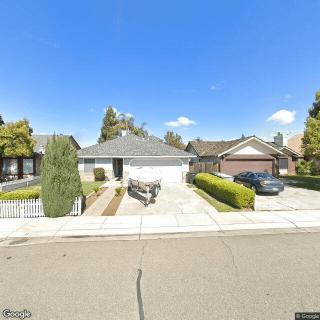
Woods' Board & Care in Riverbank, CA is best suited for families seeking a small, home‑like setting where a resident can receive daily assistance in a close‑knit, owner‑operated environment. This community shines when care is measured by personal attention, direct access to the people who run the home, and a sense that residents are known by name rather than by bed number. It is well aligned with seniors who value warmth, consistency, and a predictable routine over a clinical atmosphere. For residents who require hands‑on help with daily tasks, reminders, and a degree of social connection, Woods' Board & Care presents as a comforting, low‑stress option. It favors those who prioritize relational care over expansive programming and hospital‑style services.
However, alternatives should be considered for families prioritizing formal medical oversight, predictable progress reporting, or robust rehabilitative services. If a resident relies on regular, professionally delivered physical therapy, ongoing skilled nursing, or frequent physician communication, Woods' Board & Care may fall short. The small scale means staff may wear multiple hats, and service gaps can occur without proactive communication. For families needing strong transparency about therapy outcomes, sophisticated care coordination, or a structured daily activity calendar with diverse enrichment options, a larger assisted living or a dedicated rehab‑focused facility may offer more predictable accountability.
On the plus side, the owners are described as amazing, helpful, and genuinely caring about residents. That relational foundation translates into a welcoming atmosphere where staff often know residents’ preferences and family concerns, and where it’s easier to bring a personalized touch to daily routines. For many families, this means greater peace of mind and a sense that a beloved family member is in capable, attentive hands. Yet the strongest concern surfaced in a single negative account: a loved one reportedly remained uncomfortable and did not receive consistent physical therapy or timely updates on progress. Taken together, the warmth and accessibility of the owners can offset much of the anxiety around care in a small home, but only if expectations about medical oversight and communication are aligned with the resident’s needs.
Practical considerations reinforce the tension between the appealing, intimate model and the reality of clinical gaps. The home‑like setting often enables easier family involvement, flexible visit times, and a calmer daily rhythm that supports emotional well‑being. However, residents who require ongoing therapy, precise medication management, or rapid responses to changing conditions benefit from a more robust clinical framework that may be lacking here. Families should request a clear care plan, enumerating who administers medications, how often therapists visit, and what constitutes progress reports and updates. A thorough tour should include observations of staff responsiveness to routine requests and meetings with direct caregivers to assess whether the level of attention aligns with the resident’s needs.
From a decision‑making standpoint, the balance tilts toward Woods' Board & Care for those who prize a trusted, intimate environment and can live with potentially variable clinical oversight. The positive experiences suggest residents benefit from daily warmth and individualized attention, which can compensate for the absence of on‑site nursing if the overall health status is stable. The risk remains clear: a resident requiring regular PT, consistent progress communication, or timely acute responses may encounter frustration unless the operation makes compensating arrangements, such as arranging therapy off‑site with reliable coordination and instituting regular family updates. This is the crux families should test during a visit and in writing before committing.
If the resident’s needs align with a small, relational setting and the family can secure explicit, dependable arrangements for therapy and updates, Woods' Board & Care offers honest value and peace of mind. It is not the right fit for families demanding guaranteed professional therapy schedules or constant clinical oversight on a daily basis. The compelling pros, the personal touch, visible owner involvement, and a homey atmosphere, can offset many concerns, but only with clear expectations and documented care processes. Prospective movers should insist on a concrete care plan, meet the owners, and verify how therapy and progress are tracked. When those elements align, Woods' Board & Care can be a sound, sensible choice; when they do not, explore alternatives with a stronger clinical backbone to avoid gaps in care.
 Board and Care Home
 Modesto City-County-Harry Sham (8 miles away)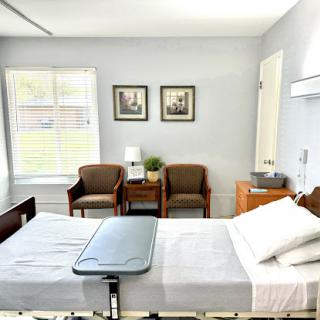





 Home Health Care Demystified: A Comprehensive Guide for Families and Caregivers
 Seniors and Modern Transportation: Exploring Uber, Lyft, and Other Ride-Hailing Options
 Comprehensive Guide to Qualifying for Home Health Care Services