
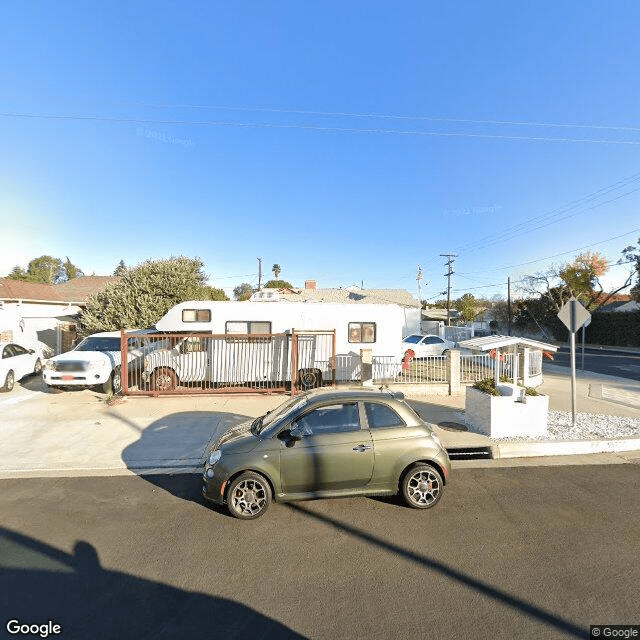
18735 Valerio St, Reseda, CA 91335
To contact a resident: (818) 996-5408
For more information about senior living options: (866) 208-4318
Valencia's Manor Costs & Pricing
Valencia's Manor offers competitive monthly pricing for its residents compared to the broader market in Los Angeles County and across California. For a semi-private room, the cost at Valencia's Manor is $1,710, significantly lower than the county average of $3,349 and the state average of $3,333. Similarly, for those seeking more privacy, a private room at Valencia's is priced at $2,100, which again presents a considerable saving when compared to the higher rates of $4,197 in Los Angeles County and $3,939 statewide. These affordability factors make Valencia's Manor an appealing option for individuals seeking quality care without the financial strain typically associated with assisted living facilities in the region.
| Floor plans | Valencia's Manor | Los Angeles County | California |
|---|---|---|---|
| Semi-Private | $1,710 | $3,349 | $3,333 |
| Private | $2,100 | $4,197 | $3,939 |
Senior living communities with a similar price nearby
-
from +$90 / mo

Fountain Home Care Services - Reseda, CA
$1,800 / month0.4 miles away -
from -$210 / mo
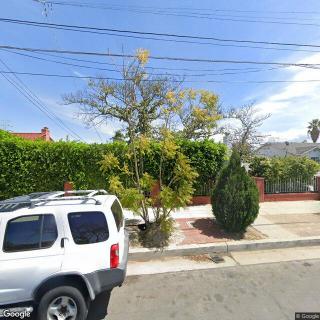
Sunnyside Res. Assist. Living For The Elderly
$1,500 to $6,357 / month8.3 miles away -
from +$90 / mo
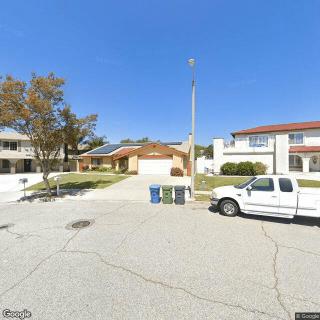
Green Valley Home Care
$1,800 to $2,000 / month13.6 miles away -
from -$110 / mo
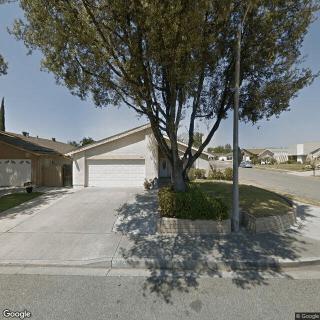
Laigo-Zanders Home for the Elderly
$1,600 to $2,000 / month11.2 miles away -
About the same
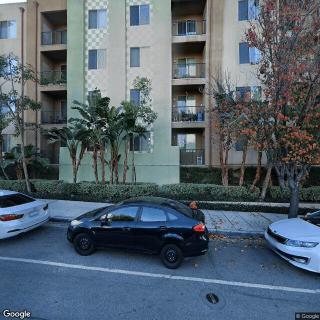
Burbank Senior Artists Colony
$1,725 to $2,495 / month13.7 miles away
Overall Review of Valencia's Manor
Cons
 The complex is consistently loud and poorly designed, like a racquetball court, making it feel like living in a tent.
- Noise from outside is audible inside the apartments.
- Management sends newsletters about noise but does not enforce the rules.
- Children in the courtyard are very loud, screaming, yelling, and running in the shared areas all day.
- The noise is so unbearable that residents have to leave their appointments to get quiet.
- The current manager is unresponsive, whereas the previous manager handled complaints better.
- The area becomes nasty with kids outside all day, messing up landscaping and leaving toys and trash.
- The washers are owned by a separate company, so maintenance is not the apartment’s responsibility and they are always broken.
- The reviewer would not recommend the complex to a friend.
Review
Valencia's Manor in Reseda is best suited for seniors who can tolerate a loud, busy environment and a management pattern that has shown inconsistency in addressing resident concerns. A long-tenured resident describes the building as inherently noisy, with sounds from common areas and the courtyard seeping into individual units as if living inside a racquetball court. The layout amplifies sound, and attempts at enforcement are sporadic at best. This is not a setting built for serenity, but for those who prioritize social interaction and a familiar, home-like feel over quiet and polish. Prospective residents who can adapt to fluctuating responsiveness and a sometimes rough edge to upkeep will likely find moments of value here.
Those for whom quiet, predictable routines, consistently enforced rules, and well-maintained facilities are non-negotiable should seriously explore other options. The same reviewer notes that management changes have eroded communication; a previous manager was more responsive, while the current leadership routinely does not return calls or emails. The courtyard is often lively with children, and the resulting noise disrupts appointments and daily rhythms. Maintenance issues extend beyond staffing: landscaping can appear neglected, and key facilities such as washers on the premises are managed by a separate company whose service outcomes are unreliable. In short, if these facets matter deeply, alternatives deserve serious consideration.
On the upside, the broader feedback shows at least two residents awarding top marks, signaling that positives may exist for residents with different expectations, perhaps a sense of community, affordability, or access to on-site social opportunities. Yet those positives struggle to blunt the core drawbacks described: relentless ambient noise, uneven responsiveness from management, and maintenance gaps that degrade daily life. The disconnect between the high end of the rating and the harsh personal account suggests a split experience: somewhere between tolerable social energy and unacceptable daily disruption. For families prioritizing a quiet, well-coordinated residence, the supposed benefits do not reliably compensate for the recurring negatives.
Before any commitment, families should insist on concrete expectations. Ask for a recent, timetabled plan to address noise in common areas and courtyard; request a clear point of contact and a track record of response times; verify the manager's tenure and stability. Probe maintenance workflows: who handles urgent repairs, what is the typical turnaround, and how are issues with external services (like laundry facilities) tracked and held accountable? Observe a move-in day for court activity and listen for noise patterns. Confirm landscaping maintenance schedules, trash control, and the overall cleanliness of shared spaces. These specifics separate theoretical comfort from lived experience and set the baseline for a honest decision.
Valencia's Manor should be weighed against a resident profile that accepts variable management, louder common spaces, and occasional upkeep headaches in exchange for likely lower cost, potential social engagement, and established life-in-place continuity. If the family’s priority is quiet, routine reliability, and pristine common areas, alternatives, such as communities with dedicated noise controls, stricter enforcement, and in-house maintenance, are more likely to deliver peace of mind. The decision hinges on how much tolerance exists for daily acoustic realities and the willingness to negotiate service expectations with management. A clear, experience-based verdict will emerge only after a deliberate stay-day trial and concrete benchmarks are in place.
Given the mixed experience reflected in reviews, a cautious, monitored engagement is prudent. Consider negotiating a trial stay or short-term lease, with explicit service-level agreements and consequences if commitments are unmet. Compile a decision checklist focused on noise control, communications, maintenance responsiveness, and furniture/apartment upkeep. If the trial confirms tolerable disruption with potential social benefits, Valencia's Manor could be a viable minor-risk choice; otherwise, pivot toward options that promise quieter living and more reliable daily operations. In the end, the best choice aligns with a resident’s threshold for noise, a caregiver's ability to supervise, and a family’s comfort level with less-than-perfect upkeep.
 Board and Care Home
 Burbank-Glendale-Pasadena (10 miles away)
 Intimate 6-bed community with personalized care, 24-hour supervision, medication management, and coordinated transportation.



 Understanding the Sandwich Generation: Stress and Responsibilities for Multigenerational Caregivers
 8 Essential Assistive Devices for Older Adults
 Navigating the Financial Road to Nursing Home Care: In-Depth Guidance and Resources