
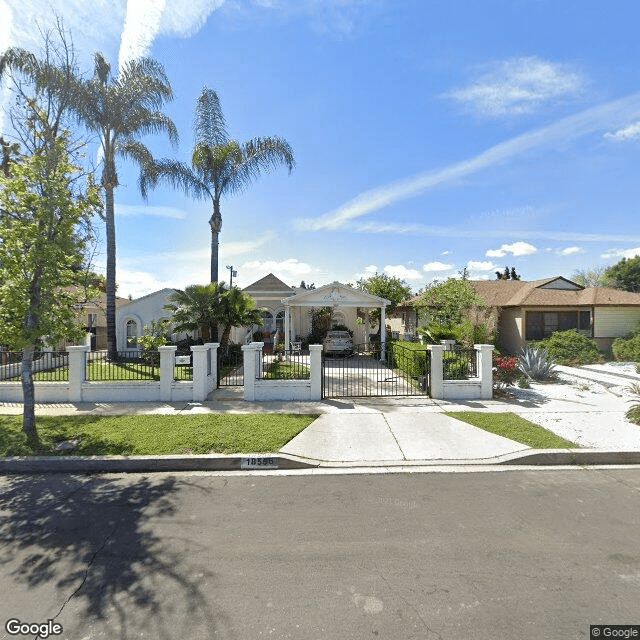
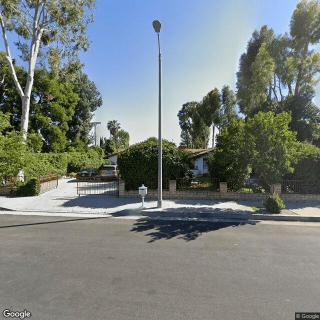
18556 Gilmore St, Reseda, CA 91335
To contact a resident: (818) 344-4144
For more information about senior living options: (866) 208-4318
Gilmore Home Care Costs & Pricing
At Gilmore Home Care, the cost for a private room is set at $3,000 per month, making it a competitive option compared to the broader market. In Los Angeles County, the average monthly cost for a similar private room rises to approximately $4,197, while throughout California it averages around $3,939. This positions Gilmore Home Care as an appealing choice for those seeking quality care at a more accessible price point within the region. Clients can benefit from comprehensive care services without facing the higher expenses typically associated with other facilities in Los Angeles County and across the state.
| Floor plans | Gilmore Home Care | Los Angeles County | California |
|---|---|---|---|
| Private | $3,000 | $4,197 | $3,939 |
Senior living communities with a similar price nearby
-
from +$500 / mo
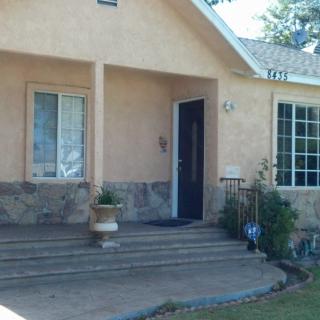
Paradise Senior Living 1
$3,500 to $4,500 / month2.7 miles away -
from -$250 / mo
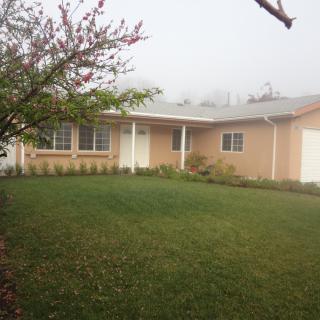
Dignity Care Home 1
$2,750 to $4,150 / month4.2 miles away -
About the same
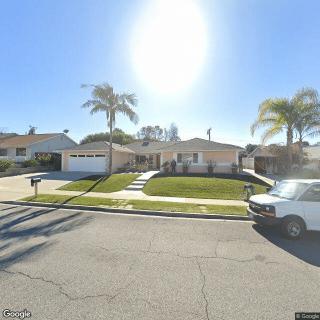
Thousand Oaks Home Care IV
$3,000 to $4,000 / month19.1 miles away -
from +$200 / mo
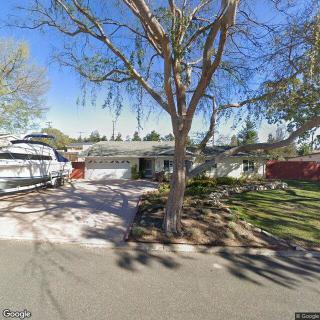
Four Seasons Board & Care Home, Inc.
$3,200 / month18.5 miles away -
About the same
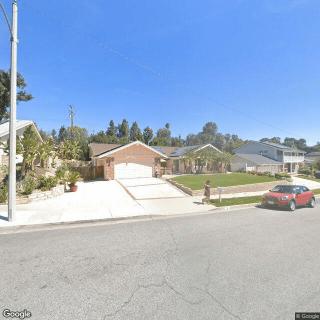
Thousand Oaks Home Care II
$3,000 to $4,000 / month19.3 miles away
Overall Review of Gilmore Home Care
Pros
 They are doing a good job here overall.
- The caregivers live in the home as a family, so everyone gets to know one another.
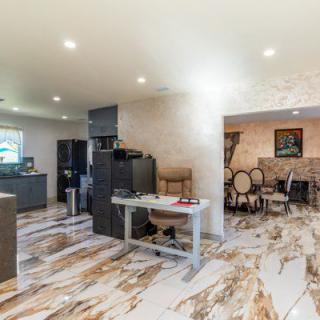
- The atmosphere is warm and homey.
- All of the food is home-cooked and always looks delicious.
Review
Gilmore Home Care in Reseda is best suited for seniors who want a truly home-like, intimate setting where caregivers are part of the family living in the home. Residents who value personal attention, predictable routines, and meals cooked with care will feel at ease here. The small residential setup means everyone is known by name, daily life unfolds at a gentle, unhurried pace, and the atmosphere tends to feel reassuringly safe and familiar. This environment shines for individuals who need help with daily tasks but do not require round-the-clock nursing oversight, and for families seeking a setting that emphasizes emotional connection and a sense of belonging over corporate efficiency.
Those considering alternatives should clearly weigh medical and social needs against the benefits of intimacy. This arrangement may not suit seniors with significant medical complexity, strict supervision requirements, or a demand for a wide array of organized activities. Larger assisted living communities generally provide more staff coverage, more robust scheduling of events, and easier access to licensed medical professionals. For residents needing memory-care support, frequent on-site nursing, or a broader calendar of social programs, a bigger community might deliver the sense of structure and resource depth that this small house-style setting cannot.
On balance, the primary pros, deeply personalized attention, a warm, home-like atmosphere, and home-cooked meals, deliver meaningful, tangible value. The intimate setup means staff and residents form meaningful relationships, facilitating responsive care and a sense of security throughout the day. Meals become an ongoing reminder of care and can significantly boost appetite and mood, which in turn supports overall well-being. These strengths help offset the lack of a large staff and formal healthcare infrastructure, particularly for residents who prioritize comfort, consistency, and daily reassurance over breadth of services.
However, the same family-driven model carries inherent trade-offs. The caregiving team rotates within a single household, which can limit staffing levels and the availability of specialized expertise on short notice. The result is a potential constraint on the breadth of activities, therapy options, and rapid medical response that larger facilities routinely provide. For families where a robust activity calendar, diverse therapeutic offerings, or seamless access to multiple on-site clinicians is a top criterion, this setup will feel limiting.
Practical decision guidance should focus on alignment with care needs and lifestyle preferences. Prospective residents and families should visit at different times of day to observe interactions, meal preparation, and how routines unfold in real life. Ask about the caregiver-to-resident ratio, policies for medical oversight, and how emergencies are handled when the family staff is off-site or unavailable. Inquire about the range of activities that are actually offered, how transportation to appointments is arranged, and what contingencies exist if the primary caregivers need time off. These specifics reveal whether the home’s warmth can be sustained alongside necessary medical support.
Overall, Gilmore Home Care represents a compelling option for seniors and families who prize a genuine home environment, close-knit caregiver relationships, and meals that feel like they come from a family kitchen. It is not the right fit for those whose priorities center on formal medical oversight, expansive programming, or rapid access to on-site nursing. When the person’s needs align with the intimate, homelike setting and a high degree of daily personal attention, this community delivers a rare sense of belonging and comfort that larger, more clinical facilities rarely replicate.
 Board and Care Home
 Activities off-site
 Devotional services off-site
 Indoor common areas
 Outdoor common areas
 Private
 Private bathrooms
 Swimming pool / hot tub
 Wheelchair accessible showers
 Burbank-Glendale-Pasadena (10 miles away)
 Diabetic care
 High acuity care
 Incontinence care
 Meals provided



 Comprehensive Guide to Medicare Coverage for Hospice Care
 Caring for Those Who Care: Recognizing, Understanding, and Overcoming Caregiver Burnout
 Caregiver Exhaustion: Recognizing the Signs and Restoring Your Well-Being