
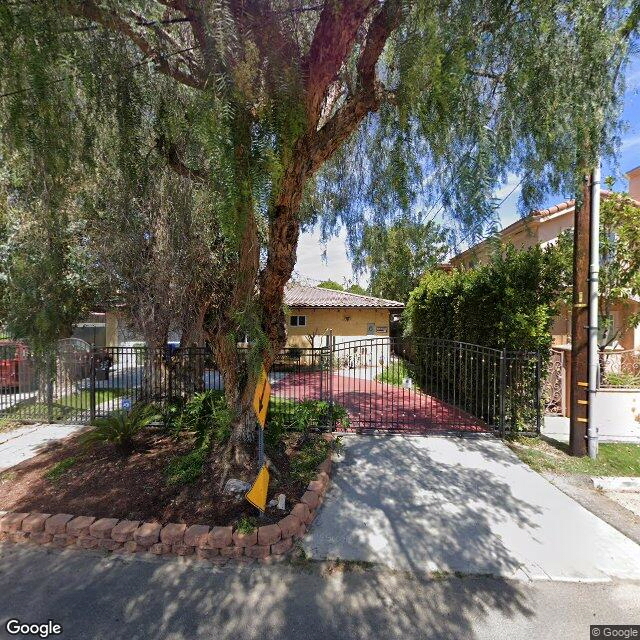
18831 Topham Street, Tarzana, CA 91335
To contact a resident: (818) 745-3601
For more information about senior living options: (866) 208-4318
Virginia House Costs & Pricing
Virginia House presents a competitive pricing structure compared to its counterparts in Los Angeles County and the broader California region. For a private room, residents can expect to pay $5,000 per month, which is notably higher than the average costs in Los Angeles County at $4,197 and California's overall rate of $3,939. Similarly, the studio option at Virginia House is priced at $5,500, surpassing both Los Angeles County's $4,172 and California's $4,145. This trend suggests that while Virginia House may command premium rates for its accommodations, it also positions itself as an attractive choice within the competitive landscape of housing options available in larger metropolitan areas.
| Floor plans | Virginia House | Los Angeles County | California |
|---|---|---|---|
| Private | $5,000 | $4,197 | $3,939 |
| Studio | $5,500 | $4,172 | $4,145 |
Memory care communities with a similar price nearby
-
About the same

Sweet Home Senior Living #1
$5,000 to $7,500 / month6.6 miles away -
from -$500 / mo
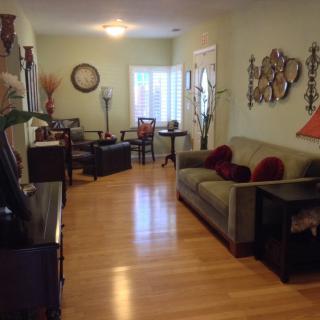
Ardenville Home Care I
$4,500 / month11.6 miles away -
About the same
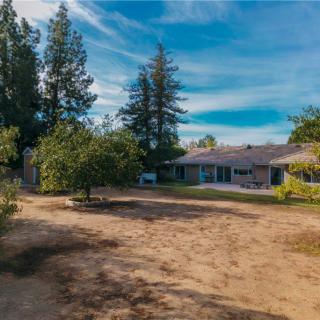
A Caring Touch Board and Care
$5,000 / month5.6 miles away -
from -$500 / mo

Royal Oaks Inn
$4,500 / month17.6 miles away -
from -$500 / mo

Evening Grace Residential Facility For Elderly
$4,500 to $5,500 / month3.7 miles away
Overall Review of Virginia House
Pros
 The homeowners were thrilled with the work Mike and the VA Construction team delivered, noting their professionalism, communication, and expertise.
- They were amazed by the bathroom remodel and upstairs flooring, with exceptional attention to detail and care throughout the process.
- The team stuck to the schedule, kept the site tidy, and answered questions promptly.
- Mike and his crew made the renovation process smooth, proving themselves reliable, honest, and focused on client happiness.
- VA Construction is described as a trustworthy contractor that does great work.
- They were praised as the best contractor in town.
- A referral led VA Construction to transform a 30-year-old home into something stunning and fresh.
- The living and dining area remodel left them happier, with the team guiding them every step and blending modern design with comfort.
- The kitchen remodel and ADU project were well-handled from design through permits and inspections, turning the dream into reality.
- The crew was fantastic—safe, prompt, clean, and respectful.
- The backyard upgrade created a luxurious outdoor retreat with flawless design.
Cons
 The reviewer described a prior contractor who took a large upfront payment, didn’t pull the required city permits, and messed up the house.
 - They noted that other contractors gave unclear answers and left them feeling unsecured about the project.
- They criticized earlier care facilities as providing inadequate care, which led to the mother’s anxiety and aggression and multiple moves.
- They expressed a desire for more engagement in talking and practicing verbal skills with the resident.
Review
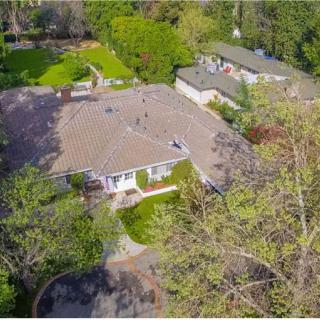
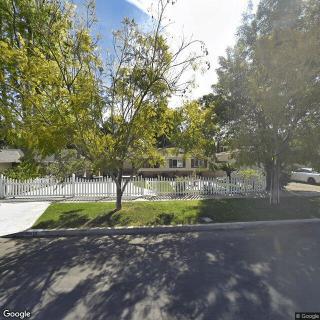
Virginia House in Tarzana is best suited for seniors with memory challenges who want a calm, intimate setting that feels like a private home rather than a facility. The environment is clearly crafted for comfort and trust: a handful of residents, typically up to three, allows caregivers to tailor routines to individual preferences, with meals prepared in a kitchen and easy access to a backyard or neighborhood walks. Families report that the care team, led by the owner, builds personal relationships with residents and relatives, translating into steadier moods, fewer aggression spikes, and a sense of safety. This arrangement centers on relational care, dignified living, and a slower, predictable day, making it a strong fit for those who value warmth and individualized attention over bustling campus life.
However, this is not the ideal choice for residents who require intensive medical monitoring, complex therapies, or extensive on-site programming. The best-fit profile embraces flexibility and family-style supervision, but it also means more limited structured activities and fewer clinical staff on site. One reviewer notes a desire for more verbal engagement and cognitive stimulation, which suggests that while the setting reduces anxiety, it may not provide comprehensive cognitive therapy. Families seeking robust on-site therapy, regular group activities, or 24/7 nursing oversight should consider larger memory-care campuses or skilled-nursing options. Virginia House excels in quiet, personalized companionship, not in delivering a full spectrum of clinical services.
Pros align tightly with the intimate, home-based model. The owner’s hands-on oversight and selective hiring create continuity that families value, with caregivers who understand residents’ quirks and respond quickly to mood changes. The home-like setting reduces overstimulation and fear associated with larger facilities, and the absence of a rigid institutional schedule yields genuine freedom for residents to spend time outdoors, in the kitchen, or with caregivers on walks. The small size means meals and daily routines feel natural and familiar, reinforcing a sense of belonging. For families prioritizing reassurance that a loved one will be treated like a member of a close-knit circle, this environment delivers a compelling match.
On the flip side, the price of intimacy is a narrower range of activities and fewer medical supports. The very advantages, personal attention, fewer residents, a calmer pace, also imply limited access to specialists, therapists, or formal reminiscence programs on site. The care plan may hinge on relationships with a small team, so it becomes essential to assess consistency and reliability over time. Prospective families should probe how cognitive stimulation is addressed and what the plan looks like as needs evolve, ensuring there is a clear path for transitions if memory or health deteriorates and more intensive care becomes necessary. In short, The Virginia House provides quiet, compassionate care, but not a substitute for facilities with broader clinical offerings.
Given these dynamics, approach with a concrete checklist. Visit and observe daily interactions between staff and residents; ask who is involved in care planning and how new residents are admitted; request examples of daily routines, mealtime rituals, and outdoor activities; verify that the owner remains actively engaged and that caregivers are a stable part of the team. Clarify the scope of care offered, the availability of outside therapies, and costs with transparency. The strongest endorsement comes from families describing a genuine sense of safety, trust, and personalized attention that persists as the resident’s needs evolve. This is the decisive factor when choosing between Virginia House and larger, more clinically oriented options.
When memory-centered care, a home-like atmosphere, and deeply personal attention matter most, Virginia House stands out as a compelling choice. It is especially well-suited for residents who thrive on routine, private moments, and family-like supervision within a small community. Alternatives gain appeal for those who demand higher levels of clinical care, more structured cognitive programming, or larger social networks. Weighing the comfort of a calm, individualized setting against the realities of limited on-site medical supports will most clearly reveal whether Virginia House aligns with a loved one’s care goals, safety needs, and the family’s expectations for peace of mind. For families prioritizing intimacy and trust, this option deserves serious consideration.
 Board and Care Home
 Memory Care
 Cats allowed
 Dogs allowed
 Activities off-site
 Devotional services off-site
 Indoor common areas
 Outdoor common areas
 Private
 Respite or short term stays offered
 Wheelchair accessible showers
 Burbank-Glendale-Pasadena (11 miles away)
 Ambulatory care
 Diabetic care
 High acuity care
 Incontinence care
 Meals provided
 Adventist services
 Buddhist services
 Islamic services





 Comprehensive Guide to VA Nursing Homes: A Crucial Long-Term Care Resource for Veterans
 Estimating the Expenses of At-Home Dementia Care: A Detailed Exploration
 Comprehensive Insights on the Late Stages of Dementia: What to Expect and How to Provide Care