
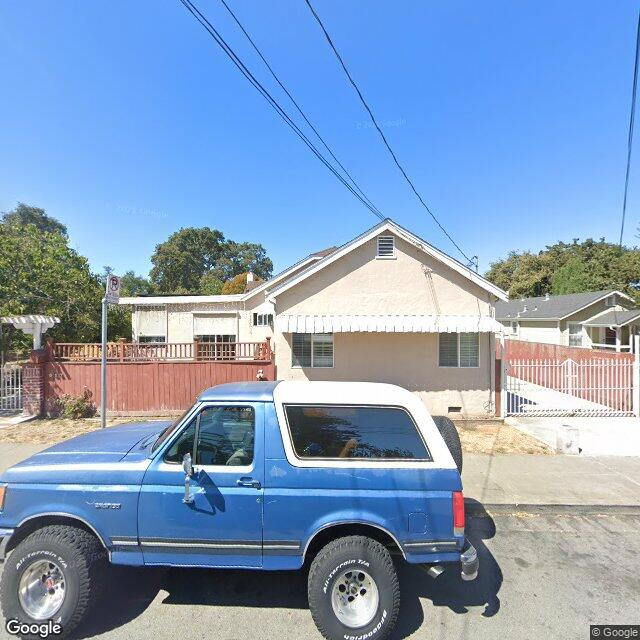
617 5th Ave, Redwood City, CA 94063
To contact a resident: (650) 216-0073
For more information about senior living options: (866) 208-4318
A M Residential Care Home Costs & Pricing
A M Residential Care Home offers competitive pricing for its services, particularly when compared to the broader market in San Mateo County and California. For semi-private accommodations, A M Residential Care Home charges $2,000 per month, significantly lower than the county average of $3,830 and the state average of $3,333. Similarly, their private rooms are available at $3,500 per month, which is more affordable than both the San Mateo County rate of $4,281 and the state average of $3,939. These cost-effective options reflect A M Residential Care Home's commitment to providing quality care while ensuring affordability for its residents.
| Floor plans | A M Residential Care Home | San Mateo County | California |
|---|---|---|---|
| Semi-Private | $2,000 | $3,830 | $3,333 |
| Private | $3,500 | $4,281 | $3,939 |
Senior living communities with a similar price nearby
-
About the same
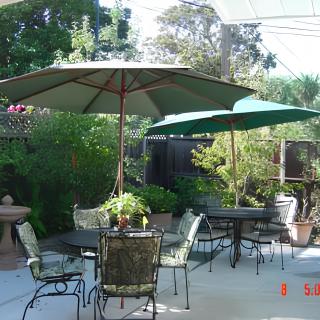
Sunny Orchard Place
$1,995 to $3,700 / month12.0 miles away -
from +$300 / mo
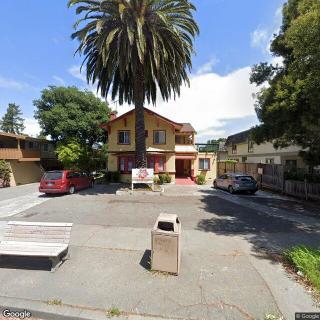
Jla Healthcare Services
$2,300 to $3,200 / month11.4 miles away -
from +$222 / mo
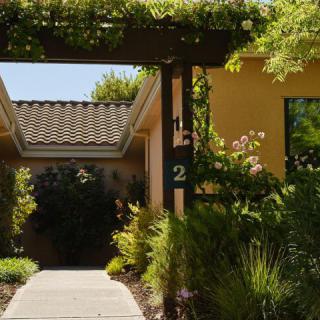
The Forum At Rancho San Antonio
$2,222 / month11.5 miles away -
About the same
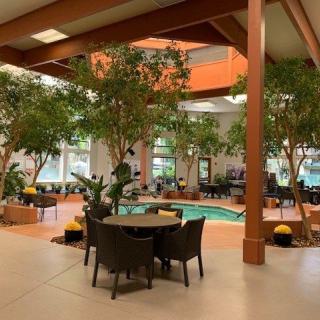
Cogir of Fremont
$1,950 to $3,495 / month13.0 miles away -
About the same
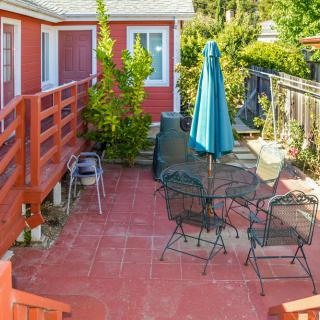
Heritage Hills
$2,000 to $3,800 / month14.4 miles away
Overall Review of A M Residential Care Home
Pros
 They have been taking excellent care of their patients.
- They have alleviated many concerns after a nightmare experience.
- They are very attentive and caring.
- They are highly praised for their care.
Review
A M Residential Care Home in Redwood City is best suited for families seeking a small, home-like setting where an elder receives highly personalized, hands-on attention rather than a large-scale, institution-style experience. This community is ideal for residents who benefit from close daily interaction with a consistent caregiving team, who value warmth and responsiveness, and who do not require extensive medical interventions or a highly structured medical model. In short, it serves as a practical refuge for seniors who thrive on familiarity, direct caregiver contact, and a relational, neighborhood feel over formality and expansive program offerings.
The strongest signal from the available feedback is that the care provided can be outstanding when it matters most. A family noting the facility’s performance describes that the staff have been attentive and caring, and that the home has alleviated significant concerns after a troubling prior experience. The sentiment emphasizes a genuine commitment to the resident’s well-being and a capacity to respond quickly to evolving needs. For families who have faced stress and fear about caregiving logistics, these elements translate into tangible reassurance: comfort that someone is watching over a parent with real, compassionate effort and consistency.
Yet the data pool shows a notable caveat: there is also at least one low rating. The presence of a 1-star review alongside the strong positive account signals variability in experiences. This means prospective families should approach due diligence with careful questions and concrete follow-through. It is not enough to rely on a single glowing testimonial; the reality of care can hinge on day-to-day caregiver stability, supervision, and how well the home can adapt as a resident’s needs evolve. The mixed feedback underscores the risk that satisfaction may depend heavily on individual staff assignments and specific expectations.
The potential advantages, personal attention, a home ambience, and a caregiver network that can feel intimate and responsive, are meaningful when weighed against the possible drawbacks. For residents who value a passionate, people-first approach and do not demand extensive medical programming, these pros can substantially offset limitations. However, the practical implications of operating on a smaller footprint include less formalized medical oversight, fewer on-site amenities, and a narrower range of activities and therapies. Families should weigh the comfort of a familiar, cozy environment against the likelihood of simpler routines and the need to coordinate external medical support when required.
To evaluate suitability, prospective families should pursue a structured, disciplined visit. Ask specifically about caregiver-to-resident ratios and how staffing levels shift across day, evening, and night hours. Inquire about staff turnover and training: who handles medications, how care plans are updated, and how family input is incorporated into daily routines. Request a tour that includes meal times, living spaces, safety features, and accessibility details. Speak with current residents or families about consistency of care, responsiveness to concerns, and the predictability of responses to emergencies. Compare these elements directly with other options that offer more robust medical oversight or a broader activity calendar.
Bottom line: A M Residential Care Home stands out for families prioritizing intimate, compassionate caregiving in a small, welcoming setting. It is a compelling choice for those who want to minimize distance from a home-like environment while maximizing caregiver visibility and personal attention. However, for families prioritizing extensive medical support, a highly structured activity menu, or specialized care for complex conditions, it is prudent to explore alternatives, larger assisted living communities or facilities with formal memory care programs may better meet those needs. A careful site visit, transparent discussions about guarantees and contingencies, and direct comparisons with nearby options will illuminate whether this community is the right match or if a different path offers greater peace of mind.
 Board and Care Home
 Private
 San Francisco International (14 miles away)


 Supportive Employee Benefits That Help Caregivers Attain Better Work-Life Harmony
 Top Cars for Senior Drivers and Essential Safety Innovations
 A Closer Look at Private Pay Home Care