
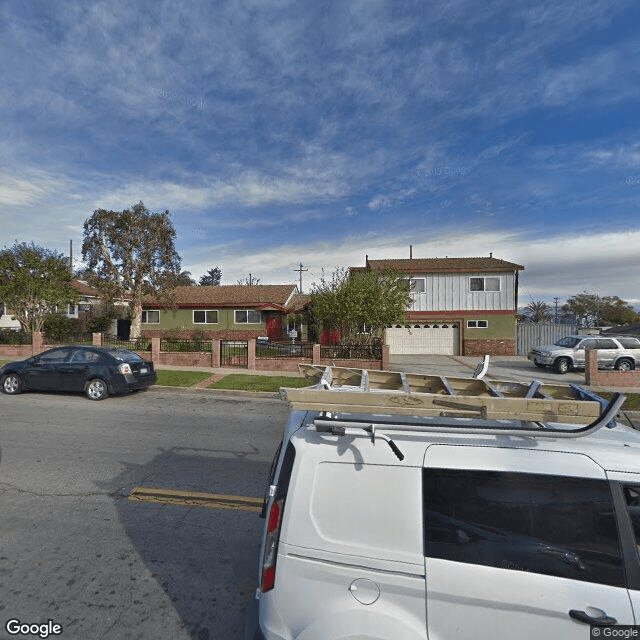
2805 Robinson St, Redondo Beach, CA 90278
To contact a resident: (310) 483-6965
For more information about senior living options: (866) 208-4318
Simla Villa's Inc. Costs & Pricing
Simla Villa's Inc. offers competitive pricing for its accommodations compared to the broader market in Los Angeles County and across California. For semi-private rooms, Simla Villa's Inc. charges $3,500 per month, which is slightly above the county average of $3,349 and aligns closely with the state average of $3,333. In terms of private rooms, Simla Villa's rate of $4,200 stands marginally higher than the county's cost of $4,197 but significantly exceeds the state average of $3,939. These figures suggest that while Simla Villa's provides quality services that may justify a premium price point for private accommodations, it remains competitively positioned within the semi-private room segment.
| Floor plans | Simla Villa's Inc. | Los Angeles County | California |
|---|---|---|---|
| Semi-Private | $3,500 | $3,349 | $3,333 |
| Private | $4,200 | $4,197 | $3,939 |
Senior living communities with a similar price nearby
-
About the same
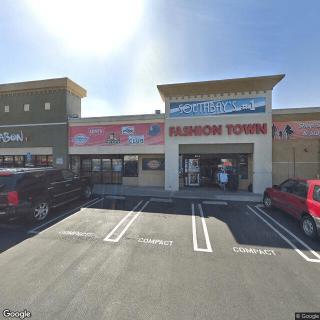
Kind Heart Home Care VI
$3,500 to $5,000 / month4.9 miles away -
About the same
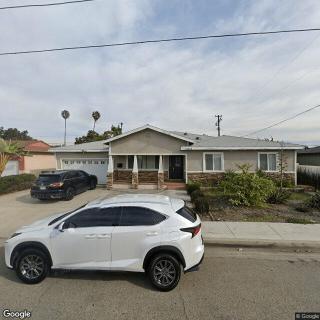
Loving Home Care
$3,500 to $4,500 / month22.3 miles away -
from -$200 / mo

Bella Manor II
$3,300 to $4,290 / month16.6 miles away -
from +$500 / mo
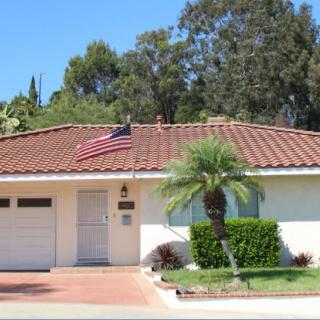
Palomino Residential Care
$4,000 to $6,000 / month17.3 miles away -
from +$500 / mo
Loving Care Facility for the Elderly
$4,000 to $5,975 / month23.3 miles away
Overall Review of Simla Villa's Inc.
Pros
 The licensed facility operates with a small capacity of six, offering assisted living and micro-community residential care.
- Its six-bed setup suggests a close-knit, personalized care environment.
- The center provides focused assisted living and micro-community residential care for residents seeking community living.
- The licensing status indicates a compliant, regulated setting dedicated to supportive care.
Cons
 The facility does not accept Medicare, Medicaid, veterans benefits, or long-term care insurance, and there is no subsidy available.
- It does not take Medicare, Medicaid, veterans benefits, or long-term care insurance, and there is no subsidy offered.
Review
Simla Villa's Inc. in Redondo Beach is best suited for a deliberately small, home-like assisted living arrangement. The facility operates as a micro-community with capacity limited to six residents, yet carries an official license for assisted living and micro-community residential care. This structure rewards residents and families seeking high-touch, easily supervised care where staff can know people by name, track routines, and respond quickly to everyday needs. The limited size signals a lifestyle more than a care plan, where residents share common spaces and daily rhythms in a compact setting. The trade-off is clear: intimate daily life, but a tightly constrained environment with a fixed ceiling on services and accommodations.
Who may want to consider alternatives? Families that anticipate needing broader service arrays, specialized therapies, or more robust activities programs should look toward larger operators. Those who depend on public funding or insurance to cover care costs will also need alternatives, because Simla Villa's does not participate in Medicare, Medicaid, veterans benefits, long-term care insurance, or any subsidies. For someone whose finances rely on subsidies or who requires a payer mix that includes public programs, the private-pay-only model here becomes a non-starter. Similarly, residents with complex medical needs or those who require regular professional rehabilitation may outgrow this micro-community quickly.
Pros are best understood through the lens of scale. The small footprint often translates into closer oversight, easier communication with caregivers, and a living environment that feels more predictable and homelike. Families can expect quicker updates and less bureaucratic friction when addressing day-to-day concerns. The downside of this same scale is a narrow menu of services, the bedrock of a typical assisted living program may be thinner here, with fewer activity options, therapy visits, and specialized equipment on hand. The critical question is whether routine needs can be met internally or if external, third-party supports will be required, and whether those supports fit within the tiny framework.
Financially, the absence of Medicare, Medicaid, veterans benefits, LTC insurance, or subsidies places all costs into private pay. That arrangement can be perfectly workable for families with ready resources, but it excludes a large portion of potential residents who depend on public funding to make long-term living affordable. The limited resident pool also suggests potential scheduling bottlenecks and shorter or less varied activity calendars, especially on weekends or holidays. The risk is that if a resident’s needs evolve, requiring more complex care or frequent transport to appointments, the micro-community may struggle to accommodate without external partnerships, and that could erode the expected continuity of care.
Decision-making hinges on fit, not only finances. If a resident cherishes a compact, familiar routine and prefers a setting where caregivers know their preferences and issues almost before they arise, Simla Villa's delivers. If independence is accompanied by a desire for diverse programming, regular on-site therapy, or simplified access to specialized medical services, a family should explore alternatives before committing. Consider visiting, meeting staff, and reviewing how emergencies are handled in practice, not just on paper. Clarify what activities, meals, and transportation exist within the six-resident model and whether flexible arrangements are available if a resident’s condition changes.
Bottom line: Simla Villa's Inc. is a pragmatic choice for a very small, intimate assisted living experience in Redondo Beach, best suited for residents whose care needs align with a six-person micro-community and whose finances are set for private pay with no subsidies. It offers the clarity and personal touch of a tight-knit home while leaving the door open to alternatives for families seeking broader services, funding flexibility, or a higher-resourced care environment. For the right resident and family, this setting can be a steady, straightforward option that prioritizes daily comfort and personal connection over breadth of services.
 Board and Care Home
 Activities off-site
 Devotional services on-site
 Indoor common areas
 Outdoor common areas
 Private
 Private bathrooms
 Respite or short term stays offered
 Wheelchair accessible showers
 Los Angeles International (5 miles away)
 Ambulatory care
 Diabetic care
 High acuity care
 Incontinence care
 Medication management
 Meals provided
 Exploring Palliative Care in the Home: A Comprehensive Overview
 Comprehensive Insights into Palliative Home Care: What It Is and What to Expect
 Skilled Nursing Facilities vs. Nursing Homes: Making Sense of the Differences