





3400 Knighton Road, Redding, CA 96002
For more information about senior living options: (866) 208-4318
Overall Review of Veterans Home Of California-Redding
Pros
 It is a great place to live.
- The staff are very caring and kind and do a great job.
- The facility is a valuable asset to the community.
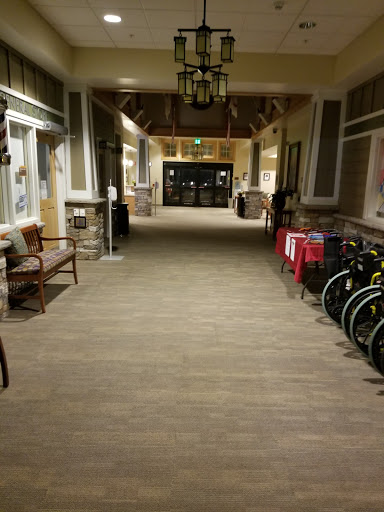
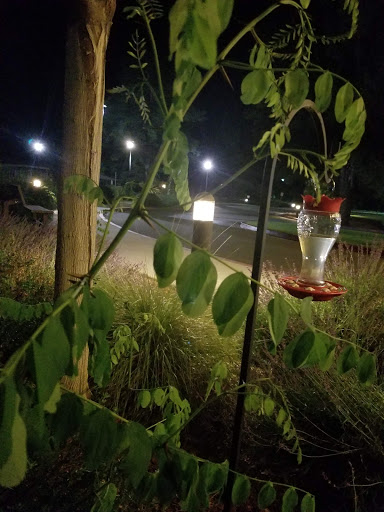
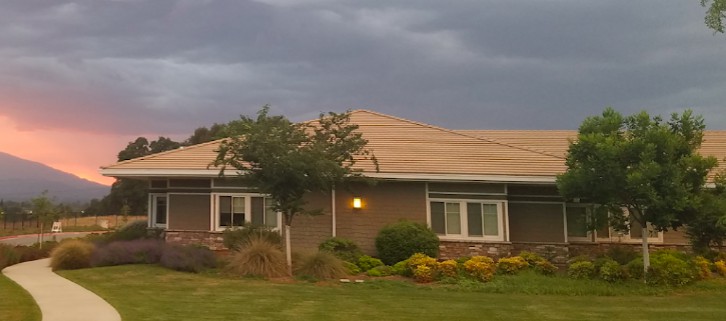
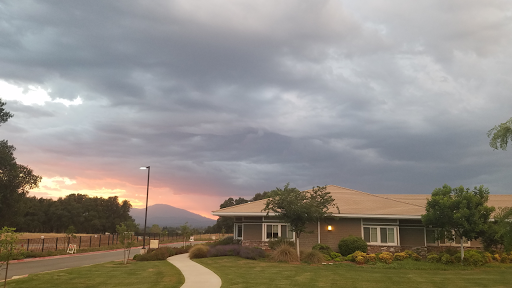
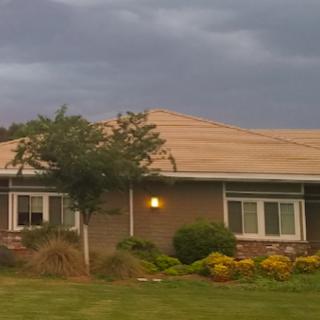
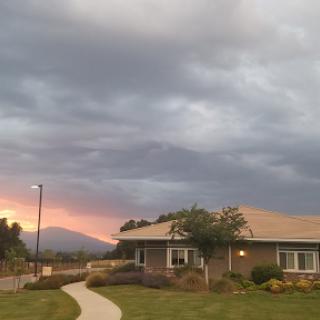
- The grounds are beautiful, and the gardeners and caretakers do an excellent job.
- It is a great place with great staff and veterans.
- Customer service is prompt, with no wait, and the building is beautiful with urgent care.
- The place is wonderful, and the employees are friendly.
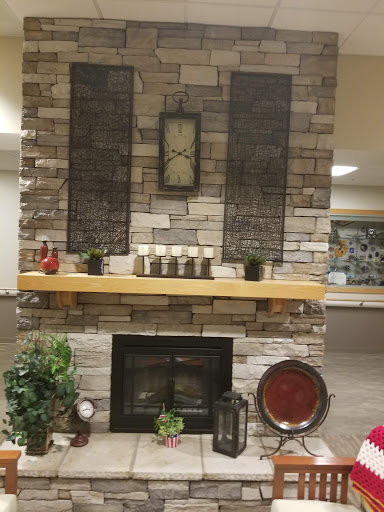
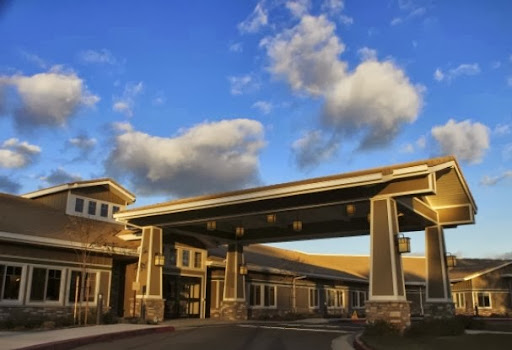
- It is a five-star housing complex: beautiful, clean, and well cared for; veterans have a wonderful place to live.
- The warm welcome and exceptional care are evident, and the staff are attentive.
- Management and staff are praised for creating a utopia of care and support for veterans.
Cons
 One reviewer notes that taking care of others isn’t always easy.
- One reviewer criticizes the lack of specific information at admission regarding URCC—Un-reimbursed Costs of Care.
Review
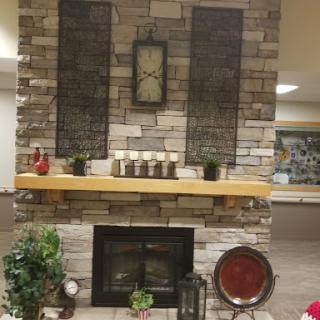
The Veterans Home Of California-Redding is best suited for veterans and their families who want a stable, well-rooted living environment where kindness and attentiveness are evident every day. It suits residents who prize a community with long-tenured staff, dependable daily care, and on-campus services that feel accessible rather than distant. The campus atmosphere, beautiful grounds, well-kept facilities, and a culture of care, supports a sense of belonging and continuity that matters for veterans who value dignity, safety, and predictable routines. For families seeking a place with a proven track record, strong resident engagement, and a clear commitment to respecting veterans, this community checks many boxes.
Those who may want to consider alternatives include families whose loved one requires higher medical acuity or specialized memory-care programs beyond the current scope. The model here centers on comprehensive care within a veterans-focused home, and that may not align with every clinical need. Another consideration is the cost-clarity piece: one notable critique highlights a lack of upfront detail about Un-reimbursed Costs of Care (URCC) at admission, which can complicate initial financial planning. If independence, more flexible private-pay arrangements, or a broader continuum of care (from independent living to specialized memory care) are priorities, it pays to shop other options that spell out costs and services more transparently from day one.
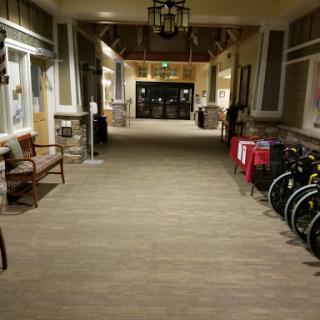
On the upside, the strongest draw is the staff and the lived experience of care. Reviews consistently praise caring, kind, and attentive personnel who genuinely seem invested in residents’ well-being. Long-standing employees, a warm welcome, and a culture of going the extra mile create an environment where families feel their loved ones are seen and respected. The campus itself reinforces this impression, tidy grounds, aesthetically pleasing interiors, and a sense that the facility is well-maintained and thoughtfully managed. The presence of an on-site urgent care adds practical reassurance for medical needs, enabling quicker responses and reducing the chaos often associated with hospital visits.
Despite the merits, the main drawback remains the admission-cost conversation. The absence of detailed URCC information at the outset can leave families navigating financial questions after the fact, potentially delaying consensus or full agreement on care plans. This is a meaningful factor, especially for veterans or families relying onVA benefits and uncertain reimbursement pathways. While the care experience is consistently strong, transparency around what is reimbursed, what is paid out-of-pocket, and how assets are protected requires proactive inquiry and careful documentation.
Nevertheless, the strengths largely offset the financial ambiguity for many families. The emotional reassurance that comes from dedicated staff, the security of a well-run facility, and the comfort of a thriving veteran-centric community offer tangible value that often transcends sticker-shock around costs. When residents celebrate the warmth of daily interactions, the sense of purpose that comes from a community focused on veterans, and the visible pride in a well-cared-for home, it becomes clear why families lean toward this option as a long-term solution. The combination of care quality, aesthetic appeal, and the on-site care framework creates a compelling case for those prioritizing stability and meaningful daily living.
For families moving toward a decision, concrete steps matter. Schedule a face-to-face with admissions to walk through URCC details and obtain a precise, written cost breakdown before any commitment. Request a full outline of what is and isn’t covered, and how costs might evolve with changes in care levels. Bring VA benefit questions into that discussion, and compare the outcome with similarly positioned VA homes and private options to confirm alignment with long-term financial planning. Tours should include time with staff and residents to observe interactions and the campus rhythm. If memory care or higher-level clinical needs become a factor, insist on clarity about available programs and a contingency plan. With diligent preparation, this community can be a strong, dignified home for veterans who prize care, community, and a steady hand guiding daily life.
 93 resident community capacity
 Assisted Living
 Continuing Care Retirement Community (CCRC)
 Skilled Nursing Facility
 Air-conditioning
 Beauty salon
 Cable or satellite TV
 Computer center
 Dining room
 Fitness room
 Fully furnished
 Gaming room
 Garden
 Housekeeping services
 Kitchenette
 Move-in coordination
 Outdoor space
 Private bathrooms
 Restaurant-style dining
 Small library
 Telephone
 Wellness center
 Wi-Fi/high-speed internet available
 Redding Municipal (1 miles away)
 Community operated transportation
 12-16 hour nursing
 24-hour call system
 Activities of daily living assistance
 Assistance with bathing
 Assistance with dressing
 Assistance with transfers
 Diabetes diet
 Medication management
 Mental wellness program
 Special dietary restrictions
 Concierge services
 Planned day trips
 Is Assisted Living Deductible on Your Taxes? Understanding the Complexities of Assisted Living Expenses and Deductions
 Assisted Living Support for Veterans: A Complete and Detailed Overview
 Exploring the Contrasts Between Assisted Living and Skilled Nursing