

120 South Street, Redding, CA 96001
To contact a resident: (530) 241-8645
For more information about senior living options: (866) 208-4318
Parkway Guest Home Costs & Pricing
Parkway Guest Home offers a private room at a competitive rate of $2,500 per month, significantly lower than the average costs for private accommodations in Shasta County and throughout California. In comparison, the average monthly cost in Shasta County stands at approximately $4,126, while the statewide average is about $3,939. This positions Parkway Guest Home as an attractive option for those seeking quality care without straining their financial resources, making it a viable choice for individuals and families considering long-term care solutions.
| Floor plans | Parkway Guest Home | Shasta County | California |
|---|---|---|---|
| Private | $2,500 | $4,126 | $3,939 |
Senior living communities with a similar price nearby
-
About the same
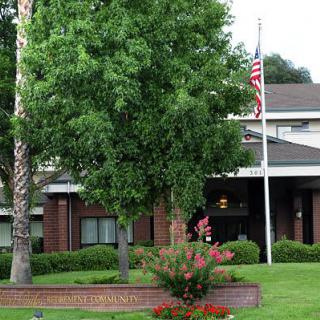
River Commons Senior Living
$2,510 to $8,195 / month0.9 miles away -
from +$495 / mo
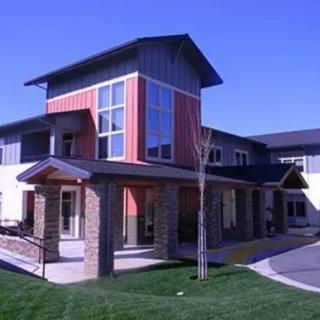
The Vistas Assisted Living and Memory Care
$2,995 to $3,995 / month3.0 miles away -
from +$395 / mo
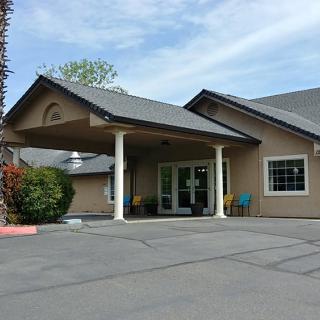
Sierra Oaks Assisted Living and Memory Care
$2,895 to $3,495 / month3.0 miles away -
from -$200 / mo
Lighthouse Inn
$2,300 to $2,500 / month3.1 miles away -
from -$200 / mo
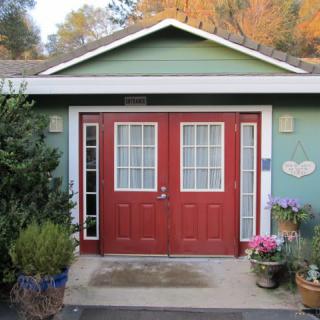
A Touch Of Heaven
$2,300 to $2,400 / month1.8 miles away
Overall Review of Parkway Guest Home
Pros
 The leadership and staff treated Stan as family.
- They loved him not just in words but in their actions.
- The staff were outstanding in their care of residents.
- The residents were happy during their stay.
- The staff are attentive, caring, and willing to go the extra mile for their clients.
- They treat both the client and the client's family as their family.
- The supervisor was kind and understanding.
- The facility has nice indoor and outdoor spaces and a family atmosphere.
Cons
 Under previous management, the facility did not provide receipts for monthly payments.
- The mother's wedding ring went missing and nothing was done about it.
- She was asked to leave due to night terrors, even though there was no place lined up for her.
- The reviewer gave the facility two stars and warned others to avoid it.
Review
This Redding community is best suited for seniors who value a warm, family‑like atmosphere where caregivers know residents by name and daily routines are carried out with attentive consistency. It shines for families seeking reassurance that medications are managed reliably, meals are tailored to individual preferences, and staff will treat both resident and family as part of an extended, caring net. Those who want a place with strong emotional support, visible kindness from supervisors, and a homey environment will find this setting especially compelling. It is not the right fit, however, for families prioritizing formal, hospital‑style medical oversight, rigorous financial transparency, or a policy environment that feels immunized against past management volatility.
On the strength side, the recurring thread in the reviews is a deeply caring staff culture. Residents are described as being treated like family, with staff going the extra mile to accommodate likes and needs, and to maintain a sense of belonging for families as well. The care teams are perceived as attentive and flexible, capable of adjusting meals if a resident dislikes a offered option, and of instilling confidence that medications are taken consistently. The best testimony comes from residents and families who report improved daily functioning, less wandering, fewer falls, and clearer thinking, after consistent routines and reliable medication administration took hold. The environment features inviting indoor and outdoor spaces that support socialization, strolls, and informal activities, reinforcing the sense of a true home rather than a clinical setting. A supervisor characterized as kind and responsive anchors a culture where concerns are heard and addressed, contributing to ongoing trust for families.
Nonetheless, the caution flag from one older, negative review cannot be ignored. That account points to issues under prior management, including problems with issuing receipts, a reported missing wedding ring, and a resident being asked to leave due to night terrors. Taken in isolation, that feedback raises legitimate questions about financial transparency, accountability, and discharge practices. While the bulk of reviews are glowing, the presence of a troublesome anecdote, especially related to governance and resident rights, means prospective residents should verify current leadership, contracts, and grievance processes before committing. The small pool of reviews also means there is limited cross‑section validation, so current families should seek up‑to‑date assurances about billing practices, resident protections, and the steps taken to prevent past issues from reoccurring.
Those pros offset the cons to a meaningful degree when balanced against what families most value: a trusted, people-centered approach. The appeal rests on relationships frozen in place by consistent staff presence, genuine warmth, and a living‑room atmosphere where care is personalized rather than standardized. For families juggling complex schedules, the promise of reliable medication adherence, individualized meals, and a responsive supervisor creates tangible peace of mind. The risk embedded in a single negative anecdote can be mitigated by asking direct questions about current financial practices, how receipts are issued, who signs off on disbursements, and what safeguards exist to protect residents’ belongings. In practice, strong caregiver engagement and a demonstrable, ongoing commitment to resident familiarity often translate into steadier days for people who fear institutional coldness.
For families evaluating options, a practical plan helps separate the impression from the reality on the ground. Schedule a face‑to‑face tour and request to meet the administrator or lead caregiver to hear how billing is handled today and how disputes are resolved. Ask for a current written policy on admissions, discharges, and resident rights; review the latest contract for clarity on fees, deposits, and refunds; and request recent monthly statements to confirm transparency. Inquire about fall prevention programs, medication management protocols, and how family members are kept informed about daily care and any changes in condition. Talk to current residents and their families about ongoing responsiveness and the consistency of staffing, not just the warmth of a single interaction.
Bottom line: for families prioritizing warmth, reliable daily routines, and a sense of belonging, this community offers a compelling, comfort‑driven option in Redding. It is particularly well suited for seniors who are not seeking intensive, hospital‑grade medical oversight but rather steady companionship, respect, and practical support that keeps daily life steady and dignified. Those with heightened concerns about financial transparency, or who require strict, formalized governance and discharge protections, should explore other communities or demand explicit assurances up front. A thoughtful visit, candid conversations with the leadership, and a clear look at current policies will reveal whether the current strengths align with the resident’s needs and the family’s expectations. The right match will emerge for those who want a home‑like setting where care feels personal, dependable, and genuinely compassionate.
 Board and Care Home
 Private
 Redding Municipal (6 miles away)
 Diabetic care


 Fecal Incontinence in Older Adults: A Comprehensive Guide
 Recognizing the Journey: Understanding and Navigating Anticipatory Grief
 Encouraging Participation in Adult Day Care: A Guide to Supporting a Hesitant Parent