
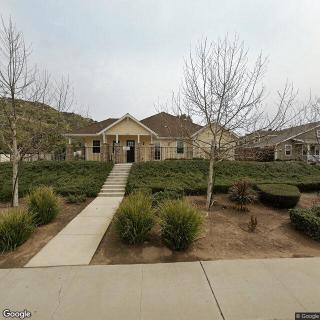
13608 Aubrey Street, Poway, CA 92064
For more information about senior living options: (866) 208-4318
Overall Review of Sunview Gardens 2
Pros
 Skyview Gardens provides excellent care.
- The owners and all the staff are compassionate caregivers.
- The building is beautifully designed.
- It has a great location and quiet surroundings.
- Terry, Felicity, and every staff member are warm, welcoming, and accommodating.
- The staff create an atmosphere where residents can make friends easily.
- They treat residents with love and dignity.
Cons
 The transition into group living is difficult for any older adult, especially ones with the extra burden of illness.
- My aunt’s illness took away her quality of life and made little things like eating and bathing impossible for her to do on her own.
- Skyview Gardens manages to meet the individual preferences and needs of each resident, which can’t be easy, although they make it seem effortless.
Review
Sunview Gardens 2 is best suited for seniors who want a warm, home-like setting where caregiving feels personal and highly attentive, and for families seeking hands-on leadership from owners and staff. The community appears ideal for individuals moving from independence toward 24/7 support, particularly when illness or progressive needs make one-on-one attention more important than campus size. With a beautifully designed, quiet environment in Poway, CA, the residence supports meaningful connection, and the staff are described as compassionate and genuinely involved in residents’ daily lives. The atmosphere supports dignity, loving care, and the creation of friendships, which can be the decisive factor for families prioritizing emotional comfort alongside practical assistance.
Those who may want to consider alternatives are not the majority here, but a clear caveat exists for certain needs. If medical complexity requires hospital-style oversight or highly specialized therapies, a larger medical or rehab-focused community could be a better fit. For families seeking a constant, high-energy social calendar with a broad array of on-site programs, or for residents who favor a more bustling campus with extensive amenities, other options may deliver a more robust activity lineup or more extensive clinical services. Additionally, households prioritizing ultra-low cost or highly structured, facility-wide programming might find other communities a tighter fit financially or culturally.
The strongest pros center on people and atmosphere. Owners and staff are described as compassionate caregivers who manage to tailor care to individual preferences and needs, a feat especially challenging in a setting that blends illness with group living. The warmth and welcoming nature of the team help ease the natural discomfort of transitioning to communal living, allowing residents to form friendships and social bonds quickly. The home-like design, quiet surroundings, and a convenient location contribute to daily life that feels secure and settled rather than clinical. In short, the care culture emphasizes dignity and personal connection, with leadership visible in daily interactions and decision-making.
In terms of cons, the reviews highlight the inevitable tension between a small, intimate environment and the realities of aging in place. The shift into group living can be difficult for some residents, despite a committed staff, which means smooth adjustment and ongoing emotional support can be critical. A smaller facility may also mean fewer on-site medical services, specialized therapies, or a broader range of activity options than larger campuses. These are real considerations, especially for those whose needs require more intensive clinical oversight or a busier social schedule; however, the warmth and attentiveness of the team can substantially mitigate these limits.
The pros clearly offset these potential drawbacks when viewed through the lens of daily lived experience. A hands-on ownership model and consistently compassionate staff create a level of trust and stability that counters the anxiety of loss of independence. The intimate setting fosters genuine connections and a sense of belonging, reducing loneliness and helping residents stay socially engaged even as needs rise. The combination of a serene setting, tasteful design, and a staff that listens and adapts can make the difference between merely surviving a transition and thriving within a supportive community. For many families, this is exactly the balance sought: warmth, dignity, and dependable, person-centered care in a calm, comfortable home.
When evaluating whether Sunview Gardens 2 is the right move, prospective families should schedule a thorough tour with a checklist oriented toward practical realities. Confirm the staff-to-resident ratio, the specifics of 24/7 care, and how medical supervision works on a day-to-day basis. Inquire about meal service quality, visiting policies, and the availability of rehabilitation or therapy services on-site or nearby. Speak with current residents or families about how needs are anticipated and addressed, and observe how staff interact with residents in common areas. If the goal is a serene, compassionate, home-like setting where dignity is prioritized and individual preferences drive daily life, Sunview Gardens 2 stands out; if the priority is a busy calendar of activities or intensive clinical programming, alternatives should be explored.
 15 resident community capacity
 Assisted Living
 Cable or satellite TV
 Dining room
 Fully furnished
 Garden
 Housekeeping services
 Move-in coordination
 Outdoor space
 Telephone
 Wi-Fi/high-speed internet available
 MC Clellan-Palomar Airport (18 miles away)
 24-hour supervision
 Activities of daily living assistance
 Assistance with bathing
 Assistance with dressing
 Assistance with transfers
 Diabetes diet
 Meal preparation and service
 Medication management
 Special dietary restrictions
 Transportation arrangement (medical)
 Transportation to doctors appointments



 Vibrant Senior Living: A Comprehensive Guide for Active Older Adults
 When to Transition from Assisted Living to Memory Care: Key Indicators, Steps, and Finding the Right Community
 Assisted Living and Memory Care: Understanding Their Core Differences