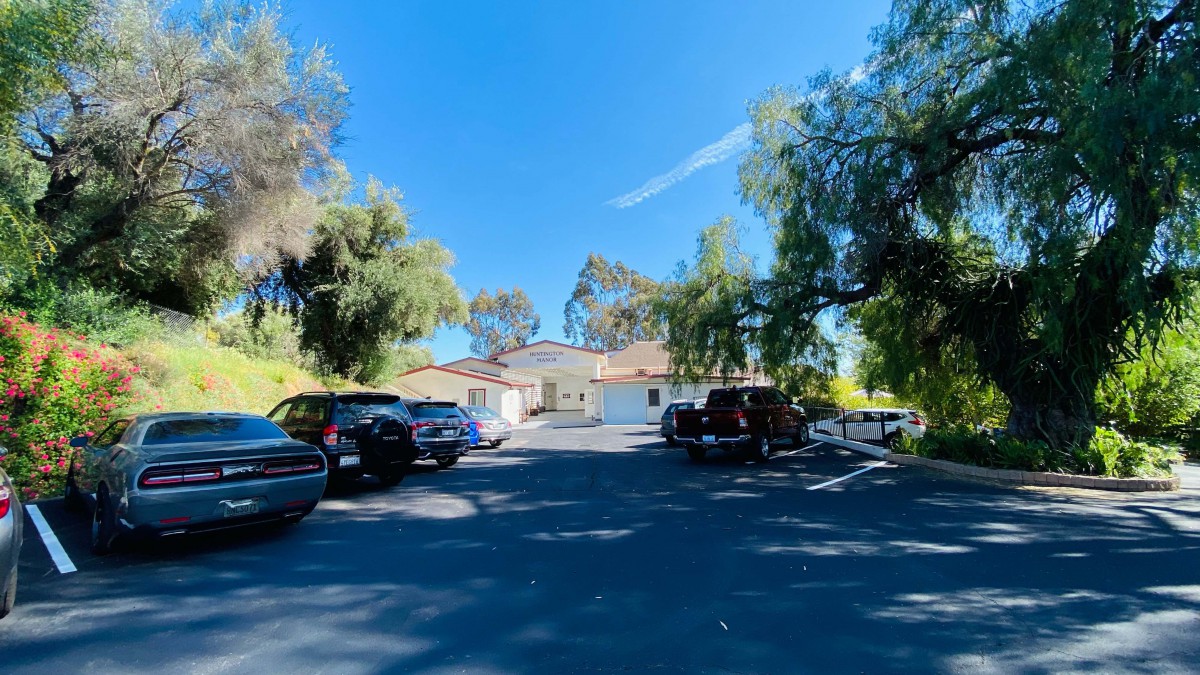




14755 Budwin Lane, Poway, CA 92064
For more information about senior living options: (866) 208-4318
Huntington Manor Costs & Pricing
At Huntington Manor, the monthly cost for a studio apartment stands at $7,000, which is significantly higher than both the average costs in San Diego County at $4,217 and the statewide average of $4,145. This pricing reflects not only the premium amenities and personalized services that Huntington Manor offers but also its commitment to providing a high-quality living experience. While potential residents may find more economical options within the region and state, those considering Huntington Manor will appreciate the distinctive environment and level of care that come with the investment.
| Floor plans | Huntington Manor | San Diego County | California |
|---|---|---|---|
| Studio | $7,000 | $4,217 | $4,145 |
Assisted Living communities with a similar price nearby
-
About the same

Activcare At 4S Ranch
$7,150 to $7,450 / month5.2 miles away -
from -$500 / mo

Villa Monticello Assisted Living
$6,500 to $7,000 / month14.4 miles away -
About the same

Silvergate Rancho Bernardo
$7,000 to $7,295 / month3.0 miles away -
from -$1350 / mo

Catered Living at Chateau Lake San Marcos
$5,650 to $8,200 / month14.2 miles away -
from -$850 / mo
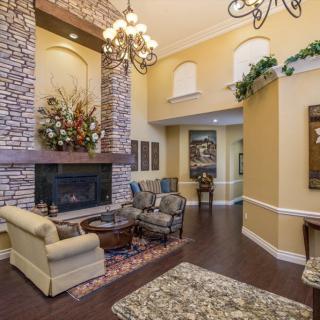
Activcare At Rolling Hills Ranch
$6,150 to $6,500 / month23.0 miles away
Overall Review of Huntington Manor
Pros
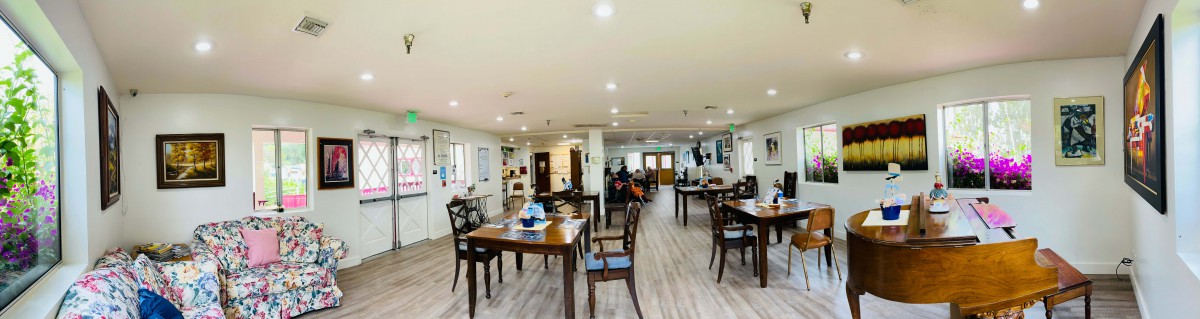
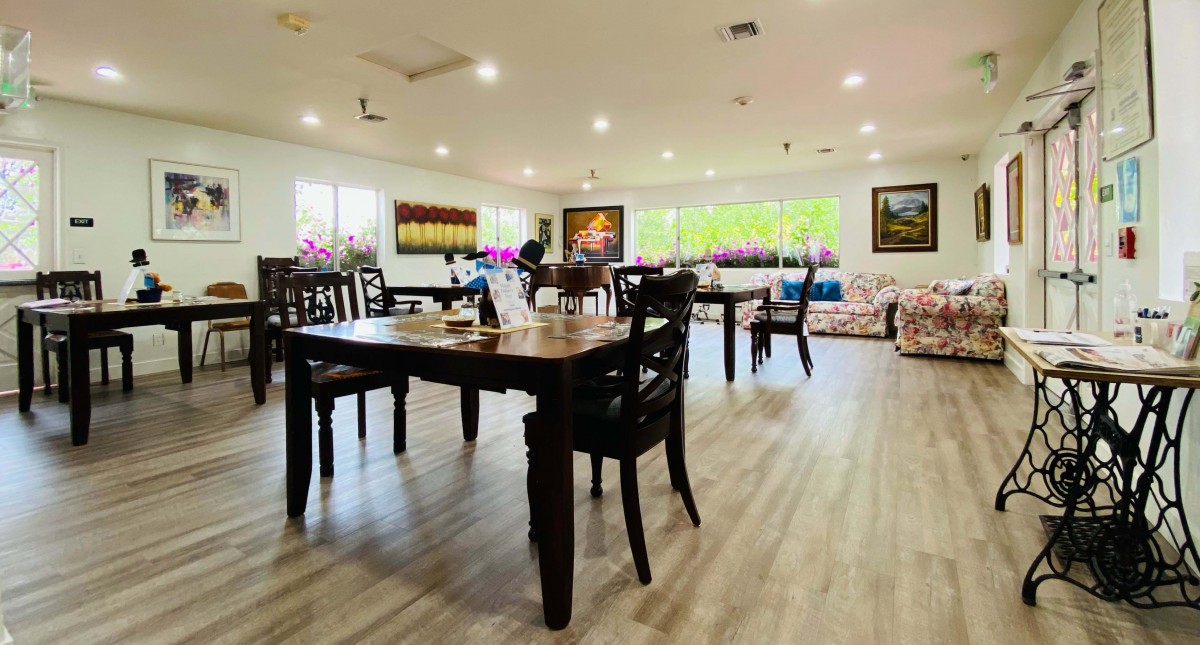
 Huntington Manor is reasonably priced and feels more like a home than a facility.
- The staff are friendly, reliable, and caring.
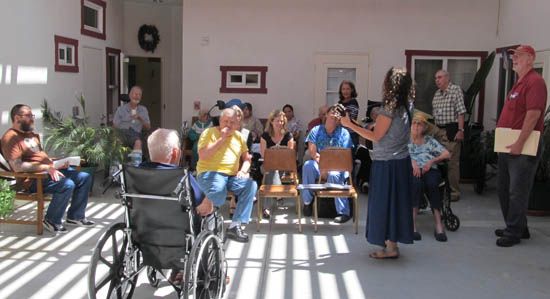
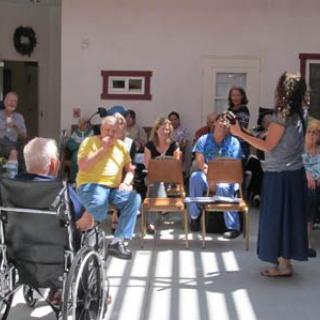
- They offer a variety of activities, including bingo, puzzles, karaoke, and live music, with occasional piano.
- The garden area is beautiful and walkable, giving a park-like experience.
- The meals are well balanced and prepared to be soft for easy dining, with a restaurant-like dining rhythm.
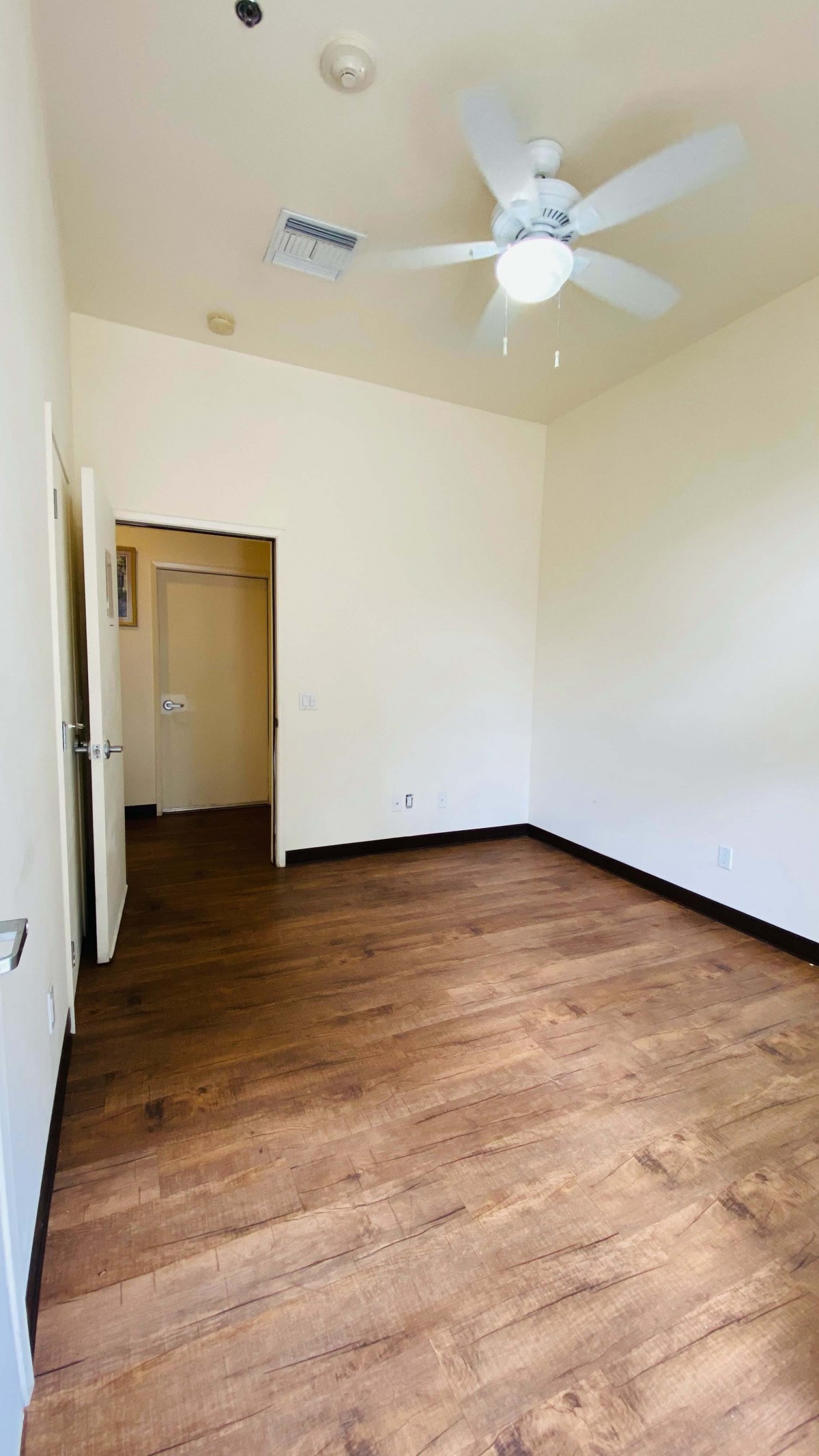
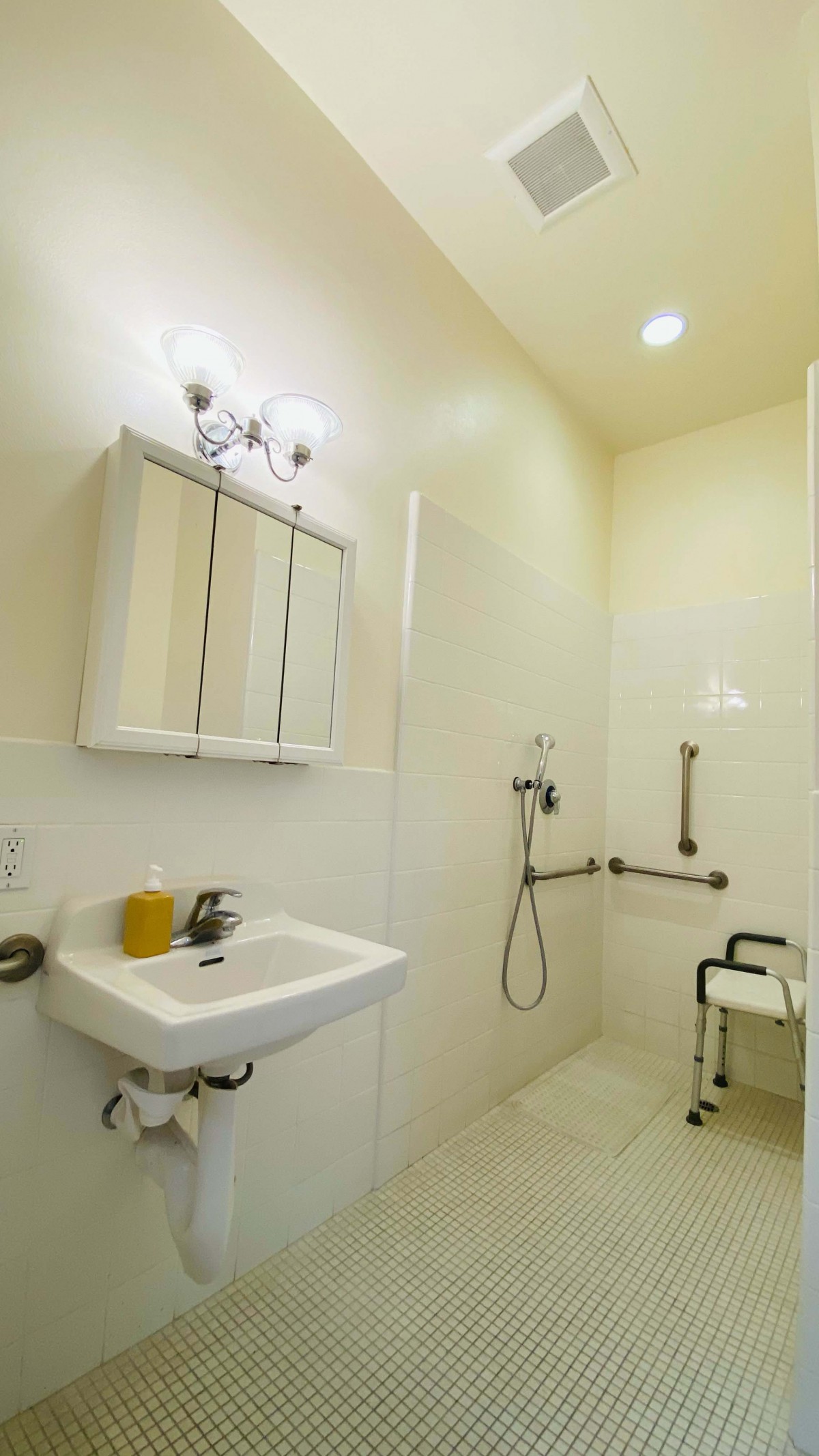
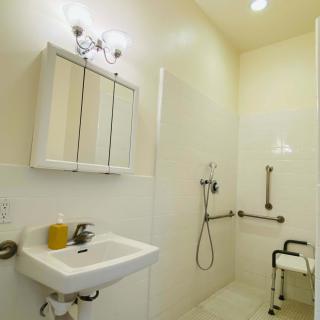
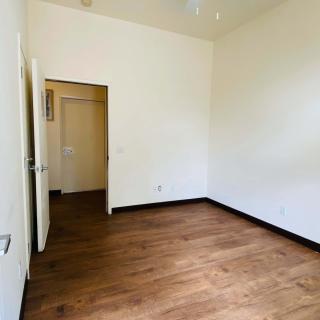
- Many rooms are spacious, with private baths in newer buildings, enhancing comfort and privacy.
- The care team is skilled and attentive, including for residents with special needs such as quadriplegia.
- The facility is well run, with an attentive administrator, and has maintained safety during COVID.
- The environment is serene and surrounded by beauty, with abundant flowers both outside and inside.
- Families feel that residents are cared for with love, and Huntington Manor is recommended.
- Hospice care there is described as very good.
Cons
 The resident has not received a bath or shower in 10 days.
- The staff are unresponsive.
- There is no manager onsite.
- The facility is not worth the cost.
- Most residents have serious dementia, which makes it lonely for those who can still function mentally.
- The director has an attitude and does not want to hear criticism.
Review
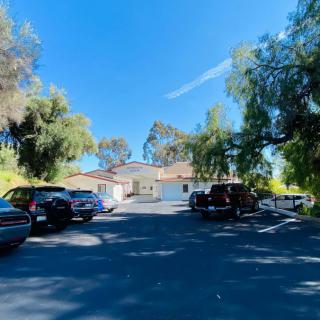
Huntington Manor in Poway is best suited for seniors who want a home-like atmosphere, stable caregiving, and a lively, socially engaged setting without sacrificing everyday practicality. The community shines for residents who appreciate a warm, personable staff, comfortable private or semi-private living spaces, and a calendar that includes music, puzzles, bingo, and regular dining as a social event. Families seeking a serene campus with garden walkways, accessible outdoor spaces, and a dining program that mimics restaurant cohesion will find this environment particularly appealing, especially when private baths are available in the newer buildings.
That said, alternatives should be on the radar for those prioritizing robust, highly medically intensive support, or for families who want a facility with a more polished, modern feel and fewer concerns about administration responsiveness. Some residents and their families describe a mix of cognitive needs and social dynamics that can leave conversations uneven if many residents live with dementia. A few observers have questioned management responsiveness, noting an attitude they perceived as unaccommodating. And, while value is strong in several reviews, the overall cost can be a sticking point for families who expect higher perceived ongoing affordability given the level of care.
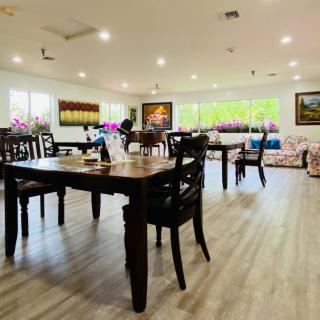
The strongest positives lie in the staffing stability and the homelike culture. Long-tenured caregivers and a team that demonstrates reliability, kindness, and expertise in complex care, such as quadriplegia, build trust and continuity. The facility’s philosophy, “Surround them in Beauty”, is embodied by serene grounds, accessible gardens, and comfortable living areas that feel less institutional and more like a private residence. The dining experience reinforces this impression, with meals served in a communal, restaurant-like setting and options for dining in rooms or outdoors, making daily life predictably social and comforting. For residents with mobility or safety concerns, private baths in the newer buildings and widely accessible outdoor areas are meaningful advantages.
The campus layout supports this approach. Two buildings, with the newer sections offering private baths in most rooms, give residents a choice between intimate privacy and shared spaces. The large dining room, outdoor seating options, and the ability to have family join meals or activities contribute to a sense of belonging. Activities aren’t just canned; there is an active director coordinating puzzles, exercises, and events, and staff who have demonstrated care across various needs, including hospice partnerships. The combination of good food, strong caregiving, and engaging environments helps offset the occasional perception of limited interactions among residents with advanced dementia.
In decision terms, Huntington Manor works best for families who value a warm, caregiving-forward culture and a reasonable, transparent value proposition within a mid-range pricing tier. It is a solid choice for residents who will thrive with regular social contact, meaningful routines, and serene surroundings. If cost is a dominant constraint and the expectation is a pristine, ultra-modern setting with highly specialized memory-care programming, it may be wise to compare with other communities. The realities described by families, occasional distance between staff and critics, some rooms with shared baths, and a population mix that may feel uneven for those without dementia, are real factors to weigh against the peace, care quality, and homelike comfort Huntington Manor delivers.
Practical next steps for families evaluating Huntington Manor include visiting during mealtimes and activity blocks to observe staff responsiveness and resident engagement. Request meetings with the administrator and the activities director, and tour both the newer and older buildings to compare room configurations, bath options, and noise levels. Inquire about staff-to-resident ratios, turnover, and how concerns are addressed in real time. Taste-test meals if possible, review sample menus, and ask about room selection and pricing details, specifically what is included in base rates versus add-ons. Finally, speak with current residents or families about loneliness or social fit, and verify care plans align with the intended level of daily support.
 21 resident community capacity
 Assisted Living
 Respite Care
 Cats allowed
 Dogs allowed
 Activities on-site
 Air-conditioning
 Beautician on-site
 Cable or satellite TV
 Cafe
Cafe Computer center
 Devotional services off-site
 Dining room
 Financial aid
 Full kitchen
 Fully furnished
 Garden
 Ground floor units
 Handicap accessible
 Housekeeping services
 Indoor common areas
 Laundry
 Move-in coordination
 Outdoor common areas
 Party space
 Restaurant-style dining
 Small library
 Telephone
 Wheelchair accessible showers
 Wi-Fi/high-speed internet available
 MC Clellan-Palomar Airport (17 miles away)
 Transportation & parking
 24-hour call system
 Assistance with bathing
 Assistance with dressing
 Assistance with transfers
 Blood work
 Diabetes diet
 Hospice care
 Medication management
 Mental wellness program
 Special dietary restrictions
 Art classes
 Book club
 Catholic services
 Cooking club
 Day trips and outings
 Educational speakers / life long learning
 Fitness programs
 Games
Games Happy hour
 Karaoke
 Live musical performances
 Live well programs
 Wine tasting
 English



 Medicare Coverage for Assisted Living: An In-Depth Exploration
 Choosing the Right Senior Care: A Detailed Exploration of Assisted Living and Nursing Homes
 Understanding the True Cost of Assisted Living in 2025: A Comprehensive Guide