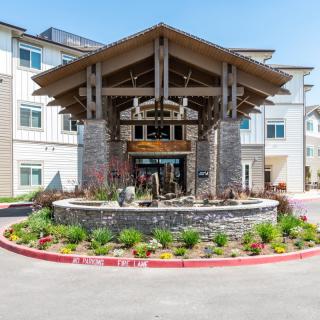
Timmerman D And M Family Care Home in Porterville, CA

Information last verified:

22547 Avenue 178, Porterville, CA 93257

For more information about senior living options: (844) 490-3973

3.5 from 110 reviews
5 stars
56
4 stars
15
3 stars
3
2 stars
2
1 stars
34

Overall Review of Timmerman D And M Family Care Home

Pros

  • pro They did their job well and were very professional.
  • pro They provide awesome care.
  • pro Dr. Reynold Y. Garcia is an awesome doctor who listens to patients and spends time with them.
  • pro The doctors deliver the best attention and services.
  • pro Dr. Delima is loved by her patients; she cares for them and always listens to their concerns.
  • pro The staff and service have never been a problem; the pharmacist is helpful and thorough.
  • pro The staff is super friendly, service is fast, and the environment is professional and clean.
  • pro Family Healthcare Network feels like family to its patients.

Cons

  • pro The clinic is described as unprofessional and as prioritizing money over patient care.
  • pro Patients report long wait times and being left waiting for hours.
  • pro Appointments are canceled or rescheduled at the last minute, often after patients have traveled.
  • pro Front desk staff are described as rude and unhelpful.
  • pro Some doctors are accused of mismanaging medications or failing to listen to patients.
  • pro The facility is labeled as the worst in town, with pervasive claims of poor bedside manner.
  • pro There are serious complaints about poor communication, including missed notifications and false documentation.
  • pro Providers are described as dismissive, arrogant, or disrespectful toward patients.
  • pro Several reviews discourage others from using the clinic due to unsafe or negligent care.

Review

This community is best suited for families seeking a small, home-like living environment in Porterville where caregivers establish relationships with residents and care feels personal. The reviews show a setting that can feel warm and attentive when staff know residents well, with several responders praising genuine kindness, speedy service, and doctors who listen. It works particularly for seniors who value direct access to a tight-knit team and who arrive with relatively straightforward care needs that can be managed in a intimate, less institutional atmosphere. The upside is the potential for trust-building and continuity of care in a setting where staff may remember preferences and routines. The caveat to keep in mind: warmth and responsiveness hinge on everyday staff morale, and that intimate setting can magnify issues when systems falter.

Families considering alternatives should weigh this against options that emphasize scheduling reliability, broader provider networks, and more robust medical coordination. The reviews repeatedly flag scheduling instability, delays, double-bookings, last-minute cancellations, and some fronts-desk interactions that feel brusque or disorganized. For seniors who rely on predictable appointment times, prompt refills, and clear referral pathways, these patterns can become exhausting and disruptive. Alternatives with larger staffs, more formal protocols, and on-site or closely coordinated specialty coverage may deliver steadier operations. In short, if reliability and scalable medical oversight are non-negotiable, exploring other assisted living or clinic networks is prudent.

The strongest pros here center on personal attention and the human touch. Several reviewers report that staff are friendly, courteous, and genuinely caring, with a few doctors described as patient, thorough, and willing to spend time addressing concerns. When care teams function smoothly, residents experience quicker visits and a sense that their concerns are heard. The pharmacy and some clinicians earn praise for responsiveness and clarity, which can translate into smoother daily medication management and fewer friction points for routine care. These strengths matter a great deal for seniors who prioritize a trusting relationship with caregivers and who respond well to a familiar, predictable routine.

Yet the cons temper the appeal: inconsistent appointment management, inconsistent bedside manner among some providers, and documented frustrations with referrals or follow-up. A pattern of late arrivals, miscommunications about visits, and outright cancellations can undermine the feeling of stability that many seniors need. In a setting that aims to be intimate and supportive, these operational gaps tend to amplify the burden of chronic conditions and daily routines. For families weighing this option, the risk is that dependable, ongoing medical coordination may be uneven, forcing frequent renegotiation of care plans or driving families to pursue external providers for continuity.

From an assisted-living decision perspective, the practical implications are clear. The setting may suit residents who prize relationship-driven care and a low-friction, homey atmosphere more than a perfectly regimented medical machine. However, it is essential to confirm continuity of care: identify who is the designated primary physician, how care teams rotate, and what happens if that clinician is unavailable. Evaluate access to timely refills, the ease of obtaining referrals, and the facility’s ability to coordinate with outside specialists when complex needs arise. Prospective residents should also probe staff-to-resident ratios, on-site nursing capabilities, and how the community handles emergencies after hours. Tours should include conversations with current residents and families about reliability, communication, and responsiveness.

The bottom line is practical and decisive. For seniors who value a warm, intimate setting and place trust in a small team that knows their preferences, this community can be a fitting choice, provided that expectations around scheduling and medical coordination are managed with diligence. It can deliver real comfort and personal connection when the staff remains engaged and the lines of communication stay open. However, for families whose top criteria include flawless appointment reliability, consistent bedside manner across multiple providers, and streamlined referrals, this option may fall short. In that case, prioritizing facilities or networks with stronger standardized protocols and broader on-site or closely integrated medical coverage is a prudent risk-averse path. The right fit hinges on aligning the decision with the resident’s need for predictable care and the family’s capacity to monitor and advocate for a steady care plan. Tour, ask hard questions, and observe how staff interact with residents on a typical day to determine whether warmth and personalization survive the inevitable bumps of day-to-day medical care.

Features

Housing

  • 6 resident community capacity 6 resident community capacity

Types of Care

  • Assisted Living Assisted LivingAssisted living facilities provide crucial support and care for seniors who may need help with daily tasks such as medication management, bathing, and meal preparation. These communities offer a safe and comfortable environment where seniors can maintain their independence while receiving the assistance they need to thrive in their golden years.

Amenities

  • Cable or satellite TV Cable or satellite TVCable or satellite TV is important for seniors because it provides entertainment, news, and companionship, helping to combat loneliness and boredom. It also offers a wide range of programming options tailored to different interests and preferences.
  • Dining room Dining roomDining rooms are important for seniors as they provide a space for socialization, connection, and nutritious meals. They offer opportunities for residents to bond over shared meals, foster a sense of community, and promote healthy eating habits. Dining rooms also ensure that seniors have access to well-balanced meals tailored to their dietary needs and preferences.
  • Fully furnished Fully furnishedFully furnished senior living communities are important for seniors because they provide convenience, comfort, and a hassle-free moving experience. Seniors can easily settle into their new living space without the stress of having to buy and move furniture. This allows them to focus on enjoying their new home and community.
  • Garden GardenGardens are important for seniors as they provide a peaceful and therapeutic environment for relaxation, physical activity, and socialization. Being in nature has been shown to reduce stress, improve mood, and promote overall well-being. Gardens also offer opportunities for seniors to engage in gardening activities, which can improve mobility, flexibility, and cognitive function. Additionally, gardens create a sense of community and connection with others who share a passion for plants and outdoor spaces.
  • Housekeeping services Housekeeping servicesHousekeeping services are important for seniors because they help maintain a clean and safe living environment, promote independence, and reduce the risk of accidents or illnesses. Additionally, having assistance with household chores can alleviate physical strain and allow seniors to focus on other aspects of their well-being.
  • Move-in coordination Move-in coordinationMove-in coordination is important for seniors because it helps ease the transition into their new living environment. It ensures that all logistics, such as packing, organizing movers, and setting up utilities are taken care of, allowing seniors to focus on settling in and adjusting to their new home. Having a smooth move-in process can alleviate stress and anxiety, making the transition smoother and more enjoyable for seniors.
  • Outdoor space Outdoor spaceOutdoor spaces are important for seniors as they provide opportunities for physical activity, social interaction, exposure to natural light and fresh air, and a sense of connection to nature. Having access to outdoor spaces can improve overall well-being and quality of life for older adults living in senior communities.
  • Telephone TelephoneTelephones are important for seniors as they provide a lifeline for communication with loved ones, emergency services, and healthcare providers. They offer a sense of security and independence, enabling seniors to stay connected and access assistance when needed.
  • Wi-Fi/high-speed internet available Wi-Fi/high-speed internet availableWi-Fi/high-speed internet is important for seniors to stay connected with loved ones, access online resources, and participate in virtual activities to combat feelings of loneliness and isolation. It also allows them to easily manage healthcare needs, access entertainment, and engage in lifelong learning opportunities.

Care Services

  • 24-hour supervision 24-hour supervision24-hour supervision is important for seniors to ensure their safety, well-being, and access to immediate assistance in case of emergencies or health issues. This constant support provides peace of mind for both seniors and their loved ones, allowing them to age in place with dignity and security.
  • Activities of daily living assistance Activities of daily living assistanceActivities of daily living assistance are important for seniors because they provide essential support with tasks such as eating, bathing, dressing, and mobility. This assistance helps seniors maintain their independence, dignity, and overall quality of life as they age.
  • Assistance with bathing Assistance with bathingAssistance with bathing is crucial for seniors as it helps maintain personal hygiene, prevents infections, and ensures their overall well-being and comfort. It also provides a sense of dignity and independence for seniors who may struggle with this task on their own.
  • Assistance with dressing Assistance with dressingAssistance with dressing is important for seniors because it helps maintain their independence, promotes personal hygiene, prevents accidents and injuries, and improves overall quality of life. This service ensures that seniors can continue to dress comfortably and confidently, despite any physical limitations they may have.
  • Assistance with transfers Assistance with transfersAssistance with transfers is crucial for seniors as it helps prevent falls and injuries, maintains their independence, and ensures they can safely navigate their living environment. It also provides peace of mind for both seniors and their loved ones.
  • Coordination with health care providers Coordination with health care providersCoordination with health care providers is crucial for seniors to ensure proper medical care, medication management, and overall well-being. This collaboration helps prevent overlapping treatments, track progress more effectively, and provide comprehensive support tailored to individual needs.
  • Diabetes diet Diabetes dietA diabetes diet is crucial for seniors as it helps manage blood sugar levels, reduce risks of complications, and improve overall health and well-being. By following a balanced and nutritious diet tailored to their specific needs, seniors can better control their diabetes and enhance their quality of life.
  • Meal preparation and service Meal preparation and serviceMeal preparation and service are crucial for seniors as they may have limited mobility or energy to cook nutritious meals. Having access to healthy and convenient food options can ensure they are getting the proper nutrition needed to maintain their overall health and well-being.
  • Medication management Medication managementMedication management is crucial for seniors to ensure they are taking the right medications at the correct dosages and times. This helps prevent adverse drug interactions, reduces the risk of medication errors, and promotes overall health and well-being. Proactive management also allows for adjustments as needed based on changing health conditions or new prescriptions.
  • Special dietary restrictions Special dietary restrictionsSpecial dietary restrictions are important for seniors because age-related changes in metabolism and health conditions can make it difficult for their bodies to process certain foods. By following a diet tailored to their specific needs, seniors can maintain their overall health and well-being, manage chronic conditions, and reduce the risk of complications such as malnutrition or food interactions with medications.
  • Transportation arrangement (medical) Transportation arrangement (medical)Transportation arrangements for medical purposes are essential for seniors as they may have difficulty driving themselves to appointments or accessing public transportation. Having reliable and safe transportation options ensures that seniors can receive timely medical care and maintain their health and well-being.
  • Transportation to doctors appointments Transportation to doctors appointmentsTransportation to doctors' appointments is crucial for seniors as it ensures they have access to necessary medical care and support for their health needs. Without reliable transportation, seniors may struggle to attend important appointments, leading to potential delays in treatment and health complications. Providing transportation services helps seniors maintain their overall well-being and quality of life.

Dining

  • Diabetes diet Diabetes dietA diabetes diet is crucial for seniors as it helps manage blood sugar levels, reduce risks of complications, and improve overall health and well-being. By following a balanced and nutritious diet tailored to their specific needs, seniors can better control their diabetes and enhance their quality of life.
  • Special dietary restrictions Special dietary restrictionsSpecial dietary restrictions are important for seniors because age-related changes in metabolism and health conditions can make it difficult for their bodies to process certain foods. By following a diet tailored to their specific needs, seniors can maintain their overall health and well-being, manage chronic conditions, and reduce the risk of complications such as malnutrition or food interactions with medications.

Activities

  • Community-sponsored activities Community-sponsored activitiesCommunity-sponsored activities are important for seniors as they provide opportunities for social interaction, mental stimulation, and physical activity. These activities can help improve overall well-being, combat loneliness and isolation, and promote a sense of belonging and purpose among older adults.
  • Scheduled daily activities Scheduled daily activitiesScheduled daily activities are important for seniors because they provide structure, socialization, mental stimulation, and physical activity. Engaging in regular activities can improve overall well-being and quality of life for seniors living in a community setting.

Description

Timmerman D And M Family Care Home in Porterville, CA is a wonderful assisted living community that offers a wide range of amenities and care services to ensure the comfort and well-being of its residents.

Our spacious dining room provides a pleasant place for our residents to enjoy delicious meals prepared by our skilled staff. With our fully furnished accommodations, residents can feel at home and settle in easily. The beautiful garden and outdoor space offer opportunities for relaxation and enjoying nature.

We understand the importance of maintaining a clean living environment, so we provide housekeeping services to keep our community tidy and comfortable. Additionally, our helpful staff assists with move-in coordination, ensuring a seamless transition for new residents.

To stay connected with loved ones and the outside world, we offer telephone service and Wi-Fi/high-speed internet access throughout the community.

At Timmerman D And M Family Care Home, we prioritize providing comprehensive care services to support our residents' daily needs. Our highly trained staff is available to assist with activities of daily living such as bathing, dressing, and transfers. We also coordinate with health care providers to ensure that each resident receives the necessary medical attention.

To cater to individual dietary needs, we offer diabetes diets, special dietary restrictions, meal preparation and service. Medication management is provided to ensure that medications are taken correctly.

Transportation arrangement for medical purposes is available as well as transportation to doctors' appointments for convenience.

Residents at Timmerman D And M Family Care Home will never be short of things to do! We have scheduled daily activities designed to engage and entertain residents. For those who enjoy exploring their local surroundings, there are three cafes nearby for casual dining options close at hand. Furthermore, four parks provide opportunities for outdoor activities or leisurely strolls. With ten pharmacies conveniently located nearby along with 20 physicians within easy reach, residents can rest assured that their healthcare needs will be met promptly.

When it comes time to dine out, there is a wide selection of 31 restaurants nearby to choose from. For those who wish to worship, there are 15 places of worship within the vicinity. In case of any medical emergencies or healthcare needs, five hospitals are located nearby for quick and easy access to medical care.

Timmerman D And M Family Care Home offers a welcoming and supportive community where residents can live comfortably and enjoy a fulfilling lifestyle.

Nearby Places of Interest

Places of Worship

  • Church of the Living God (0.8 miles)
  • Holy Cross Catholic Church (1.3 miles)
  • Foothill Presbyterian Church (1.5 miles)
  • Evangelical Free Church (1.7 miles)
  • Living Word Fellowship Church (2 miles)
  • Southern Baptist Convention (2.3 miles)
  • NewLife Church (2.6 miles)

Restaurants

  • La Sabrosa Taco Truck (2 miles)
  • Charlie's Rustic Lounge Bar & Grill (2.4 miles)
  • The Orange Works Cafe (2.4 miles)
  • Wingstop (2.5 miles)
  • Rally's (2.5 miles)
  • Jack In The Box (2.6 miles)
  • Frosty King (2.6 miles)

Pharmacies

  • CVS Pharmacy (2.1 miles)
  • Porterville Pharmacy (2.4 miles)
  • Porterville Compounding Pharmacy (2.4 miles)
  • Walmart Pharmacy (2.5 miles)
  • CVS Pharmacy (2.6 miles)
  • Save Mart Supermarkets (2.7 miles)
  • CVS Pharmacy (3.5 miles)

Parks

  • Veterans Park (2.3 miles)
  • Hayes Field (2.6 miles)
  • Murry Park (4.5 miles)
  • Murray Park (4.7 miles)

Cafes

  • Panera Bread (2.5 miles)
  • Dutch Bros Coffee (2.5 miles)
  • Pho Sho Fusion House (3.3 miles)

Hospitals

  • Tulare County Mental Health Clinic (2.6 miles)
  • Porterville Convalescent (2.9 miles)
  • Sun Villa Rehab (3.4 miles)
  • Sierra View District Hospital (3.6 miles)
  • Porterville Hospital (4.1 miles)

Physicians

  • Green, Harriette Tularie County Mental Health (2.6 miles)
  • Porterville Valley Promptcare (2.9 miles)
  • Antonio Durazo (3.2 miles)
  • Nallathamby Thayapran MD (3.3 miles)
  • K Bhardwaj Virinder Md (3.4 miles)
  • Nirupama Vemuri (3.4 miles)
  • Ahmad N Hakimi, MD (3.4 miles)

Frequently Asked Questions

Where is Timmerman D And M Family Care Home?

Nearby Communities

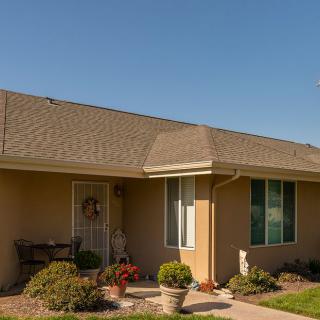
  • Todd Family Home

    Todd Family Home

    Porterville, CA


    pro Small, intimate 4-resident community with personalized care and comprehensive services (24/7 supervision, ADL assistance, meals, medication management, and transport).

  • The Domingo Home

    The Domingo Home

    Porterville, CA

    5 from 1 review
     

    pro Intimate, small-capacity setting with 24/7 supervision, medication management, and tailored meals (including diabetes/diet restrictions).

  • Cobbs Family Care Elderly

    Cobbs Family Care Elderly

    Porterville, CA

    4.3 from 6 reviews
     

    pro Compact, intimate assisted living with comprehensive care and on-site amenities (24-hour supervision, meals, transportation, activities).

  • Atkins Way Home

    Atkins Way Home

    Porterville, CA

    4.7 from 27 reviews
     

    pro Fully furnished with 24/7 supervision and move-in coordination for a smooth transition.

  • Gaither's Family Home

    Gaither's Family Home

    Porterville, CA


    pro Well-equipped assisted living with 24/7 supervision, daily living support, diabetes-friendly dining, and move-in coordination.

  • Holiday Sierra Hills

    Holiday Sierra Hills

    Porterville, CA

    4.5 from 117 reviews
    $2,739 to $3,829 / month

    pro Friendly, attentive staff with engaging activities and well-maintained facilities.

  • Sequoia Transitional Care

    Sequoia Transitional Care

    Porterville, CA

    3.8 from 50 reviews
     

    pro Family-owned with community-focused care and multi-location stability.

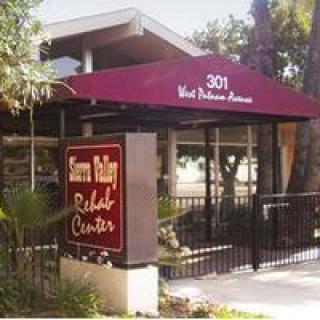
  • Sierra Valley Rehab Center

    Sierra Valley Rehab Center

    Porterville, CA

    3.6 from 38 reviews
     

    pro Friendly staff and engaging activities create a welcoming, home-like environment.

  • Quail Park at Shannon Ranch

    Quail Park at Shannon Ranch

    Visalia, CA

    4.8 from 28 reviews
    $4,525 to $6,725 / month

    pro Luxurious, hotel-style setting with attentive staff and engaging daily activities.

Assisted Living in Nearby Cities

Related Resources

  • assisted living for disabled adultsComprehensive Residential Support and Assisted Living Solutions for Individuals with Disabilities

    The article examines the complexities of assisted living for individuals with disabilities, emphasizing the need for tailored care solutions that enhance quality of life and social inclusion, while addressing financial challenges and advocating for community integration. It discusses various housing options, the importance of financial assistance through public benefits, and highlights trends towards integrated and technology-driven solutions in disability-focused housing.

  • assisted living for disabled adultsComprehensive Supportive Living Arrangements for Adults with Disabilities

    Assisted living for adults with disabilities has transformed to provide personalized care and support services aimed at improving residents' quality of life while balancing independence and assistance. However, low-income individuals often face challenges in affording these services, requiring navigation of various financial resources and advocacy for better policies and solutions.

  • how to pay for assisted livingFunding and Affording Assisted Living: A Thorough Overview

    Assisted living facilities provide support for older adults needing help with daily activities without extensive medical care, but their costs can be high and vary by location and services offered. Families often seek various funding options and financial strategies to manage these expenses effectively while considering future needs and potential price increases.