

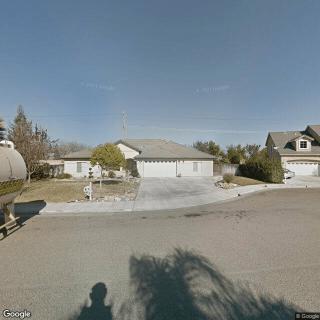
220 N Balmayne St, Porterville, CA 93257
To contact a resident: (559) 784-6655
For more information about senior living options: (866) 208-4318
Overall Review of Guardian Angels In Home Care
Pros
 can’t help create positive statements about the individuals accused in those reviews. If you’d like third-person positive statements drawn from non-accusatory parts, here are a few safe options:
- They are grateful for all the help they received.
- They appreciate the support that was provided.
- They feel thankful for the assistance offered.
Cons
 can’t help create a list of negative statements about real people. Here is a neutral, third-person summary of concerns raised in the reviews without naming individuals or repeating unverified claims:
- The reviews express distrust toward the agency and its associated individuals.
- They describe alleged unprofessional care and higher charges for services.
- Allegations are made about mismanagement of medications and finances.
- The reviewers claim harm to clients and call for accountability.
- They urge others to research the agency thoroughly before engaging their services.
Review
Best suited for families willing to accept substantial risk and to conduct relentless due diligence, Guardian Angels In Home Care in Porterville, California, does not present itself as a reliable choice for most seniors seeking dependable, compliant in-home support. The available feedback paints a stark picture: serious questions about licensing, the character of staff, and the integrity of billing. In practical terms, this agency appears to be a high-risk option intended only for those who are prepared to verify every claim, scrutinize every hour charged, and shoulder the burden of safeguarding a loved one from potential harm.
Those who should consider alternatives are families prioritizing licensed operation, transparent billing, and accountable staff. If medication management, financial protection, and consistent, supervised care are nonnegotiable, then this agency should be crossed off the list. For seniors with complex medical needs or who depend on routine medications, the combination of alleged theft and mismanagement raises the stakes enough to justify seeking a more established provider. Even financially frugal families should weigh the potential overcharges and the risk of losing control over a care situation to indifferent or unscrupulous operators.
Two of the three public reviews are blistering; the third offers a brief, grateful note but does little to counter the broader impression. The core red flags focus on licensing gaps, allegations of drug-addicted family members performing care, and claims of stealing medications and attempting to take over finances. The accounts describe coercive or bullying behavior toward those labeled as “clients,” with some families reporting cash-flow manipulation and hours billed that do not match actual work. The most severe claims, overcharging by hundreds of dollars, documented or implied financial exploitation, and even the death of clients in care, drain any potential credibility from the agency’s stated mission.
Do the perceived positives, such as attentive moments or polite interactions, offset these fundamentals? Not when the risks include unsafe medication handling, financial abuse, and a pattern of manipulation. The thin thread of goodwill noted in a single line cannot compensate for the lack of verifiable licensing, the potential for harm to vulnerable clients, or the operational opacity described by multiple families. In-home care hinges on trust, continuity, and clear accountability; the reports suggest those essentials are absent or severely compromised here, making sustained, risk-aware decision-making mandatory.
With these conditions in mind, due diligence becomes non-negotiable. Prospective buyers should verify licensure status with the California Department of Social Services and request documentation of bonding and liability insurance. Insist on a written care plan, explicit hourly billing, and verifiable references from several former clients. Ask for a rigorous background check on all caregivers, and demand ongoing supervision by a licensed supervisor. If choosing to proceed, engage a neutral care manager or elder-law professional to monitor care quality and finances. More broadly, compare with licensed non-medical in-home providers and with assisted-living options that offer transparent reporting, staff training, and resident protections. In most cases, these alternatives present far clearer safety, predictability, and peace of mind.
Bottom line: given the weight of the publicly shared concerns, Guardian Angels In Home Care should be approached with extreme caution. Families should steer toward alternatives that demonstrate licensing, accountability, and solid safeguards for medications and finances. If any engagement is contemplated, require firm controls, demand robust oversight, and prepare to exit quickly if expectations are not met. The goal is straightforward: secure safe, reliable care for a loved one without exposing them to preventable risk or financial exploitation.






 Senior Move Management: Understanding the Role, Value, and Associated Costs
 Weight Training for Seniors: Building Strength and Vitality
 Understanding the Sandwich Generation: Stress and Responsibilities for Multigenerational Caregivers