
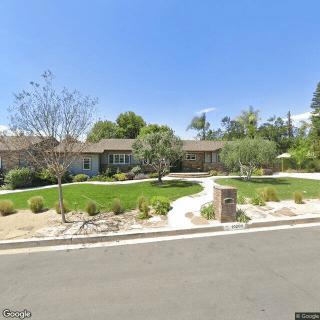
18406 Blackhawk Street, Porter Ranch, CA 91326
For more information about senior living options: (866) 208-4318
Overall Review of Rose Senior Care
Pros
 Rose Senior Care is one of the better board-and-care facilities.
- It is a family-run business, and the owner seems to take a genuine interest in residents’ well-being.
- It is better than average.
- Rose Senior Care may be the right choice for a facility that takes over most of a loved one’s care while requiring only occasional visits.
Cons
 The facility is not perfect.
- It is not flawless by any means.
- It may not meet the expectations of someone seeking a fully hands-off care arrangement.
Review
Rose Senior Care in Porter Ranch, CA is best suited for families seeking a small, home-like care setting where the owner-operator takes a direct, ongoing interest in daily welfare. The community operates like a tight-knit family-run home rather than a sprawling campus, which means residents experience warm, personalized attention and a level of accountability that comes from hands-on oversight. This setup tends to reward seniors who respond well to frequent check-ins, familiar faces at meals, and a sense that someone is actively watching out for their comfort and safety. For families prioritizing warmth, accessibility, and practical day-to-day management, Rose Senior Care offers a compelling match.
Those who may want to consider alternatives are families facing higher medical or behavioral needs that demand constant professional oversight. If the loved one requires robust 24/7 clinical staffing, highly structured medical protocols, or a large-scale activity calendar with specialized programs (for example, extensive memory-care or post-acute rehabilitation), a bigger, more resource-rich facility could be a better fit. Rose Senior Care’s smaller footprint and intimate model excel at personal touch, but they naturally limit the breadth of in-house clinical services and formalized programs. In such cases, a more conventional assisted living or a dedicated memory-care community should be explored.
The strongest pro here is the owner-driven commitment to resident welfare. A family-run operation often translates into quicker, more flexible problem-solving, and a readiness to tailor routines to individual preferences. That attentiveness tends to reduce the sense of distance that can exist in larger settings, creating a practical advantage in coordinating daily living tasks, medication reminders, and social engagement. In short, the community delivers better-than-average responsiveness compared with many board-and-care options, which translates into a more peaceful day-to-day experience for both residents and their families.
Outlining the main drawbacks helps families calibrate expectations. The “not perfect by any means” sentiment from observers points to a trade-off inherent in smaller, owner-operated homes: the degree of care is excellent, but it’s not all-encompassing. Families should be prepared to stay actively involved and to participate in ongoing care planning. Staffing levels and formal processes may be leaner than in larger facilities, which means some situations require family input to ensure immediate action. For some residents, these realities can feel like a less hands-off arrangement than hoped, especially when medical events or emergencies arise.
Decision criteria should center on the resident’s care needs and the family’s willingness to participate. Prospective residents should visit during typical hours, observe how meals and routines unfold, and meet the owner to gauge philosophy and responsiveness. Inquire specifically about how medications are managed, how emergencies are handled, and what kinds of outside professionals (physicians, home health aides, therapists) are regularly involved. Ask about social programming, outings, and cognitive or physical activity options to determine whether the intimate setting can sustain meaningful engagement over time.
Ultimately, Rose Senior Care offers a solid, practical choice for families prioritizing a warm, attentive, and hands-on environment. It shines for seniors who do well with close-knit relationships, predictable daily rhythms, and ongoing, personalized oversight that a small, family-run setting can provide. For those seeking a fully hands-off, highly medicalized experience or extensive on-site therapy programs, alternatives in larger assisted living communities or skilled nursing facilities are worth evaluating. The decision hinges on balancing the value of intimate care against the need for broader clinical resources.
 6 resident community capacity
 Assisted Living
 Cable or satellite TV
 Dining room
 Fully furnished
 Garden
 Housekeeping services
 Move-in coordination
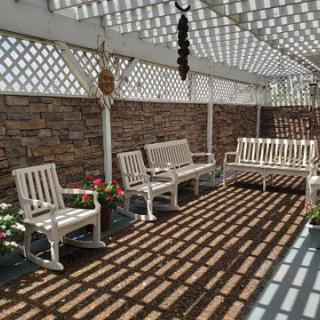
 Outdoor space
 Telephone
 Wi-Fi/high-speed internet available
 Burbank-Glendale-Pasadena (11 miles away)
 24-hour supervision
 Activities of daily living assistance
 Assistance with bathing
 Assistance with dressing
 Assistance with transfers
 Diabetes diet
 Meal preparation and service
 Medication management
 Special dietary restrictions
 Transportation arrangement (medical)
 Transportation to doctors appointments



 Comprehensive Insights into Activities of Daily Living (ADLs) and Their Assessment
 Medicare Coverage for Assisted Living: An In-Depth Exploration
 Choosing the Right Senior Care: A Detailed Exploration of Assisted Living and Nursing Homes