
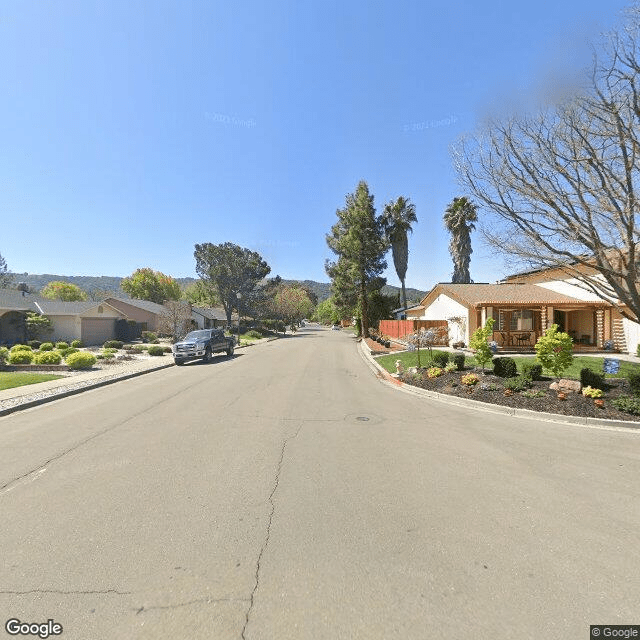
7229 Valley Trails, Pleasanton, CA 94588
To contact a resident: (925) 426-7244
For more information about senior living options: (866) 208-4318
New Haven Care Home Pleasanton Costs & Pricing
New Haven Care Home Pleasanton offers competitive pricing for its residents compared to both Contra Costa County and the broader California state averages. For semi-private rooms, residents can expect to pay $2,500 per month, which is significantly lower than the county's average of $3,471 and the state average of $3,333. Similarly, for private accommodations, New Haven Care Home Pleasanton charges $2,800 monthly - again offering a more affordable option compared to Contra Costa County's average of $4,088 and California's state average of $3,939. This makes New Haven Care Home Pleasanton an attractive choice for those seeking quality care at a reasonable price within the region.
| Floor plans | New Haven Care Home Pleasanton | Contra Costa County | California |
|---|---|---|---|
| Semi-Private | $2,500 | $3,471 | $3,333 |
| Private | $2,800 | $4,088 | $3,939 |
Senior living communities with a similar price nearby
-
from -$100 / mo
Homestead Care
$2,400 to $4,570 / month24.8 miles away -
from +$200 / mo

Home Instead Senior Care
$2,700 to $3,400 / month22.0 miles away -
from +$400 / mo
Parkside Manor
$2,900 to $3,600 / month0.6 miles away -
About the same
Brentwood Care Home
$2,500 to $4,000 / month21.5 miles away -
About the same
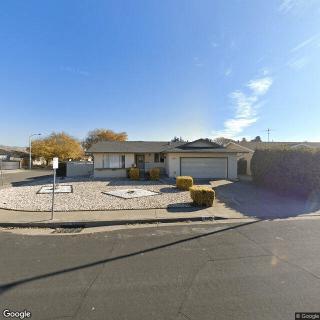
Ava Bella Care Home
$2,500 to $3,000 / month9.8 miles away
Overall Review of New Haven Care Home Pleasanton
Pros
 The staff at New Haven Care Home appear very caring.
- The mother is clean and well cared for.
- Residents are mobile with walkers or wheelchairs as needed.
- Residents are often in comfortable chairs together in common areas.
- The facility is clean and odor-free.
Review
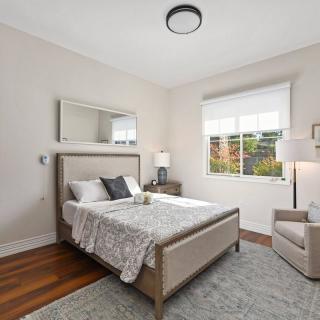
New Haven Care Home Pleasanton is best suited for families seeking a small, home-like assisted-living option where an elder benefits from close, visible caregiver attention, cleanliness, and social engagement in a tight-knit setting. With a six-resident footprint, the environment operates more like a well-managed household than a sprawling campus. Residents are predominantly mobile, either in wheelchairs or with walkers, so daily routines can be closely watched and adjusted in real time. For relatives who want frequent, substantive interaction with staff and a sense that someone is paying careful attention to comfort, safety, and companionship, this community delivers.
Alternatives should be considered if care needs are more intensive or specialized. A six-bed home inherently carries limits on medical oversight and complex clinical support. Families facing high-acuity conditions, frequent nursing interventions, or specialized memory-care programming may need a larger community with on-site RNs, dedicated dementia services, and broader clinical resources. If privacy, more expansive living spaces, or a wider array of on-site services are priorities, those demands may not be optimally met in a six-resident setting.
The strongest positives, genuine caregiver attentiveness, consistently clean rooms and bathrooms, and an odor-free environment, translate into meaningful day-to-day reassurance. When visiting, the atmosphere feels orderly and hygienic, which helps alleviate common worries about small operations. The residentsā€™ tendency to spend time together in comfortable seating rather than retreating to private rooms signals a lived-in, social approach that supports mood, interaction, and a sense of belonging. In sum, cleanliness and companionship function as powerful compensators for the trade-offs that come with a very small residence.
Prospective families should evaluate staffing realities and daily routines during a tour. Inquire about staff-to-resident ratios across shifts, whether aides are available around the clock, and how quickly assistance is rendered for activities of daily living. Clarify medication management practices and the level of nursing oversight on site, including what happens if a resident requires more advanced care temporarily. Observe how common areas are used, are residents consistently engaged, or do moments of idleness dominate? Request recent licensing or inspection records to confirm ongoing compliance and quality assurances.
Plan a decision framework that weighs priorities: is cognitive support and structured programming essential, or is the priority more about intimate social interaction and predictable caregiver presence? If medical oversight or dementia-specific services rise to the top, compare with other communities that offer more robust clinical support or specialized memory care. If flexibility, privacy, and a broader activity slate matter more, consider alternatives with larger resident populations. A thorough, multi-site visit that probes daily life, meal quality, and staff consistency will reveal how closely the experience aligns with expectations and needs.
In sum, New Haven Care Home Pleasanton stands out as a strong choice for families prioritizing a warm, clean, and highly attentive small-community environment where residents are kept socially connected and closely monitored. It shines where daily comfort and personal attention trump the desire for expansive services, but it carries a clear caveat for those with intensive medical or dementia-related requirements. The prudent path is a focused visit, a targeted list of questions about clinical support and staffing, and a careful comparison with nearby options to ensure the chosen setting balances care intensity with the preferred, home-like living experience.
 Board and Care Home
 Private
 Private bathrooms
 Metropolitan Oakland International (18 miles away)
 Ambulatory care
 Diabetic care
 High acuity care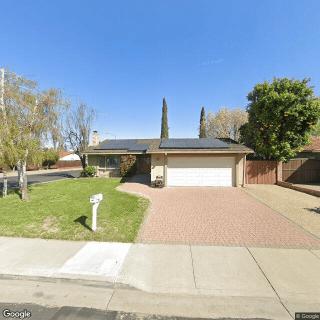

 Navigating Medicare Coverage for In-Home Care Services
 In-Home Care Costs in 2025: A Detailed State-by-State Exploration
 Understanding Home Health Care: A Comprehensive Guide