
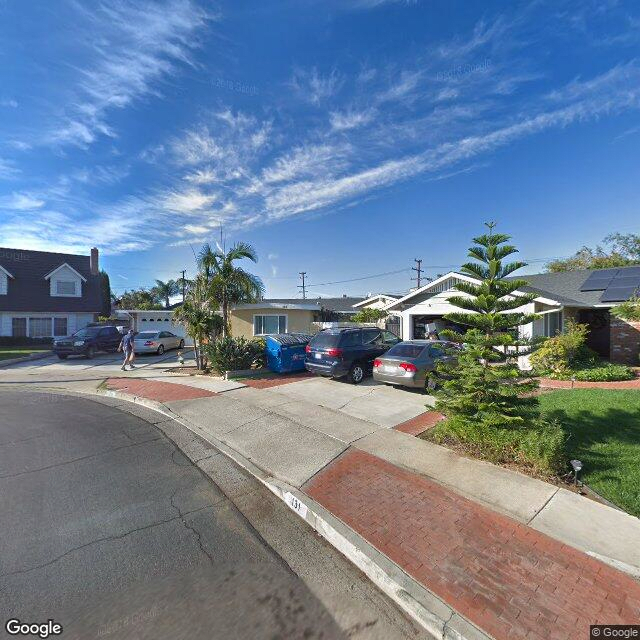
125 Pageantry Drive, Placentia, CA 92870
For more information about senior living options: (866) 208-4318
Madison Home Care Costs & Pricing
Madison Home Care offers competitive pricing for its room types, particularly when compared to both Orange County and the broader California market. With a monthly rate of $2,500 for a one-bedroom, private, or semi-private room, residents benefit from significant savings - nearly $1,880 less than the average cost in Orange County and approximately $1,840 less than the state average. This affordability makes Madison Home Care an appealing option for individuals seeking quality care without compromising their financial stability. In an environment where assisted living costs can be daunting, Madison Home Care stands out as a reliable choice that prioritizes both value and comfort.
| Floor plans | Madison Home Care | Orange County | California |
|---|---|---|---|
| 1 Bedroom | $2,500 | $4,380 | $4,340 |
| Private | $2,500 | $4,104 | $3,939 |
| Semi-Private | $2,500 | $3,431 | $3,333 |
Memory care communities with a similar price nearby
-
from +$300 / mo
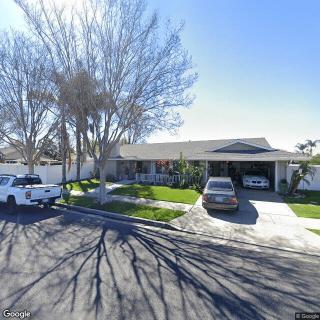
Candlewood Care Home III
$2,800 to $3,400 / month10.4 miles away -
from -$100 / mo
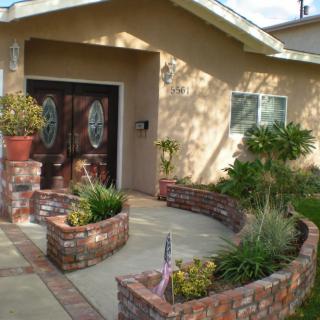
Living Well Care Home
$2,400 to $3,200 / month15.8 miles away -
from +$300 / mo
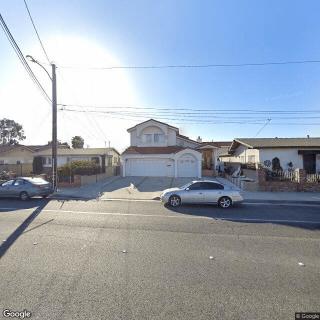
Leah Loving Elderly Care
$2,800 to $3,000 / month12.7 miles away -
from +$200 / mo
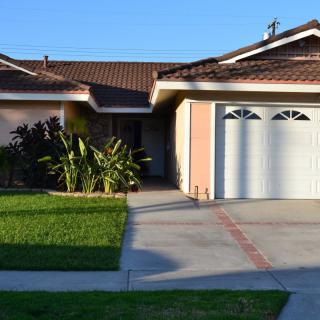
Loving Care Senior Home
$2,700 to $3,500 / month14.1 miles away -
from -$200 / mo
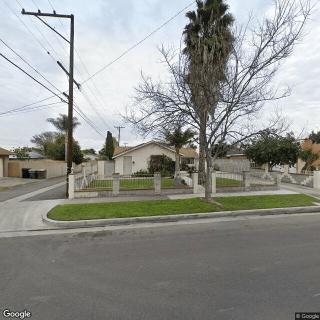
Bronwyn Residential Care
$2,300 to $3,500 / month8.1 miles away
Overall Review of Madison Home Care
Pros
 The home is clean, large, and spacious.
- Paul, the son, is friendly and knowledgeable.
Cons
 The owner (one of the two caretakers) is somewhat distant.
- There are sicker residents.
- First impressions are not an option at this point.
- There are probably no cats.
Review
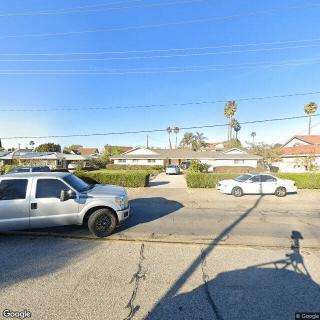
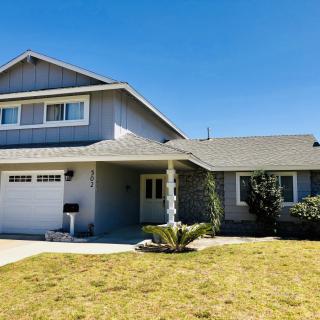
Madison Home Care in Placentia is best suited for families seeking a small, home-like setting where comfort, cleanliness, and straightforward daily living support are the priorities. The space itself matters here: a clean, large, and seemingly well-kept home creates a calm, non-institutional atmosphere that can reduce the stress of transition for seniors who want a comfortable residence rather than a clinical environment. This community works well for those who value a simple, predictable routine in a place that feels more like a private residence than a care facility. In short, it fits residents with moderate needs who can thrive in a quieter, family-involved setting and who do not require intensive on-site nursing around the clock. It will appeal to families who want clear, direct input from a close-knit operator, and who are comfortable coordinating care through a family member acting as a point of contact.
The strongest positives are tangible and practical. The home’s size and upkeep translate into generous common areas, ample space for mobility aids, and an overall sense of airiness that supports safety and ease of movement. Paul, described as the son, comes across as friendly and knowledgeable, offering a helpful interface for families navigating routines and expectations. That family-linked touch can ease the often-fractured communication that accompanies care decisions, particularly for those who prefer a direct line to someone who speaks plainly about daily life, routines, and what support looks like day to day. These elements create a foundation where residents may feel respected and engaged, rather than processed through a more impersonal staff machine.
However, several caveats temper those strengths. The owners are noted as somewhat distant, which can translate into slower or less proactive day-to-day responsiveness when questions or concerns arise. With only two caretakers on site, coverage can feel lean, especially for residents who require frequent assistance or have fluctuating needs. The mention of “sicker residents” suggests a resident mix with medical complexity that could strain a small operation, particularly if medical changes occur suddenly or require rapid adjustments to care plans. Finally, the first impression conveyed that the option isn’t currently appealing to the reviewer signals a potential misalignment for families seeking immediate placement or a high level of visible, ongoing oversight from the ownership.
These pros do offset the cons to a point, but the balance hinges on the specific needs of the resident. For a senior who is reasonably independent but benefits from structured routines, a clean, spacious home with a personable point of contact can deliver meaningful quality-of-life gains without the formality and bustle of larger facilities. The family-led nuance, where Paul provides direct information and insight, can substitute for some of the formal staff-driven reassurance found elsewhere. Yet the limited on-site leadership and modest staffing undermine preparedness for rapid care escalations or high-dependency scenarios. In practice, Madison Home Care rewards families who can work closely with the operator to stay closely informed while accepting the reality that access to a broader care team and faster response times may be constrained.
For families evaluating options, Madison Home Care should be weighed against the need for more immediate, hands-on care and a more robust care team. If the priority is a serene, home-like environment and a relationship-driven arrangement, this setting offers real value, particularly when parents or guardians can maintain open, ongoing communication with Paul and stay engaged in care planning. On the other hand, if a loved one requires frequent hands-on assistance, complex medical management, or rapid escalation capabilities, alternatives with larger staff rosters and more visible ownership presence are likely to deliver greater peace of mind. Potential residents who prize pet companionship should also confirm policies, as the likelihood of cats being allowed is unclear.
Bottom line: Madison Home Care serves best as a practical choice for seniors who want a comfortable, home-like backdrop with clear, personal communication from a family-led operator, and who can tolerate lean staffing and the owners’ more distant day-to-day attendance. It is less well-suited for those with high medical or cognitive care demands, or for families requiring constant, on-demand access to decision-makers. For families prioritizing an intimate setting and a straightforward arrangement, the positives can outweigh the drawbacks; for those needing intensive professional supervision, the search should continue elsewhere, with attention to staffing levels, care-plan responsiveness, and owner accessibility.
 6 resident community capacity
 Assisted Living
 Board and Care Home
 Memory Care
 Respite Care
 Dogs allowed
 Activities off-site
 Beautician on-site
 Cable or satellite TV
 Devotional services off-site
 Dining room
 Fully furnished
 Garden
 Housekeeping services
 Indoor common areas
 Move-in coordination
 Outdoor common areas
 Private
 Private bathrooms
 Swimming pool / hot tub
 Telephone
 Wheelchair accessible showers
 Wi-Fi/high-speed internet available
 John Wayne Orange Co (14 miles away)
 24-hour supervision
 Assistance with bathing
 Assistance with dressing
 Assistance with transfers
 Diabetes diet
 Diabetic care
 High acuity care
 Incontinence care
 Meal preparation and service
 Medication management
 Special dietary restrictions
 Transportation arrangement (medical)
 Transportation to doctors appointments




 When Dementia Sparks Anger and Aggression: Understanding the Connection and Ways to Cope
 Dementia Behaviors: In-Depth Understanding and Effective Coping Strategies
 5 Early Indicators of Dementia and What You Can Do