
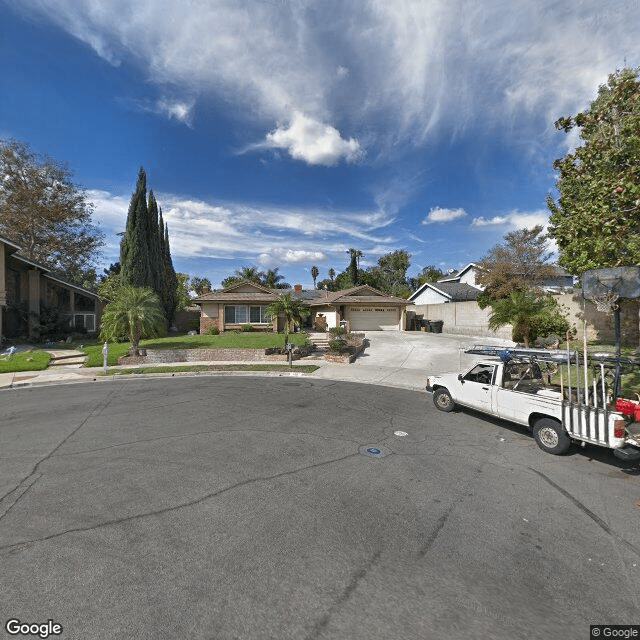
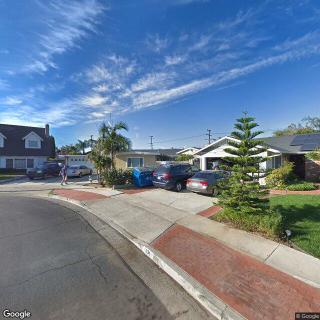
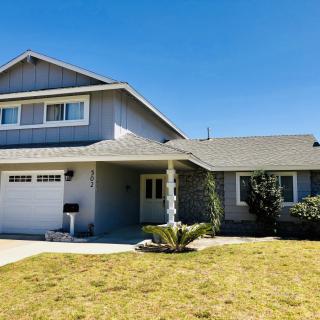
400 Eve Circle, Placentia, CA 92870
For more information about senior living options: (866) 208-4318
Arcene Guest Home 1 Costs & Pricing
Arcene Guest Home 1 offers competitive pricing for its residential care services, particularly when compared to both Orange County and the broader California market. The monthly cost for a semi-private room at Arcene Guest Home 1 is set at $4,000, which exceeds the county average of $3,431 and the state average of $3,333. For those seeking more privacy, the cost of a private room at Arcene is $4,500, slightly higher than Orange County's average of $4,104 but above California's overall average of $3,939. These figures suggest that while Arcene Guest Home 1 may sit on the higher end of the pricing spectrum locally and statewide, it reflects a commitment to providing quality care and amenities in a comfortable environment.
| Floor plans | Arcene Guest Home 1 | Orange County | California |
|---|---|---|---|
| Semi-Private | $4,000 | $3,431 | $3,333 |
| Private | $4,500 | $4,104 | $3,939 |
Assisted Living communities with a similar price nearby
-
About the same
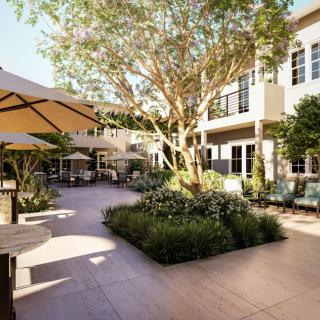
Cadence Brea
$3,995 to $5,500 / month3.0 miles away -
from -$500 / mo
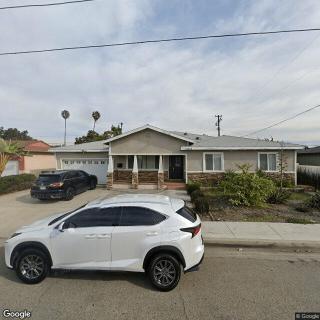
Loving Home Care
$3,500 to $4,500 / month10.9 miles away -
from -$700 / mo

Bella Manor II
$3,300 to $4,290 / month13.1 miles away -
About the same
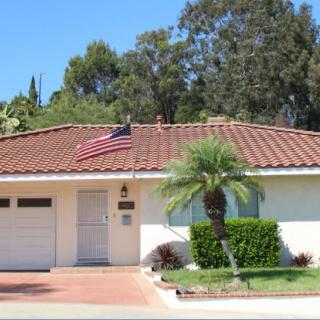
Palomino Residential Care
$4,000 to $6,000 / month19.5 miles away -
from -$500 / mo

Sam's Homecare
$3,500 to $5,500 / month3.7 miles away
Overall Review of Arcene Guest Home 1
Pros
 The facility is very clean and the staff are nice.
- It is a beautiful home.
- Three nice women help create a pleasant environment.
Cons
 The step down has not been addressed as promised.
- There is a step down into the living area without rails or ramps, posing a safety issue and not fixed yet.
- One reviewer reported four small dogs barking and keeping mom up at night.
- They found deceptions with the owner and described her as uncompassionate and indifferent to family concerns.
- They warned others not to place a loved one there.
- The living room is very small.
- The home contains three small barking dogs, which are disruptive.
Review
Arcene Guest Home 1 in Placentia is best suited for seniors who want a small, home-like setting with personal, hands-on attention from a tight-knit caregiving team and who do not require intensive medical support. The facility comes across as clean and orderly, and staff are described as friendly and conscientious, translating into dependable daily care and a reassuring atmosphere for residents and families alike. For families seeking a quiet, intimate environment where staff can form meaningful relationships with the resident, this option offers genuine warmth. The critical caveat is safety and governance, promises of improvements have not consistently translated into reliable, timely fixes. Potential residents must weigh the comfort of a homelike vibe against concrete protections and transparent management.
Those who should consider alternatives include families prioritizing predictable safety, clear accountability, and smoother problem resolution. The most serious drawbacks center on a step-down entry lacking rails or ramps, a safety hazard that has not yet been resolved despite assurances. The home reportedly accommodates multiple small dogs, which can create disruptive barking at night and complicate sleep for sensitive seniors. Reports of deceptions by the owner and a perception of indifference to family concerns further erode trust and raise questions about how concerns are escalated in real emergencies. In short, when safety, transparency, and quiet living are top priorities, better matches exist in the area.
On the positive side, the property is described as very clean and the staff as nice, delivering reliable daily care and a friendly atmosphere. The small living room and overall intimate footprint can foster closer caregiver-resident relationships and easier oversight, a meaningful upside for residents who value personal connection. These strengths do partially offset some day-to-day friction, yet they do little to counterbalance the most significant risks: unsecured entry steps, ongoing pet noise, and questions about the owner’s credibility. The result is a mixed value proposition where comfort and attentiveness exist alongside tangible safety and governance concerns.
Family due diligence should focus on practical safeguards: request a concrete safety plan with a firm timetable for installing rails or ramps, and a documented commitment to address the step-down hazard promptly. Seek explicit policies for pet management, including quiet hours and supervision, and confirm who handles complaints and how quickly responses occur. Schedule a third-party tour specifically to evaluate safety features, and verify references from other families who have used the home. Clarify the daily staffing pattern, emergency procedures, and whether the dogs are part of the caregiving routine or kept separate from resident activities. These steps help determine whether the positives can be sustained in a safer, more reliable framework.
Against similar options in the region, Arcene Guest Home 1 offers a comforting, homelike feel and visible cleanliness, but the safety gaps and governance concerns tilt the balance toward caution. If the owner demonstrates real, trackable improvements and commits to transparent communication, the home could be appropriate for residents who prioritize warmth over formality. Absent those assurances, families should favor providers with stronger safety protocols, clearer accountability, and fewer questions about credibility. In practical terms, reliability and safety win over ambiance when planning long-term care decisions.
Bottom line: Arcene Guest Home 1 can deliver a welcoming, low-key living environment for residents who can tolerate a smaller space and minor noise, but it requires rigorous vetting and explicit owner commitments on safety and responsiveness. Prospective families should walk through safety upgrades, pet policies, and escalation procedures with a critical eye, then compare this option to others in Placentia and nearby communities. If the necessary guarantees cannot be secured, shift the search to higher-certainty settings where governance is transparent, safety features are verified, and sleep quality and trust are safeguarded for a loved one.
 6 resident community capacity
 Assisted Living
 Board and Care Home
 Respite Care
 Cable or satellite TV
 Dining room
 Fully furnished
 Garden
 Housekeeping services
 Move-in coordination
 Outdoor space
 Private
 Telephone
 Wi-Fi/high-speed internet available
 John Wayne Orange Co (14 miles away)
 24-hour supervision
 Activities of daily living assistance
 Assistance with bathing
 Assistance with dressing
 Assistance with transfers
 Diabetes diet
 Diabetic care
 Incontinence care
 Meal preparation and service
 Medication management
 Special dietary restrictions
 Transportation arrangement (medical)
 Transportation to doctors appointments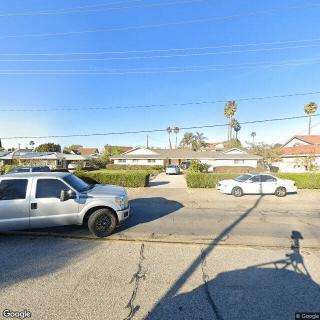

 Understanding the True Cost of Assisted Living in 2025: A Comprehensive Guide
 Understanding Medicaid Coverage for Assisted Living: A Comprehensive Guide
 How and When Medicaid May Cover Assisted Living Costs