
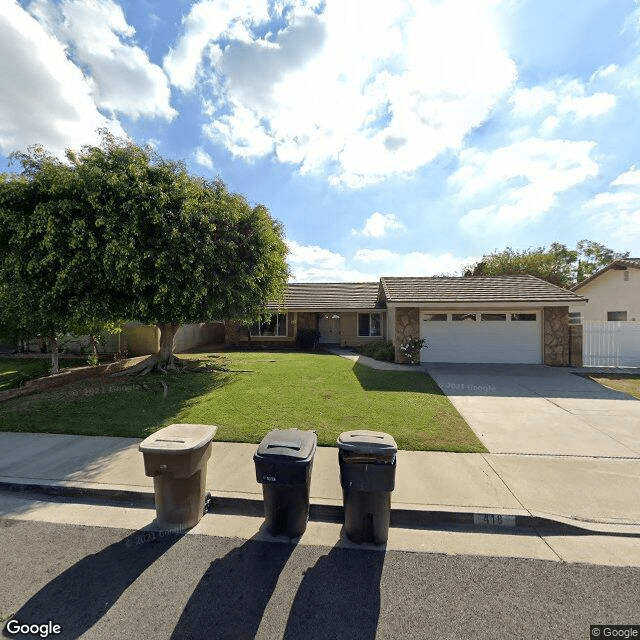
418 Shoshoni, Placentia, CA 92870
To contact a resident: (714) 996-2139
For more information about senior living options: (866) 208-4318
Adams Family Home III Costs & Pricing
Adams Family Home III offers a range of thoughtful living arrangements, with costs that are competitive within Orange County and the broader California region. For a semi-private room, residents can expect to pay $3,500 per month, which is slightly higher than the county average of $3,431 but remains reasonable in comparison to the state's average of $3,333. Similarly, those opting for a private room will find a monthly cost of $4,200 at Adams Family Home III - marginally above both Orange County's average of $4,104 and California's statewide figure of $3,939. These pricing dynamics reflect not only the quality and care provided by Adams Family Home III but also its commitment to offering comfortable living options tailored to individual needs within an increasingly competitive market.
| Floor plans | Adams Family Home III | Orange County | California |
|---|---|---|---|
| Semi-Private | $3,500 | $3,431 | $3,333 |
| Private | $4,200 | $4,104 | $3,939 |
Senior living communities with a similar price nearby
-
from +$495 / mo
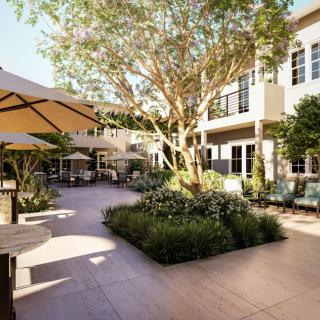
Cadence Brea
$3,995 to $5,500 / month1.9 miles away -
About the same
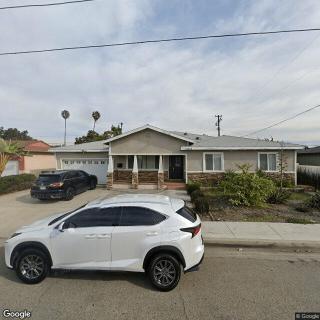
Loving Home Care
$3,500 to $4,500 / month12.5 miles away -
from -$200 / mo

Bella Manor II
$3,300 to $4,290 / month14.0 miles away -
from +$500 / mo
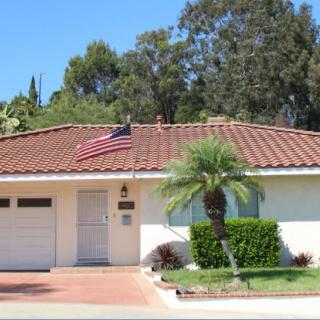
Palomino Residential Care
$4,000 to $6,000 / month18.5 miles away -
About the same
Aloha Residential Care
$3,500 to $6,500 / month24.6 miles away
Overall Review of Adams Family Home III
Pros
 They cared for him well.
- The environment at their homes is awesome.
Review
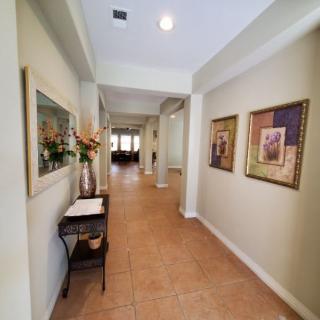
Adams Family Home III in Placentia, CA is best suited for families seeking a small, home-like residential care option where a senior can experience personal, attentive caregiving in a warm, non-institutional setting. The ideal resident is someone who values a domestic atmosphere, consistent caregiver access, and straightforward routines over formal programming or large, campus-style amenities. This setting can work particularly well for families hoping for a smoother transition for a loved one who benefits from familiar surroundings and easy, day-to-day communication with caregivers. For those weighing alternatives, it’s worth noting that larger assisted living campuses offer more structured activities, on-site nursing, and broader medical oversight, features that some families may need as needs evolve.
On the positive side, the standout signal from the available account is a strong emphasis on care delivered in a home-like atmosphere. A single reviewer notes that the father was cared for well during a short stay and that the environment is AWESOME. That combination points to a setting where caregivers know residents personally, respond quickly to day-to-day needs, and create a pleasing, low-key daily rhythm. For families prioritizing warmth, predictability, and straightforward communication, these elements can translate into meaningful peace of mind: easy visits, clear updates, and a sense that staff are invested in comfort and well-being. The compact footprint often means easier navigation, fewer transfers, and a less clinical feel, all of which can enhance quality of life for residents who thrive on routine and personal attention.
Yet there are important considerations to weigh. The evidence base is limited to one short report, which cannot establish consistency across multiple residents, shifts, or longer-term outcomes. Potential gaps that naturally arise in a small-home model include less on-site medical staffing, fewer formal programs, and less visibility into how care plans scale when medical complexity increases. While the warmth and attentiveness described are compelling, questions about staffing ratios, emergency procedures, and access to skilled nursing or rehabilitation services remain unanswered. In short, the strengths are real, but they hinge on the current model of care and the ability to handle changes in health status as they occur.
That dynamic makes Adams Family Home III a better fit for certain profiles than others. Residents who require steady, highly medicalized oversight, regular administration of complex medications, or memory-care-specific programming may find the setting lacking if those needs intensify. Similarly, families seeking a robust calendar of structured activities, extensive social programming, or predictable clinical support may want to compare with larger communities that routinely offer those services. The home environment can still deliver excellent daily quality of life, but the trade-off is a potentially narrower scope of services and slower scalability in response to rising care demands.
From a decision-making standpoint, prospective families should pursue a practical evaluation plan. Schedule visits to observe actual caregiving interactions, ask about caregiver-to-resident ratios, and probe how emergencies are handled when the primary caregivers aren’t available. Inquire about on-site medical oversight, prescription management, and coordination with external providers, as well as the availability of rehabilitation services or memory-care features if those needs exist. Request a clear, written care plan tailored to the resident, and discuss meal variety, dietary restrictions, safety features, and daily activities. If possible, seek references from other families and consider a short respite stay to gauge fit before committing.
In sum, Adams Family Home III offers a compelling, heart-forward option for families prioritizing a warm, intimate, person-centered care experience in a home setting. The reported care quality and the positive environment are meaningful advantages for residents who flourish with personal attention and straightforward routines. For seniors with higher medical needs, a demand for structured programming, or a requirement for memory-care specialization, alternatives, especially larger facilities with broader medical and activity offerings, are worth serious consideration. The best choice will align current care needs with the demonstrated strengths of a small-home model while remaining mindful of the potential limitations inherent in a compact, less medically intensive environment.
 Board and Care Home
 Private
 John Wayne Orange Co (16 miles away)
 Diabetic care

 Comprehensive Guide to Qualifying for Home Health Care Services
 Powerful Realities of Elder Abuse and the Most Effective Ways to Report It
 Ten Vital Duties of a Senior Caregiver: A Comprehensive Guide