
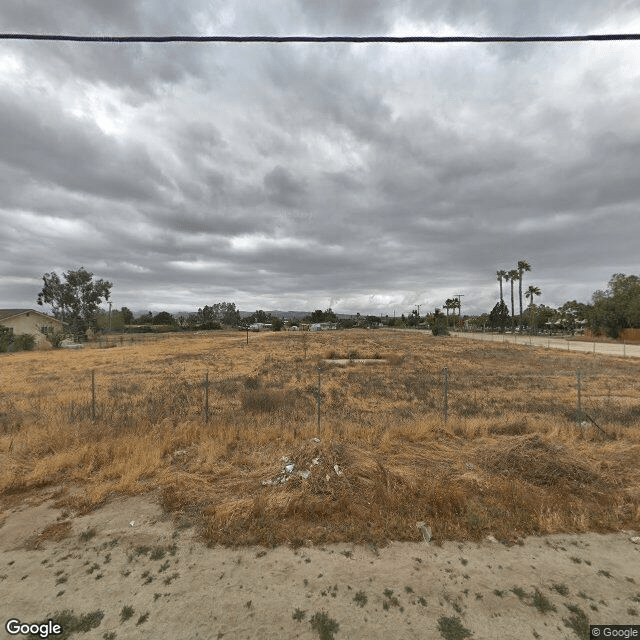
20905 El Nido, Perris, CA 92571
For more information about senior living options: (866) 208-4318
Real Sweet Home Costs & Pricing
Real Sweet Home offers competitive pricing for its accommodations compared to both Riverside County and the broader California market. The monthly cost for a semi-private room at Real Sweet Home is $2,500, which is notably lower than the county average of $2,844 and significantly more affordable than the state average of $3,333. For those seeking a private room, Real Sweet Home also presents an attractive option at $3,000 per month, again undercutting Riverside County's average of $3,474 and California's average of $3,939. These rates position Real Sweet Home as a financially appealing choice for individuals and families looking for quality care without the higher price tag typically associated with similar facilities in the region.
| Floor plans | Real Sweet Home | Riverside County | California |
|---|---|---|---|
| Semi-Private | $2,500 | $2,844 | $3,333 |
| Private | $3,000 | $3,474 | $3,939 |
Memory care communities with a similar price nearby
-
from +$300 / mo
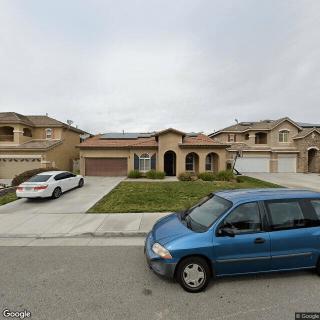
Pebble Brook Senior Home Care
$2,800 to $4,000 / month23.9 miles away -
About the same
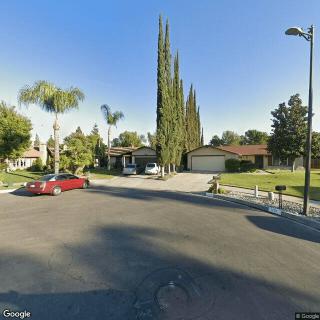
Valley Spring Elderly Care
$2,500 to $3,000 / month17.1 miles away -
from +$300 / mo

Bianca's Home Care
$2,800 to $3,400 / month14.6 miles away -
About the same
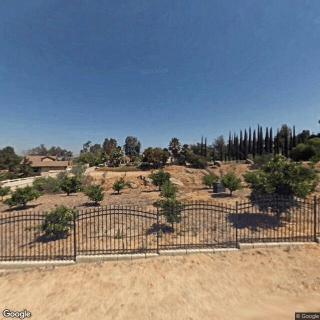
Golden Horizon Home I
$2,500 to $2,800 / month12.0 miles away -
from -$300 / mo
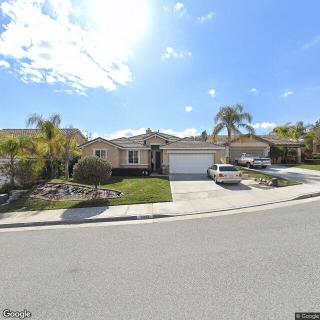
Diamond Residential Care Facility for the Elderly of Murrieta
$2,200 to $3,500 / month18.7 miles away
Overall Review of Real Sweet Home
Pros
 Real Sweet Home is very accommodating to residents' needs.
- The staff are easy to work with, very patient with residents' moods, and helpful with dietary preferences like vegetarian meals.
- The staff are kind and sensitive to the needs of the elderly community.
- The atmosphere at Real Sweet Home is welcoming, peaceful, and serene.
- Real Sweet Home provides a calm, quiet environment with a structured schedule.
- Families would recommend Real Sweet Home to others.
Cons
 They could improve on keeping track of their records and patients.
- They should investigate the employees before hiring them.
- They seem to lack in activities for their residents.
- The facility was hot with no air conditioning.
- The pricing is inconsistent and may vary depending on what residents can pay.
- The place is not recommended.
Review
Real Sweet Home in Perris, CA is best suited for families seeking a small, homelike setting where elderly residents receive highly personalized attention, predictable routines, and flexible dietary options. With only a handful of residents, the staff can tailor daily life to individual preferences, and the owner’s hands-on involvement provides a sense of continuity and accountability. The environment is consistently described as peaceful, welcoming, and serene, making it suitable for a loved one who thrives on calm structure, a steady schedule, and a feeling of being cared for closely. The presence of long-tenured, friendly helpers, such as a consistently praised attendant, contributes to a sense of security that matters to caregivers balancing multiple priorities.
Those weighing Real Sweet Home against alternatives should consider whether the memory-care or activity needs are extensive. Families seeking a facility with robust programming, frequent social opportunities, or specialized dementia supports may want to explore larger communities or providers with more formal activity schedules. The small size, while a strength for individualized care, can translate into fewer on-site activities and limited peer-led engagement. Potential residents who prioritize abundant outings, varied programming, or specialized clinical oversight may find other options better aligned with their goals.
The strongest positives, clear, attentive care, a calm atmosphere, and responsive staff, help offset several noticeable drawbacks. The home-style approach shines in dietary flexibility, with caregivers accommodating vegetarian meals and adapting to mood and temperament. The 24/7 on-site presence reassures families that assistance is immediately available, and the owner’s active involvement signals strong governance and accountability. In a setting where residents benefit from consistent routines and gentle, patient interactions, these factors often translate into fewer behavioral episodes and a more serene daily experience, which is a meaningful offset to the intimate but modest footprint.
However, the reviews flag legitimate concerns that prospective residents should weigh carefully. Record-keeping and vetting practices appear inconsistent, with examples suggesting that administrative gaps can surface and warrant scrutiny before placement. Safety-minded families may want explicit assurances about staff screening, incident tracking, and a transparent care plan process. The lack of robust activity options and a somewhat small community can leave residents craving more social engagement, which means real- world expectations should be calibrated to what a five-resident home can sustain on a weekly basis. Temperature control and climate comfort also come up as a practical issue, underscoring the need for clarity about utilities and maintenance before move-in.
Price and value arrive as a mixed message. One reviewer notes that pricing can feel discretionary, which requires careful upfront agreement on costs, what is included, and how future charges are handled. Another reviewer cites good value, reflecting a subjective balance between intimate care and the cost of care in a small setting. For families, the lesson is to insist on a detailed, written rate schedule, with explicit terms about what happens if needs escalate or if a resident requires additional services. The inconsistencies around price, environment, and activities mean Real Sweet Home can be a superb fit for those prioritizing warmth, low-key daily life, and direct access to the owner, while others must verify that the practical expectations match the financial commitment.
In sum, Real Sweet Home is a practical choice for someone who values a cushioned, home-like routine, personalized attention, and a serene atmosphere inside a compact, closely supervised community. It works best for residents who do not require extensive programming and who respond well to predictable schedules and caregiver accessibility. Families with concerns about record-keeping, the breadth of activities, or broader clinical supports should compare offerings carefully and demand concrete, written confirmations on governance, safety practices, and cost structure. For those who fit the profile, the combination of a caregiver-centered model, direct owner involvement, and a peaceful living environment can deliver meaningful peace of mind, especially when paired with clear expectations and proactive questions during the decision phase.
 6 resident community capacity
 Assisted Living
 Board and Care Home
 Memory Care
 Cable or satellite TV
 Dining room
 Fully furnished
 Garden
 Housekeeping services
 Move-in coordination
 Outdoor space
 Private
 Telephone
 Wi-Fi/high-speed internet available
 24-hour supervision
 Activities of daily living assistance
 Ambulatory care
 Assistance with bathing
 Assistance with dressing
 Assistance with transfers
 Diabetes diet
 Diabetic care
 Incontinence care
 Meal preparation and service
 Medication management
 Special dietary restrictions
 Transportation arrangement (medical)
 Transportation to doctors appointments


 Estimating the Expenses of At-Home Dementia Care: A Detailed Exploration
 Comprehensive Insights on the Late Stages of Dementia: What to Expect and How to Provide Care
 Medications Associated with Dementia Risk: A Comprehensive Overview