
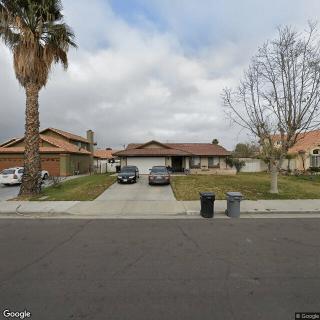
1698 Alberhill Street, Perris, CA 92571
For more information about senior living options: (866) 208-4318
Overall Review of A B Caring Senior Living
Pros
 They take her to appointments, which is really nice.
- She has a nice, single room.
- They help her do things, like turning on the computer.
Cons
 She doesn't always like the food.
- She doesn't get alternate choices.
- They're not taking them anywhere or to any activities.
- They need to listen to the clients and adapt to the clients' needs.
Review
This Perris community is best suited for seniors who mainly require practical support rather than a full, active social calendar. The facility appears to accommodate residents who value a private living space and dependable assistance with essentials such as transportation to medical appointments. The bedroom offering, specifically a nice, single room, adds a meaningful layer of privacy that can be important for those who prefer personal space. For families seeking a straightforward, low-activity environment where medical logistics are handled, this community presents a workable option.
However, there are clear reasons why alternatives should be considered, especially for families prioritizing engagement and variety. If daily activities, outings, and a consistently varied dining experience are important, this community may fall short. Prospective residents who want a robust schedule, opportunities to socialize, and a responsive staff that adapts to evolving preferences will likely prefer other options. In short, those seeking a lively, resident-driven atmosphere should look elsewhere.
The strongest positives lie in dependable appointment coordination and a private room, paired with practical, hands-on help with day-to-day tasks. Staff assistance with basic functions, such as turning on a computer, can support independence and help residents stay connected. These operational strengths reduce the burden on family members and provide a stable routine for residents who are comfortable with limited programming. When these elements align with a residentā€™s needs, they can form a solid foundation for comfortable living.
The dominant drawbacks are notable and substantive. There is little to no on-site programming, outings, or structured activities, which can lead to social isolation and a dull daily rhythm. Meal service appears limited, with no alternate choices available, reducing satisfaction for residents with particular tastes or dietary needs. Most importantly, the facility seems to struggle with listening and adapting to resident preferences, a gap that erodes confidence in personalized care over time. On balance, these gaps can significantly diminish quality of life, especially for residents who crave engagement and responsiveness.
Weighing the factors, the pros offset only part of the overall equation. For a senior who prioritizes privacy, predictable routines, and transportation to appointments, the advantages can sustain a functional living arrangement. Yet the lack of activities, limited meal flexibility, and slow adaptation to individual desires undermine long-term satisfaction. Families should use this assessment to determine whether this setting fits a current care plan or if more dynamic options are needed. If social engagement, diverse meals, and proactive resident-centered care are non-negotiables, exploring other communities with stronger programming is strongly advised. To move forward, request a detailed activity calendar, a sample menu with customization options, and a direct conversation with the administration about how resident feedback shapes daily life.
 6 resident community capacity
 Assisted Living
 Board and Care Home
 Respite Care
 Cable or satellite TV
 Dining room
 Fully furnished
 Garden
 Housekeeping services
 Move-in coordination
 Outdoor space
 Telephone
 Wi-Fi/high-speed internet available
 24-hour supervision
 Activities of daily living assistance
 Assistance with bathing
 Assistance with dressing
 Assistance with transfers
 Diabetes diet
 Meal preparation and service
 Medication management
 Special dietary restrictions
 Transportation arrangement (medical)
 Transportation to doctors appointments






 8 Key Indicators That Suggest It May Be Time to Transition from Assisted Living to Skilled Nursing Care
 Vibrant Senior Living: A Comprehensive Guide for Active Older Adults
 When to Transition from Assisted Living to Memory Care: Key Indicators, Steps, and Finding the Right Community