
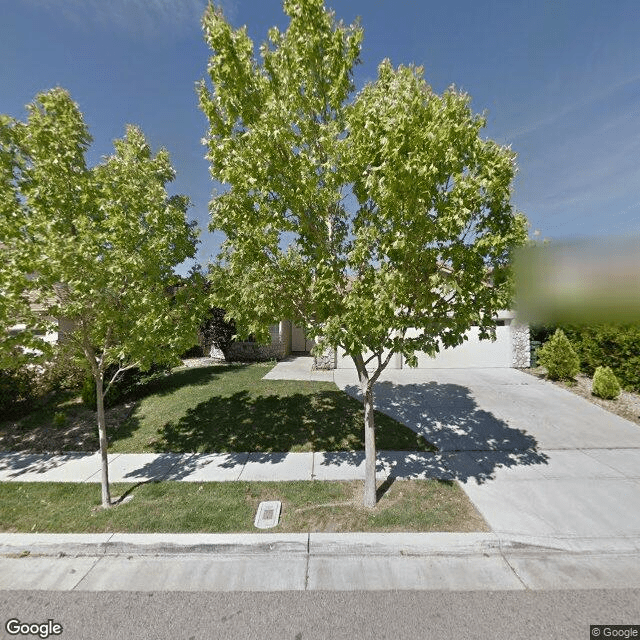
1637 Leah Way, Paso Robles, CA 93446
For more information about senior living options: (866) 208-4318
Christian Home For The Elderly Costs & Pricing
Christian Home for the Elderly offers competitive pricing for its residents, with semi-private rooms costing $3,500 per month, which is slightly lower than the average of $3,575 in San Luis Obispo County and below the broader state average of $3,333. For those seeking more privacy, private rooms are available at $4,200 per month. This rate is also on par with the county's average of $4,372 but exceeds California's state average of $3,939. Overall, Christian Home for the Elderly provides a compelling option for senior care within the context of local and state costs, balancing affordability with quality services tailored to meet residents' needs.
| Floor plans | Christian Home For The Elderly | San Luis Obispo County | California |
|---|---|---|---|
| Semi-Private | $3,500 | $3,575 | $3,333 |
| Private | $4,200 | $4,372 | $3,939 |
Assisted Living communities with a similar price nearby
-
from -$600 / mo

The Villages of San Luis Obispo
$2,900 to $4,800 / month23.9 miles away -
from +$512 / mo
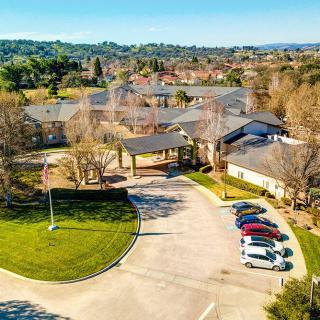
Creston Village
$4,012 to $7,025 / month2.2 miles away -
About the same

M & L South Bay Maxi Care
$3,500 / month23.8 miles away -
from +$300 / mo
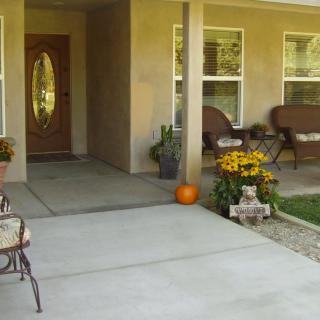
Bella Vita Assisted Living
$3,800 to $5,000 / month10.0 miles away -
About the same

Bella Vita Assisted Living
$3,400 to $3,900 / month10.0 miles away
Overall Review of Christian Home For The Elderly
Pros
 Bradley is extraordinarily caring, patient, and kind.
- He is a terrific communicator, honest, and a person of integrity.
- Bradley, Margie, and Mona are true God-sends to families.
- They provide excellent personalized care and take time to truly know those they care for.
- Bradley willingly offers respite, support, and help in hospice care.
- Their entire staff makes clients feel like family from day one.
- Christian Love Home Care is trustworthy, reliable, and highly recommended.
Cons
 He was hesitant about bringing someone into his home that he didn’t know.
Review
This community is best suited for seniors who want a truly home-like, intimate environment where care feels personal and constant. With a husband-and-wife style operation serving a small group of residents (roughly seven), the setting emphasizes daily life lived with familiar faces. It is especially appealing for those who value spiritual and social connection as part of everyday care, where conversations can flow into prayer, stories, and companionship, and where staff become trusted daily companions rather than distant professionals. For seniors who thrive on continuity, consistency, and a sense of belonging, this option stands out as a natural, comforting choice.
Those who may want to consider alternatives are clear: families seeking a larger, more clinical memory-care program with a broad activity calendar and around-the-clock nursing staffing may find this environment too intimate or under-resourced. If formal programs, rigid schedules, or extensive medical oversight are priorities, a bigger facility could better meet those needs. Secular or highly specialized medical settings, or locations far from Paso Robles, might also present better fit for families with broader medical requirements or distinct cultural or religious preferences outside the scope of this small home setting.
The strongest positives, exceptional caring, patient and kind staff, and highly reliable communication, are what offset the potential drawbacks. Bradley, Margie, and Mona consistently demonstrate integrity and a capacity for nuanced, personalized care that extends beyond basic tasks. Residents benefit from social interaction, meaningful conversations, and respite options when needed, including hospice support in home settings. The presence of a visiting nurse and a small, cohesive team helps ensure attention to vital signs and wellness without sacrificing warmth. The homey decor, cleanliness, and the sense that care feels like family further reinforce the value of this approach.
Where the main constraints could bite, the intimate scale also explains why these pros matter so much. A seven-resident home means limited on-site staff at any given moment and a slower ramp-up for new admissions, which can translate to longer wait times for openings or days of adjustment for new residents. The high degree of continuity, same caregivers, a direct owner-manager relationship, and a tightly knit routine, helps with trust but may sound risky if turnover or absence disrupts routines. Still, the reviews consistently show the team’s dedication and the owners’ hands-on involvement as a stabilizing force, mitigating typical small-site vulnerabilities.
Practicalities matter in decision-making, and this community handles them with a grounded, hands-on approach. Admissions involve straightforward paperwork and some typical logistical steps (like TB testing), reflecting a standard process rather than a consumer-friction hotspot. The director’s energetic, optimistic style translates into a welcoming, responsive intake and ongoing responsiveness to family needs. For families prioritizing transparency, direct access to decision-makers, and a facility where care plans feel as much like a chat with trusted friends as a formal chart review, this small operation delivers real value.
In the end, this community is a compelling choice for families prioritizing warmth, continuity, and meaning in daily care. It excels when a senior thrives on familiar faces, intimate social opportunities, and a faith-inspired, family-like atmosphere. It may be less suited for those who require robust 24/7 clinical oversight, expansive programming, or large-scale resources. The recommended path is to schedule a visit, ask pointed questions about night coverage and admission timelines, and observe how caregivers interact with residents and families in real time. For households that want a heartfelt, dependable, highly personalized care team operating in a small, welcoming setting, this option earns strong consideration.
 6 resident community capacity
 Assisted Living
 Board and Care Home
 Activities off-site
 Bath tubs
 Cable or satellite TV
 Devotional services off-site
 Dining room
 Fully furnished
 Garden
 Housekeeping services
 Indoor common areas
 Move-in coordination
 Outdoor common areas
 Private
 Private bathrooms
 Respite or short term stays offered
 Telephone
 Wheelchair accessible showers
 Wi-Fi/high-speed internet available
 24-hour supervision
 Ambulatory care
 Assistance with bathing
 Assistance with dressing
 Assistance with transfers
 Diabetes diet
 Diabetic care
 High acuity care
 Incontinence care
 Meal preparation and service
 Medication management
 Special dietary restrictions
 Transportation arrangement (medical)
 Transportation to doctors appointments
 Adventist services


 Medicare Coverage for Assisted Living: An In-Depth Exploration
 Choosing the Right Senior Care: A Detailed Exploration of Assisted Living and Nursing Homes
 Understanding the True Cost of Assisted Living in 2025: A Comprehensive Guide