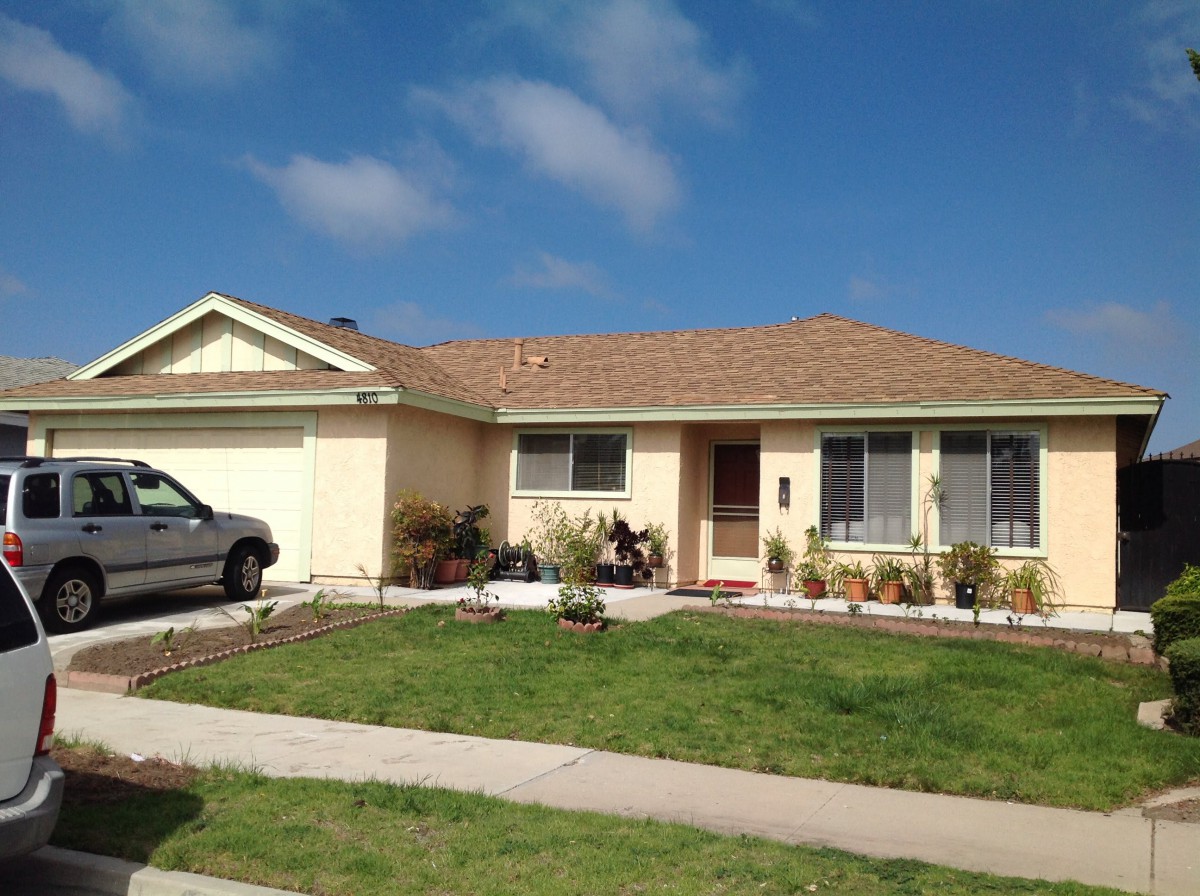
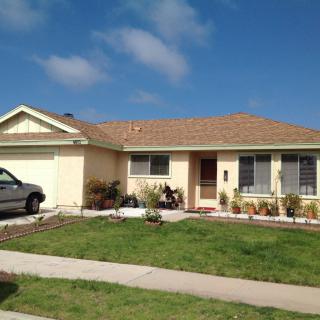

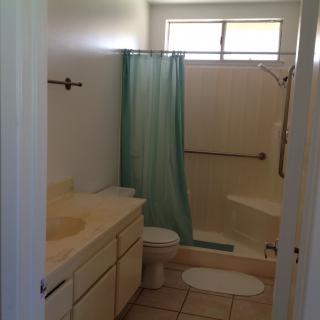
4810 Justin Way, Oxnard, CA 93033
For more information about senior living options: (866) 208-4318
Ron And Tess Home Care Costs & Pricing
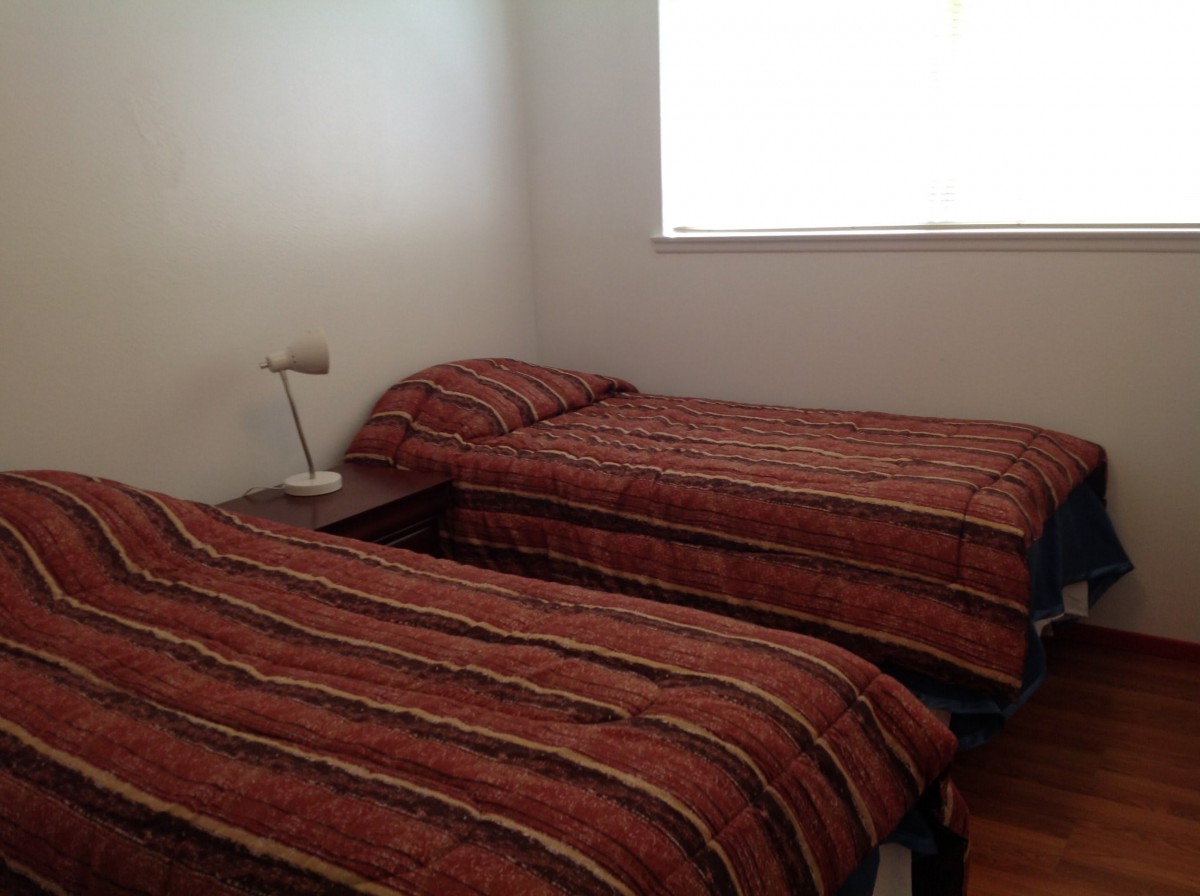
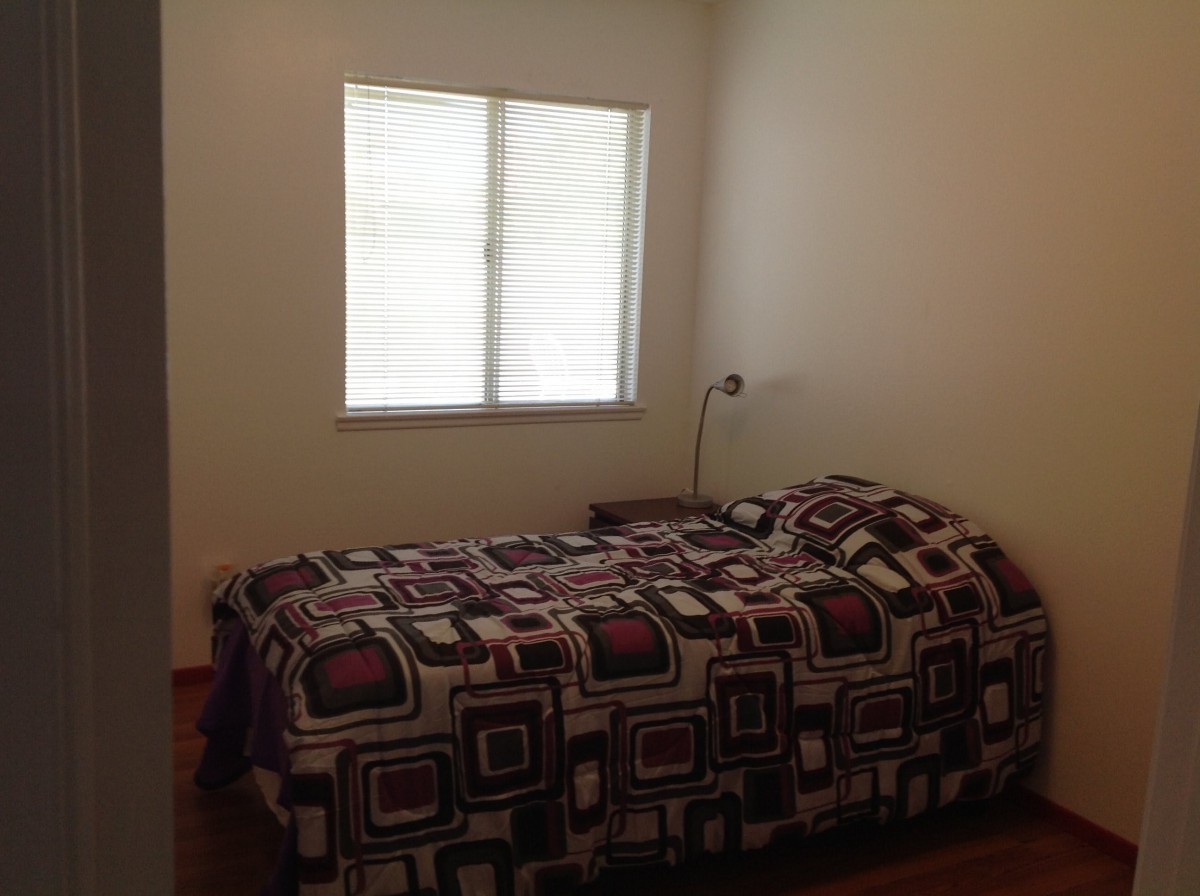
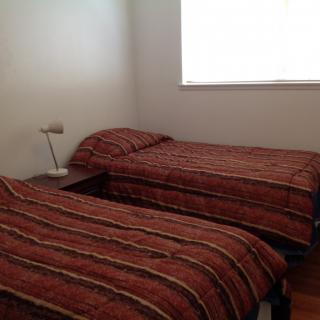
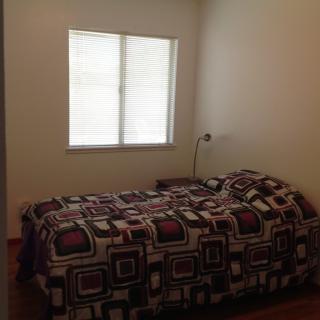
At Ron And Tess Home Care, the monthly costs for various room types reflect a competitive stance within both Ventura County and California as a whole. For a semi-private room, residents can expect to pay $3,500, which is slightly above the county average of $3,438 but remains higher than the state average of $3,333. The private room option comes in at $4,300; while this is marginally above Ventura County's average of $4,082, it surpasses the state's average of $3,939. Additionally, a one-bedroom unit is priced at $4,500 - positioning it closely to both county ($4,513) and state averages ($4,340). Overall, Ron And Tess Home Care offers an appealing blend of personalized care and comfortable living spaces that are competitively priced within the local market context.
| Floor plans | Ron And Tess Home Care | Ventura County | California |
|---|---|---|---|
| Semi-Private | $3,500 | $3,438 | $3,333 |
| Private | $4,300 | $4,082 | $3,939 |
| 1 Bedroom | $4,500 | $4,513 | $4,340 |
Memory care communities with a similar price nearby
-
from -$500 / mo
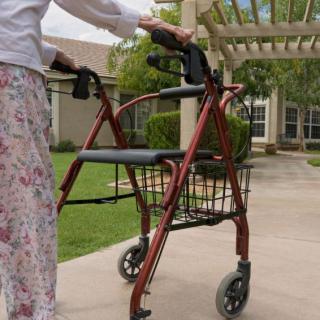
Navita Residence Edgemont Drive
$3,000 / month8.5 miles away -
from -$500 / mo
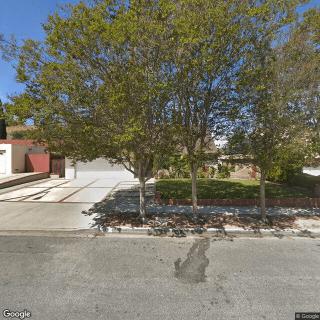
Happy Home Care
$3,000 to $3,500 / month14.0 miles away -
About the same

Lovely Community II
$3,500 to $4,500 / month16.8 miles away -
from +$500 / mo

Sunrise of Westlake Village
$4,000 to $7,500 / month19.9 miles away -
from -$500 / mo
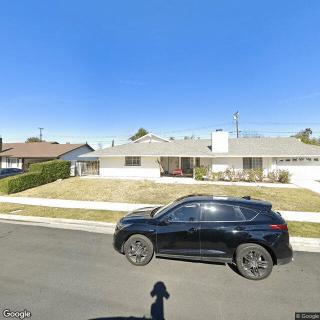
Arianah Place
$3,000 / month16.8 miles away
Overall Review of Ron And Tess Home Care
Pros
 They are wonderful and caring staff.
- They celebrate residents' birthdays with cake and singing.
- They provide attentive, comprehensive care, including feeding, medications, and hygiene.
- They keep the home clean, welcoming, and well‑maintained, with good communication.
- The staff is wonderful and the facility feels welcoming.
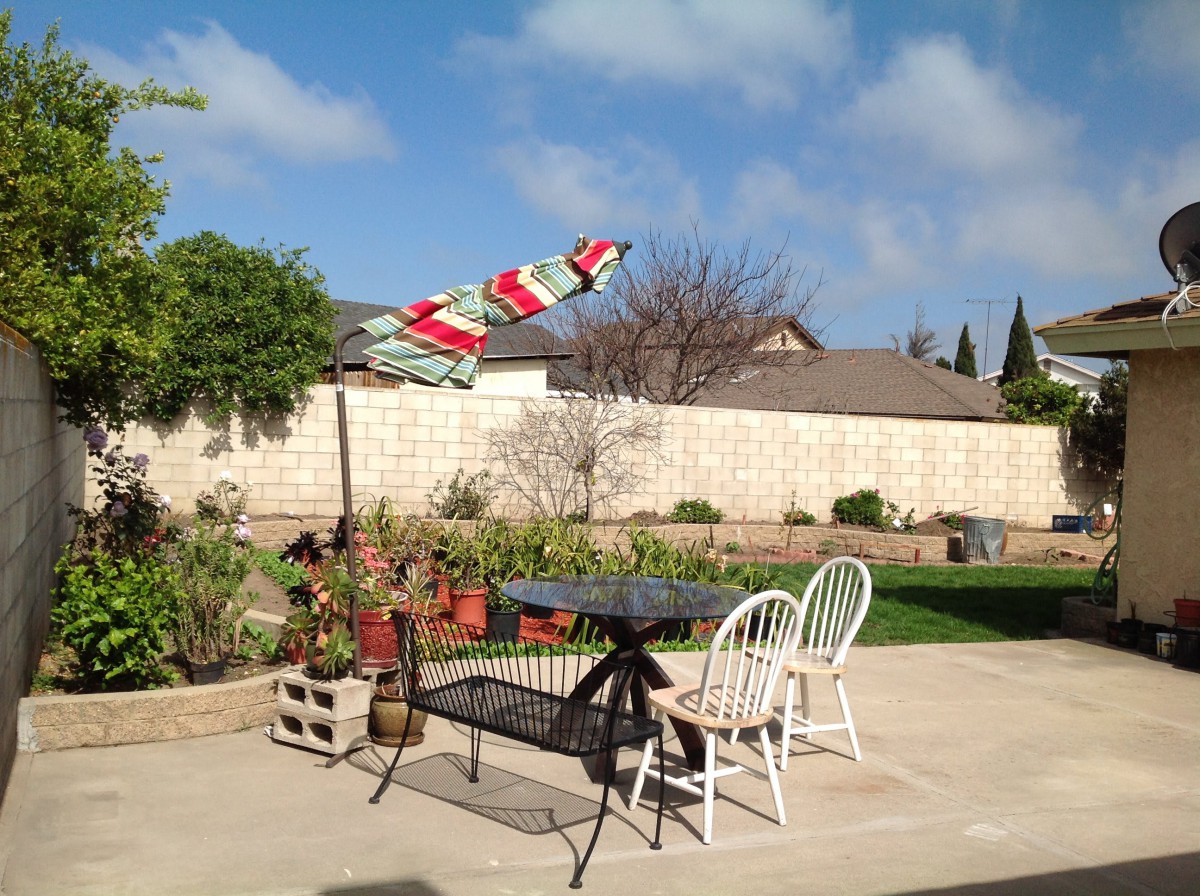
- The owner/director is great and the home is immaculate with a nice backyard.
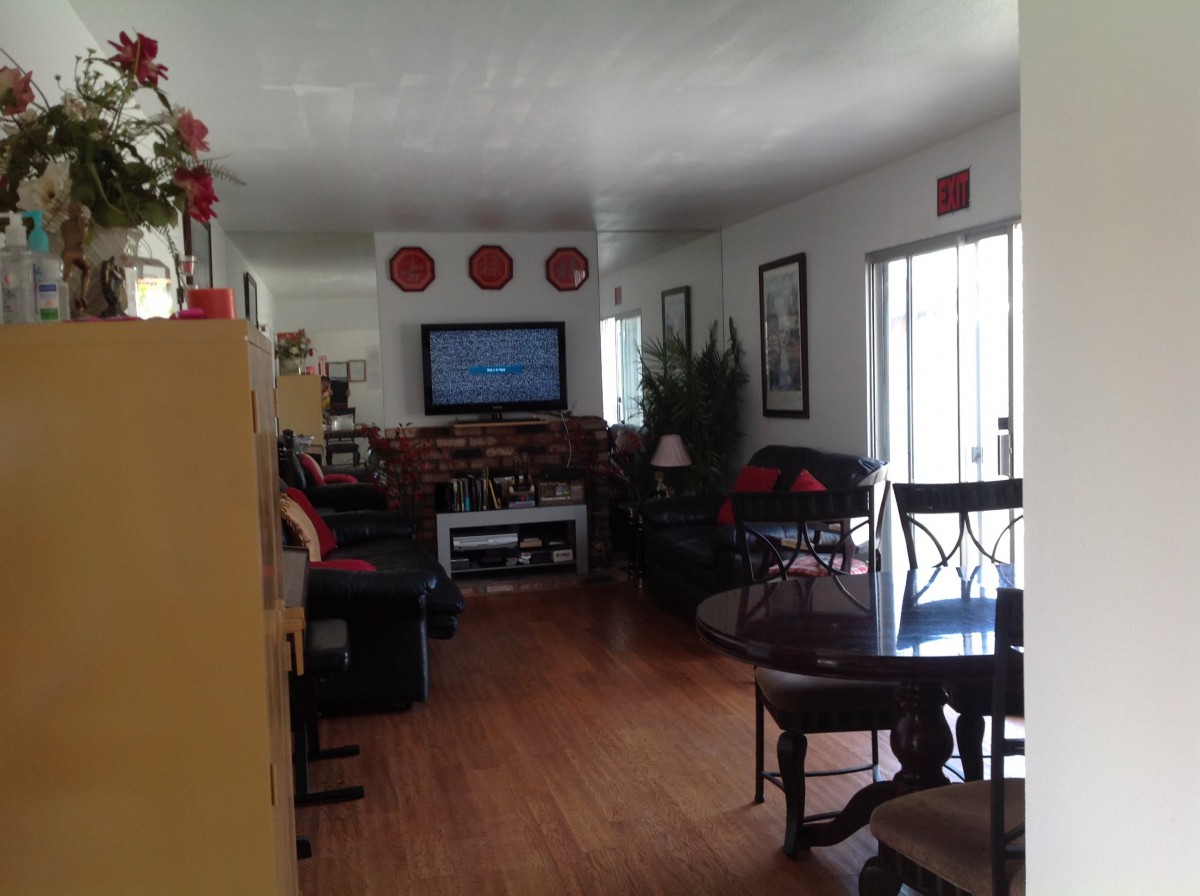
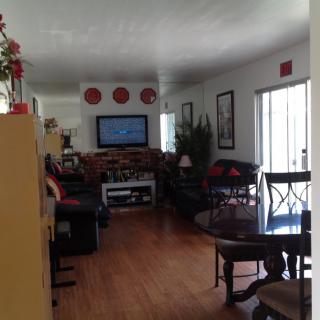
- The home is very nice, in a residential neighborhood, with a clean, light, and friendly atmosphere.
- They take the time to understand residents' needs and preferences and strive to meet them.
Cons
 It was totally unacceptable for what his wife needed.
- The two caretakers were friendly but difficult to understand due to their heavy accents.
- The house was clean but small and dreary.
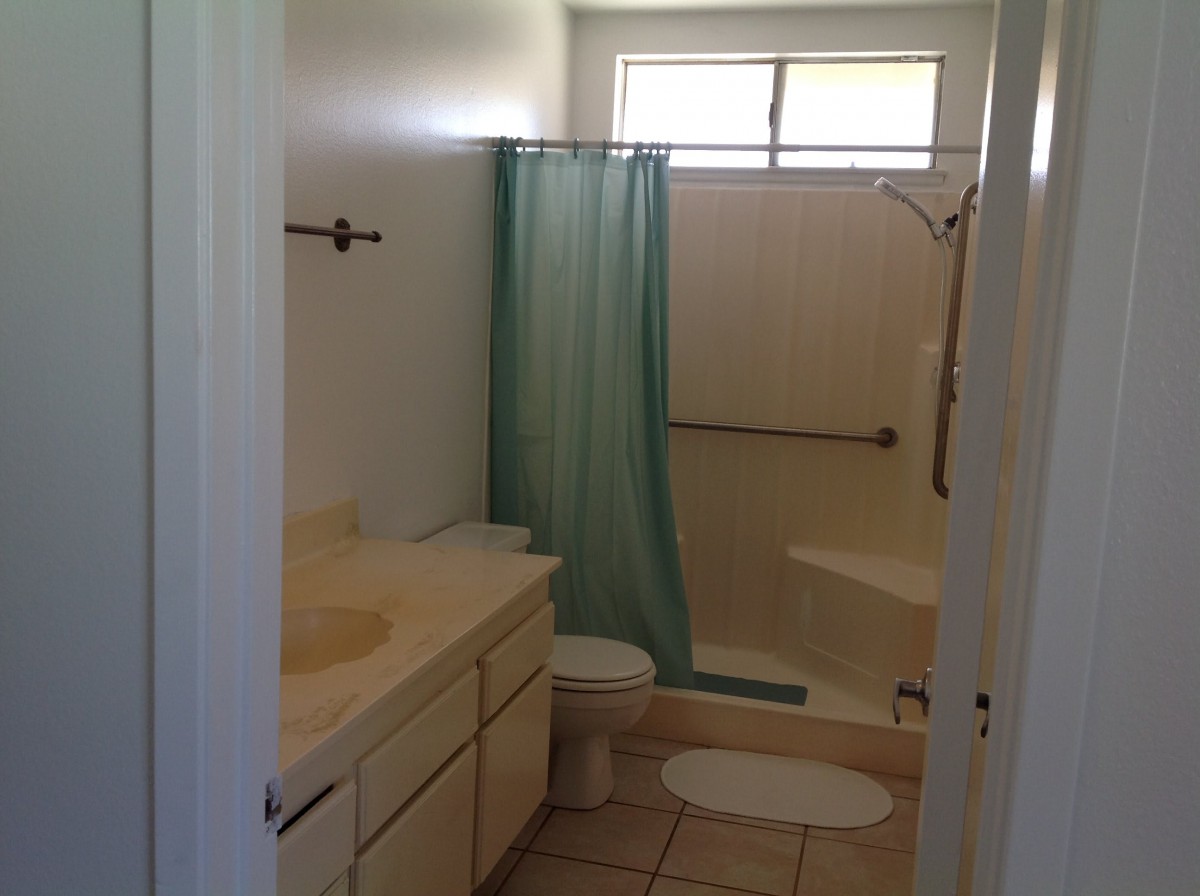
- The bathroom was small and would have been difficult for his wife to use.
- The Amity & Joy Home Care was more like a home, and they did not seem able to provide the level of care his father needed.
- They did not seem to have any activities for the residents.
- The reviewer did not care much for the location and the roommate-style setup.
Review
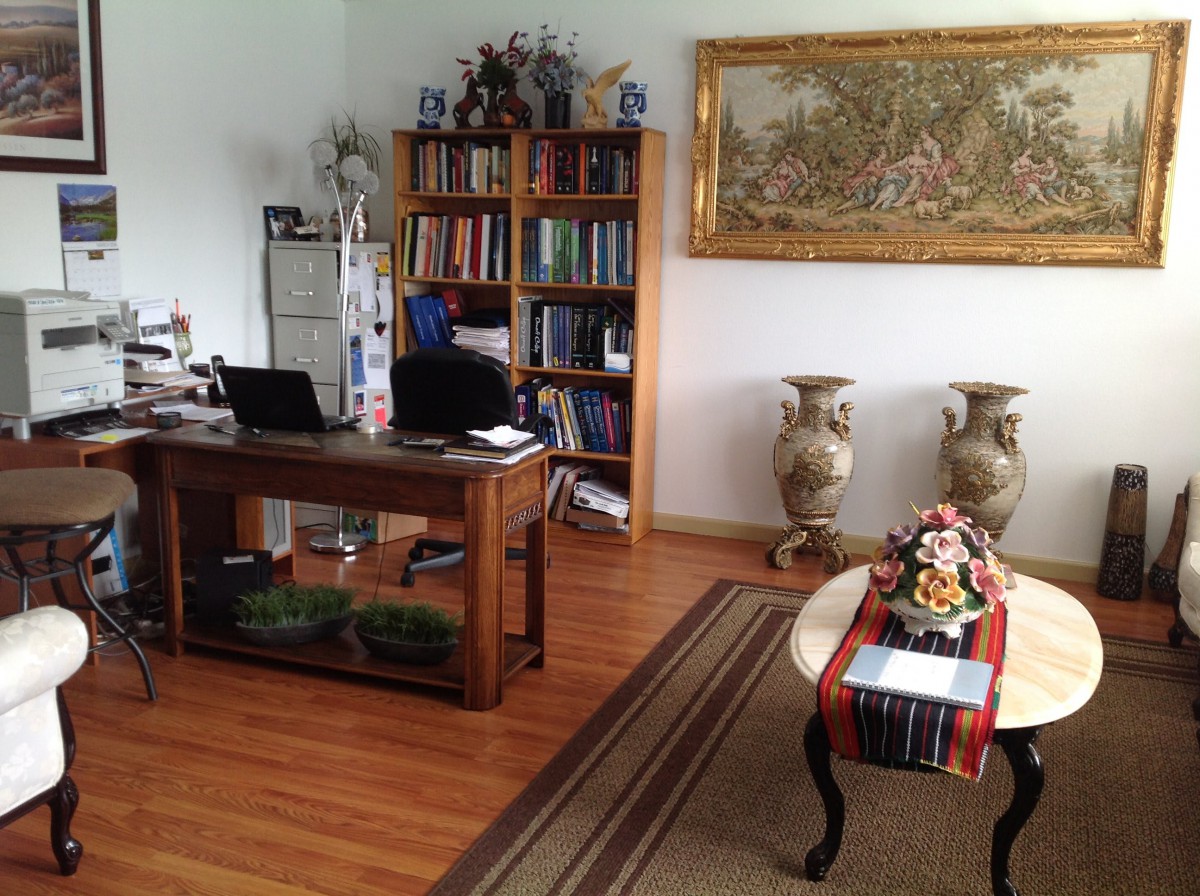
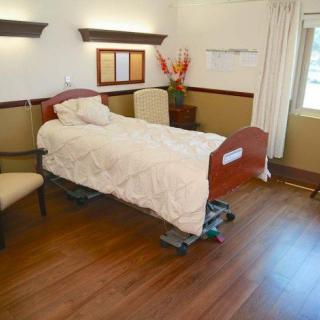
Ron And Tess Home Care in Oxnard is best suited for families seeking an intimate, caregiver-led, home-like setting where daily life feels more like a family routine than a hospital ward. The care pattern is unmistakable: staff manage feeding, medications, hygiene, and routine needs, and they adapt quickly when a condition shifts, evidence of a truly hands-on approach. In particular, the ability to provide specialized equipment, such as a hospital bed for a bedridden loved one, signals a facility that can accommodate evolving medical needs within a familiar, home-style environment. Birthday celebrations, personal touches, and straightforward, ongoing communication with families further distinguish this option as one where care feels deeply personal rather than transactional.
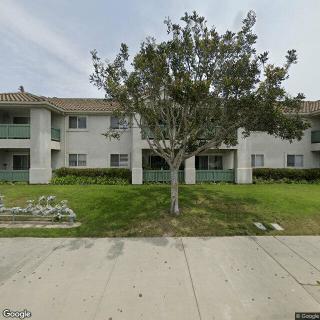
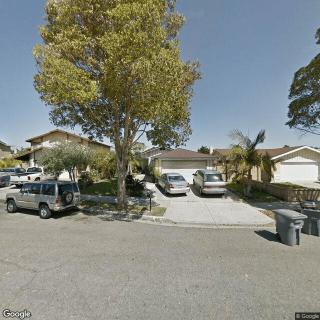
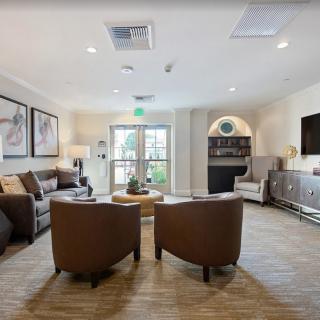
The setting itself reinforces the impression of a small, welcoming operation rather than a sprawling institution. Reviews consistently describe a clean, light-filled home in a quiet Oxnard neighborhood, run by knowledgeable owners who are genuinely attentive to residents’ needs. This combination of a peaceful, residential backdrop with attentive, well-informed leadership translates into a sense of stability and predictability for families who want consistency in daily routines and a place where staff know the resident’s preferences and history. For seniors who prize a setting that resembles home life more than a formal care facility, this is an alignment worth prioritizing.
Still, there are practical caveats that deserve deliberate consideration. One reviewer described a scenario where the atmosphere felt too small and dreary for a spouse requiring significant mobility assistance, noting a very compact bathroom as a real obstacle. Another comment flagged communication barriers due to caregivers’ accents, underscoring that clear, comprehensible conversations are essential when managing medications, changes in condition, and daily schedules. These points matter: for residents who require extensive mobility adaptations or who rely on unambiguous verbal instructions, the layout and language dynamics could influence safety and overall satisfaction. Such realities are common in small-home settings and should be weighed against the benefits.
Despite these potential drawbacks, the strongest advantages tend to offset the concerns for many families. The core strength lies in the level of personal attention and the speed with which care plans can be tailored and adjusted. The staff’s reliability and willingness to engage with families create a reliable feedback loop: problems are reported and resolved promptly, and residents’ routines stay aligned with their preferences. The intimate scale enables quicker, more flexible decision-making, which translates into a reduced risk of miscommunication and a higher sense of security for families during transitions or shifts in health status. When those elements matter most, clarity, responsiveness, and a home-like atmosphere, the positives have a tangible, practical pull.
For households weighing alternatives, this setting may not be the ideal match for everyone. Families that seek a robust social program, structured daily activities, or a formal memory-care framework may prefer larger, more program-oriented facilities with clearly delineated schedules and specialized pathways. Additionally, if space and accessibility are non-negotiable, or if multilingual staff and standardized communication protocols are a priority, exploring other home-care or small-residence options is prudent. The reviews suggest that while activity opportunities exist in some homes, they can be sparse in a purely residential model, a factor that will influence satisfaction for residents who crave regular engagement.
Bottom line: Ron And Tess Home Care presents a compelling fit for seniors who want a warm, homey, highly attentive care environment with direct family communication and adaptable daily routines. It excels where intimate attention, rapid responsiveness, and a comfortable, domestic setting matter most, commendable traits for end-of-life care or steady long-term support within a small, caring circle. Those prioritizing space, formal programming, or mobility-friendly floor plans should actively compare with larger or more activity-focused facilities. A deliberate visit, explicit inquiries about room layout, staff language fluency, and daily routines will reveal whether this home truly aligns with the resident’s goals and family expectations.
 6 resident community capacity
 Assisted Living
 Board and Care Home
 Memory Care
 Activities off-site
 Bath tubs
 Cable or satellite TV
 Devotional services on-site
 Dining room
 Fully furnished
 Garden
 Housekeeping services
 Indoor common areas
 Move-in coordination
 Outdoor common areas
 Private
 Private bathrooms
 Respite or short term stays offered
 Telephone
 Wheelchair accessible showers
 Wi-Fi/high-speed internet available
 Oxnard (4 miles away)
 24-hour supervision
 Ambulatory care
 Assistance with bathing
 Assistance with dressing
 Assistance with transfers
 Diabetes diet
 Incontinence care
 Meal preparation and service
 Medication management
 Special dietary restrictions
 Transportation arrangement (medical)
 Transportation to doctors appointments

 An In-Depth Look at Reminiscence Therapy in Dementia Care
 Dementia-Related Hallucinations: Causes, Experiences, and Practical Approaches
 Illuminating Insights About Alzheimer's Disease: Ten Crucial Realities