
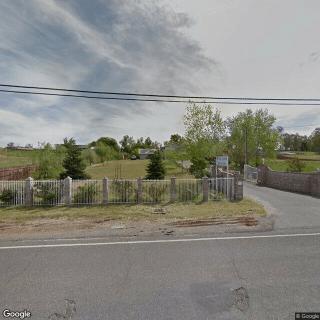
231 Bryden Way, Oroville, CA 95966
For more information about senior living options: (866) 208-4318
Overall Review of Angel Lite Elder Care
Pros
 They are amazing people and they are so kind.
- The environment is wonderfully caring, with a loving energy that made his father very happy.
- The staff at Angel Lite go above and beyond to ensure residents are cared for.
- They strive to reduce over-prescribed medications to reasonable levels, enabling real conversations.
- The staff are helpful in allowing families time with their loved ones in their final hours.
- The staff even visited the family at the funeral.
- This was the place the father wanted to spend his last days.
- The grandchildren came in every night to say goodnight, which was the highlight of his day.
- The facility is clean and allows residents to bring pets.
Cons
 The facility is not set up for ambulatory care and doubles as a day care for grandchildren who are loud and often unruly.
- Ambulatory patients suffer through long days with no activities and no supervision, and are allowed to wander the grounds without guidance, risking injury and loss of personal items.
- The facility uses sleep-inducing meds, over-the-counter and prescribed, to keep ambulatory patients as quiet as possible so they require less direction and supervision.
- This is not the place for a loved one who is ambulatory and needs memory care along with help with daily needs such as feeding and dressing.
Review
Angel Lite Elder Care in Oroville is best suited for families seeking a warm, home-like environment where hands-on, compassionate care is the priority and where residents require substantial assistance rather than ongoing, structured programming. The community earns strong marks for the way staff engage with residents who are wheelchair-dependent or otherwise limited in daily mobility, delivering attentive support that goes beyond basic duties. For families valuing a nurturing atmosphere, where caregivers actively reduce overly aggressive medication regimens to improve conversation and quality of interaction, this setting can feel transformative. It is also a good fit for those who want a high level of family involvement and a place where pets and a personal, familiar touch can be part of everyday life.
Those evaluating alternatives should be cautious about options that emphasize independence, robust daytime activities, or memory-care oriented programming. The reviews indicate that Angel Lite is not designed for ambulatory care or memory-focused living. If a loved one requires regular daytime activities, constant supervision, and a tightly structured routine to prevent wandering or confusion, this community may fall short. Families with expectations of a quiet, quasi-clinic environment or a facility that minimizes outside noise may also find the setting less compatible. In short, while the care team shines in personal attention, the operational model does not align with needs that center on frequent activity programming or memory-care supports.
The strongest positives center on the caregivers themselves. Residents benefit from staff who are described as kind, dedicated, and willing to go "above and beyond" to ensure comfort and safety. The ability to dial back medications to more reasonable levels, enabling meaningful conversations again, is a meaningful win for many families. End-of-life support is another notable strength, with staff providing time and presence in final hours and even post-funeral outreach. Cleanliness and a welcoming, pet-friendly environment further bolster the sense of home and dignity for residents. These elements combine to create a sheltering safety net where family members feel their loved ones are cherished and genuinely attended to.
The most significant drawbacks relate to the facility’s suitability for ambulatory residents and those needing memory-care level support. Ambulatory patients may experience long days with limited activities, insufficient supervision outdoors, and a lack of guidance that can lead to wandering and misplacement of personal items. The practice of using sleep-inducing medications to keep quieter, less demanding behavior among ambulatory residents raises concern for families prioritizing waking, engaging daylight hours. Although the environment is clean and home-like, the absence of structured daytime programming and memory-care resources means this is not the right fit for seniors who require ongoing mobility assistance, cognitive supports, or intensive daily living help.
These strengths and weaknesses must be weighed against each other to determine fit. For a loved one who thrives on personal connection, feels secure with attentive caregivers, and benefits from a home atmosphere where family involvement is welcomed and cherished, Angel Lite can deliver meaningful peace of mind and quality time in a difficult life transition. For residents who need predictable, activity-rich days, safety-focused supervision throughout waking hours, and targeted memory-care support, alternatives with more formal programming and specialized oversight will reduce the risk of isolation and misadventure. The question is not whether care exists here, but whether the care model aligns with the specific daily needs and long-term goals of the loved one.
In the end, choice hinges on mobility and cognitive needs. Angel Lite excels as a compassionate, person-centered option for wheelchair-dependent seniors who benefit from daily warmth, intimate attention, and family-friendly culture. It is less suitable for ambulatory elders seeking consistent daytime activities or memory-care-enriched living. Families should approach with a prioritized checklist: caregiver engagement, medication management outcomes, the home-like routine, and the feasibility of outdoor supervision and safety. If those boxes align, Angel Lite offers a rare, human-centered sanctuary. If not, the search should continue for a community with stronger activity offerings and formal memory-support structures.
 6 resident community capacity
 Assisted Living
 Cable or satellite TV
 Dining room
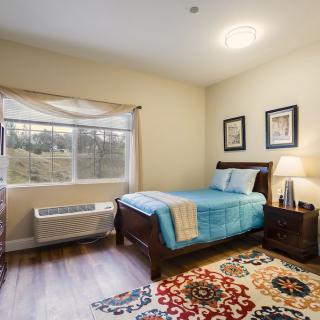
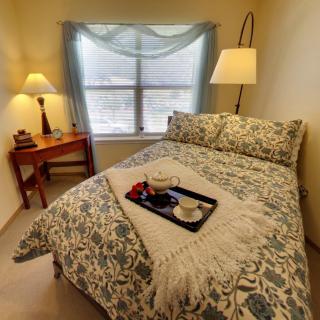
 Fully furnished
 Garden
 Housekeeping services
 Move-in coordination
 Outdoor space
 Small library
 Telephone
 24-hour supervision
 Activities of daily living assistance
 Assistance with bathing
 Assistance with dressing
 Assistance with transfers
 Diabetes diet
 Meal preparation and service
 Medication management
 Special dietary restrictions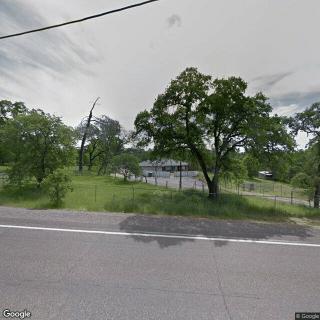

 Social Security Benefits and Assisted Living: Navigating Options Across the U.S.
 An Extensive Exploration of the VA Aid and Attendance Benefit
 Senior Transition Services: Understanding Their Role, Cost, and Importance