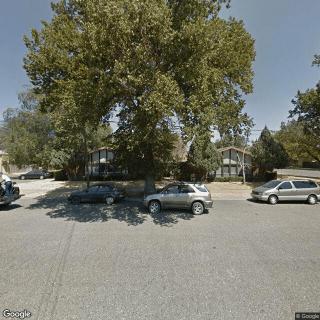
Iris Care Home in Oroville, CA

Save
Iris Care Home

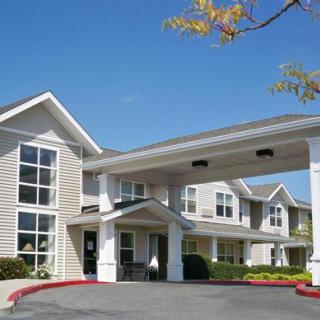
Iris Care Home in Oroville, CA

4117 Lower Wyandotte Road, Oroville, CA 95966

For more information about senior living options: (844) 490-3973

4 from 4 reviews
5 stars
3
4 stars
0
3 stars
0
2 stars
0
1 stars
1

Assisted Living Board and Care Home Memory Care

Iris Care Home Costs & Pricing

Iris Care Home offers competitive pricing for its services, making it an appealing option for individuals seeking assisted living in Yuba County and the broader California area. For a semi-private room, Iris Care Home charges $2,500 per month, significantly lower than the county average of $3,031 and the state average of $3,333. Private rooms are available at a monthly rate of $3,000 - again more affordable compared to both the county's $3,348 and California's statewide average of $3,939. Similarly, their one-bedroom accommodations are priced at $3,000 each month, offering a substantial savings over the county's average of $3,976 and the state's higher average of $4,340. These pricing strategies underscore Iris Care Home's commitment to providing quality care at accessible rates.

Floor plansIris Care HomeYuba CountyCalifornia
Semi-Private$2,500$3,031$3,333
1 Bedroom$3,000$3,976$4,340
Private$3,000$3,348$3,939

What level of care are you interested in?

Assisted Living

Memory Care

Independent Living

Skilled Nursing Facility

Continuing Care Retirement Community (CCRC)CCRC

Other


Request a tour at Iris Care Home

    Overall Review of Iris Care Home

    Pros

    • pro The home is very nice and its setup is impressive.
    • pro There is staff on site who handles housekeeping.
    • pro The owners live onsite and provide day- and weekend nurse coverage.
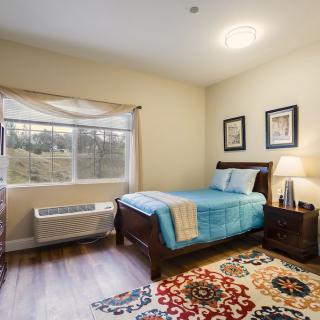
    • pro The rooms are large and comfortable, with a bathroom just outside the door.
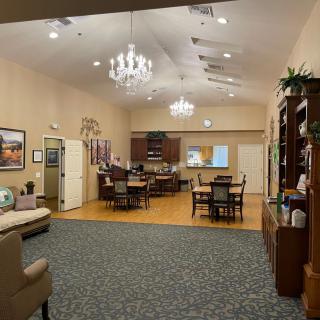
    • pro It has a large entertainment room with a wide-screen TV and a roomy sectional couch.
    • pro It feels like a regular living room, not like a doctor's office.
    • pro The meals look good and are well prepared.
    • pro The pricing is competitive and offers more value than other facilities.
    • pro The staff really takes care of residents.
    • pro Three home-cooked meals are served daily at a regular dining table and residents like the food.

    Cons

    • pro They don't have a lot of activities.
    • pro It's a locked-down home.
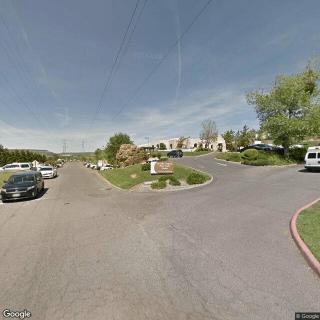
    • pro The home is in a terrible location off a very busy street.
    • pro Visitors stood at the front door for 20 minutes with no one coming to the door.

    Review

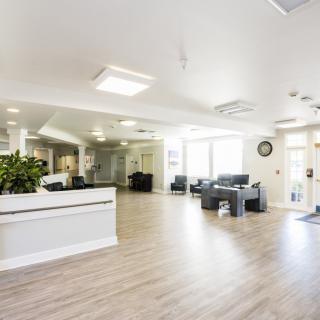
    Iris Care Home in Oroville is best suited for families seeking a truly small, home-like setting where personalized attention comes first. The community operates with a tight resident count - six to eight in recent observations - which creates a calm, homely atmosphere rather than a clinical, institutional feel. Ownership is hands-on, with the couple who run the home living upstairs and a daytime and weekend nursing presence on site. This combination yields steady oversight without the feel of a nursing facility, making it appealing to caregivers who want direct access to staff and a familiar routine. The layout reinforces this impression: a large, living-room?style entertainment area, a homey dining setup for three meals, and bedrooms whose doors open to nearby bathrooms. For families prioritizing continuity, comfort, and a predictable, intimate daily rhythm, Iris Care Home is a strong match.

    That said, certain needs point toward considering alternatives. Residents who crave a richer slate of social programming and structured activities may find Iris Care Home's offerings more limited. One reviewer notes a lively and attentive staff, but alongside that warmth comes a quieter, less program-centric culture. For families prioritizing robust, hospital-level medical oversight or access to a broader array of therapy and activity options, a larger or more clinically oriented community could be a better fit. Similarly, those who require an expansive campus with extensive outdoor space or nearby amenities might prefer options beyond this compact, home-based setting. Lastly, individuals who place a premium on a location removed from busy traffic or who want easier front-door access during tours may want to compare alternatives with different neighborhood dynamics.

    The strongest pros of Iris Care Home - its intimate size, attentive staffing, and home-like atmosphere - play directly against the most consequential drawbacks. The small scale means staff can know each resident well, respond quickly, and tailor routines with a level of customization that larger communities struggle to match. Having owners living on site reinforces accountability and warmth, while nurses on duty during the day and on weekends provide essential medical oversight without the impersonal feel of a hospital. Home-cooked meals served at a regular dining table enhance dignity and comfort, and the large common room creates a natural social focal point without pressuring residents into formal activities. When coupled with a competitive price that, in some cases, covers more than competing facilities, these positives can substantially offset the limited activity calendar and the absence of a bustling, program-heavy environment.

    The most tangible cons surface more clearly in terms of lifestyle fit than safety or quality of care. Activity levels skew toward maintenance and casual engagement rather than structured enrichment, which may disappoint residents who crave daily, scheduled recreation or strong cognitive-stimulation programming. The environment can feel "locked down" to some - an intentional security posture that yields safety and predictability but may restrict spontaneity for active, sociable seniors. Location matters as well: a private home with a large perimeter fence sits on a very busy street, which can raise concerns about traffic exposure and accessibility for visitors. Reports of slow front-door responses during tours also hint at quieter operational hours or staffing rhythms that families should verify directly before committing.

    If the decision hinges on finding a balance between intimate care and meaningful activity, Iris Care Home offers a compelling package for the right resident. The key is aligning expectations: the appeal rests in the residents' comfort, the caregivers' attentiveness, and the home's warmth, all at a cost that tends to be favorable for high-touch, home-style living. Families prioritizing routine, familiar surroundings, and strong caregiver relationships will likely conclude this setting delivers far more value than a larger, more clinical alternative. Those seeking vibrant daily programming, a wide array of on-site amenities, or aggressive clinical services should set up comparisons with other communities to ensure the chosen option matches the desired level of engagement and medical support.

    Action-oriented next steps include arranging a firsthand visit to observe staffing rhythms, ask to review a typical weekly activities roster, and request a sample meal plan to confirm culinary preferences and dietary accommodations. Inquire about the exact nurse-coverage hours, care plan development processes, and how medical decisions are coordinated with families. Ask for visit times that showcase how staff interact with residents during ordinary moments, not just during tours, to gauge the consistency of attention. Finally, verify licensing, safety features, and contract details, including any add-on services, to ensure the choice aligns with long-term needs and budget.

    Features

    Housing

    • 8 resident community capacity 8 resident community capacity

    Types of Care

    • Assisted Living Assisted LivingAssisted living facilities provide crucial support and care for seniors who may need help with daily tasks such as medication management, bathing, and meal preparation. These communities offer a safe and comfortable environment where seniors can maintain their independence while receiving the assistance they need to thrive in their golden years.
    • Board and Care Home Board and Care HomeBoard and care homes provide a smaller, more intimate setting for seniors who require assistance with daily tasks but do not need the level of care offered by a nursing home. They offer personalized care, meals, and social activities in a homelike environment, ensuring that seniors receive individualized attention and support in their golden years.
    • Memory Care Memory CareMemory care is crucial for seniors as it provides specialized support and services for individuals with dementia or Alzheimer's disease. These programs offer a safe and secure environment where residents receive personalized care, cognitive stimulation, and help with daily activities. Memory care helps seniors maintain their independence, quality of life, and dignity while also providing peace of mind for their families.

    Amenities

    • Activities off-site Activities off-siteEngaging in off-site activities is crucial for seniors to maintain social connections, stay active, and stimulate their minds. It promotes overall well-being and helps combat feelings of isolation and loneliness.
    • Activities on-site Activities on-siteActivities on-site are important for seniors because they provide opportunities for socialization, mental stimulation, physical activity, and overall well-being. Engaging in activities can help seniors stay active, maintain their independence, and improve their quality of life.
    • Beautician on-site Beautician on-siteHaving a beautician on-site at a senior living community is important for seniors as it allows them to easily access grooming and personal care services, boosting their self-esteem and overall well-being. It also provides convenience and helps seniors maintain their sense of independence and personal style.
    • Cable or satellite TV Cable or satellite TVCable or satellite TV is important for seniors because it provides entertainment, news, and companionship, helping to combat loneliness and boredom. It also offers a wide range of programming options tailored to different interests and preferences.
    • Dining room Dining roomDining rooms are important for seniors as they provide a space for socialization, connection, and nutritious meals. They offer opportunities for residents to bond over shared meals, foster a sense of community, and promote healthy eating habits. Dining rooms also ensure that seniors have access to well-balanced meals tailored to their dietary needs and preferences.
    • Fully furnished Fully furnishedFully furnished senior living communities are important for seniors because they provide convenience, comfort, and a hassle-free moving experience. Seniors can easily settle into their new living space without the stress of having to buy and move furniture. This allows them to focus on enjoying their new home and community.
    • Garden GardenGardens are important for seniors as they provide a peaceful and therapeutic environment for relaxation, physical activity, and socialization. Being in nature has been shown to reduce stress, improve mood, and promote overall well-being. Gardens also offer opportunities for seniors to engage in gardening activities, which can improve mobility, flexibility, and cognitive function. Additionally, gardens create a sense of community and connection with others who share a passion for plants and outdoor spaces.
    • Housekeeping services Housekeeping servicesHousekeeping services are important for seniors because they help maintain a clean and safe living environment, promote independence, and reduce the risk of accidents or illnesses. Additionally, having assistance with household chores can alleviate physical strain and allow seniors to focus on other aspects of their well-being.
    • Indoor common areas Indoor common areasIndoor common areas are crucial for seniors as they provide a space for socialization, recreation, and community engagement, promoting overall well-being and reducing feelings of isolation and loneliness.
    • Move-in coordination Move-in coordinationMove-in coordination is important for seniors because it helps ease the transition into their new living environment. It ensures that all logistics, such as packing, organizing movers, and setting up utilities are taken care of, allowing seniors to focus on settling in and adjusting to their new home. Having a smooth move-in process can alleviate stress and anxiety, making the transition smoother and more enjoyable for seniors.
    • Outdoor common areas Outdoor common areasOutdoor common areas are important for seniors as they provide a space for socialization, physical activity, and relaxation. Being outside in nature can improve mood and overall well-being, while also encouraging movement and engagement with others. These spaces can help combat feelings of isolation and promote a sense of community among residents.
    • Outdoor space Outdoor spaceOutdoor spaces are important for seniors as they provide opportunities for physical activity, social interaction, exposure to natural light and fresh air, and a sense of connection to nature. Having access to outdoor spaces can improve overall well-being and quality of life for older adults living in senior communities.
    • Private PrivatePrivacy is important for seniors as it allows them to maintain their independence, dignity, and sense of control over their own lives. It also gives them the space and freedom to relax, reflect, and engage in activities that bring them joy and fulfillment. Creating private spaces within senior living facilities is crucial for promoting overall well-being and quality of life.
    • Telephone TelephoneTelephones are important for seniors as they provide a lifeline for communication with loved ones, emergency services, and healthcare providers. They offer a sense of security and independence, enabling seniors to stay connected and access assistance when needed.
    • Wheelchair accessible showers Wheelchair accessible showersWheelchair accessible showers are crucial for seniors as they provide a safe and independent bathing option for those with mobility challenges. These showers help prevent falls and allow seniors to maintain their dignity and autonomy while ensuring they can bathe comfortably.
    • Wi-Fi/high-speed internet available Wi-Fi/high-speed internet availableWi-Fi/high-speed internet is important for seniors to stay connected with loved ones, access online resources, and participate in virtual activities to combat feelings of loneliness and isolation. It also allows them to easily manage healthcare needs, access entertainment, and engage in lifelong learning opportunities.

    Care Services

    • 24-hour supervision 24-hour supervision24-hour supervision is important for seniors to ensure their safety, well-being, and access to immediate assistance in case of emergencies or health issues. This constant support provides peace of mind for both seniors and their loved ones, allowing them to age in place with dignity and security.
    • Activities of daily living assistance Activities of daily living assistanceActivities of daily living assistance are important for seniors because they provide essential support with tasks such as eating, bathing, dressing, and mobility. This assistance helps seniors maintain their independence, dignity, and overall quality of life as they age.
    • Ambulatory care Ambulatory care"Ambulatory care services provide essential medical support and treatment to seniors without requiring hospitalization, allowing them to maintain their independence and quality of life while managing chronic conditions or receiving routine medical care."
    • Assistance with bathing Assistance with bathingAssistance with bathing is crucial for seniors as it helps maintain personal hygiene, prevents infections, and ensures their overall well-being and comfort. It also provides a sense of dignity and independence for seniors who may struggle with this task on their own.
    • Assistance with dressing Assistance with dressingAssistance with dressing is important for seniors because it helps maintain their independence, promotes personal hygiene, prevents accidents and injuries, and improves overall quality of life. This service ensures that seniors can continue to dress comfortably and confidently, despite any physical limitations they may have.
    • Assistance with transfers Assistance with transfersAssistance with transfers is crucial for seniors as it helps prevent falls and injuries, maintains their independence, and ensures they can safely navigate their living environment. It also provides peace of mind for both seniors and their loved ones.
    • Coordination with health care providers Coordination with health care providersCoordination with health care providers is crucial for seniors to ensure proper medical care, medication management, and overall well-being. This collaboration helps prevent overlapping treatments, track progress more effectively, and provide comprehensive support tailored to individual needs.
    • Diabetes diet Diabetes dietA diabetes diet is crucial for seniors as it helps manage blood sugar levels, reduce risks of complications, and improve overall health and well-being. By following a balanced and nutritious diet tailored to their specific needs, seniors can better control their diabetes and enhance their quality of life.
    • High acuity care High acuity careHigh acuity care is important for seniors because it provides specialized medical attention and support for individuals with complex medical needs. This level of care ensures that seniors receive the appropriate treatment and assistance to maintain their health and quality of life as they age.
    • Meal preparation and service Meal preparation and serviceMeal preparation and service are crucial for seniors as they may have limited mobility or energy to cook nutritious meals. Having access to healthy and convenient food options can ensure they are getting the proper nutrition needed to maintain their overall health and well-being.
    • Medication management Medication managementMedication management is crucial for seniors to ensure they are taking the right medications at the correct dosages and times. This helps prevent adverse drug interactions, reduces the risk of medication errors, and promotes overall health and well-being. Proactive management also allows for adjustments as needed based on changing health conditions or new prescriptions.
    • Special dietary restrictions Special dietary restrictionsSpecial dietary restrictions are important for seniors because age-related changes in metabolism and health conditions can make it difficult for their bodies to process certain foods. By following a diet tailored to their specific needs, seniors can maintain their overall health and well-being, manage chronic conditions, and reduce the risk of complications such as malnutrition or food interactions with medications.
    • Transportation arrangement (medical) Transportation arrangement (medical)Transportation arrangements for medical purposes are essential for seniors as they may have difficulty driving themselves to appointments or accessing public transportation. Having reliable and safe transportation options ensures that seniors can receive timely medical care and maintain their health and well-being.
    • Transportation to doctors appointments Transportation to doctors appointmentsTransportation to doctors' appointments is crucial for seniors as it ensures they have access to necessary medical care and support for their health needs. Without reliable transportation, seniors may struggle to attend important appointments, leading to potential delays in treatment and health complications. Providing transportation services helps seniors maintain their overall well-being and quality of life.
    Dining

    • Diabetes diet Diabetes dietA diabetes diet is crucial for seniors as it helps manage blood sugar levels, reduce risks of complications, and improve overall health and well-being. By following a balanced and nutritious diet tailored to their specific needs, seniors can better control their diabetes and enhance their quality of life.
    • Kosher KosherKosher options are important for seniors because they adhere to dietary laws that are significant to many Jewish individuals, providing them with peace of mind and an opportunity to maintain their cultural traditions and beliefs while living in a senior living community.
    • Meals provided Meals provided"Meals provided" are crucial for seniors in assisted living communities as it ensures they have access to nutritious, balanced meals without the stress of meal planning and preparation. This can help promote overall health and well-being for seniors who may have limited mobility or cognitive abilities.
    • Special dietary restrictions Special dietary restrictionsSpecial dietary restrictions are important for seniors because age-related changes in metabolism and health conditions can make it difficult for their bodies to process certain foods. By following a diet tailored to their specific needs, seniors can maintain their overall health and well-being, manage chronic conditions, and reduce the risk of complications such as malnutrition or food interactions with medications.
    • Vegetarian VegetarianA vegetarian diet is important for seniors because it can help lower the risk of chronic diseases, maintain a healthy weight, and provide essential nutrients needed for aging bodies. Additionally, plant-based diets are often easier on digestive systems and can contribute to overall well-being in older adults.

    Activities

    • Activities off-site Activities off-siteEngaging in off-site activities is crucial for seniors to maintain social connections, stay active, and stimulate their minds. It promotes overall well-being and helps combat feelings of isolation and loneliness.
    • Activities on-site Activities on-siteActivities on-site are important for seniors because they provide opportunities for socialization, mental stimulation, physical activity, and overall well-being. Engaging in activities can help seniors stay active, maintain their independence, and improve their quality of life.
    • Community-sponsored activities Community-sponsored activitiesCommunity-sponsored activities are important for seniors as they provide opportunities for social interaction, mental stimulation, and physical activity. These activities can help improve overall well-being, combat loneliness and isolation, and promote a sense of belonging and purpose among older adults.
    • Scheduled daily activities Scheduled daily activitiesScheduled daily activities are important for seniors because they provide structure, socialization, mental stimulation, and physical activity. Engaging in regular activities can improve overall well-being and quality of life for seniors living in a community setting.

    Description

    Iris Care Home is a beautiful assisted living community located in Oroville, CA. We offer a range of care services including board and care home as well as memory care for individuals with Alzheimer's or other forms of dementia.

    At Iris Care Home, our residents can enjoy a variety of amenities designed to enhance their comfort and well-being. We have on-site activities to keep our residents engaged and entertained, as well as a beautician who can provide personal grooming services. Each room is fully furnished and equipped with cable or satellite TV for residents to relax and enjoy their favorite shows. Our dining room offers delicious meals prepared by our skilled culinary staff, and we accommodate special dietary restrictions such as kosher, vegetarian, and diabetes diets.

    Our community features indoor and outdoor common areas where residents can socialize with their peers and enjoy the surrounding gardens. We provide housekeeping services to ensure that our residents' living spaces are always clean and tidy. Iris Care Home is also proud to offer move-in coordination services to help ease the transition for new residents.

    We understand the importance of staying connected, which is why we offer telephone service as well as Wi-Fi/high-speed internet access throughout our community. Additionally, our showers are wheelchair accessible to accommodate those with mobility challenges.

    Our dedicated staff provides assistance with activities of daily living such as bathing, dressing, and transfers. We also coordinate with health care providers to ensure that our residents receive the best possible medical care. Medication management is available to ensure that medications are taken correctly and on time.

    For added convenience, we arrange transportation for medical appointments and offer transportation options nearby. Within close proximity to Iris Care Home are cafes, parks, pharmacies, physicians' offices, restaurants, places of worship, theaters, and hospitals.

    At Iris Care Home in Oroville, CA, we strive to create a warm and welcoming environment where our residents feel safe and cared for. Come visit us today and experience the compassionate care and vibrant community we provide.

    Nearby Places of Interest

    This part of Oroville, California offers a variety of amenities for seniors looking to settle in the area. There are several places of worship within close proximity, providing opportunities for spiritual fulfillment and community involvement. Additionally, there are multiple dining options ranging from casual cafes to sit-down restaurants, catering to different tastes and preferences. A number of healthcare facilities including hospitals, pharmacies, and physician offices are conveniently located nearby for easy access to medical care. Transportation services such as taxi companies and U-Haul locations ensure seniors can travel around the area efficiently. The presence of parks allows residents to enjoy outdoor activities and leisurely strolls in nature. Overall, this part of Oroville provides a welcoming and convenient environment for seniors seeking a peaceful and comfortable living option.

    Places of Worship

    • Calvary Evangelical Lutheran Church-Missouri Synod (0.6 miles)
    • Maranatha House (0.6 miles)
    • Father's House (0.7 miles)
    • Calvary Christian Fellowship (0.7 miles)
    • Kingdom Awakening Apprenticeship (0.7 miles)
    • Pursuit Christian Church Of Oroville (0.8 miles)
    • Foothill Boulevard Church of Christ (0.8 miles)

    Restaurants

    • Feather Falls Casino Brewing Company (0.7 miles)
    • Mike's Grande Burger (0.9 miles)
    • Donut Tree (1.2 miles)
    • Yoville Yogurt (1.3 miles)
    • Denny's (1.3 miles)
    • Keg Room (1.5 miles)
    • Agave Cantina & Grill (1.5 miles)

    Physicians

    • Cochrane Ophthalmology Associates (0.9 miles)
    • Digital Hearing Aid Centers (1 miles)
    • Women's Imaging Center (1 miles)
    • Oroville Eye Associates (1 miles)
    • Peter Bippart MD (1 miles)
    • Oroville Hospital (1 miles)
    • Johansson Eye Clinic (1 miles)

    Pharmacies

    • Crystal Medical Center Pharmacy (1 miles)
    • Oroville Care Pharmacy (1 miles)
    • Olive Pharmacy (1.1 miles)
    • Table Mountain Pharmacy (1.3 miles)
    • Walgreens (1.3 miles)
    • Madison Home Pharmacy (1.3 miles)
    • Rite Aid (1.3 miles)

    Hospitals

    • Oroville Hospital (1.1 miles)
    • Community Comprehensive Care (2.3 miles)
    • Biggs Gridley Memorial Hospital (12.1 miles)
    • Orchard Hospital (12.1 miles)

    Transportation

    • A Yellow Cab Company Of Oroville (1.2 miles)
    • Torri Taxicab & Shuttle (1.3 miles)
    • U-Haul Moving & Storage (1.9 miles)
    • Butte Taxi (2.3 miles)
    • U-Haul Moving & Storage (2.6 miles)
    • Oroville Municipal Airport (OVE) (4.5 miles)

    Cafes

    • Dutch Bros Coffee (1.3 miles)
    • Acorn Café (1.5 miles)
    • Mug Shots Coffee House & Internet Cafe (2 miles)
    • Starbucks (2.2 miles)
    • Olson House Coffee (2.3 miles)

    Parks

    • Sank Park (2.3 miles)
    • Rotary Park (2.3 miles)
    • Bedrock Park (2.5 miles)
    • Riverbend Park (2.7 miles)
    • Nelson Park (3.5 miles)

    Theaters

    • Feather River Cinemas (2.4 miles)

    Frequently Asked Questions

    How much does it cost to live at Iris Care Home in Oroville, CA?
    Where is Iris Care Home?
    Does Iris Care Home provide care for residents with dementia or Alzheimer's disease?

    Nearby Communities

    • Pacifica Senior Living Country Crest

      Pacifica Senior Living Country Crest

      Oroville, CA

      4.7 from 56 reviews
      $3,250 to $4,400 / month

      pro Friendly staff, engaging activities, on-site dining, and spacious apartments with private balconies.

    • Country Crest Post-Acute

      Country Crest Post-Acute

      Oroville, CA

      4 from 11 reviews
       

      pro Friendly staff in a clean, welcoming facility.

    • Prestige Assisted Living At Oroville

      Prestige Assisted Living At Oroville

      Oroville, CA

      4.2 from 30 reviews
       

      pro Friendly, attentive staff in a clean, resort-like setting with comfortable apartments and varied dining/activities.

    • Prestige Assisted Living at Oroville

      Prestige Assisted Living at Oroville

      Oroville, CA

      4.2 from 46 reviews
      $3,875 to $6,010 / month

      pro Friendly, knowledgeable staff with good family communication; apartment-style living and inviting dining.

    • Oroville Hospital Post-Acute Center

      Oroville Hospital Post-Acute Center

      Oroville, CA

      3.4 from 34 reviews
       

      pro Extensive on-site amenities with 24/7 care and diverse services.

    • Olive Ridge Care Ctr

      Olive Ridge Care Ctr

      Oroville, CA

      3.1 from 47 reviews
       

      pro Caring staff and a clean facility with recent improvements.

    • Bridgeview Post Acute

      Bridgeview Post Acute

      Yuba City, CA


      pro Extensive on-site amenities and round-the-clock care.

    • Comfort Haven for the Elderly

      Comfort Haven for the Elderly

      Marysville, CA

      4.4 from 5 reviews
      $1,500 to $3,000 / month

      pro Some staff show genuine care and responsiveness to residents' needs.

    • The Courtyard

      The Courtyard

      Yuba City, CA

      4.4 from 12 reviews
      $3,158 to $3,767 / month

      pro Caring, experienced staff with strong medication management and engaging activities.

    Assisted Living in Nearby Cities

    Related Resources

    • assisted living vs nursing homeChoosing the Right Senior Care: A Detailed Exploration of Assisted Living and Nursing Homes

      Choosing between assisted living and nursing homes involves evaluating emotional and financial factors, with assisted living offering independence and support for daily activities at a lower cost, while nursing homes provide intensive medical care for individuals with significant health needs. The decision is influenced by personal preferences, health status, cognitive function, and varying Medicaid coverage across states.

    • how to prevent memory loss in old ageSafeguarding Your Memory Through the Golden Years: Eight Ways to Preserve Cognitive Health

      The article presents eight strategies for preserving cognitive health and memory in older adults, emphasizing a nutrient-rich diet, regular exercise, intellectually stimulating activities, adequate sleep, social connections, stress management techniques, limiting harmful substances, and regular medical checkups to mitigate age-related memory decline.

    • activities of daily livingComprehensive Insights into Activities of Daily Living (ADLs) and Their Assessment

      Activities of Daily Living (ADLs) are fundamental tasks vital for an individual's independence, particularly in older adults over 85, and include functions like bathing and dressing; assessing ADLs alongside Instrumental Activities of Daily Living (IADLs) helps determine the level of required assistance due to age-related health challenges. Tailored support plans, involving family and community resources, are essential for maintaining dignity and autonomy in assisted living environments.


    Get Pricing Ask A Question Schedule A Tour Contact Senior Advisor