
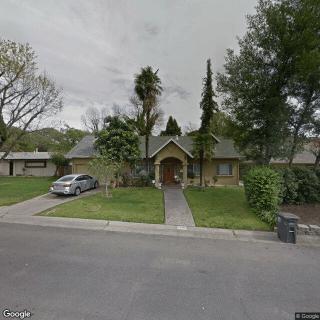
6809 Mellodora Drive, Orangevale, CA 95662
For more information about senior living options: (866) 208-4318
Overall Review of Love You Mom
Pros
 They have many caregivers who switch shifts, ensuring ongoing support.
- The staff are friendly and helpful, creating a welcoming environment.
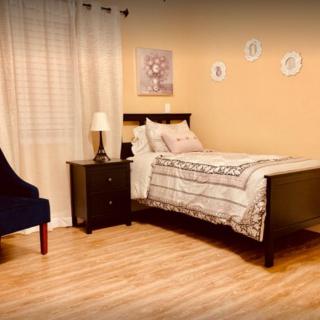
- The home is spacious and very clean.
- Administrator Marie is welcoming, easy to reach, and communicates well.
- They assist residents with mobility and daily activities, including transfers with a hoyer lift, and play residents’ favorite music.
- Marie is compassionate and accommodating, including waiving a month’s rent when appropriate.
- The caregivers are wonderful, and the home is highly recommended.
Cons
 The previous facility had only two caregivers on duty 24/7 with no additional help.
- The staff there were burned out.
- The owner was cold-hearted and all about greed.
- It was a sad situation.
- The last Board and Care did not send anything, not even a card.
Review
This community in Orangevale, CA is best suited for families seeking a warm, home-like assisted living experience where caregiving is the priority and staff are clearly empowered to respond quickly and compassionately. It works well for an older adult who needs hands-on help with daily tasks, mobility support, feeding assistance, and regular social interaction. The environment favors residents who benefit from a genuine, person-centered approach, where caregivers are visible, shifts are well covered, and communication with families is straightforward and reliable. For families who want to feel their loved one is in a small, intimate setting rather than a large, impersonal facility, this is a strong match.
Those who should consider alternatives include families confronted with complex medical needs that require intensive clinical oversight or specialized memory-care programming beyond what a small home can sustain. If long-term, hospital-level monitoring, or a highly structured, programmatic continuum is essential, a larger facility or a dedicated memory-care community may be a better fit. Additionally, if a history of turnover, inconsistent staffing, or limited managerial accessibility weighs heavily in the decision, the lack of a broader institutional footprint could be a risk to review. In short, for families seeking a more clinical or expansive care milieu, exploring other options is prudent.
The core positives here clearly offset potential concerns. The care team is substantial enough to rotate shifts without leaving residents stranded, which translates into reliable attention and less burnout among staff, a common fragility in smaller homes. The administrator, Marie, is repeatedly described as welcoming and highly accessible, delivering consistent communication that keeps families in the loop. The setting itself is spacious and clean, which supports both dignity and ease of care. Daily life centers on practical support, hoyer lift-assisted transfers, feeding assistance when needed, and ongoing social engagement with peers and staff, paired with personal touches like soothing music that resonates with the resident. These factors collectively create a care climate where a fragile health trajectory can feel stabilized by steady, attentive hands.
A notable, concrete upside is the human-centered kindness that shows up beyond routine care. The narrative highlights compassionate gestures, Marie’s direct involvement, timely problem-solving, and willingness to accommodate family financial concerns when a loved one’s health declines. The caregivers’ warmth and the team’s ability to keep the resident engaged, helping her participate in meals, enjoy music, and maintain social interaction, are not small wins in a setting that often risks isolation. When the care plan works, these elements translate into visible improvements in mood and day-to-day quality of life, which often proves decisive for families weighing whether the environment will feel like “home.”
On the practical side, the resident’s health story in this review underscores both the heavy lifting and the meaningful gains possible here. The staff demonstrated capacity with mobility assistance, daily living tasks, and social stimulation during a challenging health course. Even as the resident’s health declined and eventually led to hospitalization, the care team’s effort to maximize comfort and engagement, coupled with clear, compassionate communication with the family, illustrates the kind of dependable care a home like this can deliver. The absence of negative critiques in the record suggests consistency, not occasional lapses, in the care culture, which matters greatly when selecting a residence for a loved one.
The verdict is pragmatic and decisive: this community is a compelling choice for families prioritizing a nurturing, intimately staffed environment where caregivers are visible, accountable, and emotionally attuned. It is less suitable for those requiring a robust clinical ecosystem, a broader menu of medical services, or a larger, highly regimented program. For families who value personal connections, straightforward communication, and a philosophy of care that treats residents like family, this Orangevale home stands out as a prudent option. Prospective families should arrange a visit, meet Marie, and observe firsthand how the team translates care into daily life, because in these moments, the decision hinges on warmth as much as on routine.
 6 resident community capacity
 Assisted Living
 Board and Care Home
 Cable or satellite TV
 Dining room
 Fully furnished
 Garden
 Housekeeping services
 Move-in coordination
 Outdoor space
 Telephone
 Wi-Fi/high-speed internet available
 Sacramento International (18 miles away)
 24-hour supervision
 Activities of daily living assistance
 Assistance with bathing
 Assistance with dressing
 Assistance with transfers
 Diabetes diet
 Meal preparation and service
 Medication management
 Special dietary restrictions
 Transportation arrangement (medical)
 Transportation to doctors appointments






 Assisted Living Expenses and Long-Term Care Insurance: A Comprehensive Exploration
 Securing Financial Support for Assisted Living: A Comprehensive Overview
 Social Security Benefits and Assisted Living: Navigating Options Across the U.S.