

1304 East Chapman, Orange, CA 92866
For more information about senior living options: (866) 208-4318
Ana Marie's Guest Home Costs & Pricing
Ana Marie's Guest Home offers a competitive pricing structure compared to the wider market in Orange County and across California. For those opting for a semi-private room, the monthly cost is $2,000, significantly lower than the county average of $3,431 and the state average of $3,333. Private rooms at Ana Marie's are priced at $2,500, also demonstrating substantial savings against the local norm of $4,104 and the statewide figure of $3,939. These rates not only highlight Ana Marie's commitment to providing affordable care but also reflect its value as an economical choice for families seeking quality accommodation for their loved ones.
| Floor plans | Ana Marie's Guest Home | Orange County | California |
|---|---|---|---|
| Semi-Private | $2,000 | $3,431 | $3,333 |
| Private | $2,500 | $4,104 | $3,939 |
Assisted Living communities with a similar price nearby
-
from -$200 / mo
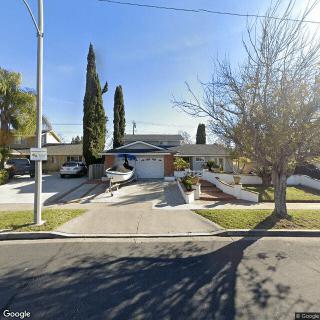
Paradise Residential Senior Care 2
$1,800 / month14.9 miles away -
About the same
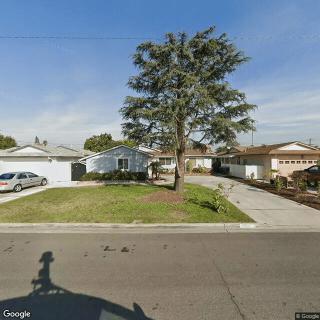
Angel's Care Guest Home
$2,000 to $3,000 / month5.4 miles away -
About the same

House Of Grace
$2,000 to $4,200 / month23.6 miles away -
from -$200 / mo
Paradise Residential Senior Care 3
$1,800 to $2,800 / month15.5 miles away -
from -$200 / mo
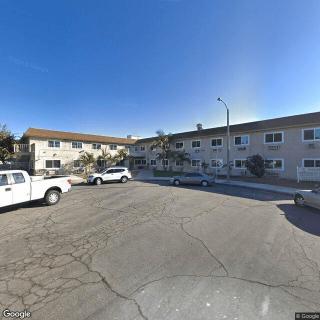
Palms Retirement Center
$1,800 to $3,495 / month8.2 miles away
Overall Review of Ana Marie's Guest Home
Pros
 The tour experience was described as good.
- The home was loved, clean, and beautiful, with integrity and professionalism.
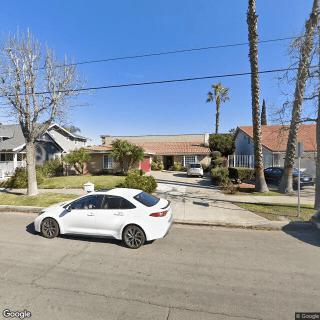
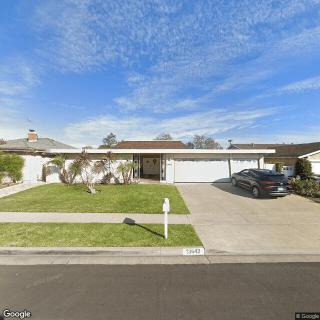
- The property is described as a beautiful little house in Old Towne Orange.
- The care is given skillfully and in a personable way, among the best for facilities of this kind.
- It felt like a family atmosphere, with residents who appear happy and well cared for.
- The place is nice, bright, and sunny with friendly staff.
- It inspires confidence about placing a loved one there.
Cons
 They chose another community because the owner did not allow residents to leave unless for a doctor's appointment, so their loved one would not have been allowed to go on outings or out to eat with them.
- The reviewer noted there was no room for the resident's own furniture, and nothing personal was seen in any of the rooms.
- The reviewer stated that most board-and-care homes had guests waiting for death.
Review
Ana Marie’s Guest Home in Orange, California, is best suited for families seeking a small, home-like, female-only setting where care feels personal and staff are deeply engaged. The house sits in Old Towne Orange, presenting a clean, bright, inviting backdrop that supports a familial atmosphere rather than a clinical or impersonal vibe. This community shines for guardians who want integrity, professionalism, and a mood that keeps residents up, dressed, and conversing in a living-room rhythm. The intimate scale, where staff attention is close and consistent, appeals to families prioritizing daily social connection and visible warmth over sheer size or expansive programming.
Alternatives become reasonable considerations for several reasons. The most prominent, policy-driven factor is the owner’s restriction on resident outings, allowing departures only for doctor appointments. For families who value spontaneous meals out, visits to friends, or adventures beyond the home’s walls, this limitation can feel binding and frankly incompatible with a desired level of freedom. A second, structural factor is the ladies-only environment, which excludes men or couples and narrows the pool of potential residents for some households. Finally, the personalizing of space is limited, rooms do not accommodate resident-owned furniture, so those who want to infuse a space with familiar items may feel the setting lacks the comforting touches that matter to long-term comfort.
The strongest built-in advantages align closely with the reviews’ most emphatic observations. Care is described as skillful and attentive, delivered in a way that preserves individuality rather than producing an assembly-line feel. The environment cultivates a sense of liveliness and belonging: residents appear dressed, engaged, and part of a “family” culture rather than passive occupants awaiting care. Cleanliness and a charming residential footprint reinforce trust, making it plausible that a loved one will settle into the rhythm quickly and feel secure enough to thrive with daily social interactions. For families prioritizing emotional climate, where happiness, routine, and visible care prevail, these pros carry substantial weight.
Yet the downsides cannot be ignored, and they matter enough to shape the decision for certain households. The restricted outings effectively curtail independence and limit ways families can participate in their loved one’s daily life. The ladies-only policy excludes male residents, which may be a non-starter for couples or families seeking spaces that accommodate both genders or more diverse resident profiles. The lack of space for personal furniture can strip away a few layers of comfort and identity, leaving rooms feeling less like a home and more like a managed residence. In practical terms, these factors translate into a setting that prioritizes a nurturing, orderly routine over flexibility, personalization, or gender-inclusive options.
Taken together, the pros and cons point to a clear fit pattern. For families prioritizing warmth, regular interaction, and a caregiver team that treats residents like family, Ana Marie’s Guest Home delivers a compelling value, especially if a female-loved one will thrive in a small, social, home-like environment. The contending trade-offs, outings limited to medical appointments, a female-only community, and minimal space for personal furnishings, will either align with or derail depending on the resident’s preferences and the family’s expectations about independence and customization. If these constraints are too restrictive, or if a multi-generational, co-ed, or highly flexible setting is essential, alternatives with broader policies and larger communities deserve serious consideration.
To move forward confidently, conduct a focused tour with concrete questions about current policies and daily life. Ask about how outings are scheduled (and whether exceptions have ever been made), the typical caregiver-to-resident ratio, and the availability of activities that sustain engagement beyond meals and quiet time. Probe the degree to which rooms can reflect a resident’s personality, even within the constraint of no personal furniture, and seek candid feedback from current families about mood, safety, and consistency of care after a few weeks. If the responses emphasize a warm, well-cared-for environment with a true sense of community, and align with a preference for a women-only, smaller setting, Ana Marie’s Guest Home stands as a strong, practical choice. If not, steer toward options that better match the desired level of freedom, inclusivity, and room personalization.
 6 resident community capacity
 Assisted Living
 Board and Care Home
 Respite Care
 Cats allowed
 Dogs allowed
 Activities off-site
 Cable or satellite TV
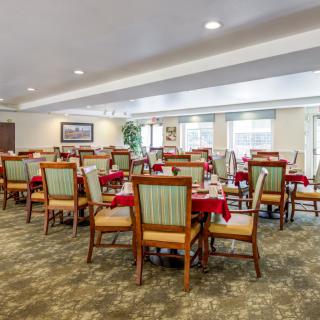
 Dining room
 Fully furnished
 Garden
 Housekeeping services
 Indoor common areas
 Move-in coordination
 Outdoor common areas
 Private
 Private bathrooms
 Telephone
 Wheelchair accessible showers
 Wi-Fi/high-speed internet available
 John Wayne Orange Co (8 miles away)
 24-hour supervision
 Assistance with bathing
 Assistance with dressing
 Assistance with transfers
 Diabetes diet
 Diabetic care
 High acuity care
 Meal preparation and service
 Medication management
 Special dietary restrictions
 Transportation arrangement (medical)
 Transportation to doctors appointments




 Senior Transition Services: Understanding Their Role, Cost, and Importance
 Exploring the Path to Senior Living: A Comprehensive Look at Independent Living and Assisted Living
 Is Assisted Living Deductible on Your Taxes? Understanding the Complexities of Assisted Living Expenses and Deductions